REVIEW · ROME
Rome: Catacombs of St. Sebastian Entry Ticket & Guided Tour
Book on GetYourGuide →Operated by OPERA ROMANA PELLEGRINAGGI · Bookable on GetYourGuide
Rome’s underground is surprisingly human. This guided Catacombs of Saint Sebastian visit takes you into third-century burial corridors where you can see how early Christians and other Romans used the same underground world over time. It’s short, but it hits with details.
I especially like the guided format. You’re not wandering blind; you get a real walking story, and you move at a pace that feels manageable in tight spaces. One more thing I like: the groups tend to stay small, so you can actually hear what’s being explained.
The main consideration is time and space. At just 30 minutes, the route can feel quick, and the catacombs involve narrow passageways—so it’s not the best fit if you have mobility limits or claustrophobia.
In This Review
- Key highlights you’ll care about
- Rome’s Catacombs of St. Sebastian: What You’re Really Walking Through
- Ticket + 30-Minute Guided Tour: What the Route Covers
- Meeting at the Ticket Office: How to Start Without Stress
- Underground Rome: Quarry Roots, Reused Galleries, and Burial Nooks
- The Constantine Link and the Circus-Shaped Basilica Above
- Comfort Tips That Make the 30 Minutes Feel Good
- Price and Value: Is $16 Worth It for a Guided Catacomb Visit?
- Who This Tour Fits Best (and Who Should Skip It)
- Should You Book the Rome Catacombs of St. Sebastian Tour?
- FAQ
- How long is the Catacombs of St. Sebastian guided tour?
- What languages are available for the guided tour?
- What’s included in the price?
- Where do I meet for the tour?
- Is photography allowed inside the catacombs?
- Is this tour suitable for people with mobility impairments?
- Is it suitable for claustrophobia?
- What should I bring for the tour?
Key highlights you’ll care about
- Guided walking tour focused on the Catacombs of St. Sebastian
- Small-group feel, with space to follow the guide’s stops and explanations
- Third-century burial context tied to saints, popes, and emperors
- Underground-to-surface story, including the basilica area above
- Practical rules: comfortable shoes, warm layers, and no photography inside the catacombs
Rome’s Catacombs of St. Sebastian: What You’re Really Walking Through
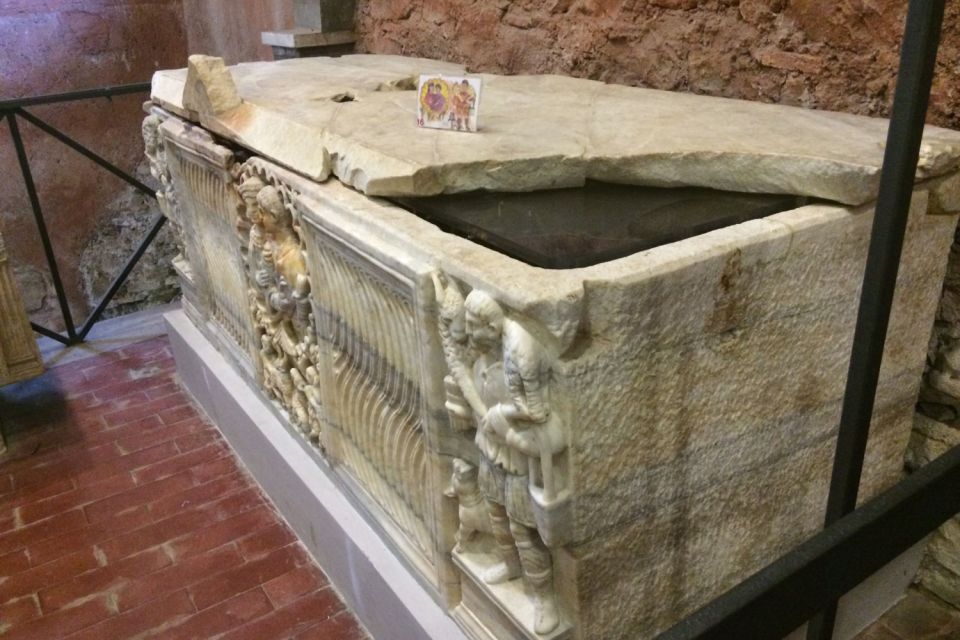
The Catacombs of Saint Sebastian sit in Lazio, right in the Rome orbit, and they’re one of those places where the “underground” part is not just atmosphere—it’s the whole point. Long before anyone thought of the site as a cemetery, it was a working quarry. The ancient Romans even had a name for the area: ad catacumbas, near the cavities.
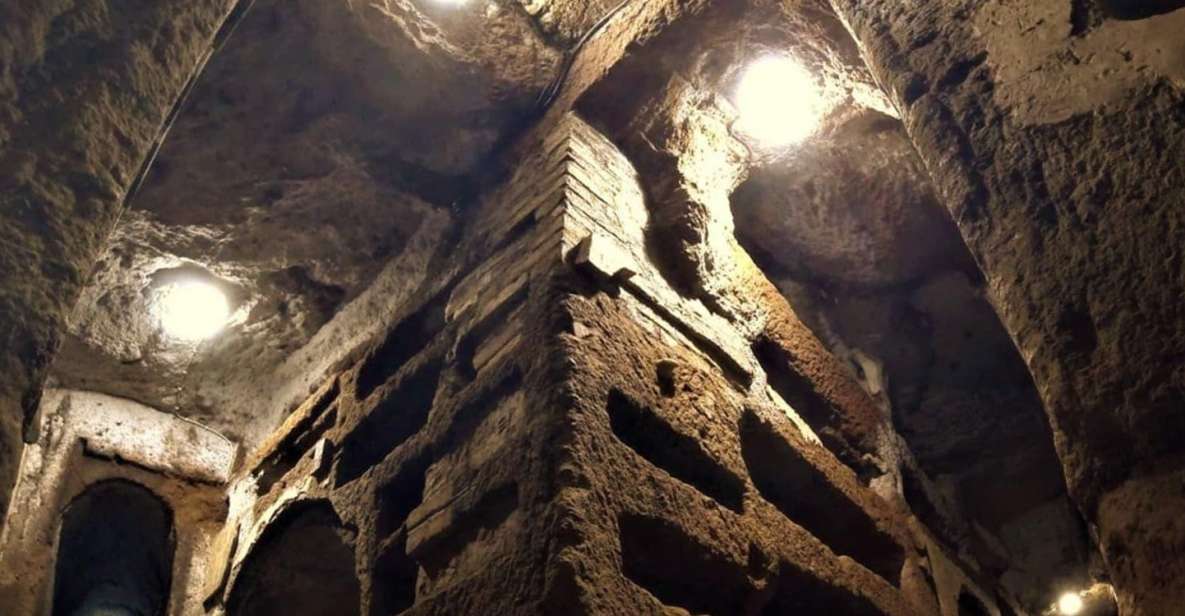
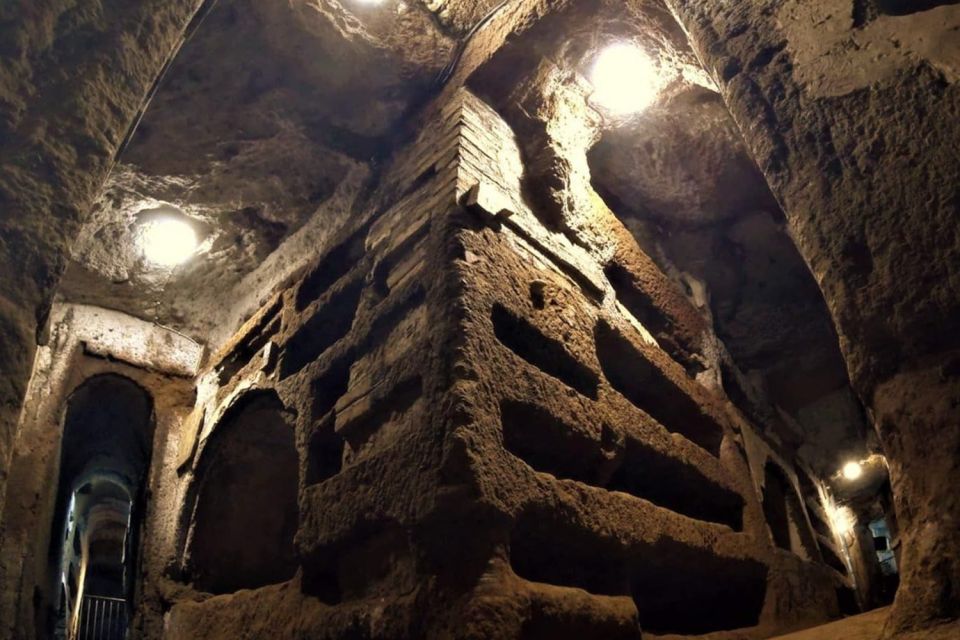
That quarry origin matters because it explains the catacombs’ shape. You’re not looking at a freshly built maze for tourists. You’re moving through reused underground galleries—spaces that started as extraction sites and later became burial niches. The result is a feeling of continuity: layers of use, not a single, untouched moment in time.
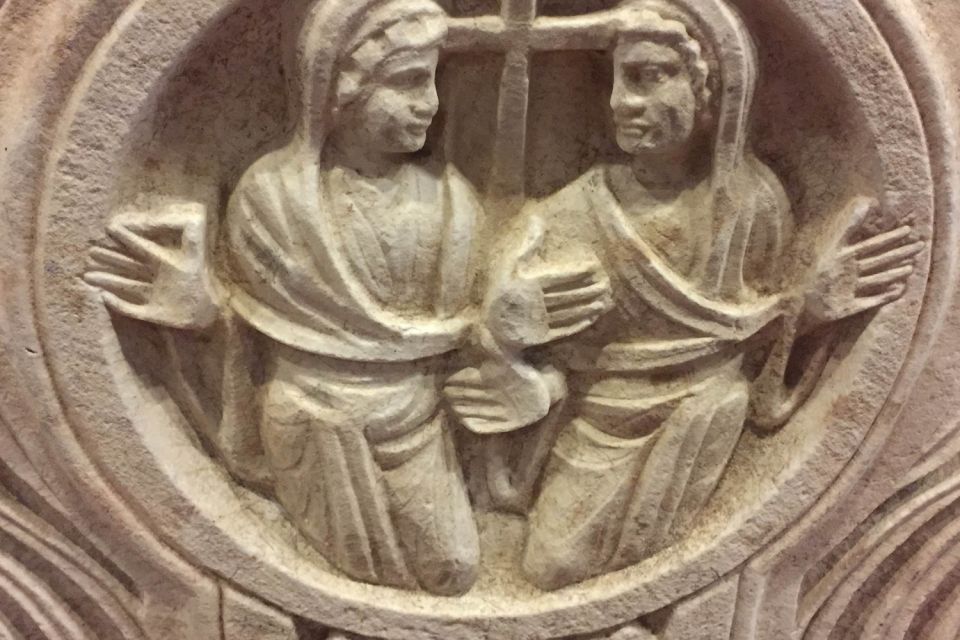
And the subject is big. This isn’t only “saint stuff.” The underground story connects burial traditions tied to early Christian martyrs and broader Roman power—saints, popes, and emperors are part of what the tour frames for you.
You can also read our reviews of more tours and experiences in Rome


Ticket + 30-Minute Guided Tour: What the Route Covers
This experience is built around one clear idea: see the catacombs with context, then move on. The stated duration is 30 minutes, so you should treat it as a focused sprint rather than an all-day project.
Here’s what that usually feels like in practice:
- You begin at the ticket office and meet your group.
- You follow the guide through the underground passageways in a controlled walking route.
- You get explanations at key spots—where the layout, burial niches, and symbolic details make the history click.
- You also connect what’s underground with what’s on the surface, since the site includes above-ground structures tied to later periods.
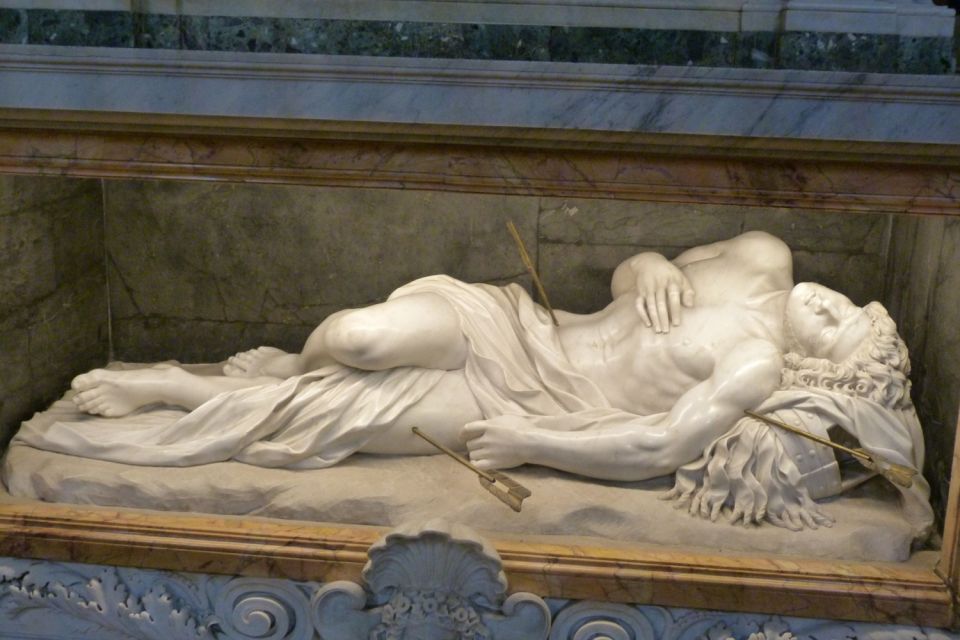
Some of the most emotional moments come fast. You’ll hear about early devotion tied to the martyrs Sebastian and Eutichio, and you’ll also be guided through the broader “how it developed” story, including reuse and expansion over centuries. Because the tour is short, the guide has less time for tangents—which is exactly why so many people come out feeling it was well organized and not dragged out.
Meeting at the Ticket Office: How to Start Without Stress
This one is very straightforward: go directly to the ticket office of the Catacomb and show your reservation at least 10 minutes before the scheduled tour.
Why that timing matters: catacombs are controlled-entry spaces. You want to be there early enough to get oriented, hear the rules, and avoid getting shuffled into a later slot. Also, this is not a “hotel pickup” experience—no one is coming to your accommodation. You’re expected to arrive on your own, at your scheduled time.
If you hate standing around, you’re in luck. People tend to like that the visit is organized and efficiently paced, with a guide leading the group rather than making you wait in circles.
Underground Rome: Quarry Roots, Reused Galleries, and Burial Nooks
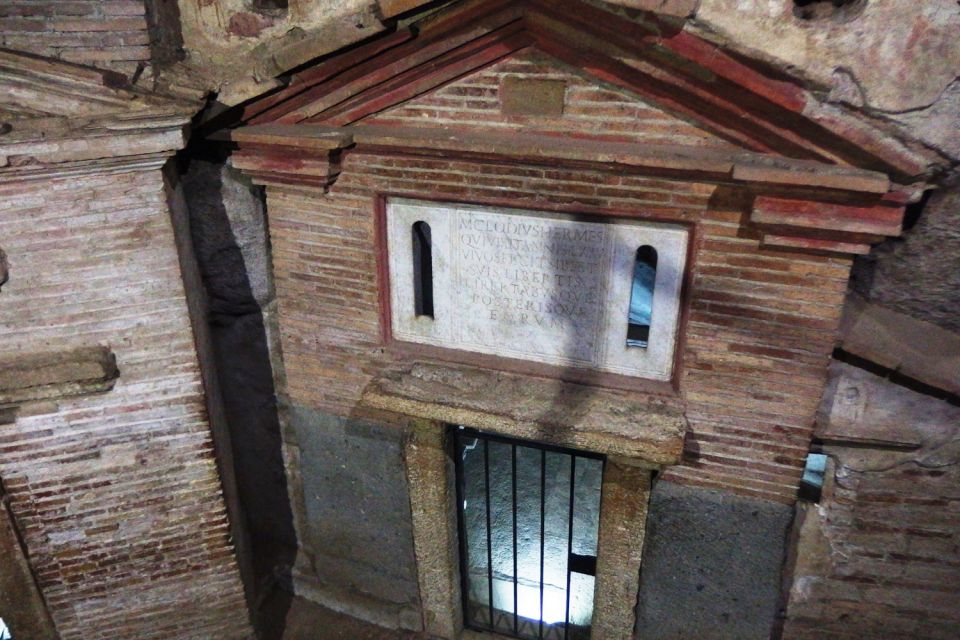
A big part of why these catacombs are worth your time is the way the underground space was reused. The tour setting gives you a visible timeline: the site went from quarry to cemetery-in-progress.
Here are the themes your guide typically focuses on:
- Quarrying and the “cavities” origin: the underground started as extraction space, which shaped the corridors you see.
- Reuse of galleries into burial niches: instead of building new corridors, later generations adapted existing tunnels.
- Surface additions that show the site’s growth: columbaria and residential systems were built above, showing that this wasn’t isolated underground life—it was part of a larger community footprint.
The tour framing also highlights how the catacombs developed around the middle of the second century. On one side of a valley area, you’ll hear about mausoleums built in succession—linked to figures and groups such as Clodius Hermes, the Innocentiores, and the Ax. Later, the site continued changing as space was created for additional structures like the triclia—a portico bordered by a wall.
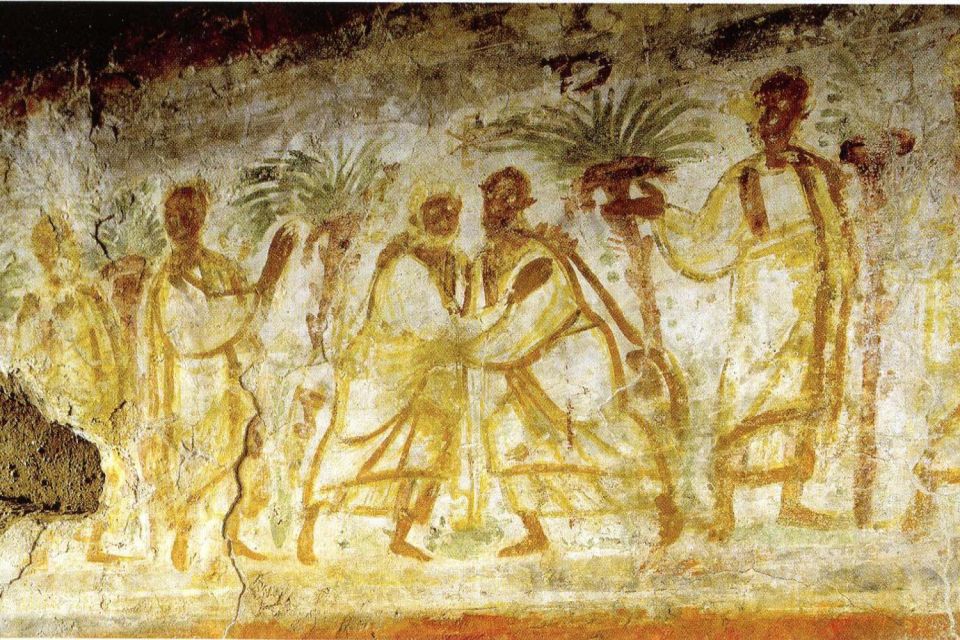
And then there are the graffiti invocations. Around 250, the wall carried calls to SS. Peter and Paul, venerated together in this place. It’s a small detail compared to the big names of emperors and saints, but it’s one of the most human pieces. It shows belief in action—people asking for help where they could.
The Constantine Link and the Circus-Shaped Basilica Above
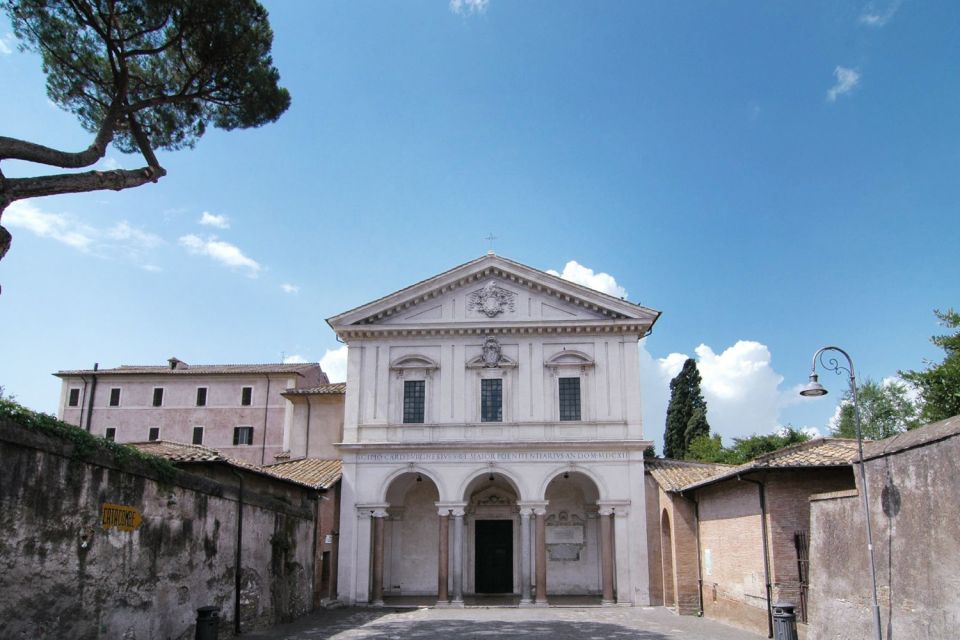
The underground doesn’t end the story. What makes this site extra satisfying is that the tour connects the catacombs to major shifts in Roman religious life.
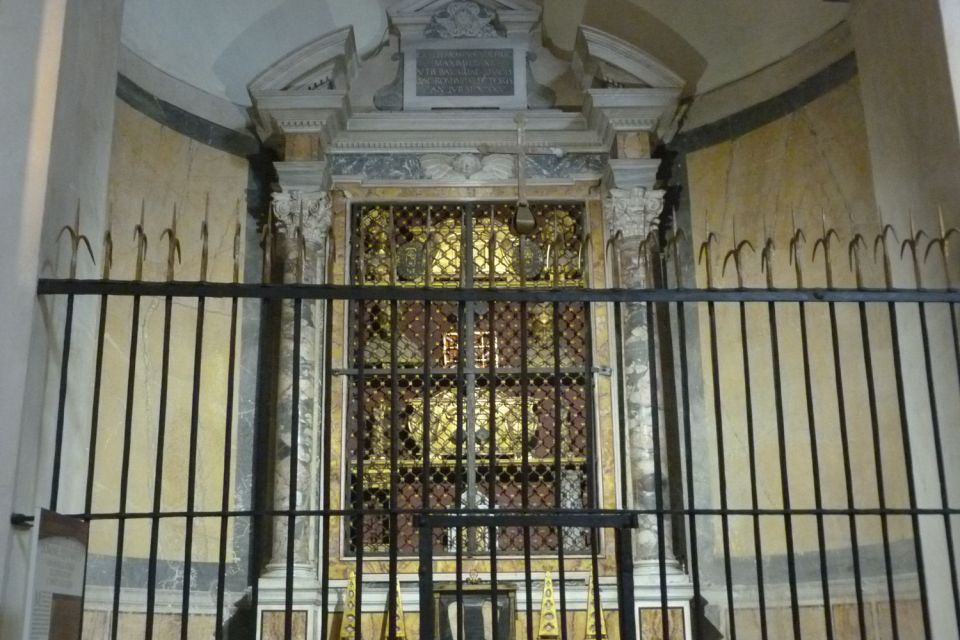
In the era of Constantine (306–337), a basilica was built in the shape of a Roman circus, called the circiforme. That matters because it visually breaks the idea that early burial life was only hidden and underground. Here, belief moves toward a public footprint.
In the basilica area, you may notice stunning details that the guide points out. One highlight people specifically call out is the hand-carved wood ceilings. Even if your focus is the catacombs themselves, this above-ground stop helps you connect the “why” behind the underground space: the story of devotion didn’t stay buried forever.
You can also read our reviews of more guided tours in Rome


Comfort Tips That Make the 30 Minutes Feel Good
The catacombs are part historic site, part working construction space from centuries ago. That means you should dress like you’re preparing for real conditions underground.
Bring comfortable shoes. The route can involve narrow sections where you’re walking in a single-file-style flow. That’s not a dealbreaker, but it’s why shoe comfort beats fashion.
Bring warm clothing and a jacket. Several guides and visitors point out it can get colder further down, so layers help your mood more than you might expect.
A few other practical notes from the rules:
- No baby carriages
- Not suitable for mobility impairments
- Not suitable for claustrophobia
- Photography inside is not allowed
And yes, it’s worth thinking about temperature and rule-following early. In tight spaces, people who arrive unprepared tend to get cranky fast—which is the opposite of what you want for a short tour where you’re meant to absorb details.
Price and Value: Is $16 Worth It for a Guided Catacomb Visit?
At $16 per person, this isn’t a luxury add-on. It’s a ticket price that comes with something critical: an entrance ticket plus a guided tour in your chosen language.
So the value equation isn’t just “$16 for a room.” It’s:
- You’re paying for access to the catacombs site.
- You’re also paying for interpretation—the guide connects the architecture to the burial practices and named historical elements.
Would it be cheaper without a guide? Possibly. Some people note that booking may cost a bit more than buying at the site. But the guide is the difference between seeing tunnels and understanding why those tunnels mattered. For a short 30-minute format, the guide’s efficiency is part of what you’re actually buying.
If you’re on a tight schedule and want your Rome plan to work, this kind of ticket-with-guide package tends to be a smart way to spend time—especially if you want a break from street-level crowds.
Who This Tour Fits Best (and Who Should Skip It)
This catacomb tour is best for you if:
- You want a short, focused underground experience.
- You like your history explained while you walk, not after the fact.
- You want a break from the city vibe—this is a real change of pace without requiring a half-day commitment.
It’s also a good pick if you enjoy questions. People often describe guides who answer queries and keep the information clear. The tour length is tight, but the guide’s job is to prioritize the core story.
Skip it if:
- You have mobility impairments (the tour isn’t suitable).
- You have claustrophobia (the catacombs are narrow and enclosed by nature).
- You rely on baby carriages (they aren’t allowed).
If you fit the main audience, it’s a great choice for couples, solo travelers, and small groups who want a meaningful stop without turning it into a whole day.
Should You Book the Rome Catacombs of St. Sebastian Tour?
I’d book it if you want an efficiently run underground visit with a guide and you’re ready for tight spaces. The 30-minute format makes it easy to slot into a busy day, and it’s exactly long enough to understand why the site mattered—quarry roots, reused galleries, burial expansion, and the link to later basilica life above.
Don’t book it if you need a long, slow meander or if claustrophobia/mobility are concerns. Also, plan to follow the rule set, especially the no photography inside part.
If you want my practical advice: go in wearing layers, wear shoes you trust, and commit to listening. This tour works best when you treat the underground as a story you experience in motion, not a photo-op scavenger hunt.
FAQ
How long is the Catacombs of St. Sebastian guided tour?
The tour duration is 30 minutes.
What languages are available for the guided tour?
The live tour guide is available in English, Italian, Spanish, and French.
What’s included in the price?
Your purchase includes the entrance ticket and a guided tour in the chosen language.
Where do I meet for the tour?
Go directly to the ticket office of the Catacomb and show your reservation at least 10 minutes before the scheduled tour.
Is photography allowed inside the catacombs?
No. Photography inside is not allowed.
Is this tour suitable for people with mobility impairments?
No, it is not suitable for people with mobility impairments.
Is it suitable for claustrophobia?
No, it is not suitable for people with claustrophobia.
What should I bring for the tour?
Bring comfortable shoes and warm clothing (a jacket), since it can be colder further down.