REVIEW · ROME
Rome: Catacombs of Priscilla Entry Ticket & Guided Tour
Book on GetYourGuide →Operated by OPERA ROMANA PELLEGRINAGGI · Bookable on GetYourGuide
Rome goes quiet underground. The Catacombs of Priscilla are a guided way to see how early Christians marked funerals and memory beneath the streets, and I love the Priscilla catacombs for how intact the spaces feel. I also like that this visit runs as a small group with a real guide, not a rushed conveyor belt.
One thing to plan for: this tour is not suitable for people with mobility impairments, since you’re going underground and moving through areas that won’t work for everyone. If you’re fine with that, the payoff is seeing early Christian art and burial architecture in settings that are still part of active archaeology.
In This Review
- Key Things to Know Before You Go
- Entering the Catacombs of Priscilla on Via Salaria
- The 45-Minute Time Window That Actually Works
- What Lies on the First Floor: Galleries, Niche Tombs, and the Acili Area
- The Cryptoporticus and Greek Chapel Context
- Martyrs Buried Here: Felice, Filippo, and St. Felicita
- Popes Below: Marcellino Through Vigilius
- Early Christian Frescoes: What You’ll Actually See on the Walls
- What the Archaeology Feels Like: Still Being Explored
- Price and Value: Is $16 Worth 45 Minutes Underground?
- Getting There from Central Rome: Timing and Comfort Tips
- Tour Guide Style: Sister Lydia, Alexandra, and Clara’s Impact
- Who This Tour Suits Best (And Who Might Skip It)
- Should You Book the Catacombs of Priscilla Tour?
- FAQ
- How much does the Catacombs of Priscilla tour cost?
- How long is the guided tour?
- Where do I meet for the tour?
- When should I arrive before the scheduled tour?
- What languages are the guided tours offered in?
- How large is the group?
- Are strollers or photos allowed?
- Can I get a refund if I cancel?
Key Things to Know Before You Go
- Two-floor layout at Via Salaria: you’ll move through connected underground areas instead of just a single room.
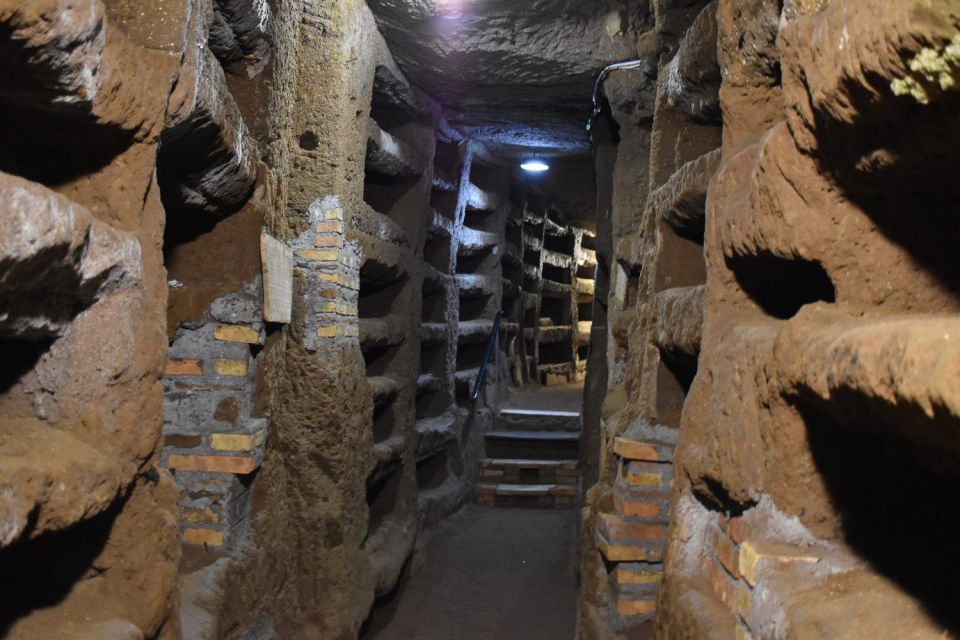
- Early-Christian burial design: irregular galleries, built-up niche tombs, and hundreds of wall niches used over time.
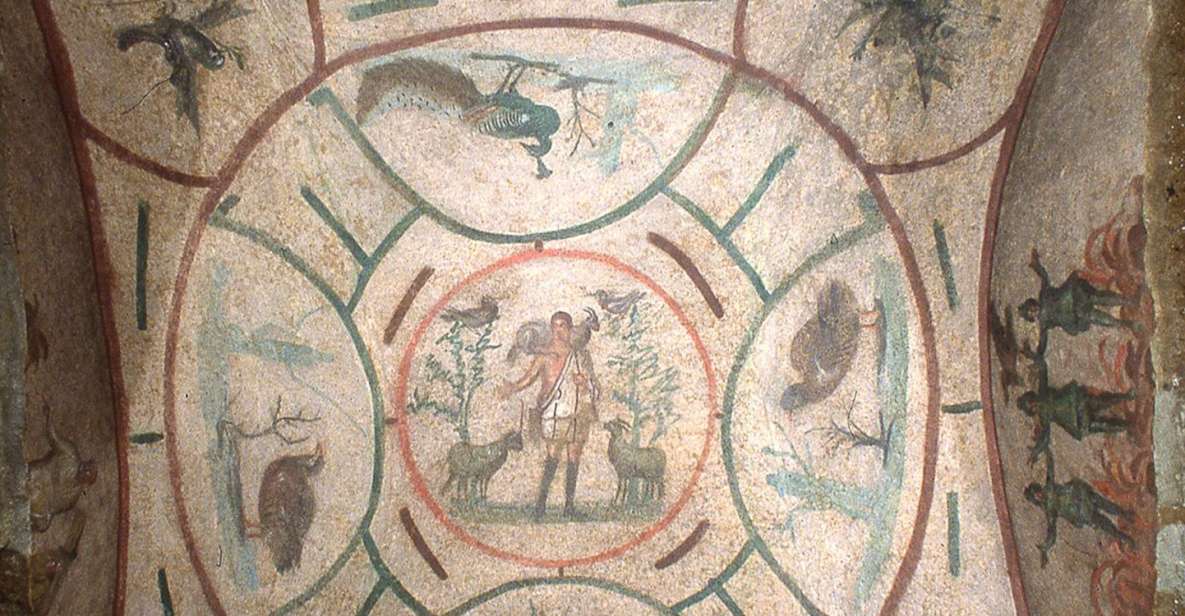
- Well-finished frescoes: you’re not just reading names; you’re seeing paintings preserved after centuries.
- Cryptoporticus + Greek Chapel context: adjacent underground spaces help you understand the wider complex.
- Historic figures in the same place: martyrs like Felice and Filippo, plus multiple popes buried here.
- No photos inside: you’ll need to rely on your eyes, notes, and the guide’s explanations.
Entering the Catacombs of Priscilla on Via Salaria
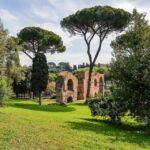
If Rome’s headline sights feel too bright and crowded, this is a strong change of pace. The Catacombs of Priscilla sit on Via Salaria, on the outskirts compared with the old center, and they’re reached by a short ride rather than a long hike. Then you step into a world that’s literally underground, where the walls tell the story of how people marked death and kept faith alive.
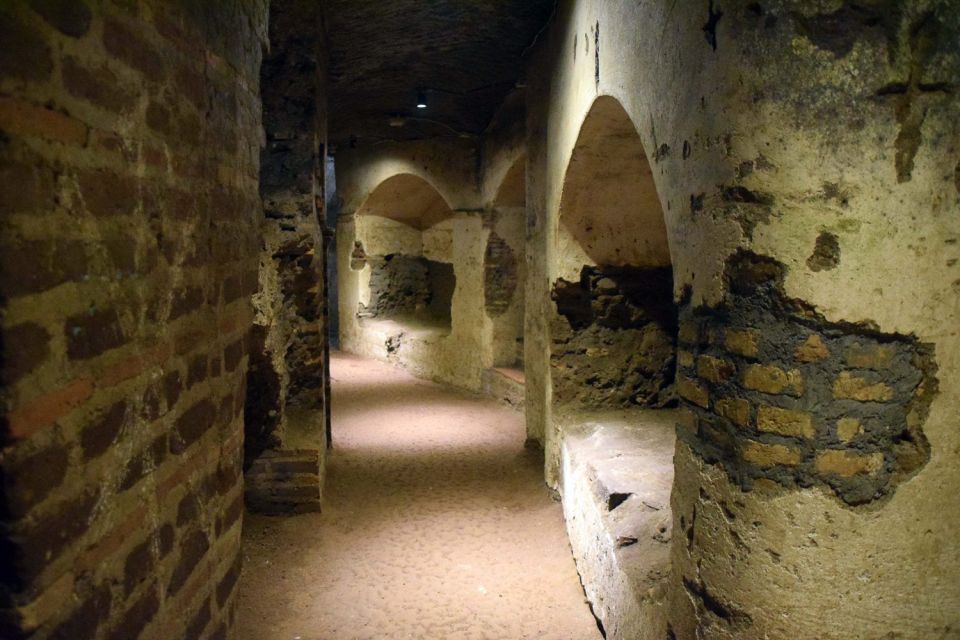
This particular catacomb has an origin story that’s a bit different from the others. It likely began as an arenarium (basically a quarry-like sand space), later abandoned, and only later taken over. Christians began using the large, irregular galleries at the start of the third century, building around niche tombs and creating hundreds of additional niches in the walls.
The tour itself covers a two-floor complex, so it doesn’t feel like you’re seeing just one section. You also pass through context areas connected to the larger burial landscape, including an adjacent cryptoporticus area.
You can also read our reviews of more tours and experiences in Rome


The 45-Minute Time Window That Actually Works
The guided visit is short: 45 minutes. That sounds brisk, but it’s the right length for underground spaces where you’re watching your footing, staying with the group, and reading details at close range. A longer tour can start to feel repetitive, and a shorter one can leave you with questions. This one lands in the sweet spot for most people.
Also, your group size is limited to 10 participants. In tight corridors, that matters. You can hear the guide, keep together, and actually see what she’s pointing out rather than craning your neck over someone’s shoulder.
Tour language is offered in Italian, English, and Spanish. In practice, the guide makes or breaks a catacomb experience because a room can look like dark tunnels unless someone connects it to names, dates, and why certain images mattered.
What Lies on the First Floor: Galleries, Niche Tombs, and the Acili Area
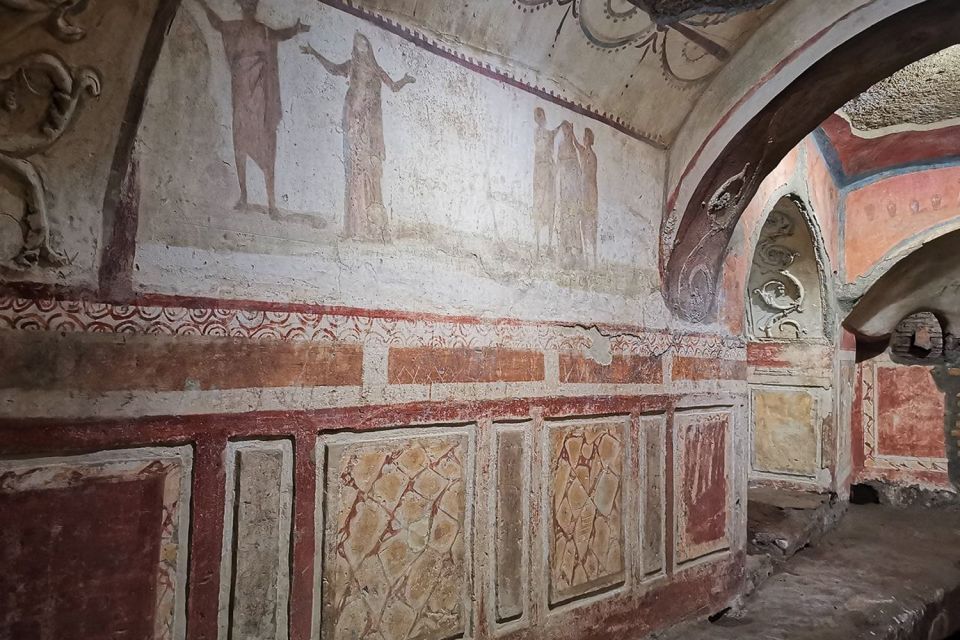
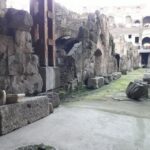
Once you go in, the first-floor environment is about space and function. You’ll see those large and irregular galleries that Christians repurposed when they started using the catacomb seriously in the early third century. In places, you’ll notice niche tombs built into the walls, and you’ll get a sense of how this became a long-term memorial site.
The Acili connection is a key piece of the puzzle here. One of the hypogea (an underground room) associated with the Acili family was originally a cistern of water, and inscriptions connected to the Acili family have been found there and displayed. That means the story isn’t only “people are buried here,” it’s also “families recorded identities and connections here,” even inside an underground Christian setting.
You’ll also hear about how this complex developed over time—started as something else, then shifted into an organized Christian burial network. That timeline helps you understand why the architecture can feel mixed: it’s not a single moment in history. It’s layers.
The Cryptoporticus and Greek Chapel Context
One of the smartest parts of this kind of tour is that it doesn’t treat the catacomb like a standalone tunnel system. You get connected context in the adjacent underground environment—especially the cryptoporticus area and the Greek Chapel connection.
This matters because you’re watching how one burial space expands into a bigger complex. The cryptoporticus began as a noble family burial ground and later became connected to the catacomb world. So when you see different features in the same overall area, you’re not just looking at random rooms—you’re seeing how communities and structures changed purpose across generations.
Even if the underground layout feels confusing at first (it can), the guide’s job is to help you map what you’re seeing to a bigger picture. In a small group, that explanation tends to land fast.
Martyrs Buried Here: Felice, Filippo, and St. Felicita
Priscilla isn’t only about buildings. It’s about names that shaped early Christian memory. Among the martyrs associated with Priscilla, the brothers Felice and Filippo are remembered as having been martyred, likely during the persecutions under Diocletian. Their mother, St. Felicita, is also included in the commemoration.
You’ll also hear about additional brothers tied to the martyrs’ remembrance: Alessandro, Marziale, Vitale, Silano, and Gennaro. Hearing that list inside the underground setting changes how you see the niches and tomb structures. You start thinking less like a tourist and more like a family or community member who needed a place to remember.
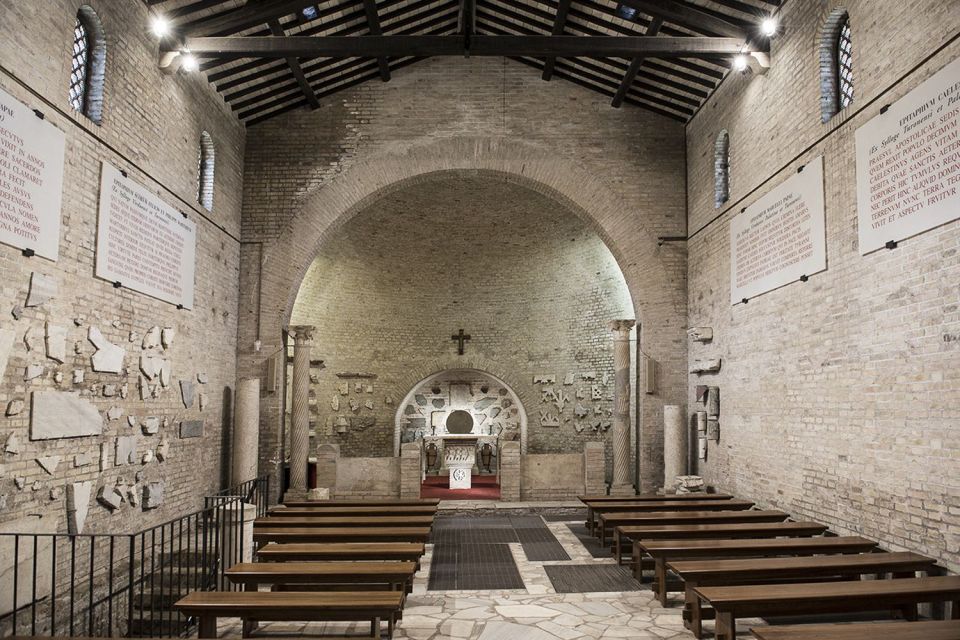
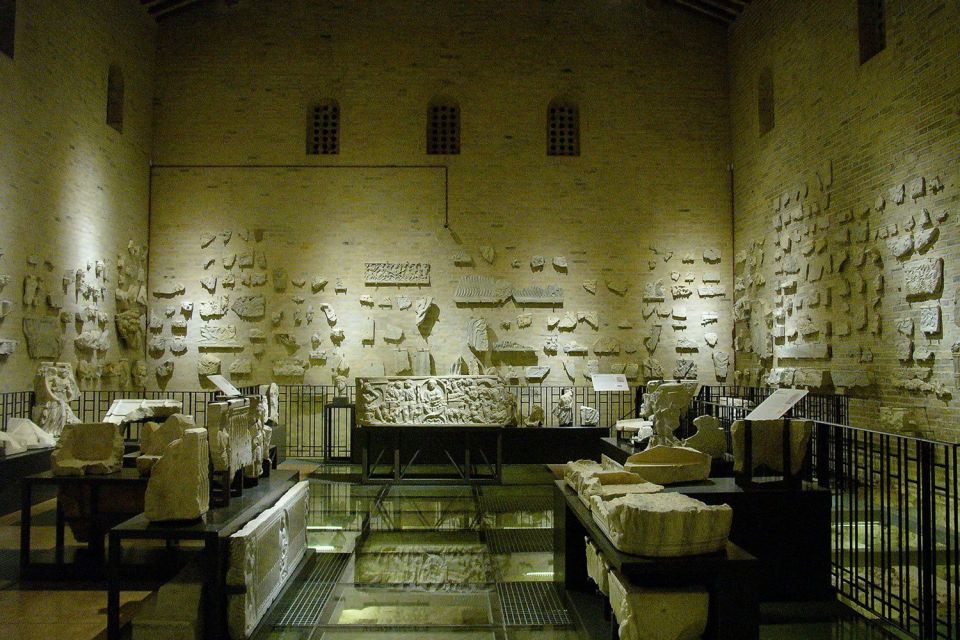
And yes, this place connects to visible religious architecture above ground too. There’s a basilica built by Pope St. Silvestro in correspondence with the tomb of Felice and Filippo, and nearby you can find a museum setup that collects fragments of sarcophagi found during excavations in the Priscilla area.
You can also read our reviews of more guided tours in Rome
Popes Below: Marcellino Through Vigilius
This is one of the reasons Catacombs of Priscilla feel weighty even in a short visit. Multiple popes were buried here, and the guide will typically name them in sequence so you can feel the span of time.
Included among the popes buried in Priscilla are Marcellino (296–304), Marcello (308–309), Silvestro (314–335), Liberius (352–366), Siricius (384–399), Celestino (422–432), and Vigilius (537–555). The point isn’t to memorize every date. The point is to understand that this underground space wasn’t only for early martyrs—it became part of mainstream Christian burial and remembrance over centuries.
That continuity is part of what makes the experience thought-provoking. You’re seeing how early Christian practices were still forming, and then later being maintained.
Early Christian Frescoes: What You’ll Actually See on the Walls
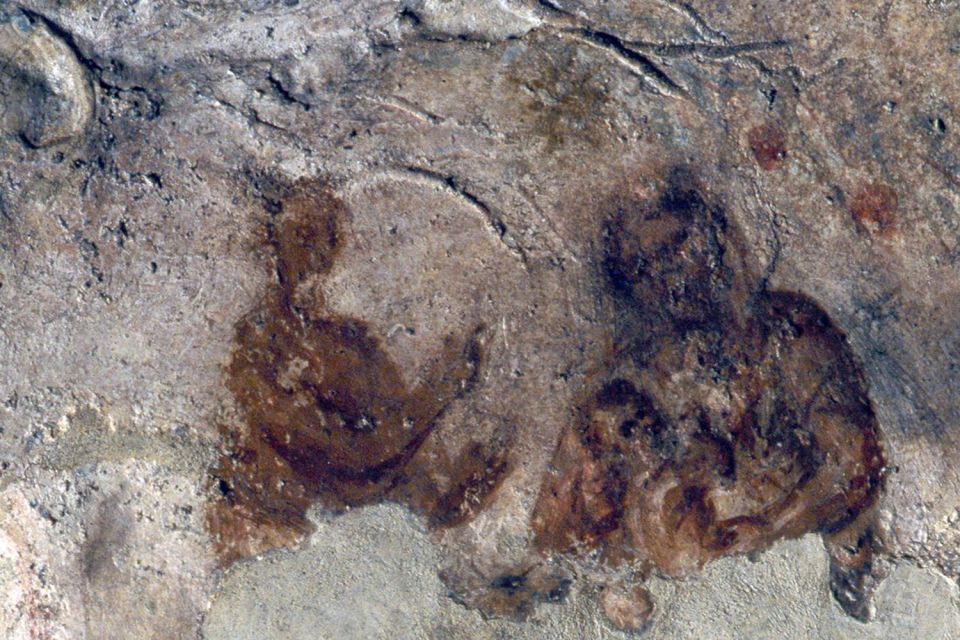
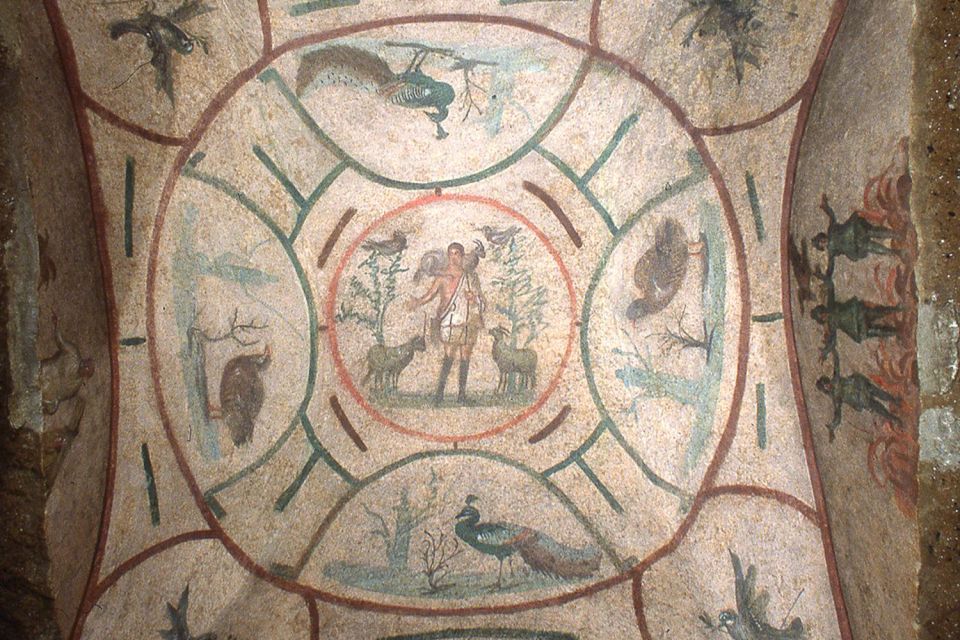
A major draw here is the art. The catacombs contain early Christian frescoes still preserved on surfaces beneath the streets, and guides point out the scenes and symbolism that helped believers understand faith through images. One highlight mentioned in English-language tours is seeing very early depictions connected with Mary and the Child, often described as among the earliest known images of that subject found up to now.
You might hear references to paintings from around 240–280 AD. That range is what makes the visuals so compelling: you’re not looking at medieval murals after a long gap. You’re looking at early Christian visual language surviving where it was created.
Practical note: photography is not allowed inside. So go in ready to look closely and then rely on your guide’s explanation afterward. If you want something to take home, some visitors note you can buy printed images such as postcards—so you’re not totally without a souvenir option.
What the Archaeology Feels Like: Still Being Explored
One underrated part of this tour is that it’s not presented like a sealed museum set. The spaces you visit are part of ongoing archaeological work, and that gives the visit a more real, less theatrical vibe.
You’ll also notice the catacombs weren’t designed for modern crowds. Corridors can be narrow. The environment is underground, so it’s cooler than outside, but it still has that stone-and-damp feel that makes you pay attention to where you’re walking. In a good group, everyone stays together, and the guide times explanations so you don’t get lost or left behind.
There’s also a detail you may run into: some tombs can be empty because human remains were moved. That doesn’t make the tour less meaningful; it helps you understand preservation choices and how these sites were managed over time.
Price and Value: Is $16 Worth 45 Minutes Underground?
At about $16 per person, this is one of the easier buys on a Rome itinerary. You’re paying for an entry ticket plus a guided tour, and you get access to areas that connect architecture, Christian burial customs, and early art. Big-name monuments in Rome can cost much more, and they often don’t include that kind of focused interpretive guidance.
The other value multiplier is the 10-person group limit. If you’ve ever tried to hear a guide in a giant group at a top attraction, you know why that matters. Here, the guide can slow down when people have questions and still keep the timing under control.
Finally, the setting itself is part of the value. This is a cool indoor option during hot months. One of the most common reasons people fit this into their day is heat relief plus a totally different kind of Rome experience.
Getting There from Central Rome: Timing and Comfort Tips
Transportation isn’t included, so you’ll plan your own ride. The good news is that it’s reachable by public transport, and catacombs like these often work best when you stop overplanning. In practice, it’s a short trip compared with day-long excursions, but it does take you outside the historic core.
Bring a light layer even in warm weather. The underground temperature drop is real. It also helps your comfort if you end up standing still for a minute while the guide explains fresco details.
If you’re prone to running late, set a buffer. You’re required to meet at the ticket office and show your reservation at least 10 minutes before the scheduled tour time. That early arrival prevents stress and keeps the group moving.
Tour Guide Style: Sister Lydia, Alexandra, and Clara’s Impact
A strong pattern across guides is how they connect objects to meaning. Some guides are especially good at making names and dates feel like a story rather than a list, and they encourage questions in tight spaces so the group learns at a human pace.
You may meet guides such as Sister Lydia (mentioned as especially kind and funny), or Alexandra, or Clara. Even when guide personalities differ, the best ones do the same essential job: they point out what you’d otherwise miss, like how burial niches relate to changing Christian practices or why certain images were worth preserving and repeating.
If you want the most from the tour, go in with one goal: pick up the “why” behind the visuals and the tomb structure. You don’t need a background in early Christianity. A good guide supplies the context and helps you see patterns.
Who This Tour Suits Best (And Who Might Skip It)
This is a great fit if you:
- Like early Christian art and want it in its original underground setting.
- Want a calmer, less crowded alternative to the loudest Rome highlights.
- Enjoy history that’s grounded in physical places: niches, inscriptions, fresco walls.
- Prefer a short guided visit that’s focused and easy to fit into a day.
You might skip it if:
- You need an option that works for mobility impairments. This one isn’t suitable.
- You expect lots of open-air views or big-sight photography. Inside, photos are not allowed, and the experience is about close observation.
Should You Book the Catacombs of Priscilla Tour?
I’d book it if you want something different from the usual Rome lineup, and you’re curious about early Christianity—especially burial practices and the art that came with them. The small group size, preserved frescoes, and the mix of martyrs and popes in one place make the 45 minutes feel purposeful rather than rushed.
But if underground access is a problem for you, or you’re hoping to take lots of photos, you should look for a different type of tour. For the right traveler, though, this is one of the best ways to get a real sense of what “Rome below the streets” means.
FAQ
How much does the Catacombs of Priscilla tour cost?
It costs $16 per person.
How long is the guided tour?
The tour duration is 45 minutes.
Where do I meet for the tour?
Please go directly to the ticket office of the catacomb and show your reservation.
When should I arrive before the scheduled tour?
Show your reservation at least 10 minutes before the scheduled tour time.
What languages are the guided tours offered in?
Tours are available in Italian, English, and Spanish.
How large is the group?
The group is small, limited to 10 participants.
Are strollers or photos allowed?
Baby strollers are not allowed, and photography inside is not allowed.
Can I get a refund if I cancel?
Yes. Free cancellation is available up to 24 hours in advance for a full refund.