REVIEW · ROME
Rome: Domus Aurea Guided Tour and Virtual Reality Experience
Book on GetYourGuide →Operated by C.I.S. Tours. · Bookable on GetYourGuide
Nero’s palace returns in virtual reality. On this Domus Aurea tour, you get a guided walkthrough and an Oculus VR presentation that reconstructs Emperor Nero’s home right where the ruins sit today. It’s a clever mix of archaeology and tech, built around how the site likely appeared in his time.
What I like most is the way the VR segment helps you see the scale and layout before you walk the real spaces. I also love that the tour hits big visual stops like the Octagonal Hall and the Hall of Birds, not just a quick overview and out the door.
One consideration: this experience isn’t for people with claustrophobia, and parts of it are physically tight and inside the Domus. Also, it’s cold inside, so skip the light jacket gamble.
In This Review
- Key things to know before you go
- Meeting at Colosseo Metro: keep it simple, stay on time
- How the 70-minute Domus Aurea tour + Oculus VR fits together
- The Golden Vault in VR: what reconstruction adds to the ruins
- Octagonal Hall, Cryptoporticus, and Hall of Birds: three stops with different moods
- Octagonal Hall: geometry as power
- Cryptoporticus: the underworld corridor feeling
- Hall of Birds: decoration that makes the past feel close
- What Nero wanted: Palatine homes meet the Esquiline gardens
- Concrete in the Domus: why it matters beyond trivia
- Inside comfort: cold rooms, shoes, and what to bring
- Audio, languages, and the hearing reality in Domus Aurea
- Value check: is $67 worth it?
- Who should book this tour (and who should skip)
- Should you book Domus Aurea with VR?
- FAQ
- Where is the meeting point?
- What time should I arrive?
- How long is the experience?
- What does the price include?
- Is there a skip-the-line benefit?
- What languages are available?
- Is the tour suitable for wheelchair users or mobility impairments?
- What about claustrophobia?
- What should I bring and wear?
- Are food, drinks, and large bags allowed?
- What is the cancellation policy?
Key things to know before you go
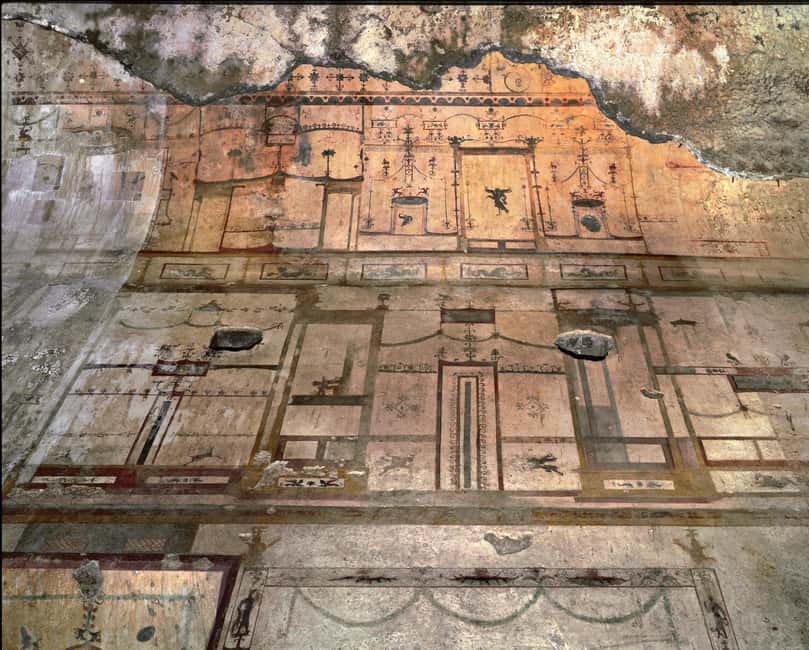
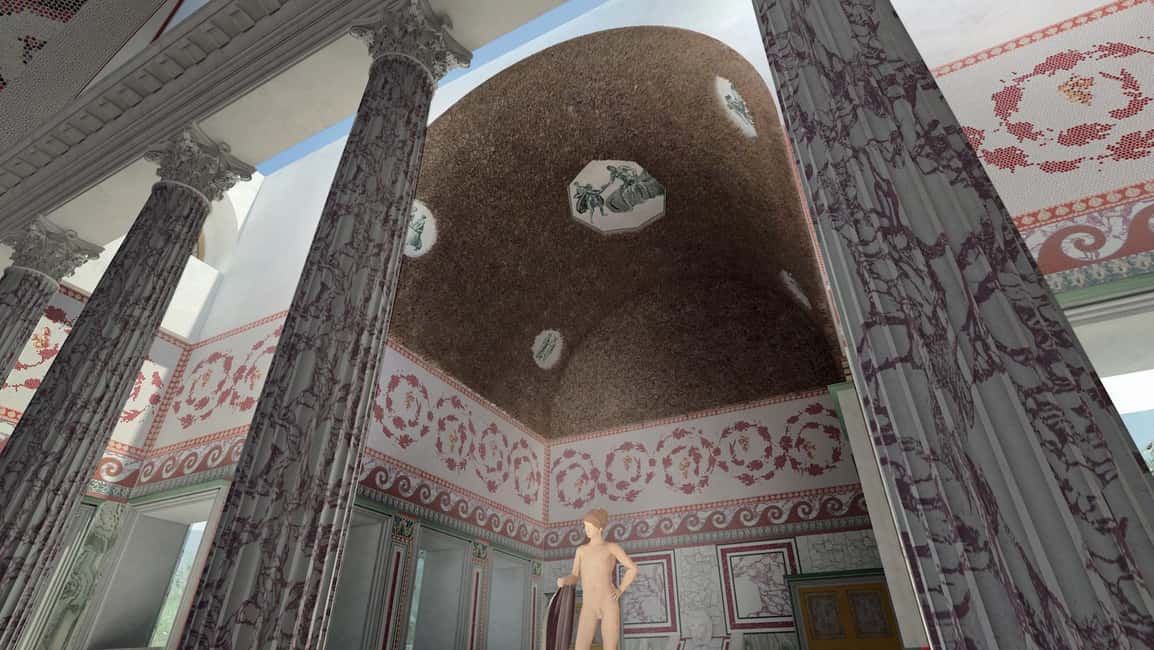
- Oculus VR in the Golden Vault: a short VR experience recreates Nero’s rooms as historians imagine them.
- A guided route with major set pieces: you’ll move through standout areas like the Octagonal Hall and Cryptoporticus.
- Concrete as a Roman building lesson: you’ll learn how the Domus used concrete in its construction.
- Nero’s mega-plan, explained clearly: the tour connects Palatine homes with the Esquiline gardens into one grand dynastic residence.
- Roman painting via the decorative apparatus: the site is highlighted for its standout wall decoration.
Meeting at Colosseo Metro: keep it simple, stay on time
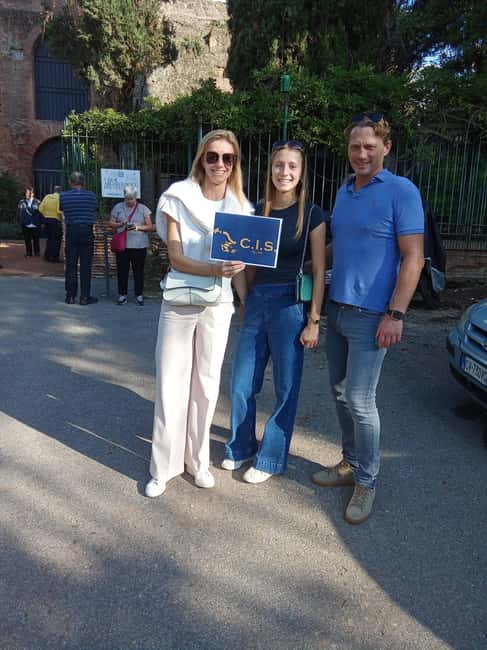
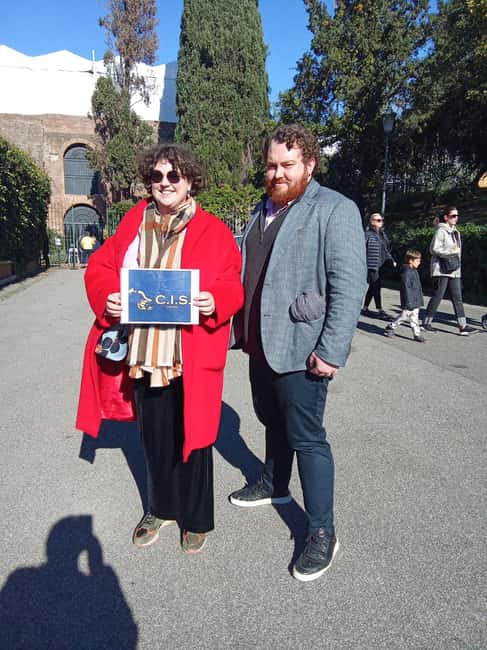
You start at the Colosseo metro area, meeting in front of the Colosseo metro station on the lower level at street level. Look for the staff member with a C.I.S Tours sign near the green kiosk.
Plan to arrive 20 minutes early. This isn’t just “good manners” timing—it matters because the tickets are nominative, meaning they’re tied to participant names. When you show up early, everything moves faster once the group is assembled.
You can also read our reviews of more guided tours in Rome


How the 70-minute Domus Aurea tour + Oculus VR fits together
The total experience runs about 1.5 hours, with 70 minutes devoted to the Domus Aurea guided tour. VR is integrated into the visit, so it’s not a separate add-on you do later somewhere else.
The big practical win: your ticket includes entry, the guided tour, and the VR experience. That means your money is going toward seeing the site plus the extra storytelling layer, not just paying for the right to stand in line.
You also get skip-the-ticket-line access. If you’re visiting Rome in peak season, that can save more time than you expect.
The Golden Vault in VR: what reconstruction adds to the ruins
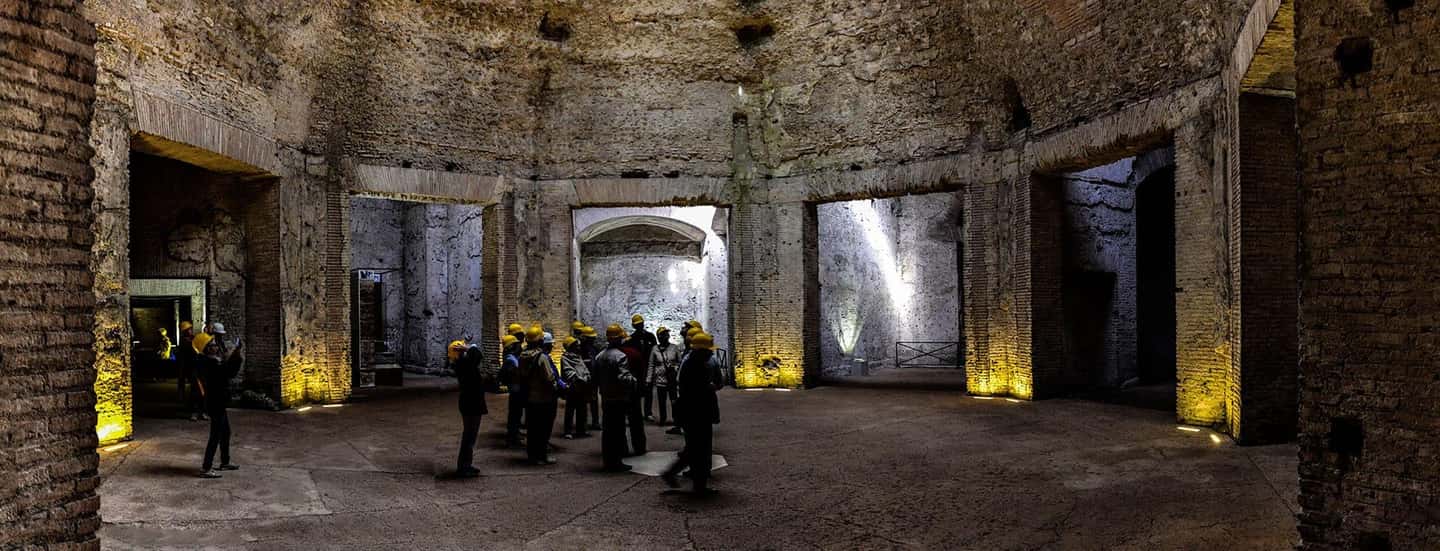
The heart of the experience is the VR presentation that places you in the setting of Nero’s Golden House. The goal is straightforward: you experience the room the way archaeologists and historians presume it once looked, rather than trying to guess from today’s fragments.
This is where the tour gets fun, because the VR isn’t just visuals—it’s part of a multisensory storytelling project designed to help you connect what you’re seeing in real life with what once filled the space. When you walk afterward, you’re not staring at empty walls. You’re comparing your physical surroundings with the reconstructed layout in your head.
Expect the VR moment to feel like a short time jump. Then you come back to the present and the guide ties it to what remains in the archaeological complex.
Octagonal Hall, Cryptoporticus, and Hall of Birds: three stops with different moods
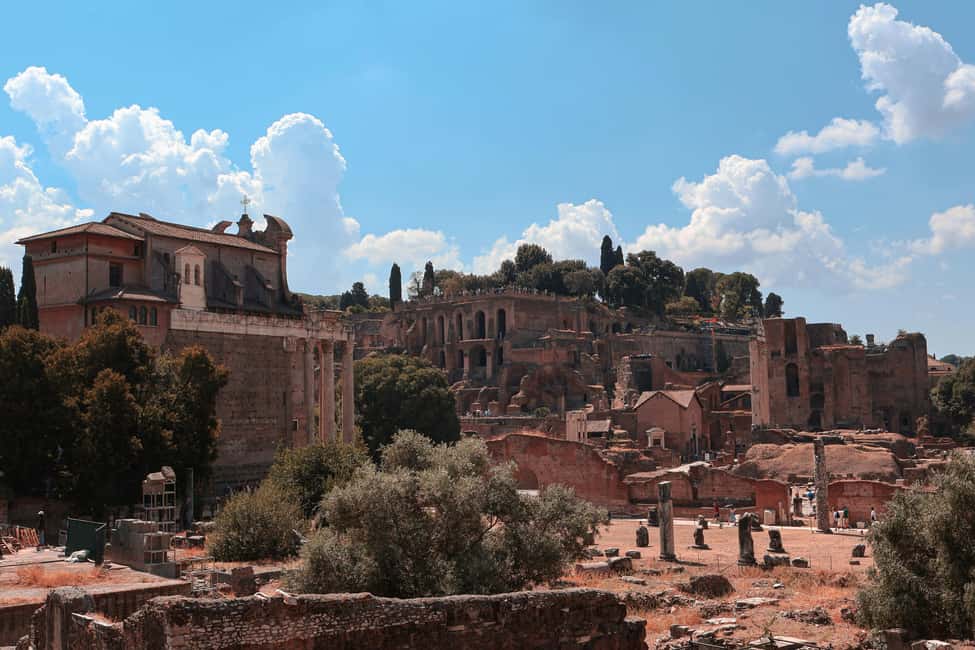
You won’t just drift through the Domus. You’ll hit several signature spaces that show different sides of Nero’s world.
Octagonal Hall: geometry as power
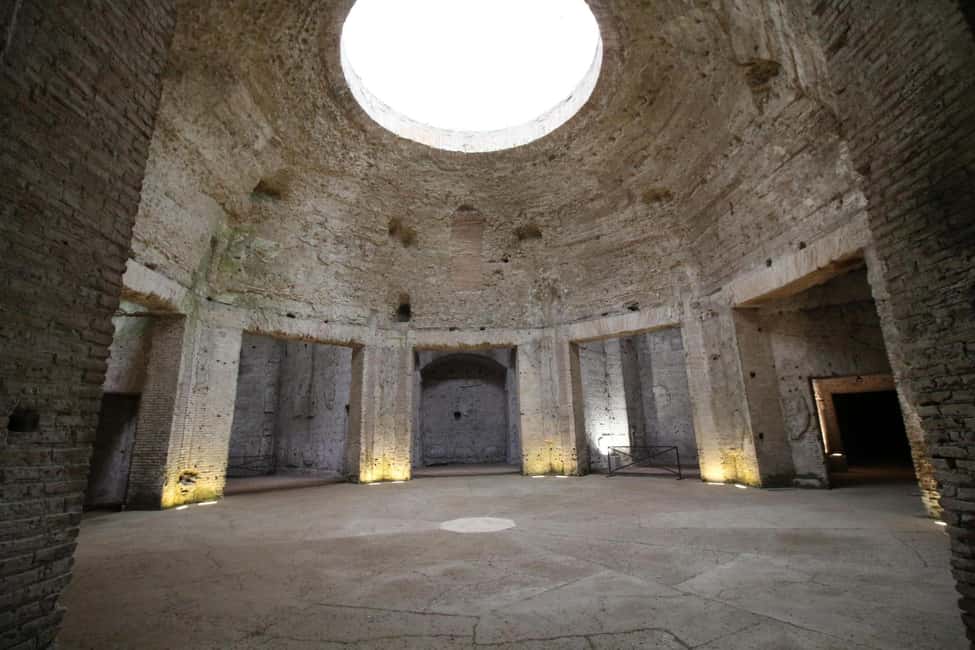
The Octagonal Hall is one of the places people remember because it signals “this isn’t a modest villa.” The shape and monumental feel help you grasp that Nero’s residence wasn’t built for quiet living. It was built for court life and display.




Cryptoporticus: the underworld corridor feeling
Next comes the Cryptoporticus, which gives you a more structural, enclosed sense of the palace. Even when you’re above ground elsewhere in Rome, this area helps you understand how the complex worked as a designed system, not random rooms scattered around a garden.
Hall of Birds: decoration that makes the past feel close
The Hall of Birds is a strong contrast to the more architectural spaces. The tour frames these decorative elements as part of the Domus’s famous decorative apparatus—one of the most interesting examples of Roman painting.
This is the stop where the tour’s focus on decoration clicks. You start to appreciate that Roman luxury wasn’t only about marble and views. It was also about wall surfaces and imagery doing the emotional work—making a room feel alive.
What Nero wanted: Palatine homes meet the Esquiline gardens
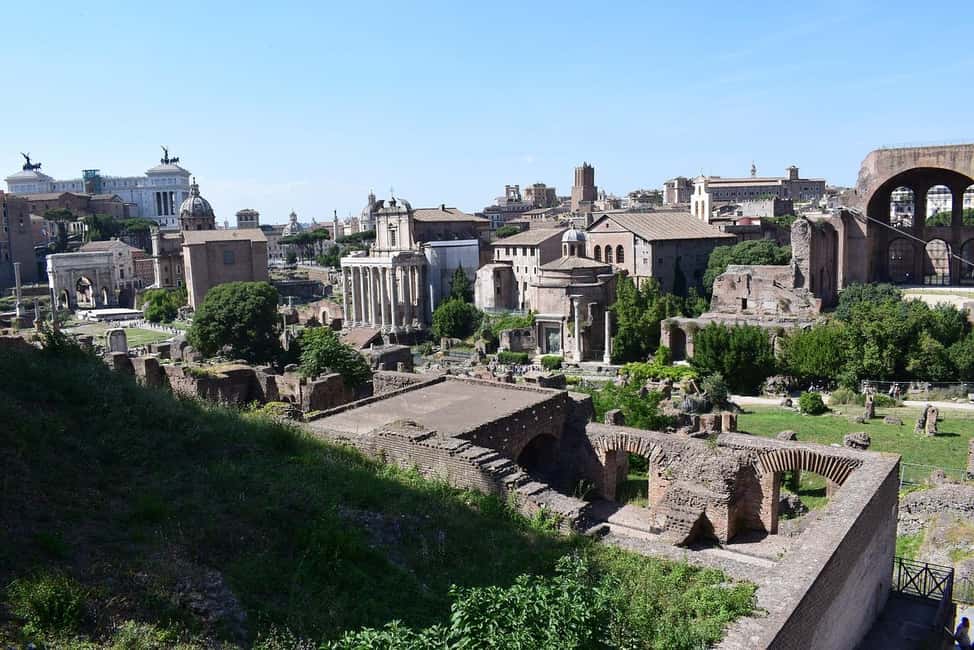
The Domus Aurea isn’t just a building. It’s a political statement. The tour explains Nero’s desire to unite palatine residences with the larger Esquiline gardens, creating a dynastic residence meant to rival major Hellenistic palaces.
That context matters because it changes how you read the site. Instead of seeing a “palace ruin,” you start seeing a controlled project: a place large enough for a court, with space for court life and productive activities.
If you like understanding motives behind architecture, this part is one of the most satisfying. It’s the difference between seeing what’s left and understanding why it was made.
Concrete in the Domus: why it matters beyond trivia
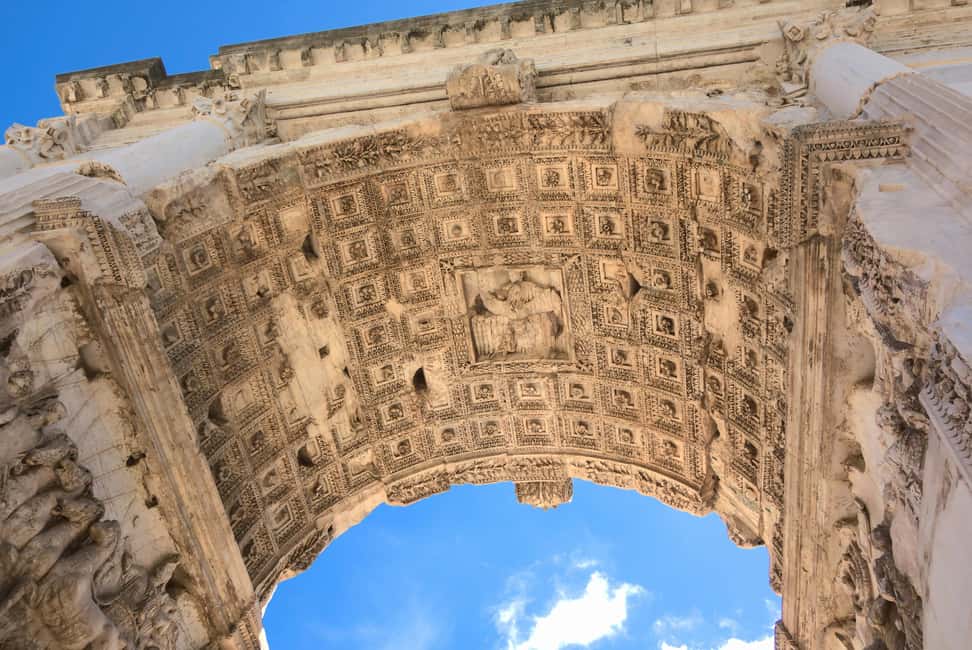
One of the standout educational themes is the Domus’s use of concrete as a building material. That’s not a random history fact. It’s a key to why the palace could achieve big forms and complex spaces.
When you learn how materials shaped what architects could build, you start noticing structural logic—how the complex might have supported those rooms and decorative programs at the scale the reconstructions suggest. It also makes the archaeological site feel more “engineering-driven,” not just artistic.
In practice, this is a good tour for people who love Roman history but also enjoy when the guide connects art and design to how something was physically possible.
Inside comfort: cold rooms, shoes, and what to bring
Inside the Domus, temperatures are around 10 degrees. Yes, even in Rome. So pack a jacket and treat this as a “layers” stop, not a fashion statement.
Wear comfortable shoes. You’ll be moving through an archaeological complex where footing and walking time add up quickly.
Bring an ID card or passport. Names are required because the tickets are nominative. For children, the same ID/passport rule applies.
Don’t bring food and drinks, and don’t bring luggage or large bags. Also note that unaccompanied minors aren’t allowed. If you’re traveling with family, plan accordingly so everyone can move smoothly through the meeting and entry process.
Audio, languages, and the hearing reality in Domus Aurea
The tour includes an audio guide in Italian, English, French, and Spanish, and the live guide is available in those same languages. So language support is built into the experience, which is great if you’re traveling with mixed preferences.
There’s one practical note worth taking seriously: the acoustic conditions can be tricky in parts of the Domus, so if you find it hard to catch every word, lean on the audio guide. That combination can save you from the frustrating half-heard sentence problem.
If you get a guide like Claudia, who was noted for clear, helpful answering of questions, you’ll probably leave with more detail than you expected—especially because there’s time for explanations tied to what you’re seeing.
Value check: is $67 worth it?
At $67 per person for a 1.5-hour experience, you’re paying for more than entry. You’re getting:
- the Domus Aurea ticket
- a guided tour
- the Oculus VR experience
- all taxes and fees
That mix matters. If you were buying only general admission, you might still see the ruins—but the VR reconstruction and structured guide turn the stop into a story you can follow. In other words, the money buys interpretation, not just access.
So I’d treat this as a “best ROI if you want meaning” activity. If your plan is to do Domus Aurea anyway and you like learning while you look, this format tends to justify the price.
Who should book this tour (and who should skip)
This works best if you want history plus technology, and you enjoy seeing how reconstructions connect to real archaeological spaces. The tour is especially good if you’re the type who likes answers, because the guide’s explanations are part of the point.
Skip it if any of these apply:
- Mobility impairments: it’s not suitable.
- Wheelchair users: not suitable.
- Claustrophobia: not suitable, since parts of the experience can feel tight and enclosed.
- Anyone planning to spend the visit eating on the go: food and drinks aren’t allowed.
If you’re traveling with someone who might feel uncomfortable in enclosed spaces, it’s worth having that conversation before committing.
Should you book Domus Aurea with VR?
I’d book it if you want to understand Nero’s Golden House in a way that normal viewing can’t easily deliver. The VR segment gives your brain a map, and the guided route gives that map meaning—especially at the Octagonal Hall, the Cryptoporticus, and the Hall of Birds.
I’d think twice if you’re sensitive to tight spaces or you hate feeling confined, because this tour isn’t designed for claustrophobia. And do take the cold seriously: bringing a jacket turns the visit from stressful to manageable.
If you want a Roman site that uses modern tools to help you read the past, this is one of the better ways to spend 1.5 hours in Rome.
FAQ
Where is the meeting point?
Meet in front of the Colosseo metro station (lower floor at street level) near the green kiosk. Look for staff with the C.I.S Tours sign.
What time should I arrive?
Arrive 20 minutes before the booked activity start time.
How long is the experience?
The experience is about 1.5 hours total, with 70 minutes for the Domus Aurea guided tour.
What does the price include?
It includes the Domus Aurea ticket, the guided tour, the Oculus VR experience, and all taxes and fees.
Is there a skip-the-line benefit?
Yes. The tour includes skip the ticket line access.
What languages are available?
Live guide and audio guide are available in Italian, English, French, and Spanish.
Is the tour suitable for wheelchair users or mobility impairments?
No. It’s not suitable for people with mobility impairments or for wheelchair users.
What about claustrophobia?
It is not suitable for people with claustrophobia.
What should I bring and wear?
Bring an ID card or passport, wear comfortable shoes, and bring a jacket. Inside the Domus, the temperature is around 10 degrees.
Are food, drinks, and large bags allowed?
No. Food and drinks aren’t allowed, and luggage or large bags aren’t allowed.
What is the cancellation policy?
You can cancel up to 3 days in advance for a 60% refund.