REVIEW · ROME
Rome: Domus Aurea Tour with Virtual Reality Experience
Book on GetYourGuide →Operated by Open Mind Tours · Bookable on GetYourGuide
Nero’s palace, rebuilt in your head. You’ll see Rome’s biggest active archaeological site in real stone and frescoes, then watch key spaces come back through 3D virtual reality at the Domus Aurea.
I especially loved how the guide turns Nero from a cartoon villain into a real person—using the fresco scenes, the architecture, and the story around the fire of 64 AD. I also like that you get a focused route through frescoed halls and vaulted corridors, including the newly reopened west wing, instead of wandering and hoping you understand what you’re looking at.
One thing to plan for: entry timing can feel fussy. Your meeting place is outside, you wait for the guide with an Open Mind Tours sign, and the actual Domus entrance can be at least 20 minutes after the scheduled presentation.
In This Review
- Key things you’ll care about
- Meeting at Domus Aurea: Skip the Line, Don’t Skip the Sign
- The Outside Intro: Nero Without the Hollywood Script
- 105 Minutes Inside: Frescoes, Vaults, and Those High Alleys
- The Newly Reopened West Wing: Where the Site Feels Most Alive
- VR Peak: The Golden Palace in 3D (And Why Seated Matters)
- The Fire of 64 AD and Nero’s Real Moves After Disaster
- Nero’s Lake, the Lake Replaced, and Rome’s Cycle of Forgetting
- How to Prepare: Shoes, Jacket, and What You Can’t Bring
- Guide Quality Really Changes the Feel
- Who This Tour Is For (and Who Might Prefer Another Plan)
- Should You Book the Domus Aurea with VR Tour?
- FAQ
- How long is the Domus Aurea tour with virtual reality?
- Is it skip-the-line entry?
- Is the tour in English?
- Where do I meet the guide?
- What should I bring?
- What items are not allowed?
- Is the tour suitable for wheelchair users or mobility impairments?
- Can I cancel for a full refund?
Key things you’ll care about
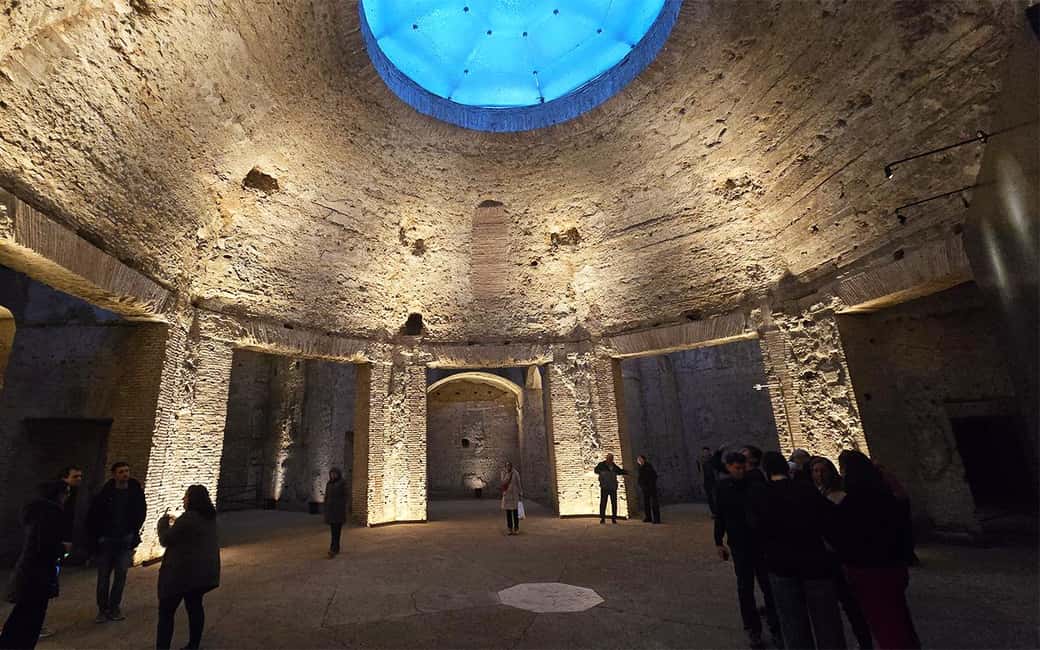
- Reopened west wing access with vaulted rooms and restored wall painting that looks nothing like a museum storage space
- Fresco storytelling that links Nero’s tastes and personality to the odd, expressive figures you’ll see on the walls
- VR seated highlight that reconstructs major spaces, including the Golden Palace areas, in 3D
- Myth-busting on the fire of 64 AD, plus the real sequence that follows for Nero and Rome
- A rare, low-crowd feeling compared with the usual Rome hit-list, since this site is special and controlled
- Two-stage guiding flow (an outside intro and an in-site tour), which can be great—or occasionally a bit redundant, depending on how your guide paces it
Meeting at Domus Aurea: Skip the Line, Don’t Skip the Sign
This tour runs on a tight “show up, check in, then enter” rhythm. Your GetYourGuide voucher is not the entry ticket—your guide has that part. Stand outside with the Open Mind Tours sign and wait for your group to be confirmed before you go in.
Timing matters. The scheduled outside presentation is not the same moment as your Domus entry. In practical terms, build in slack so you’re not stressed when you’re still standing outside while others stream toward other entrances.
Also note the basics you’ll want to have ready: comfortable shoes, and a jacket. The Domus can be cooler than you expect once you’re inside, especially if you’re doing this in shoulder season or summer nights.
You can also read our reviews of more tours and experiences in Rome.

The Outside Intro: Nero Without the Hollywood Script
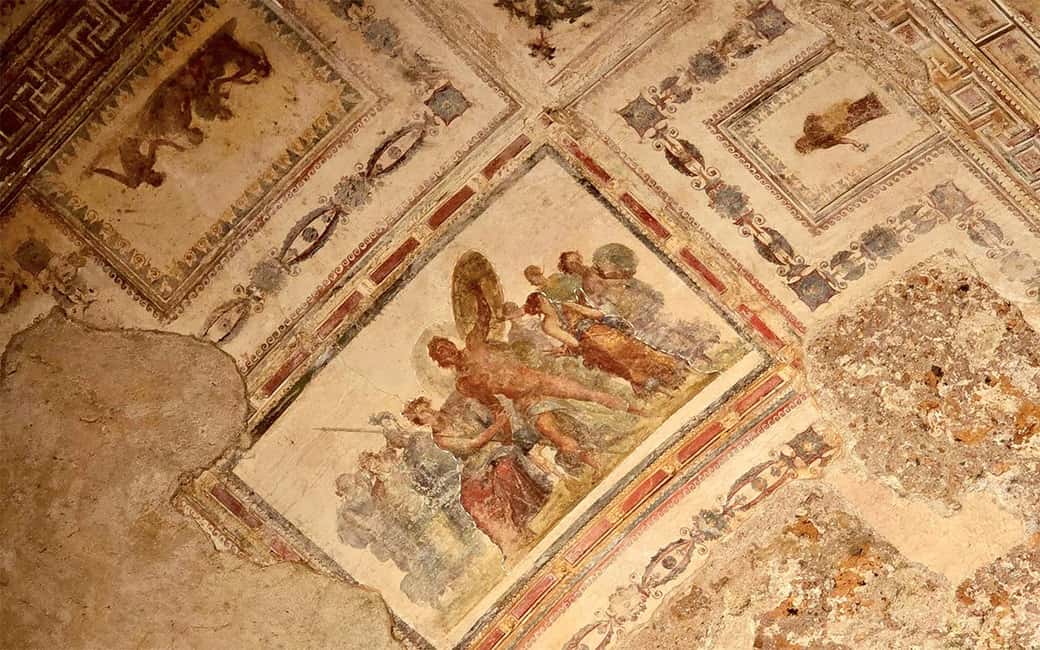
Before you step into the archaeology, you get a talk that frames what you’re about to see. This part is where the guide helps you understand Nero beyond the pop-culture headlines. Some guides even make light work of the fictional Nero image people carry in their heads, so the real man doesn’t feel like a lecture topic.
What I like about this intro is that it gives you a lens. You’re told to pay attention to the bizarre figures in frescoes as more than random decoration. They connect to Nero’s eccentric tastes and sharp intellect—plus the architectural plan of the palace itself.
In guides you may encounter, names show up again and again in the way people describe the experience: Rosario is cited for a strong welcome and a clear explanation of how the palace was built, and Linda gets praise for making a complex site understandable. Yev is also mentioned for having so many details in his talk that it sticks in your memory after the tour ends.
105 Minutes Inside: Frescoes, Vaults, and Those High Alleys
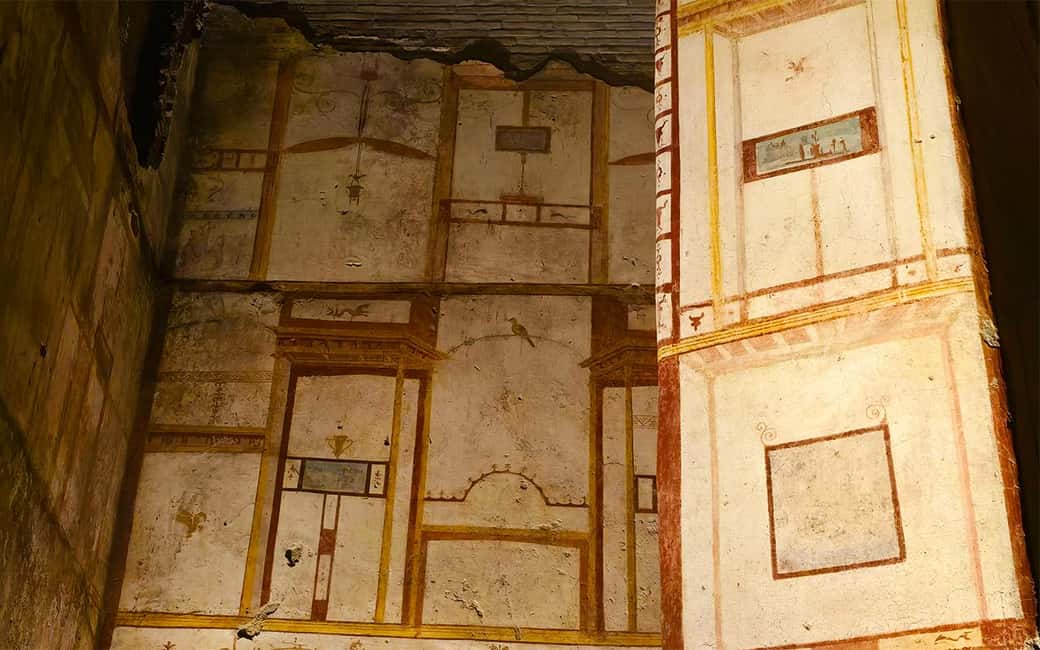
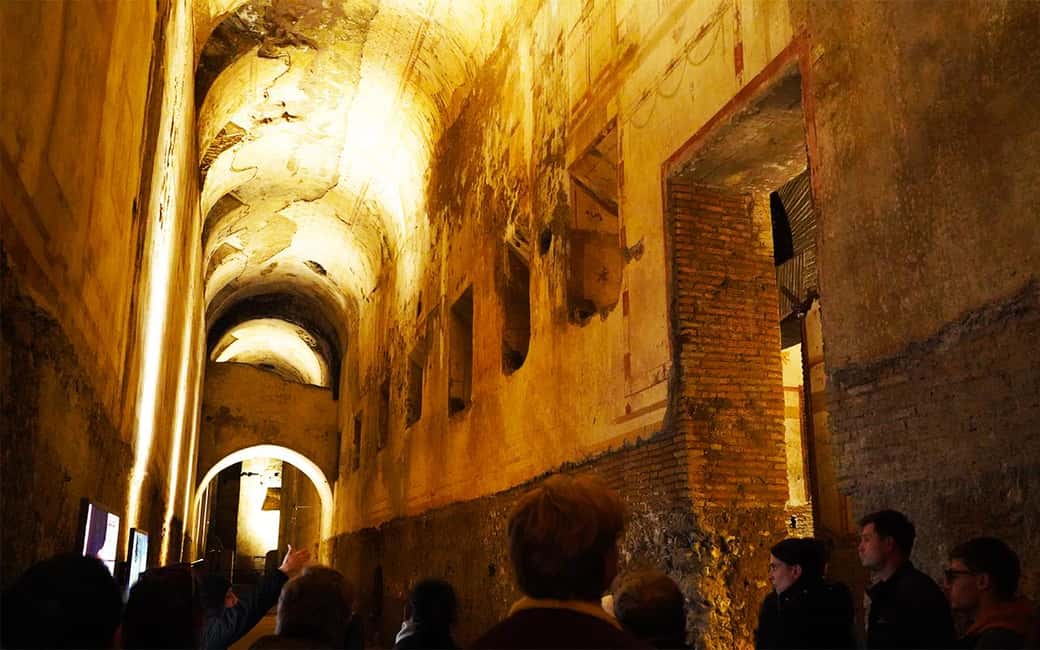
Once you’re in, the pace shifts from explanation to walking. You’ll move through 30 frescoed halls and corridors that feel engineered for spectacle. The ceilings and walls are not flat “gallery surfaces.” They’re vaulted, layered, and built to guide your eye.
Here’s what you should watch for as you go:
- Frescoes that look strange until you understand the personality story behind them
- Long views down hallways that feel staged, like you’re moving through a designed world
- The way the palace layout changes the mood—rooms open up, then narrow again, so the “flow” matters
You’ll also hear context on how the Golden House relates to the rest of imperial Rome. The site wasn’t just a fancy home. It’s part politics, part propaganda, part personal escape.
One practical note: in a space like this, you can’t count on being able to read every detail at your own pace. If you’re near the back or in a group that spreads out, you’ll rely more on the guide’s voice than on signage.
The Newly Reopened West Wing: Where the Site Feels Most Alive
The tour’s big “newish” upgrade is access to the west wing, which has been reopened. That matters because it changes the feeling of the walk. If you’ve only seen older photos, you may expect the Domus to look like a partly covered ruin. Instead, this wing helps you picture the palace as a functioning, decorated complex.
Inside the west wing you’ll see vaulted rooms and stunning hallways with frescoes described as properly restored. You’ll also be told how light would have worked—using the porticoes, fountains, and gardens outside to create delicate beams of illumination inside the rooms.
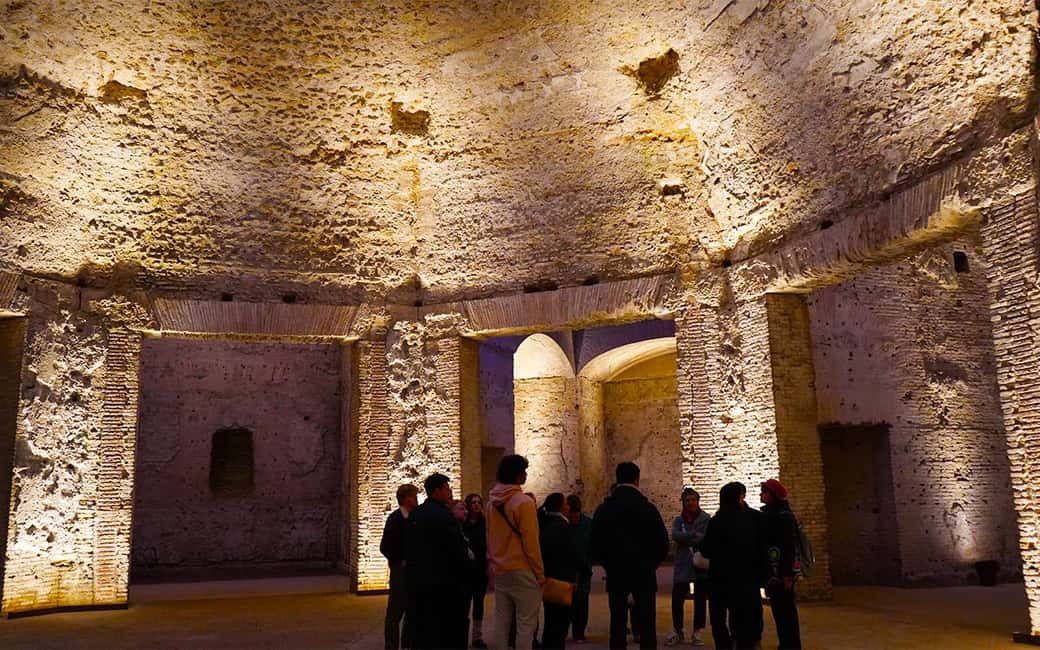
The standout room people often talk about is the octagonal space, where there’s talk of a rotating ceiling. Even if you can’t verify every mechanical detail in person, the point is clear: this was built for theatrical effect, not practical living.
And yes, you’ll cover more ground than you might expect. The Domus Aurea is large, and part of the fun is realizing it’s bigger than the quick headline photos suggest.
VR Peak: The Golden Palace in 3D (And Why Seated Matters)
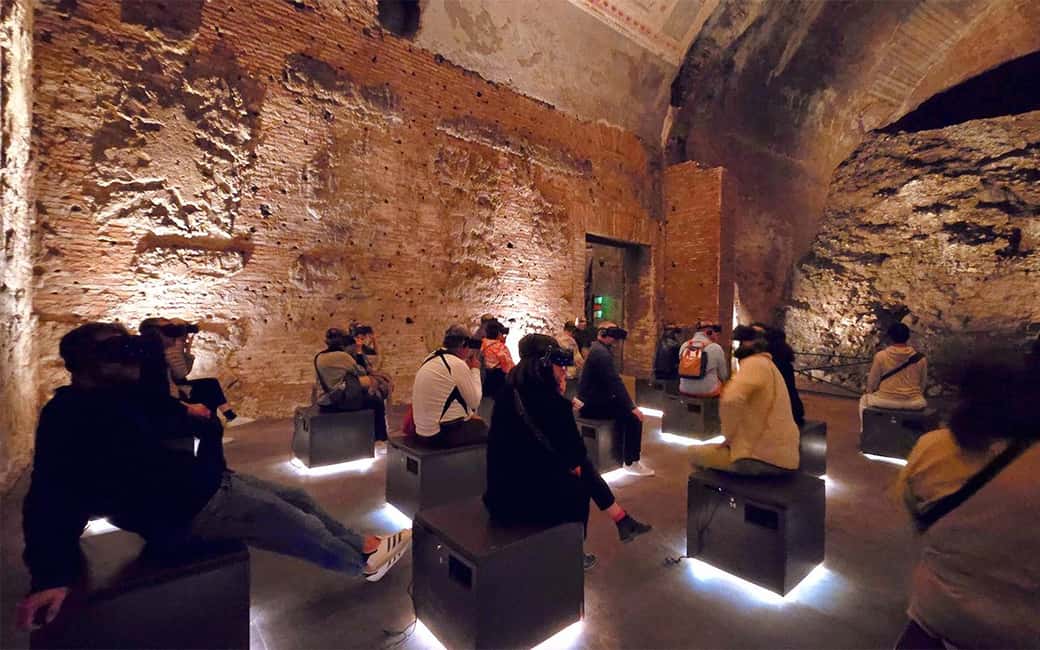
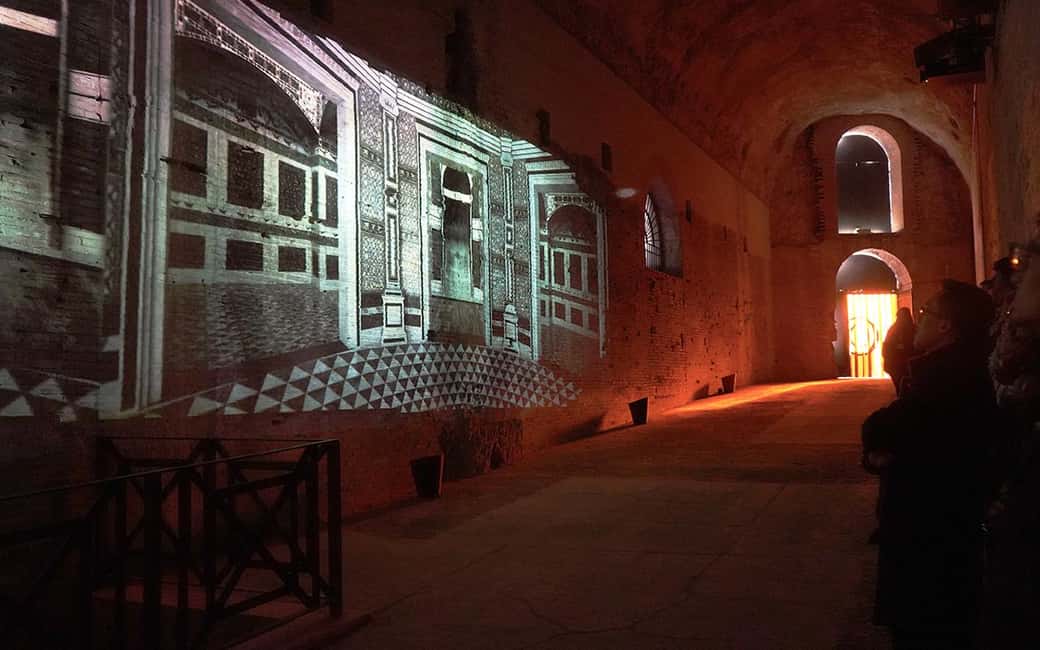
After you’ve built the basic mental map of the palace, you hit the 3D virtual reality reconstruction—the peak moment. It’s described as a virtual reconstruction of the halls, plus an outside lavish portico connected to the palace.
This isn’t just “cool tech.” The value is in comparison. You look at the real remains first, then you see what those spaces would have looked like in Nero’s time. It helps you connect what your eyes catch (shapes, paint fragments, room proportions) with what your brain struggles to imagine (the complete room).
Your time in the VR part is seated. That’s a relief in the Roman summer heat and also helps your viewing angle. One smart tip: during VR, look around in every direction. People specifically recommend doing that, because the scene rewards head movement—you’ll catch details that you might miss if you treat it like a straight-ahead film.



The Fire of 64 AD and Nero’s Real Moves After Disaster
A lot of Nero stories in popular culture skip the messy middle. This tour fills it in.
You’ll hear the myth-busting version of the great fire of July 64 AD. The explanation you get is that Nero was not behind the disaster. At the time, he was at his seaside villa outside Rome. That detail alone changes how you read the rest of the Nero story.
Then the guide connects disaster to policy. After the fire, Nero is said to have acted in real ways:
- Opening his gardens to shelter the homeless
- Distributing essential goods
- Lowering the price of grain
- Introducing urban planning rules to reduce the chance of similar disasters
You’ll also get specifics on the kinds of changes discussed, like building spacing and moving away from wood toward stone and bricks. It’s a reminder that even an emperor with a terrible reputation could still behave in ways that look rational in a crisis.
And yet, the political damage sticks. The tour frames how accusations grew—Nero delays rescue efforts, insufficient funding for reconstruction—and how that pressure fed the fall of his popularity.
Nero’s Lake, the Lake Replaced, and Rome’s Cycle of Forgetting
The Domus Aurea isn’t only about paint and rooms. It’s about power and how Rome deals with it afterward.
As the story goes, Nero used the destroyed areas to expand his palace on the Palatine Hill. At the heart of the complex, he built a private oasis with a lake—an art-and-pleasure retreat away from the political noise.
Then comes the shift. Nero takes his own life in June 68 AD, as the story is told here. The next emperor, Vespasian, builds the Colosseum in place of Nero’s lake. It’s a political signal, turning private luxury into public spectacle.
Later, about fifty years on, Trajan buries the Golden House under an immense bath complex. The Domus Aurea falls into oblivion for nearly 1,500 years. Then Renaissance artists rediscover it, and from there starts the long cultural recovery of ancient Rome’s forgotten heritage.
That arc is one of the reasons I think this tour feels different from the usual “see a site, take a photo, move on.” You leave with a sense of cause and effect: you’re watching Rome erase and rewrite itself.
How to Prepare: Shoes, Jacket, and What You Can’t Bring
Plan for practical constraints. This is an archaeology site with rules, and the tour expects you to follow them closely.
Bring:
- Comfortable shoes
- A jacket
Not allowed:
- Weapons or sharp objects
- Luggage or large bags
- Drones
- Pets (assistance dogs allowed)
- Selfie sticks
- Professional cameras, tripods
- Sprays or aerosols
- Glass objects
Also, this tour isn’t suitable for people with mobility impairments or wheelchair users. If you’re in that category, it’s best to look for other Rome options that are designed with access in mind.
Guide Quality Really Changes the Feel
One consistent theme in the way people describe this experience is that the guides can make or break your understanding. When it clicks, you walk out feeling like you saw a palace, not just some walls with old paint.
Names that come up in standout ways include:
- Rosario, for a clear welcome outside and strong technical explanation tied to how the palace was constructed
- Linda, for extensive explanation that makes a complex site manageable
- Yev, described as extraordinary in detail and delivery
- Alexei and Laura, noted for enthusiastic framing before you move inside and for explanations of discovery and excavation
That said, there are also small complaints that matter to you. For example, some people felt the outside pre-talk wasn’t necessary because the in-Domus guide was doing such a strong job, and one person flagged late arrival and an equipment issue during the outside intro. Translation: if you’re someone who hates waiting, show up early and be flexible.
Who This Tour Is For (and Who Might Prefer Another Plan)
If you like Roman history but get tired of generic storytelling, this is a good match. You’ll get a tighter narrative: Nero’s personality, the palace design, the fire of 64 AD, then the political fallout and what replaces it.
This also works well if you’re an “architecture and materials” person. One reviewer, a builder in heavy construction, described being fascinated by ancient systems, materials, and preserved artwork—and the VR part helped them visualize the past magnificence.
You’ll probably enjoy it most if:
- You want a guided route through a complex site
- You like seeing how reconstructions change what you think you’re looking at
- You’re okay with some rules and a controlled pace
If you hate any kind of waiting, or you want a slow, DIY wander with lots of quiet time to read, you might find the structure limiting.
Should You Book the Domus Aurea with VR Tour?
I’d book it if you want the Domus Aurea experience with the “missing pieces” filled in. The combination of real halls, the reopened west wing, and the 3D Golden Palace reconstruction is what turns this from a cool archaeological visit into a story you can actually follow.
Two quick final checks before you commit:
- Confirm you can handle the site rules and the walking involved.
- If meeting point clarity is a concern for you, plan extra time to find the Open Mind Tours sign and stay calm while the entrance timing catches up.
FAQ
How long is the Domus Aurea tour with virtual reality?
The experience lasts about 2 hours, with the guided portion inside running for 105 minutes.
Is it skip-the-line entry?
Yes. You use a separate entrance to skip the line.
Is the tour in English?
The live tour guide is English.
Where do I meet the guide?
Meet outside Domus Aurea and look for the Open Mind Tours sign. Your voucher is not the entry ticket; the guide has the tickets. The entrance to the Domus can be at least 20 minutes after the scheduled outside presentation.
What should I bring?
Bring comfortable shoes and a jacket.
What items are not allowed?
Weapons or sharp objects, luggage or large bags, drones, pets (assistance dogs allowed), selfie sticks, professional cameras, tripods, and sprays or aerosols are not allowed. Glass objects are also not allowed.
Is the tour suitable for wheelchair users or mobility impairments?
No. It is not suitable for people with mobility impairments or wheelchair users.
Can I cancel for a full refund?
Free cancellation is available up to 3 days in advance for a full refund.