REVIEW · ROME
Rome: Early Vatican Museums & Sistine Chapel Tour
Book on GetYourGuide →Operated by Tourismotion · Bookable on GetYourGuide
Morning in the Vatican feels like cheat code. This early-access Vatican Museums tour gets you in as early as 8 am with a guided walk through the collections, leading to Michelangelo’s Sistine Chapel when it’s still possible to think. I especially love having a professional English-speaking guide narrating the big moments, because you spend less time guessing what you’re looking at.
One possible drawback: the whole experience is only 3 hours, so it’s an overview, not a slow gallery day. Even with early entry, you can still feel the Vatican’s crowd energy later in the route.
In This Review
- Key things I think you’ll care about
- Early morning entry from Via Tunisi 4: the part that saves your day
- The 3-hour Vatican pace: an overview that still feels meaningful
- Cortile del Belvedere: where the Vatican vibe sets in
- Vatican Museums highlights: Laocoön Group and Belvedere Torso
- Gallery of Maps: 16th-century cartography that makes Italy feel real
- Gallery of Tapestries: a softer moment in the middle of the museum push
- From museum corridors to the Sistine Chapel: silence, then Creation of Adam
- What you get for $108.70: early access plus real guidance
- Who this tour suits best (and who should consider another option)
- My practical advice before you go
- Should you book the Early Vatican Museums & Sistine Chapel Tour?
- FAQ
- What time does the tour start?
- Where do I meet the guide?
- What is included in the price?
- Is entry to St. Peter’s Basilica included?
- What should I bring?
- Is this tour suitable for wheelchair users?
Key things I think you’ll care about
- Skip the long ticket lines via a separate entrance, using early access starting around 8 am
- Sistine Chapel with less chaos, plus guide commentary while you can enjoy the required quiet
- Real art anchors, like the Greco-Roman highlights including the Laocoön Group and Belvedere Torso
- Gallery of Maps with 16th-century cartography focused on Italy’s regions
- Earphones to keep the guide’s explanations clear in large rooms
- A tight timeline that finishes after the Sistine Chapel visit, not with extra time at St. Peter’s Basilica
Early morning entry from Via Tunisi 4: the part that saves your day
The meeting point is Via Tunisi 4, on the pedestrian street by the Vatican Museums entrance. Look for the sign that says Tourismotion, and don’t play games with timing. I’d arrive 15 minutes early because meeting the group smoothly beats spending your first Vatican minutes wandering in circles.
This tour’s real value starts before you even see a fresco. You skip the long ticket lines using a separate entrance, and you get that crucial head start before the day-trippers flood in. That means you’re more likely to have space to look, read, and actually absorb what’s in front of you.
Also note the “small but important” rules that affect your comfort: no luggage or large bags, and no backpacks. Bring what you can carry easily, and plan for airport-level security vibes. If you’re trying to travel light (most people should), this format fits.
You can also read our reviews of more museum experiences in Rome
The 3-hour Vatican pace: an overview that still feels meaningful
A 3-hour Vatican Museums & Sistine Chapel tour is not “see everything.” It’s “see the essentials with context,” and that’s a different mission. You’ll move through major rooms and galleries with a guide, using earphones so you can hear the story even when crowds tighten up.
Here’s what I like about this pace: it’s long enough to cover high-impact stops—Greco-Roman sculpture highlights, the Gallery of Maps, and the Sistine Chapel—without turning into a half-day slog. You start early, then Rome is still yours for the rest of the day. Many people book this when they want art in the morning and sightseeing elsewhere later.
Here’s the tradeoff. Several people point out that, because time is limited, it can feel a bit rushed and some big pieces get less time than you’d like. If you’re the type who wants to linger on one masterwork until your brain stops working, you might find yourself wishing for more minutes. But if you want momentum plus guidance, this timing is usually a smart fit.
Cortile del Belvedere: where the Vatican vibe sets in
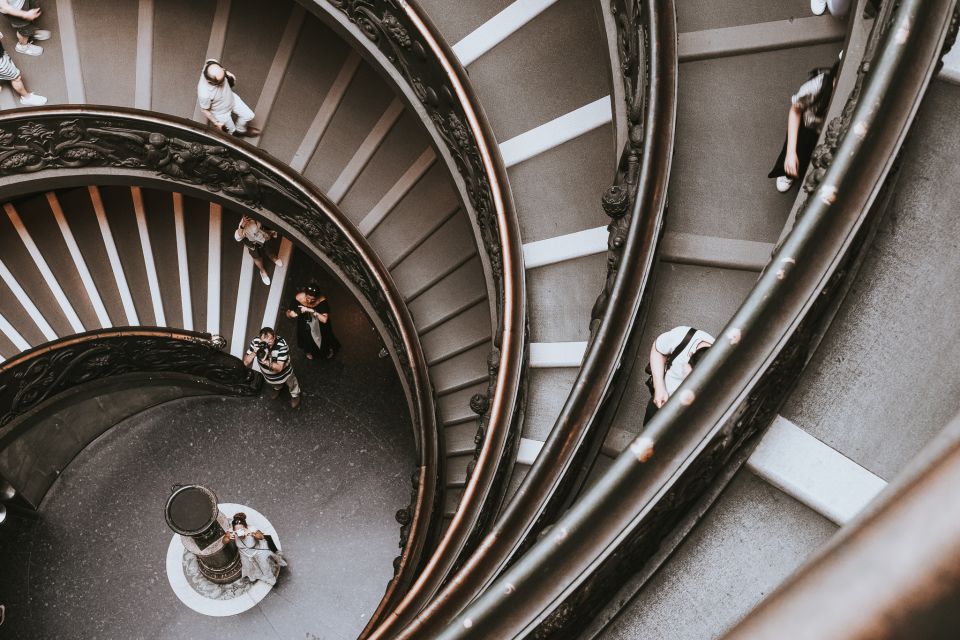
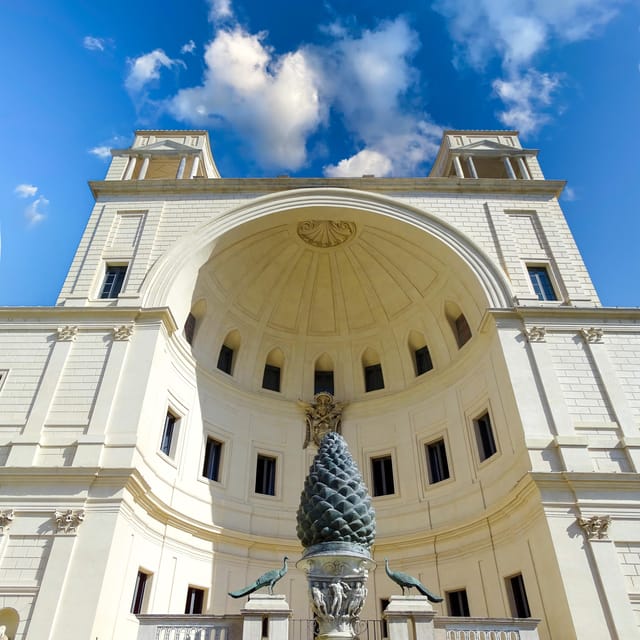
Before you hit the museum galleries, you go through Cortile del Belvedere. This stop matters because it’s a transition point: you shift from arriving-mode to art-viewing-mode.
It’s also a nice “breather moment” in the route. You get to settle in, listen to your guide, and get oriented before the museums start stacking up masterpieces on top of each other. In a place this massive, orientation is more than comfort—it helps you understand what you’re seeing later.
If you’re worried about getting overwhelmed once you’re inside, this kind of early framing helps. Your guide can point out what to expect and how to look for the details you might otherwise miss.
Vatican Museums highlights: Laocoön Group and Belvedere Torso
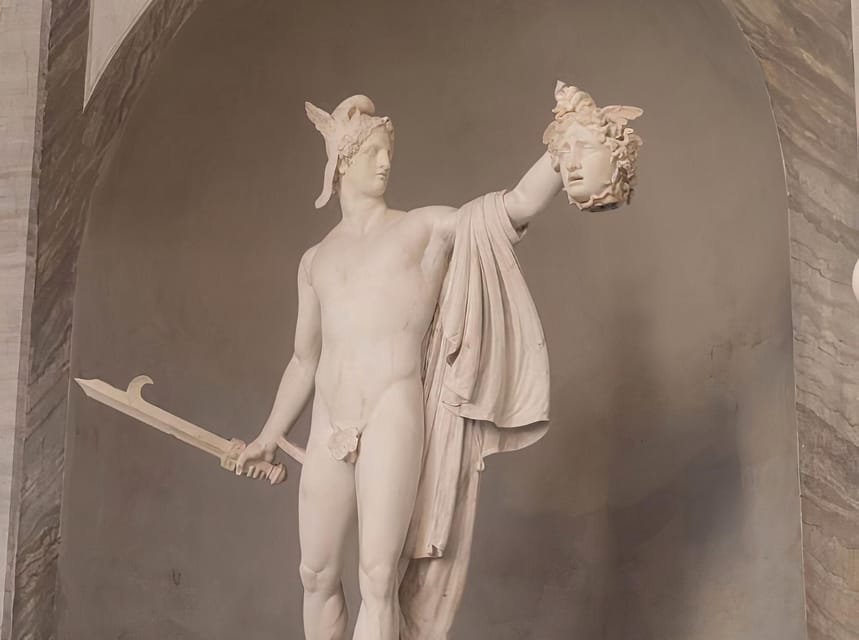
The route through the Vatican Museums isn’t random. It’s designed around standout artistic turning points—especially where classical antiquity fed Renaissance genius.
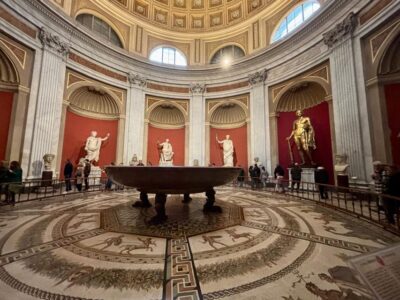
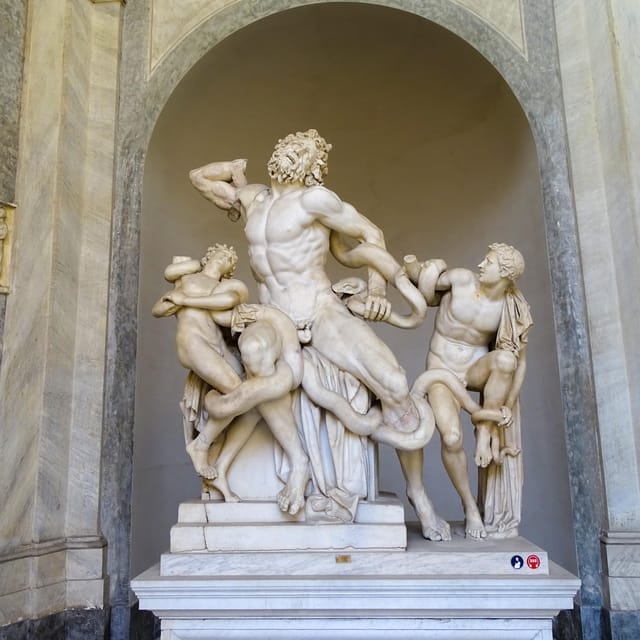
One of the big stops is the Greco-Roman section, where you’ll see famous sculpture anchors like the Laocoön Group and the Belvedere Torso. These aren’t just “nice statues.” They’re reminders that artists didn’t start from scratch in the Renaissance—they studied ancient forms, proportions, and expressions.
- Laocoön Group: you’re shown a dramatic moment of conflict, the kind of carving where emotion is part of the composition.
- Belvedere Torso: a cornerstone of Renaissance inspiration, often treated as a model for how the body can look strong, balanced, and alive even when the subject is gone.
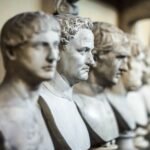
Your guide also helps you connect dots between lifelike depictions of emperors and gods and the way those images influenced centuries of art. That’s where a guided format becomes worth it. Without context, you might see “a lot of statues.” With context, you start seeing how the Vatican’s collection shaped European art history.
Gallery of Maps: 16th-century cartography that makes Italy feel real
After the sculpture and classical rooms, you’ll reach the Gallery of Maps. This is where the Vatican surprises people. You might expect walls full of religion and paintings—then you find 16th-century cartography that brings Italy’s regions into view with remarkable detail.
What I like about this stop is pacing. The maps are a different kind of visual experience. They give your eyes a break from figures and faces and let you read, compare, and imagine where these places sit and how they relate.
It also helps your Roman day planning. Even if you’ve already picked neighborhoods and museums for later, this kind of “Italy overview” makes the country feel less abstract. It’s a useful mental reset.


Gallery of Tapestries: a softer moment in the middle of the museum push
Your itinerary includes the Gallery of Tapestries, and this stop is best thought of as a change of texture. Instead of sculptures and paintings, you get wall-to-wall textile art, with a different visual rhythm.
Because the tour is paced for efficiency, don’t expect deep “stand here for 45 minutes” time. But it’s still a worthwhile waypoint because it breaks up the intensity of the museum flow. And since you’re guided, you’re less likely to treat it like background decoration.
If you love variety—different art media, different styles—this stop helps the day feel less one-note.
From museum corridors to the Sistine Chapel: silence, then Creation of Adam
Now for the reason most people book this. After the museums route and the intermediate stops, you follow an exclusive path that leads directly to the Sistine Chapel.
Inside, silence is required. That rule changes the mood instantly. Instead of loud crowd energy bouncing off walls, you get the kind of quiet where your eyes can focus on the fresco details without constantly getting interrupted.
Your guide’s commentary is built for this moment: technique, symbolism, and the spiritual meaning behind what you’re seeing. You’ll also see major works like Michelangelo’s The Creation of Adam, one of the most iconic images in the world. Even if you’ve seen it in postcards, there’s a big difference between a small printed version and standing in the real space.
This is also where the early start pays off. Even though you still have a crowd, an early entry plan generally means you’re walking in before the absolute peak crush. You spend time in the chapel with fewer bottlenecks and less time spent waiting.
What you get for $108.70: early access plus real guidance
At $108.70 per person, this tour is priced for convenience. You’re paying for a few things that are hard to replicate on your own at the last minute:
- Early access to the Vatican Museums, including entry as early as 8 am
- Skip-the-line logistics via a separate entrance
- A professional English-speaking guide who connects what you’re seeing
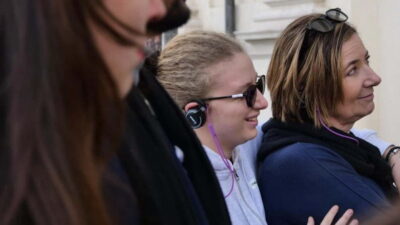
- Earphones so you don’t strain to hear explanations in crowded rooms
- Access to the Sistine Chapel itself
The value depends on your travel style. If you hate waiting and you want a structured route through highlights, the price can feel fair fast. If you want to wander freely for hours and you don’t mind figuring things out alone, you might feel you’re paying for structure you could skip.
One other point: St. Peter’s Basilica entry isn’t included. That’s not a flaw, just a boundary. You’ll end after the Sistine Chapel visit, and if you want basilica time, you’ll need to plan it separately.
Who this tour suits best (and who should consider another option)
This is a strong match if you’re:
- Visiting Rome for a short time and want Vatican Museums + Sistine Chapel in one morning block
- The kind of person who appreciates context while you look at art
- Wanting to make Rome stretch beyond a single site by finishing early
A key limitation: this tour is not suitable for people with mobility impairments and not suitable for wheelchair users. Also, you should expect a route where moving through large indoor spaces is part of the deal.
If you’re coming with kids, you’ll need IDs for children (passport or ID card), and you should plan for the no-backpack/no-large-bag rule. If your family’s pace is slow and you hate rushing, this 3-hour format might feel tight.
My practical advice before you go
A few small moves can turn this into a smooth experience:
- Bring passport or ID card for everyone in your group.
- Plan to travel light. No luggage or backpacks keeps things easier at security.
- Arrive early at Via Tunisi 4 and find the Tourismotion sign near the Vatican Museums entrance area. One practical tip: the sign can be easy to miss if you’re not close to it, so scan the area instead of guessing from far away.
- If it’s hot, bring water if you can. One visitor specifically noted the museum felt hot and stuffy and that water fountains were closed during their visit.
Finally, pick your expectation level. This is a “great overview with guided focus” tour, not a “stay for hours in your favorite room” tour.
Should you book the Early Vatican Museums & Sistine Chapel Tour?
I’d book it if you want the Vatican experience without spending your entire morning in lines and confusion. The early start, skip-the-line entry, and guide-led route through big highlights like the Laocoön Group, Belvedere Torso, and Gallery of Maps make this a smart value for many first-time visitors.
I’d think twice if you’re someone who needs long, quiet time in galleries and gets stressed by a tight schedule. The 3-hour format is efficient, and a small amount of “we moved on before I was done” is part of the deal.
If you’re balancing this with the rest of Rome—afternoon streets, food stops, and another museum or two—this tour gives you a strong start and a big payoff.
FAQ
What time does the tour start?
The tour lasts about 3 hours, and you should check availability to see the starting time. The plan includes entry as early as 8 am.
Where do I meet the guide?
Meet at Via Tunisi, 4 on the pedestrian street, on the upper side of the road closer to the corner with Viale Vaticano, in front of the Vatican Museums entrance. Look for a sign that says Tourismotion.
What is included in the price?
Included: early access to the Vatican Museums, access to the Sistine Chapel, a professional guide (English), earphones, and helpline/assistance.
Is entry to St. Peter’s Basilica included?
No. Entry to St. Peter’s Basilica is not included.
What should I bring?
Bring a passport or ID card (and passport/ID card for children).
Is this tour suitable for wheelchair users?
No. The tour is marked not suitable for wheelchair users and not suitable for people with mobility impairments.