REVIEW · ROME
Rome: Dark Past Walking Tour with Capuchin Crypt Ticket
Book on GetYourGuide →Operated by Rome - Tour · Bookable on GetYourGuide
Skeletons meet Rome’s baroque icons. This 2-hour dark past walking tour starts underground with the Capuchin Friars’ remains, then threads through Rome’s most famous sights using stories, legends, and a guide who keeps the mood human and specific.
What I like most is the small, intimate group feel, plus the way the guide connects the big landmarks to the city’s darker side. Guides such as Fabienne, Sarah, Célia, Go (Giuseppe), Gabby, and Marinelly come up again and again for storytelling that mixes history with legend and for practical city-walking know-how, like navigating the crowded Trevi Fountain area.
One thing to plan for: the tour is strict about entry and dress. You need to arrive on time, and inside the crypt you can’t take photos or videos, plus you can’t wear shorts or sleeveless tops (and no short skirts).
In This Review
- Key highlights at a glance
- Capuchin Crypt as the starting point: why Rome feels different fast
- Meeting at Piazza Barberini (and staying on time without stress)
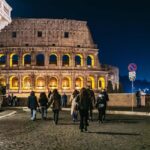
- Trevi Fountain after dark: wishes, legends, and the walk that controls the crowd
- Pantheon with a darker lens: ancient myths you can actually place
- Piazza Navona: spectral palace stories across a famous square
- Campo de’ Fiori and Giordano Bruno: where the dark past becomes historical
- The ending church: Chiesa Santa Maria dell’Orazione e della Morte
- Price and value: what $76 buys in real terms
- The practical stuff: what to bring, wear, and know before you go
- Group size and guide quality: why the night can feel personal
- Who should book this Rome dark-past walk
- Should you book the Rome Dark Past Walking Tour with Capuchin Crypt ticket?
- FAQ
- What is the duration of the tour?
- Where is the meeting point?
- What is included in the price?
- Are photos and videos allowed inside the Capuchin Crypt?
- What languages are available for the tour?
- What should I wear or not wear?
- Is the tour suitable for children?
- Is this tour wheelchair accessible?
- Can I get a refund if plans change?
Key highlights at a glance
- Capuchin Crypt first: you begin underground, with skeletal remains as the emotional anchor of the night.
- Trevi Fountain crowd control: you get help timing and moving so the stop stays enjoyable.
- Pantheon + Piazza Navona: major monuments, but explained through myths and eerie local tales.
- Giordano Bruno’s story: Campo de’ Fiori gets real-world context, not just sightseeing.
- A mystery-rich finish: the walk ends at Chiesa Santa Maria dell’Orazione e della Morte for a fitting final mood.
Capuchin Crypt as the starting point: why Rome feels different fast
The tour kicks off at P.za Barberini, 21, then goes straight to the Capuchin Crypt, with about a 30-minute guided visit. Starting underground matters. It sets the tone so later you’re not just “seeing Rome,” you’re noticing how the city frames fear, faith, and memory in public spaces.
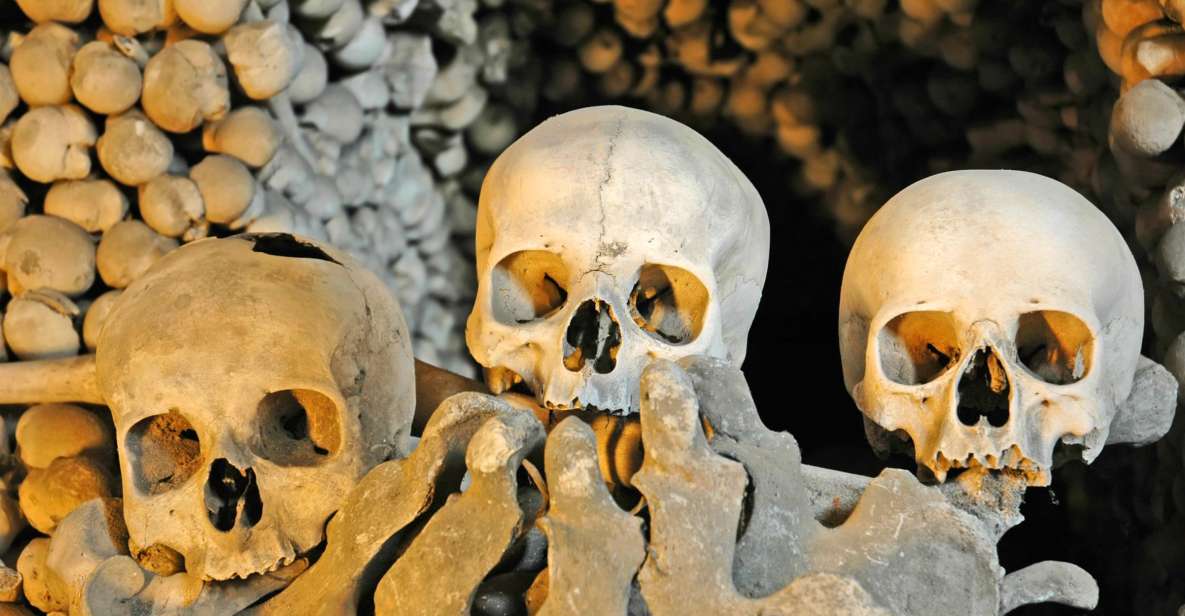
Inside, you’ll stand before skeletal remains of the Capuchin Friars and hear the story in a guided way. It’s not just a shock-and-awe stop; the point is to understand why these remains became part of Rome’s visual and spiritual landscape.
This is also where the rules hit. No photos or videos inside the crypt means your attention stays on the moment, not your camera screen. If you’re the type who needs proof, this might feel annoying—but it also keeps the experience focused.
You can also read our reviews of more tours and experiences in Rome


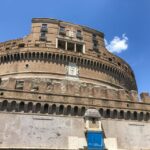
Meeting at Piazza Barberini (and staying on time without stress)
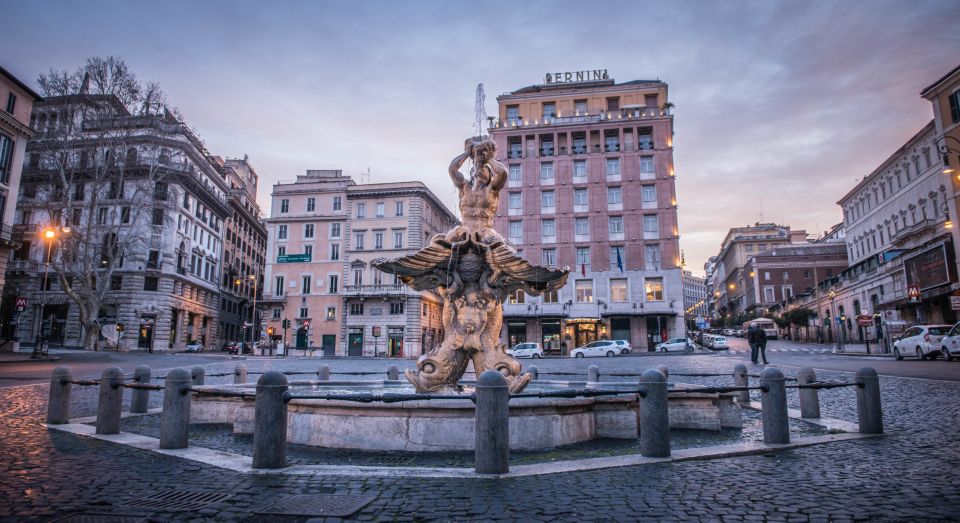
You meet at the corner of Piazza Barberini, 21 and Via di S. Nicola da Tolentino, next to Hotel Bernini. In practice, this area can be busy because it’s central and well-known. Show up a bit early and scan the sidewalk calmly; the tour will not let late arrivals join.
The good news is that your tour includes headsets, which helps you hear your guide clearly while you’re walking and stopping near crowds. So even if the street noise bumps up around Trevi and the major squares, you’re not constantly turning your body to hear every sentence.
Also, the walking route uses cobbled streets and tight urban corners. That’s why comfortable shoes matter more than people expect. You don’t need hiking boots—just something you can walk in without thinking about it every two minutes.
Trevi Fountain after dark: wishes, legends, and the walk that controls the crowd
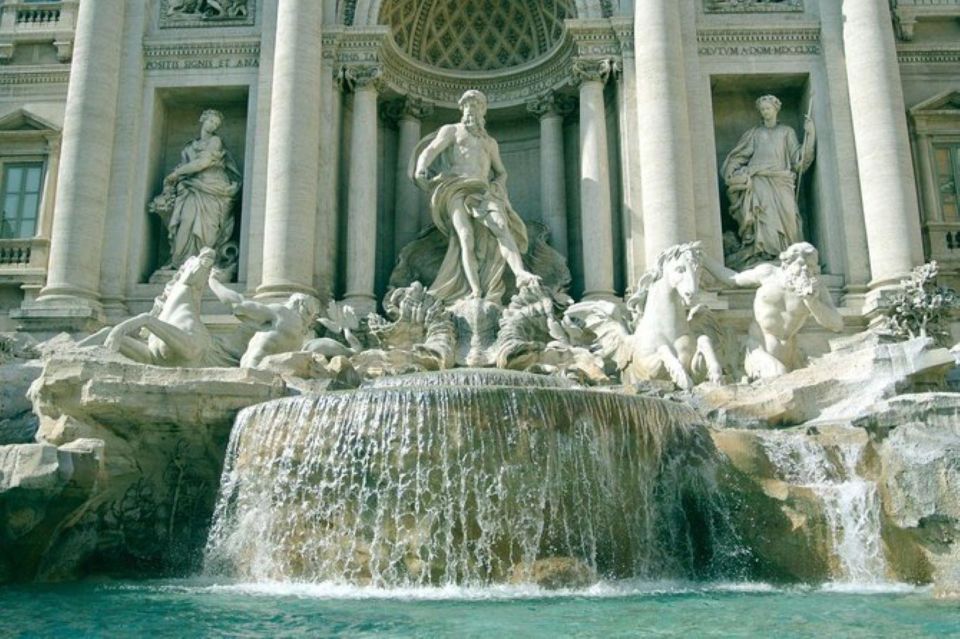
Next comes the Trevi Fountain, with about 20 minutes of guided time. The Trevi area is famous for two things: the fountain itself and the crush of people that forms around it. What makes this stop work on a walking tour is that you don’t just wander in hoping for a good view.
Your guide helps you manage the movement and timing so the fountain feels like a moment, not a traffic problem. One of the most praised parts is this simple competence—people note how the guide helps you enjoy Trevi instead of fighting crowds.
You’ll also get the classic “wish” story in the context of what the fountain represents and how Roman legend wraps around everyday rituals. It’s the kind of explanation that makes your quick photo feel less like tourism and more like understanding.
Pantheon with a darker lens: ancient myths you can actually place
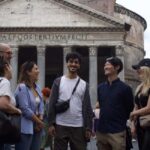
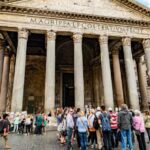
The tour continues to the Pantheon (around 15 minutes). The Pantheon is already a world-class stop on normal sightseeing routes, but the dark-past angle changes how you read it.
Instead of treating the building like only an architectural object, your guide ties in legends and the way myths and reality share the same streets in Rome. Even in a short visit, this framing helps the Pantheon land in your brain as a living part of Roman culture—something people interpret, repeat, and reimagine over time.
This is also a good checkpoint for pacing. A 15-minute stop is long enough to take in the basics and listen, but short enough that you’re not trapped standing still while your feet complain.
Piazza Navona: spectral palace stories across a famous square
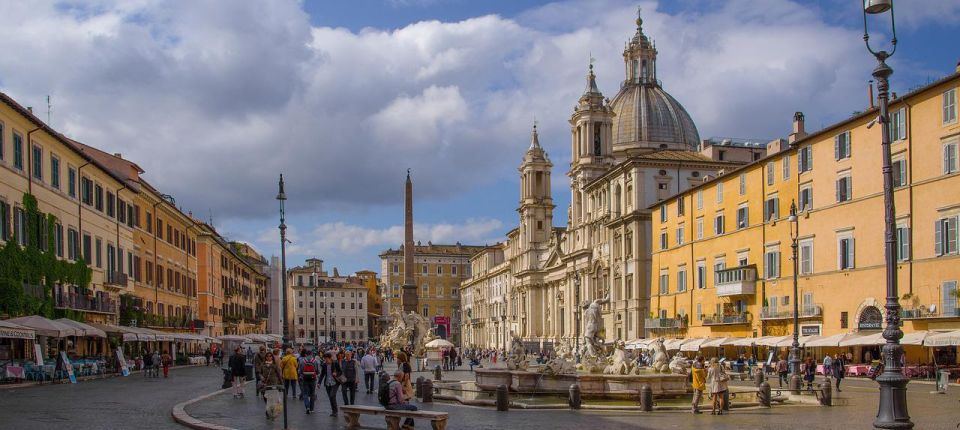
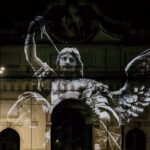
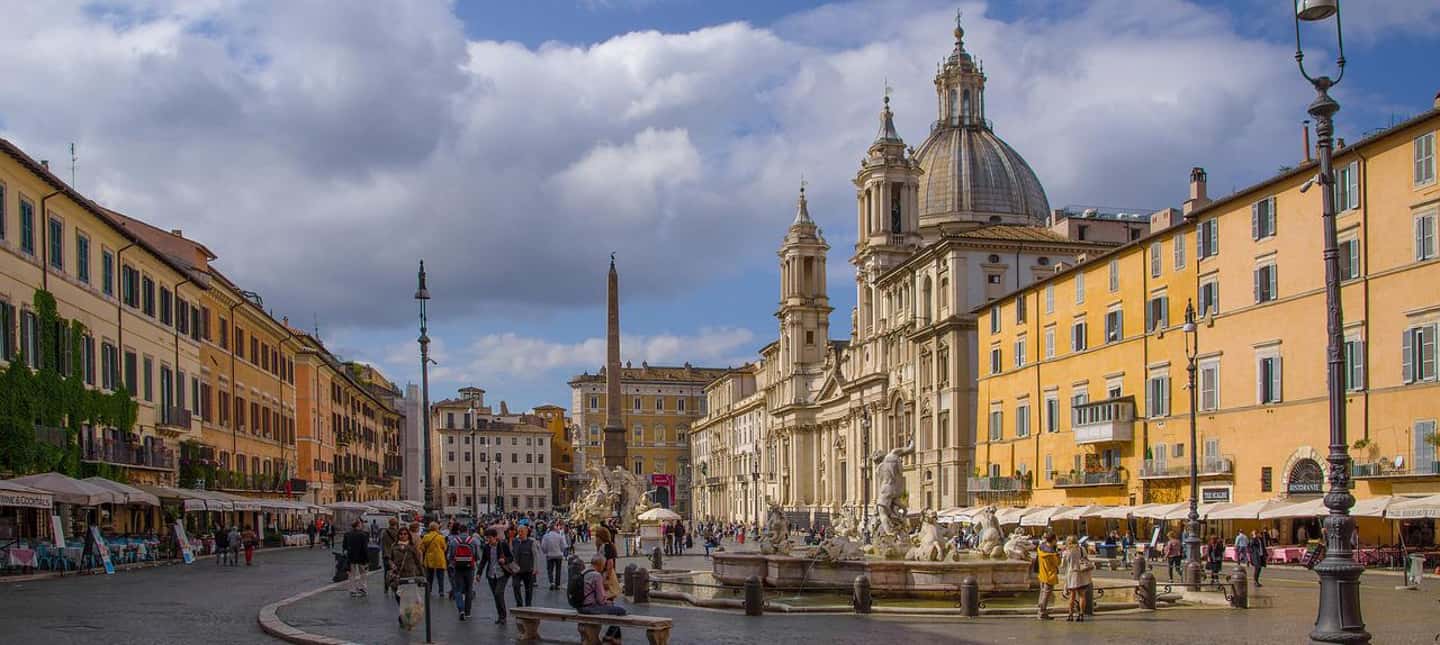
Next is Piazza Navona (about 15 minutes). It’s one of Rome’s most visually dramatic squares, so it’s easy to think you already know it from photos. The tour approach nudges you to notice details and listen for what makes the square feel “haunted.”
Your guide discusses spectral presences and the sense that palaces facing the square have their own kind of lingering atmosphere. That’s not just spooky talk. It turns Piazza Navona into a stage—where baroque architecture and storytelling reinforce each other.
If you like your sightseeing with atmosphere and narrative, this is a strong stop. If you prefer silent monuments only, you may find this is more “story tour” than “photography tour.” Still, the square itself is worth seeing no matter what.
You can also read our reviews of more walking tours in Rome


Campo de’ Fiori and Giordano Bruno: where the dark past becomes historical
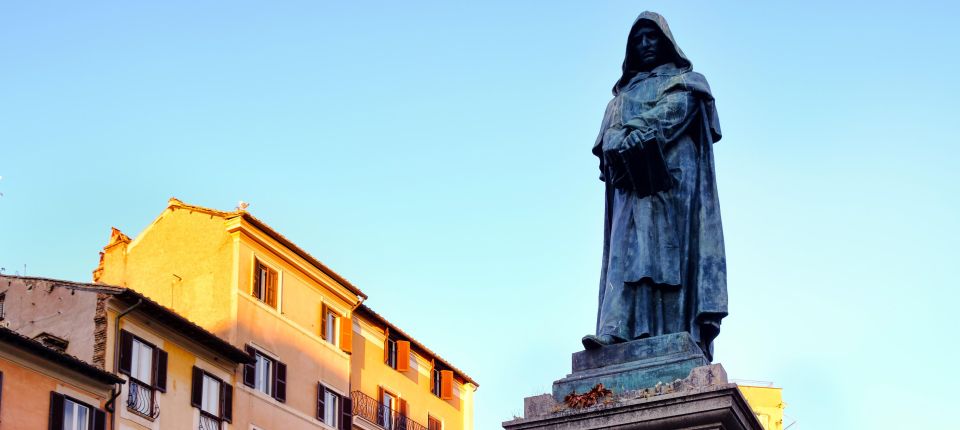
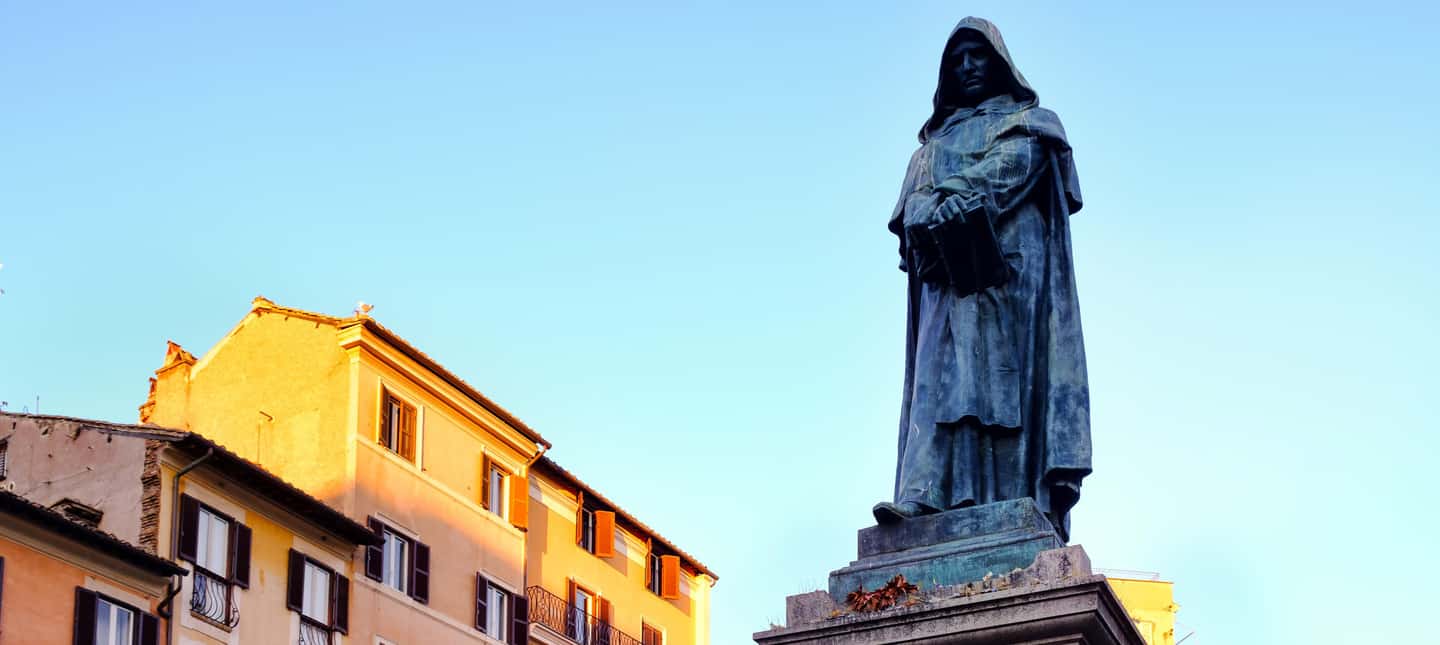
At Campo de’ Fiori (about 15 minutes), you’ll learn about Giordano Bruno—an impressive but sad history that fits the tour’s theme. This stop gives the night more weight. It’s where the macabre mood meets an identifiable historical figure and a more serious context.
It also helps break up the big-landmark intensity. Campo de’ Fiori is visually straightforward compared with Trevi or the Pantheon, so it’s easier to focus on what your guide is telling you. You can look around, absorb the square, and then let the story stick.
This is also a good moment to ask yourself what you actually came for. If you want Rome’s famous sites with extra meaning, this tour hits that. If you only want famous sights quickly, you might miss the point.
The ending church: Chiesa Santa Maria dell’Orazione e della Morte
The tour finishes at Chiesa Santa Maria dell’Orazione e della Morte. This is where the evening’s tone wraps up, with your guide sharing enigmatic tales tied to the church.
A good ending matters on themed tours, and this one aims to do that. By the time you reach the church, you’ve already seen a physical “memory of bodies” in the crypt and followed the thread through Rome’s major landmarks. The church stop gives you a final place where the theme feels intentional, not tacked on.
If you’re still alert after the walking and listening, this last stretch can feel like a satisfying final page. If you’re tired, don’t worry—you still get a guided story, not just a “good luck finding it” finish.
Price and value: what $76 buys in real terms
At $76 per person for about 2 hours, you’re paying for three practical things:
First, you get a guide who runs the story thread across multiple major sites. Second, you get the Capuchin Crypt entrance ticket included. Third, you get headsets, which is a small thing that makes a big difference in a loud, crowded city.
You’re not paying for transportation or hotel pickup, and you’re not buying food or drinks (so plan for that before or after). But for a compact night route that hits the crypt plus four other big-name stops, the value is strong—especially because the tour format is built around guidance, not just location-hopping.
If you’re the kind of visitor who loves to understand what you’re looking at, this price makes sense. If you want Rome’s sights with zero stories, you might feel the cost could have gone to a self-guided night route instead.
The practical stuff: what to bring, wear, and know before you go
Plan your outfit and your logistics around the crypt rules.
Bring
- Passport or ID card
- Comfortable shoes
- Umbrella (weather can change fast)
Wear
- No shorts
- No short skirts
- No sleeveless shirts
Leave at home
- Luggage or large bags
Know
- No photos or videos inside the Crypt of the Capuchins
- If you arrive late, you won’t be allowed to join the tour
Also note: this tour isn’t recommended for limited mobility, wheelchair users, or young children, and it’s listed as not suitable for children under 12. Since it’s a walking route with cobbles and a crypt visit, it makes sense to match your energy and physical needs to the plan.
Group size and guide quality: why the night can feel personal
This tour is designed for private or small groups, which is one reason the experience often lands well. When you’re not packed into a huge crowd, your guide can pace the story and keep the stops moving without leaving you behind.
The guide quality is another huge part of the experience. People consistently praise guides who balance factual background with legends and who manage the tricky parts of Rome at night. Names that come up include Fabienne, Sarah, Célia, Go (Giuseppe), Gabby, and Marinelly—each described as animated, personable, and genuinely passionate about the city.
One more small note: guides use different methods. Some rely heavily on storytelling; some may use supporting materials while speaking. If you’re expecting a heavily visual show, you might prefer to ask the guide what they’ll use during your crypt visit and stops.
Who should book this Rome dark-past walk
You’ll like this tour if you:
- Want Rome’s famous sights plus a strong themed narrative
- Enjoy legends and “why people believed this” explanations
- Prefer a small-group pace over large group herding
- Are curious about the Capuchin Crypt beyond the postcard version
You should probably skip it if you:
- Need wheelchair-friendly routes (this isn’t recommended for mobility limits)
- Dislike macabre history or skeletal remains
- Want lots of time for photos and quiet monument viewing
- Are traveling with kids under 12
Should you book the Rome Dark Past Walking Tour with Capuchin Crypt ticket?
Yes, I’d book it if your ideal Rome night includes guided storytelling and you’re excited to start with the Capuchin Crypt rather than saving it for a separate trip. For the money, you get a compact route that covers major landmarks—Trevi Fountain, Pantheon, Piazza Navona, Campo de’ Fiori—while keeping the theme consistent from start to finish.
Book it with a clear mindset: this isn’t a casual stroll with random facts. It’s a planned night narrative with rules for the crypt, a set walking route, and a style that leans into legends and atmosphere.
If that sounds fun, you’re in the right place.
FAQ
What is the duration of the tour?
The tour lasts 2 hours total.
Where is the meeting point?
Meet at the corner of Piazza Barberini, 21 and Via di S. Nicola da Tolentino, next to Hotel Bernini.
What is included in the price?
The price includes a guide, the Capuchin Crypt entrance ticket, and headsets.
Are photos and videos allowed inside the Capuchin Crypt?
No. No pictures or videos are allowed inside the Crypt of the Capuchins.
What languages are available for the tour?
The guide offers live narration in English, Italian, Portuguese, Russian, Spanish, and French.
What should I wear or not wear?
You can’t wear shorts, short skirts, or sleeveless shirts. Wear clothes that meet those requirements and choose comfortable shoes.
Is the tour suitable for children?
No. It is not suitable for children under 12.
Is this tour wheelchair accessible?
No. It is not recommended for people with limited mobility and is not suitable for wheelchair users.
Can I get a refund if plans change?
Yes. It offers free cancellation up to 24 hours in advance for a full refund and also has reserve now & pay later.