REVIEW · ROME
Rome Food Tasting with Wine Pairing | Authentic Flavors
Book on GetYourGuide →Operated by Tour in the City - Travel Agency Rome - · Bookable on GetYourGuide
One hour underground in Trastevere beats any crowded bar crawl. You’ll eat classic Italian favorites while sipping a tight wine pairing set inside an authentic Roman cistern space. It’s all wrapped in stories about where the foods come from, plus the comfort-food rhythm of a proper Italian meal.
I really like two things here: the Slow Food-recognized ingredients (with lots of DOP/IGP items you can actually pronounce), and the fact that the wines are paired with what you’re eating, not handed out randomly. I also like how the setting is real—marble, antiques, and old-world cellar details that make the tasting feel connected to the food.
One drawback to consider: this isn’t a fit for everyone. It’s not suitable for vegans, it isn’t offered for wheelchair users, and lactose intolerance or food allergies need special care because alternatives depend on what you request ahead of time.
In This Review
- Key highlights worth your attention
- Where you eat: a 1st-century cistern, not a themed restaurant
- The Slow Food angle: what it means for your meal
- Your wine pairing plan: Prosecco plus a full set of Italian whites and reds
- The food course flow: cheeses, cured meats, mozzarella, and Roman pizza
- You’ll start with cheeses (fresh and mature), plus pairing ideas
- Then comes the cured-meat and deli showcase
- You’ll also get mozzarella and ricotta, plus vegetables
- The Roman pizza and sweet finish
- What you’re really buying for $76: value vs. a typical wine-and-cheese stop
- Staff storytelling: when explanations turn tasting into a skill
- Logistics that make it easier: timing, entrance, and what to bring
- Who this tasting fits best (and who should skip it)
- If you should book: my honest decision checklist
- FAQ
- How long is the Rome food tasting with wine pairing?
- What’s included in the $76 price?
- Where do I meet the group?
- Is it possible to request alternatives for dietary needs?
- Is this suitable for vegans?
- Can children join?
- Is it wheelchair accessible?
- Are pets allowed?
- What languages are offered by the instructor?
Key highlights worth your attention
- 1st-century AD Roman cistern setting in the basement of an 18th-century building (Trastevere).
- Slow Food presidium products from small producers, plus a mix of DOP/IGP food labels.
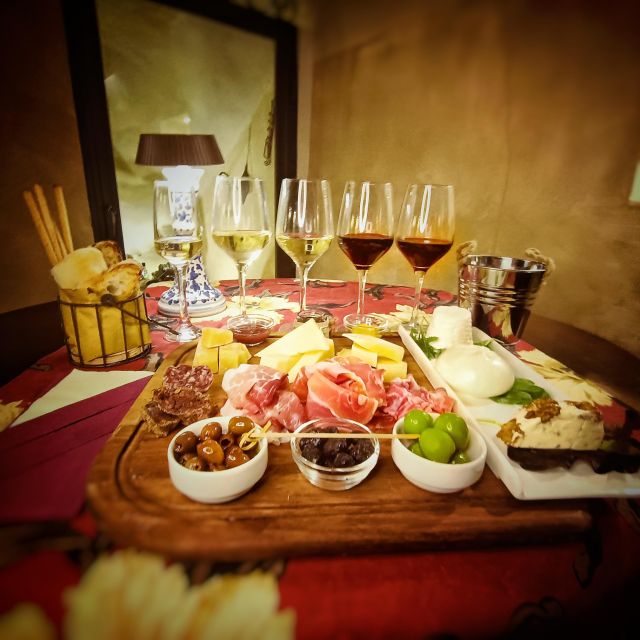
- Wine pairing lineup includes Prosecco, plus 2 Italian whites and 2 Italian reds.
- Three-course tasting that covers cheeses, cured meats, mozzarella/ricotta, olives, bread, and Roman pizza.
- Sweet finish with honey/jams for cheese pairing, then ice cream and coffee.
Where you eat: a 1st-century cistern, not a themed restaurant
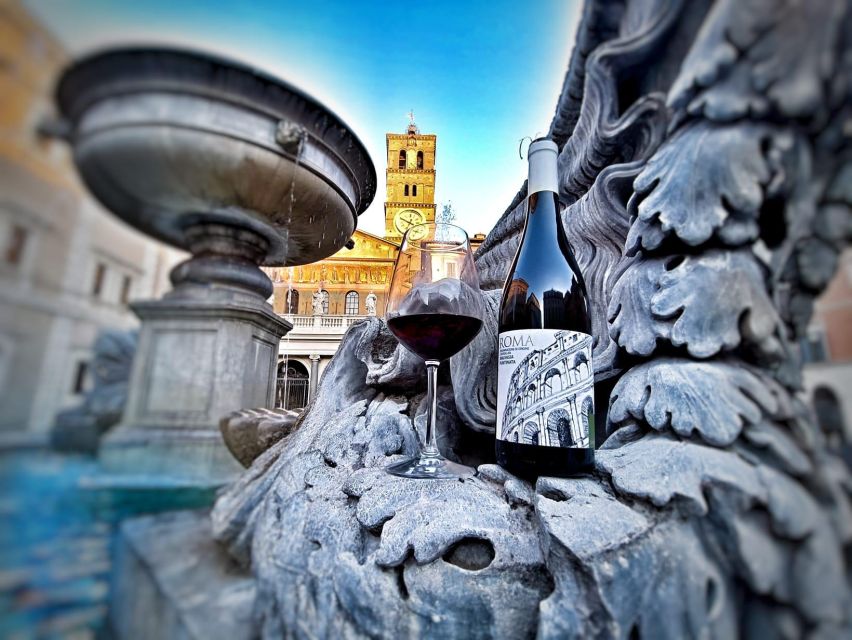
The meeting point is in Trastevere, at Via dell’Arco di San Calisto 20. You enter street level at the Residenza San Calisto door, ring the bell, and you’ll be guided in through a separate entrance.
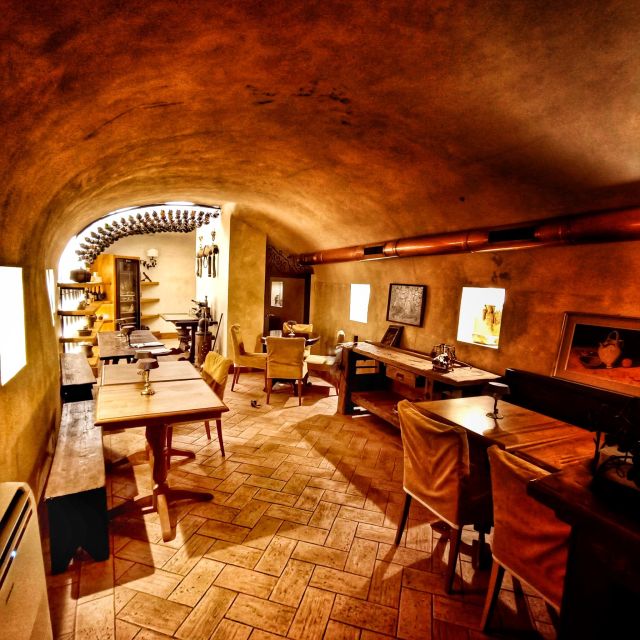
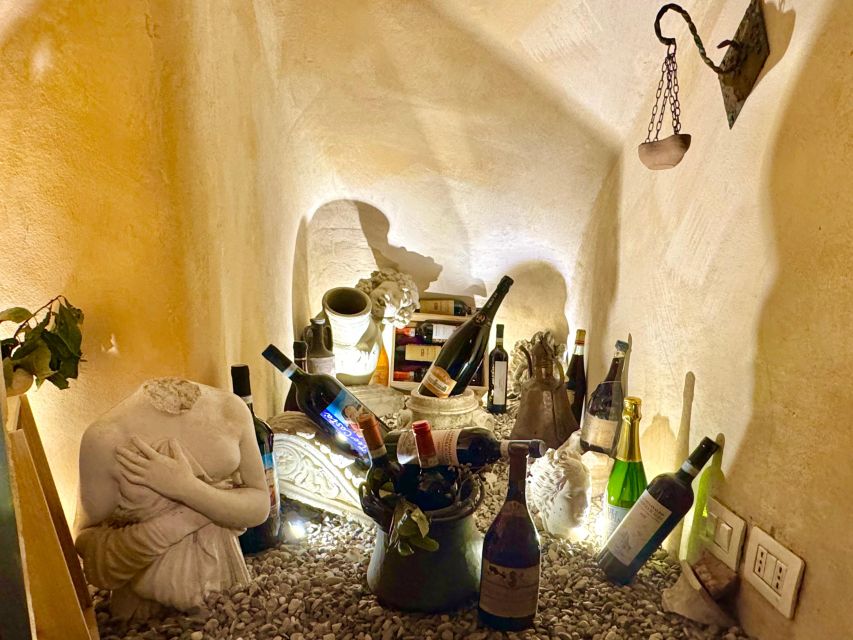
Once inside, the big story isn’t marketing. You’re in an underground cellar created from the careful recovery of a Roman cistern dating to the 1st century AD. The walls and shelves are decorated with original Roman marble, ancient artifacts, old furniture, and items tied to wine production, so the room feels like it grew out of the site—not built to look “historic” for tourists.
If you’re a little tight with germs, humidity, or enclosed spaces, this matters. It’s underground and the tasting is designed as a short session (about 60 to 75 minutes), so it’s cozy rather than spacious.
You can also read our reviews of more food & drink experiences in Rome


The Slow Food angle: what it means for your meal
This tasting leans hard on ingredient quality with a specific philosophy. The producers chosen are recognized by the Slow Food presidium, meaning the focus is on small artisans preserving traditional methods while respecting the environment and biodiversity.
You’ll see a lot of “real label” shorthand in the food spread, including DOP, IGP, PDO, and PGI. These aren’t just stickers for people who love paperwork. In practical terms, they’re meant to keep traditions tied to specific regions and production methods—so your cheese, cured meat, bread, and even olives are more likely to taste like what locals eat, not like generic versions.
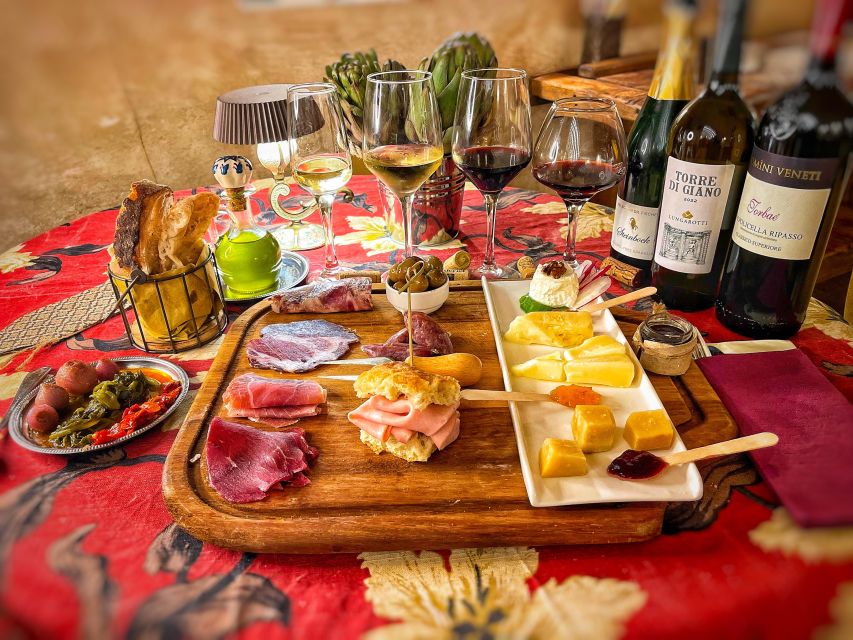
Some of the items included go beyond the usual tourist list. Expect things like Gorgonzola DOP, Taggiasca olives, Parma ham DOP, Parmigiano Reggiano, Mortadella Bolognese DOP, Salame Marchigiano, Mozzarella Campana di Bufala, and a mix of breads like Tuscan “Sciocco” PDO and Roman bread options. There’s also Roman pizza, plus extra virgin olive oil, honey, and jams used for pairing with cheese.
If you care about matching flavors (not just trying a variety), Slow Food positioning matters. You’re more likely to taste ingredients that were selected to work together with the wines you’ll get later.
Your wine pairing plan: Prosecco plus a full set of Italian whites and reds
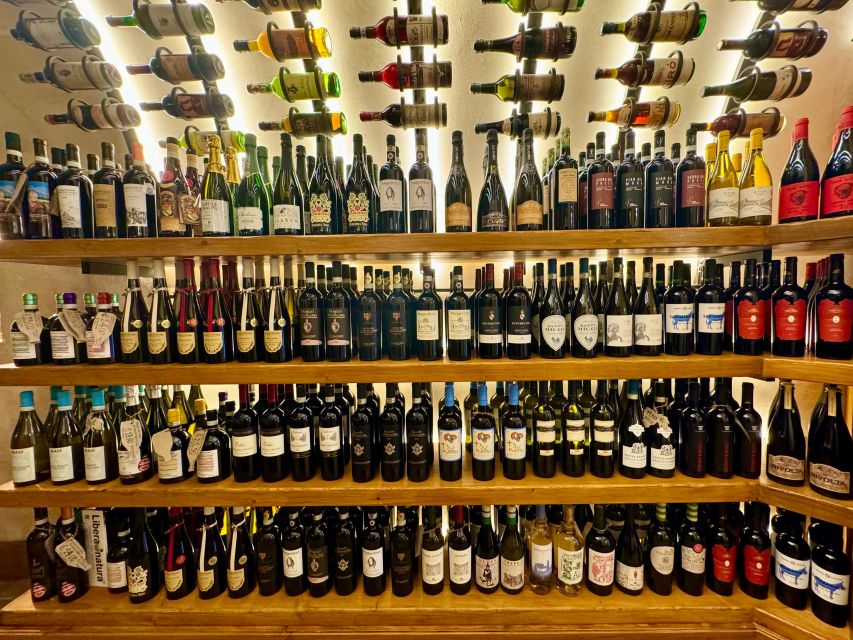
Wine is a core part of this experience, and you’ll taste several pours rather than one token glass.
Here’s what’s included:
- 1 Prosecco
- 2 Italian white wines
- 2 Italian red wines
- Unlimited water during the tasting
That lineup is a smart choice for a short, structured meal. The Prosecco kicks off the experience with something light and spritzy, which helps you reset your palate before you start working through cheeses and cured meats. Then the whites and reds give you different “working tools” to match fat, salt, and spice in the food.
In particular, I’d pay attention to how the staff explains each pairing. One past participant specifically praised the guide for breaking down every wine clearly, and that kind of commentary can turn a tasting from simply drinking into learning what to look for next time you’re in a shop or ordering at a restaurant.
The food course flow: cheeses, cured meats, mozzarella, and Roman pizza
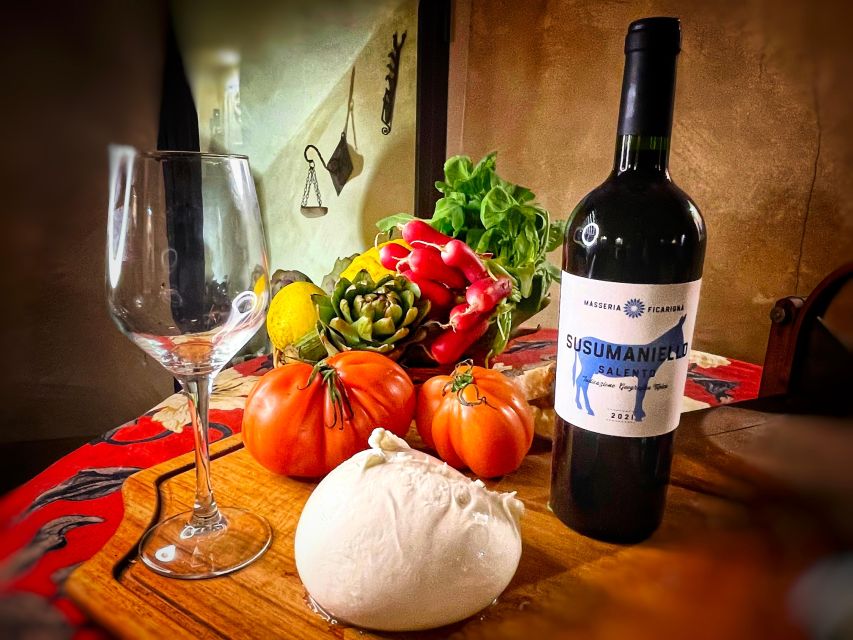
This is a three-course tasting. The spread is designed to move across classic Italian comfort textures: creamy cheeses, salty cured meats, fresh vegetables or marinated options, and then a Roman finish.
While the exact order can vary, the included food categories are clear, so you can picture the arc of the meal:
You’ll start with cheeses (fresh and mature), plus pairing ideas
Expect a mix of fresh and mature cheeses, and you’ll also get honey and jams meant to pair with cheese. That matters because cheese pairing changes depending on sweetness and acidity. You’re not just tasting; you’re being taught how sweet elements can soften salt and fat.
You can also read our reviews of more tours and experiences in Rome


Then comes the cured-meat and deli showcase
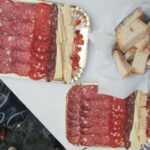
Next, the menu leans into cured meats and ham. You’ll see options like Parma ham, mortadella (including mortadella with pistachio), and other Italian cured favorites. There’s also mention of guanciale and salumi types like salame, so the tasting covers that Italian “charcuterie range” most people only sample randomly in markets.
This is the part where the wine pairing quality really shows. Fat and salt can bulldoze your palate, so a good pairing isn’t a luxury—it’s what keeps each bite interesting instead of repetitive.
You’ll also get mozzarella and ricotta, plus vegetables
The tasting includes buffalo mozzarella and buffalo ricotta, plus fresh vegetables and options “in oil or vinegar.” That mix gives you contrast after all the cured and aged items. In a practical sense, this helps you keep your palate from getting overwhelmed before the finale.
The Roman pizza and sweet finish
The included program also brings Roman pizza, then you finish with ice cream and coffee. Pizza and coffee feel like a natural closing chapter in Rome—simple, familiar, and very local once you’re done tasting fancy things underground.
What you’re really buying for $76: value vs. a typical wine-and-cheese stop
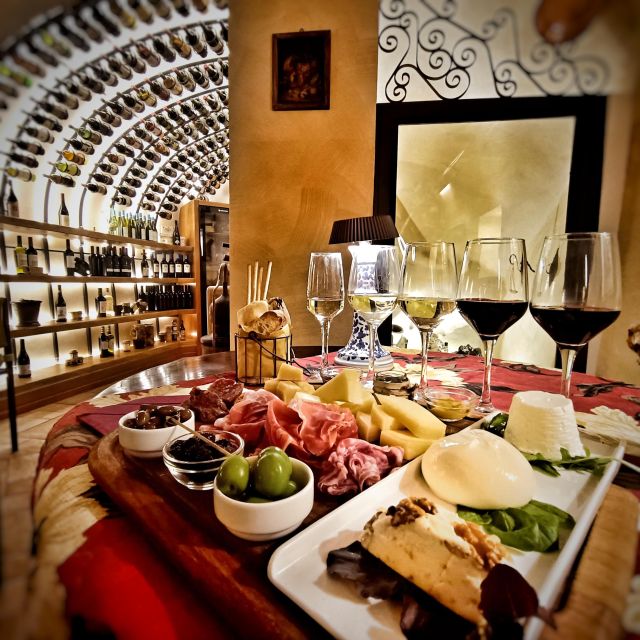
At $76 per person for about 60 to 75 minutes, you’re paying for three things at once:
1) the underground cistern setting,
2) a structured tasting with multiple wine pours (Prosecco + 2 whites + 2 reds), and
3) a real food spread that includes cheeses, cured meats, mozzarella/ricotta, olives, bread, olive oil, Roman pizza, plus dessert and coffee.
A casual wine-and-cheese visit in Rome can easily become uneven—maybe you get one wine, a small board, and a quick explanation. Here, the ingredients are listed in detail, the number of wines is set, and the food isn’t just “snacks.” It’s designed like a mini meal.
If you’re deciding between two activities—one focused on wine, one focused on food—this one hits both. That makes it a good use of time, especially if your schedule has you bouncing between major sights and you want a calm, concentrated experience.
Staff storytelling: when explanations turn tasting into a skill
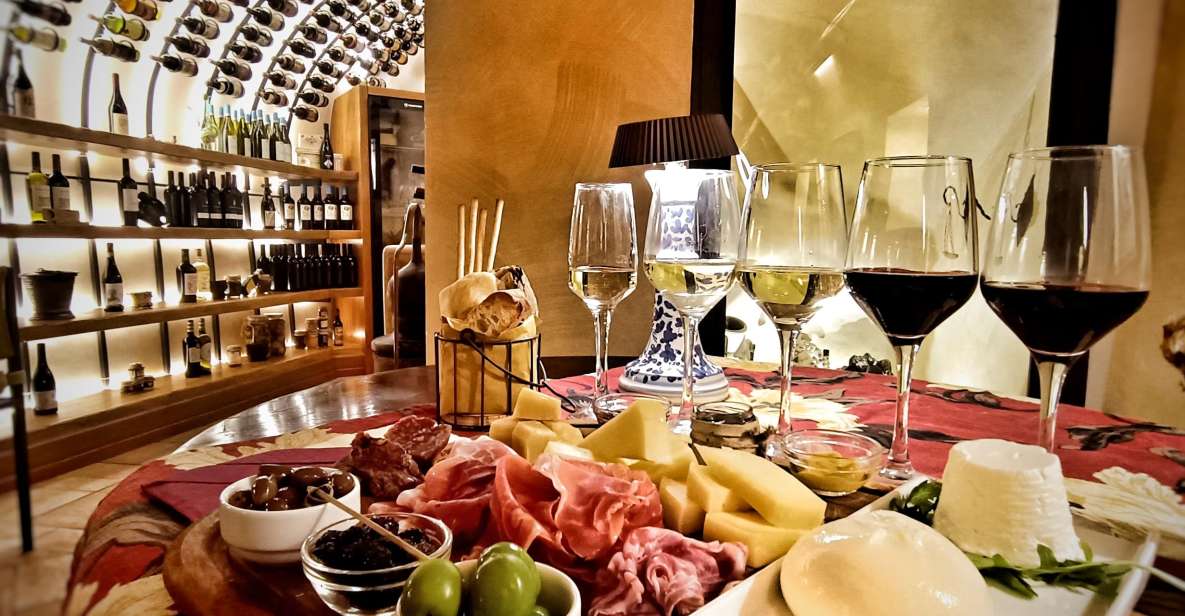
The experience includes presentation and explanation by the staff. They welcome you in the cellar and share stories and origins of Italian culinary delicacies. That matters more than people think.
When someone explains why a product is made a certain way, you start tasting differently. You notice texture, salinity, aging, fat, and acidity. And because you’re pairing each wine with what’s on your plate, you get a faster education than you would trying to “figure it out” alone.
Language support is good to know: the instructor speaks Italian, English, or Spanish. One participant noted a great experience even when the session wasn’t in their first language, which suggests the guide is active at communication rather than reading a script.
If you’re picky about language, book a time where you can confirm the guide language when possible.
Logistics that make it easier: timing, entrance, and what to bring
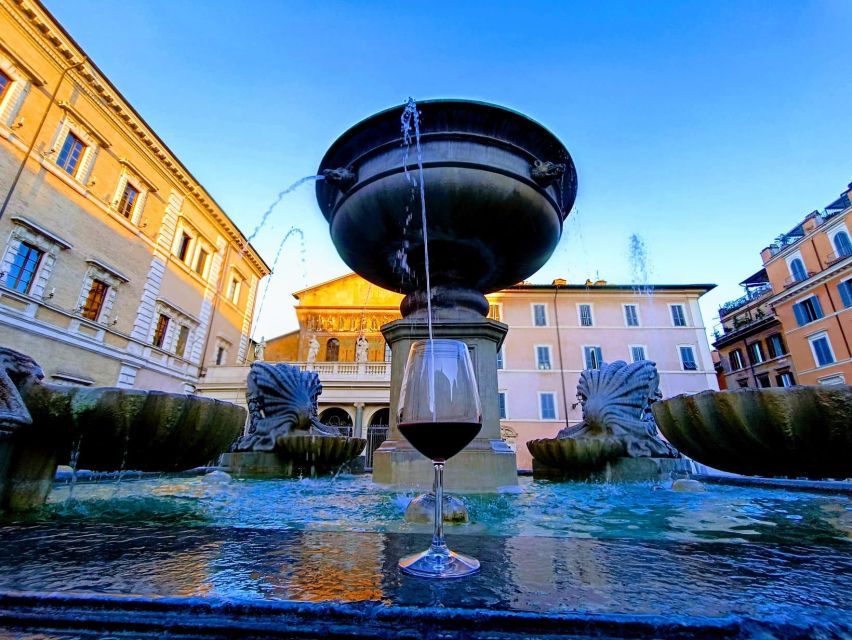
This is not a long wandering tour. It’s a short session designed around tasting, and it runs about 60 to 75 minutes.
You’ll use the separate entrance to help you skip the main line at the meeting location. Also, transportation isn’t included, so plan to reach Trastevere on your own.
What to bring is simple:
- Comfortable shoes for short walking and stairs in an area like Trastevere
- If you have preferences or restrictions, communicate them at booking
- An appetite that doesn’t get scared by cured meats and cheese
Important note: smoking indoors isn’t allowed, and pets aren’t allowed (assistance dogs are allowed).
Who this tasting fits best (and who should skip it)
I see this as ideal for food lovers who want an organized meal with strong ingredient standards, not a random sampling.
It’s a good match if:
- you like Italian cheeses and cured meats
- you enjoy wine pairing and want to understand what pairs with what
- you want an atmospheric Rome experience beyond the main streets
It’s not suitable if:
- you’re under 14
- you need wheelchair access
- you’re vegan
- you have food allergies or lactose intolerance (and you should only consider it if alternatives are truly arranged for you at booking)
If you have allergies or intolerances, the rule is clear: you must communicate them at booking. If you don’t, there’s no right to a refund, and the venue staff won’t be responsible for side effects. Alternatives can be adapted on request, but the safest move is telling them early.
If you should book: my honest decision checklist
Book this if you want a focused food-and-wine evening in Rome with a real historical space and a tasting format that doesn’t waste your time. The underground Roman cistern setting is a major differentiator, and the included menu is broad enough that you’ll leave full, not just “a little sampled.”
Skip it if you’re looking for a modern rooftop wine lounge, or if your diet rules remove too many items—this is built around dairy and cured meats, and it’s explicitly not suitable for vegans and lactose intolerance.
If you’re on the fence, ask yourself one question: Do I want to spend an hour learning how Italian food and wine fit together? If yes, this is the kind of appointment you’ll remember because everything is paired, portioned, and explained in one tight block.
FAQ
How long is the Rome food tasting with wine pairing?
It runs about 60 to 75 minutes, depending on the session time.
What’s included in the $76 price?
You get a three-course tasting with cheeses, cured meats and ham, plus items like buffalo mozzarella/ricotta, Roman pizza, olives, bread, extra virgin olive oil, honey and jams, ice cream, and coffee. You also get unlimited water and multiple wine tastings: 1 Prosecco, 2 Italian whites, and 2 Italian reds.
Where do I meet the group?
Meet at Via dell’Arco di San Calisto, 20 in Trastevere. The entrance is on the street level at the Residenza San Calisto door. Ring the bell.
Is it possible to request alternatives for dietary needs?
Alternatives are always available upon request and can be adapted according to tastes or food intolerances. If you have allergies or intolerances, you must communicate them at the time of booking.
Is this suitable for vegans?
No. It is not suitable for vegans.
Can children join?
No. It’s not suitable for children under 14.
Is it wheelchair accessible?
No. It’s not suitable for wheelchair users.
Are pets allowed?
Pets are not allowed, but assistance dogs are allowed.
What languages are offered by the instructor?
The instructor speaks Italian, English, and Spanish.