REVIEW · ROME
Rome: Houses of Augustus and Livia Private Tour
Book on GetYourGuide →Operated by Through Eternity Tours · Bookable on GetYourGuide
Palatine Hill feels like the ancient VIP lounge. This private tour strings together the Roman Forum and Palatine’s top residences, so you don’t just see ruins—you understand who lived there and why. I really like the combo of House of Augustus frescoes and the House of Livia’s jaw-dropping preservation, and the private guide keeps the story clear even if you’re not a Rome scholar. One thing to keep in mind: the House of Livia is temporarily closed, so your visit may change depending on the latest status.
You’ll meet your guide near the Forum, then spend about three focused hours moving on foot from imperial politics to imperial homes. The route also pays attention to small details—like how emperors connected Palatine to the Forum—so the tour feels tight instead of chaotic. Add in skip-the-line access, and you’re set up for a smoother visit to some of Rome’s most in-demand ancient spaces.
In This Review
- Key Highlights Worth Your Time
- Palatine Hill Still Feels Like Imperial Headquarters
- Roman Forum First: Caesar, Cicero, and the Ramp to Power
- House of Augustus: Frescoes That Make the Emperor’s World Legible
- House of Livia: Mythological Frescoes and the Underground Time Capsule
- Domitian’s Palace Ruins and Caligula’s Shadow on Palatine
- Logistics That Actually Make or Break the Visit
- Is It Worth $149.54 Per Person? A Value Check
- Who This Tour Fits Best (and Who Might Skip It)
- Should You Book the Rome: Houses of Augustus and Livia Private Tour?
- FAQ
- How long is the tour?
- Where do I meet my guide?
- What sites are included?
- Is skip-the-line access included?
- Is the House of Livia open?
- Will there be headsets?
- What languages are the guides?
- What should I bring?
- Is the tour wheelchair accessible?
- Is free cancellation available?
Key Highlights Worth Your Time
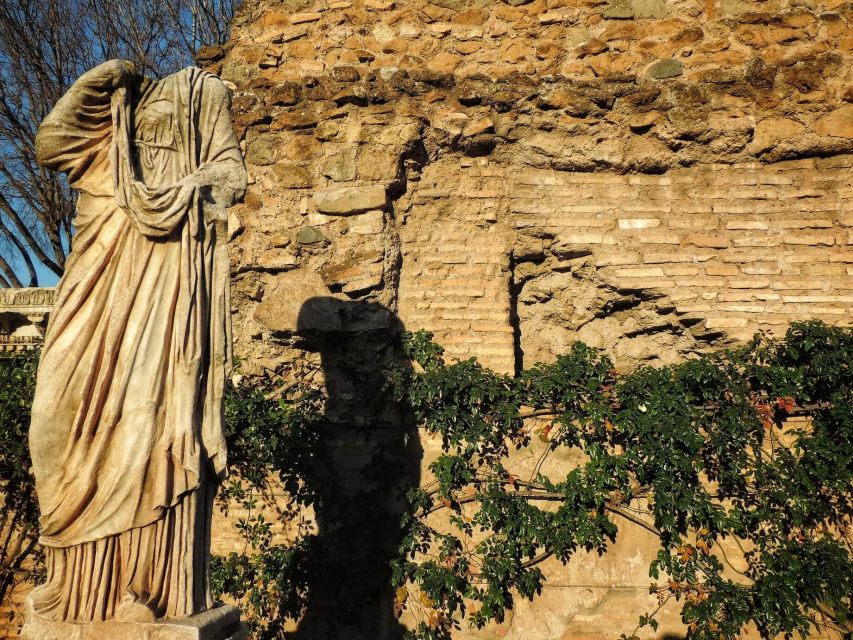
- Skip-the-line entry through a separate entrance so you lose less time waiting.
- House of Augustus with surviving wall paintings, including details in the emperor’s study.
- House of Livia with exceptionally preserved mythological frescoes and original marbles (when open).
- Palatine Hill context beyond the houses, including ruins tied to Domitian and the assassination site connected to Caligula.
- Roman Forum storytelling that connects big names like Julius Caesar and Cicero to everyday life.
- A guided ramp moment: the monumental route that led emperors from Palatine down into the Forum.
Palatine Hill Still Feels Like Imperial Headquarters
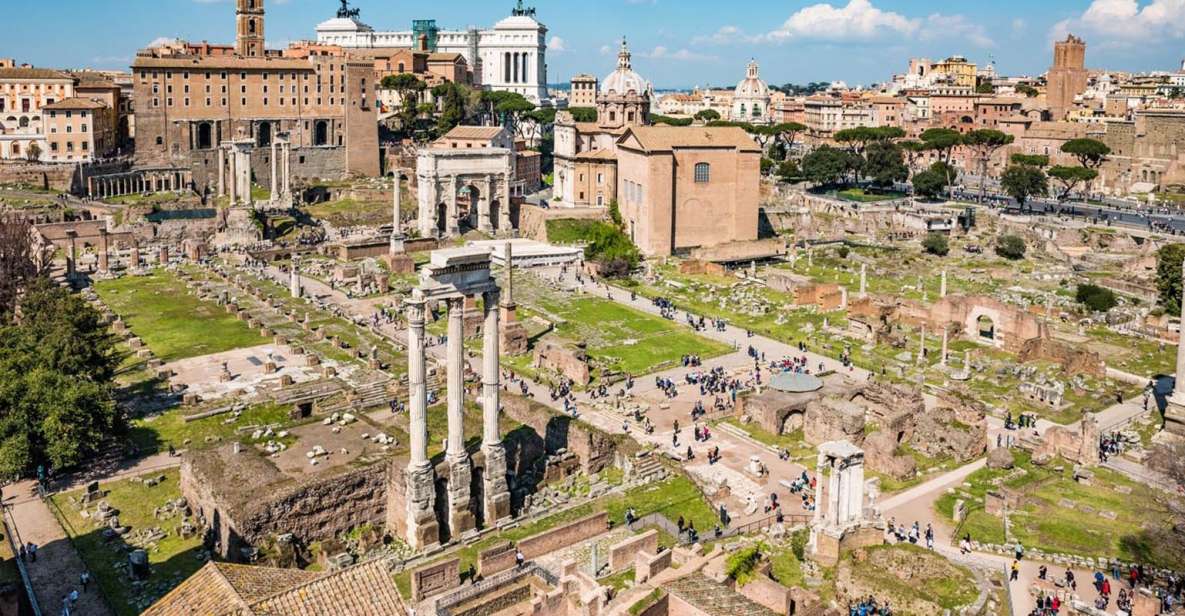
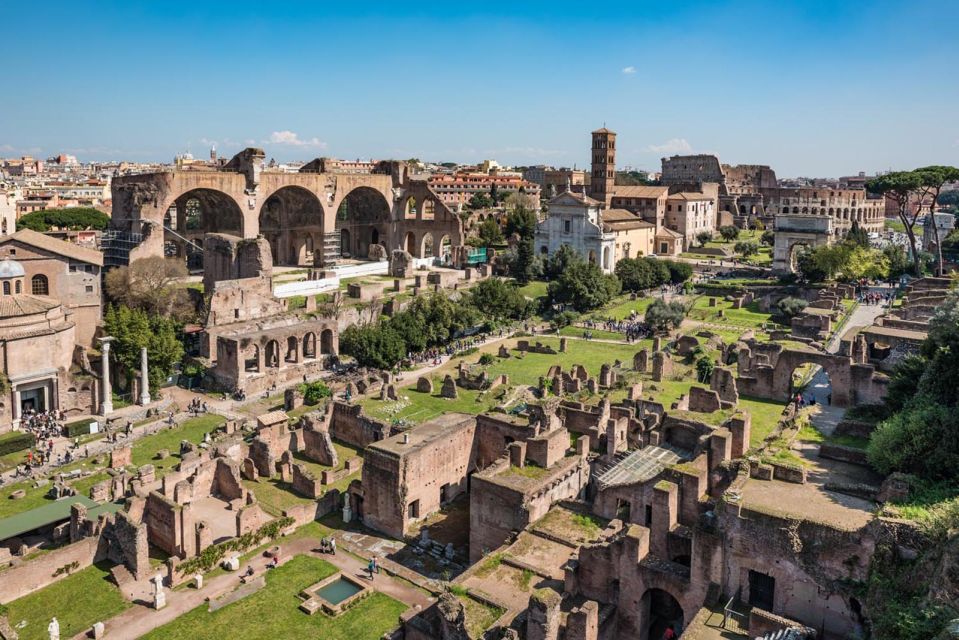
If you want one area of Rome that explains why emperors acted like emperors, you start on Palatine Hill. This is where the story of Rome grew from myth into rule, and it’s also where emperors chose to live close to power. I love that this tour doesn’t treat Palatine as a vague viewpoint stop; it uses the houses to make the empire feel personal.
Palatine also has that slightly surreal feel of “how is this still here?” The slopes hold layers of legend and politics, and the tour helps you read those layers. Expect a walk that mixes wide views with up-close room details—especially in the painted interiors of Augustus and Livia.
The pacing is a big deal. In about three hours, you’re guided through multiple spaces, so your brain doesn’t have to constantly reset. Just plan for walking on uneven ancient surfaces and bring comfortable shoes, because Rome’s outdoor “museum floors” don’t do you favors.
You can also read our reviews of more private tours in Rome

Roman Forum First: Caesar, Cicero, and the Ramp to Power
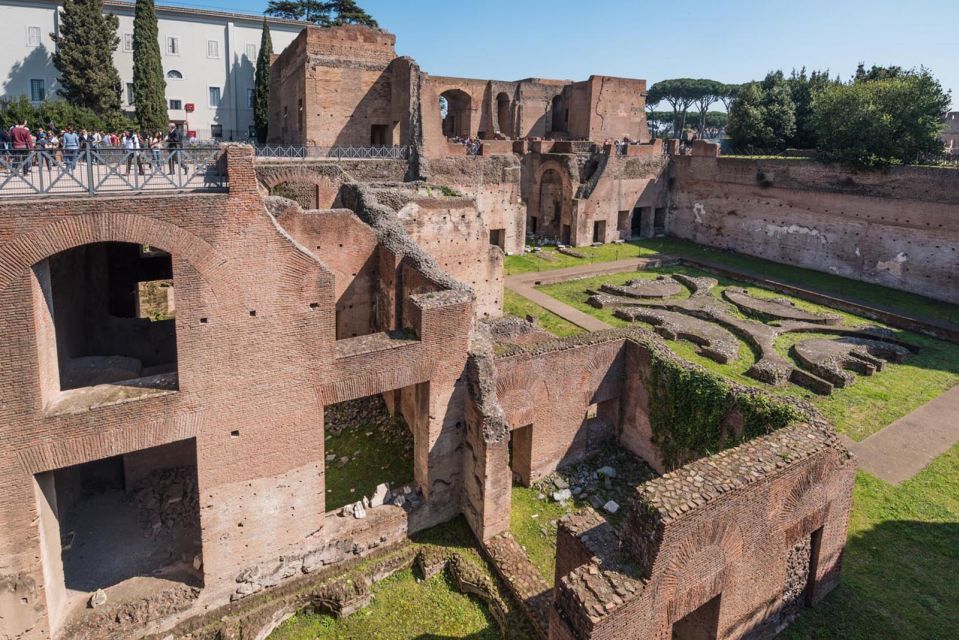
You begin near the Forum at Largo Corrado Ricci (meeting in front of Cafe/Restaurant Angelino ai Fori, look for the Through Eternity sign/flag). Then you head in on foot for the Roman Forum portion, where the tour turns the political machine into something you can visualize.
The Forum stop is not only about statues and famous names. It’s about daily life in the ancient empire—what people did and where they moved—so the place starts to feel lived-in instead of just monumental. You’ll also follow the footsteps of major figures, with references that span from Julius Caesar to Cicero.
One of my favorite details included on this route is the chance to climb the monumental ramp that led emperors from Palatine down into the Forum. That change in elevation matters. You feel the deliberate design: access to public authority was planned, not accidental.
Depending on the route day and timing, you may also visit Santa Maria in Antiqua, an ancient church hewn from imperial palace remains. It’s a striking reminder that Rome reuses sacred space across centuries, so the story keeps going long after the emperors.
House of Augustus: Frescoes That Make the Emperor’s World Legible
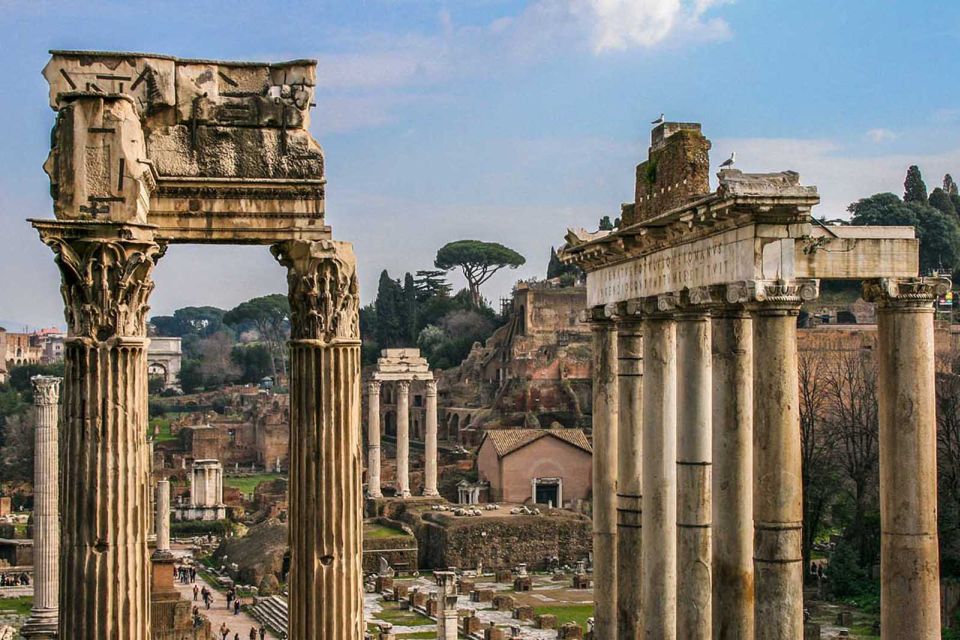
After the Forum, you shift to Palatine Hill proper, which is where the “wow” gets more intimate. The House of Augustus is described as a modest residence by imperial standards, but that’s exactly why it works. You’re seeing a ruler’s environment—not just a throne room fantasy.
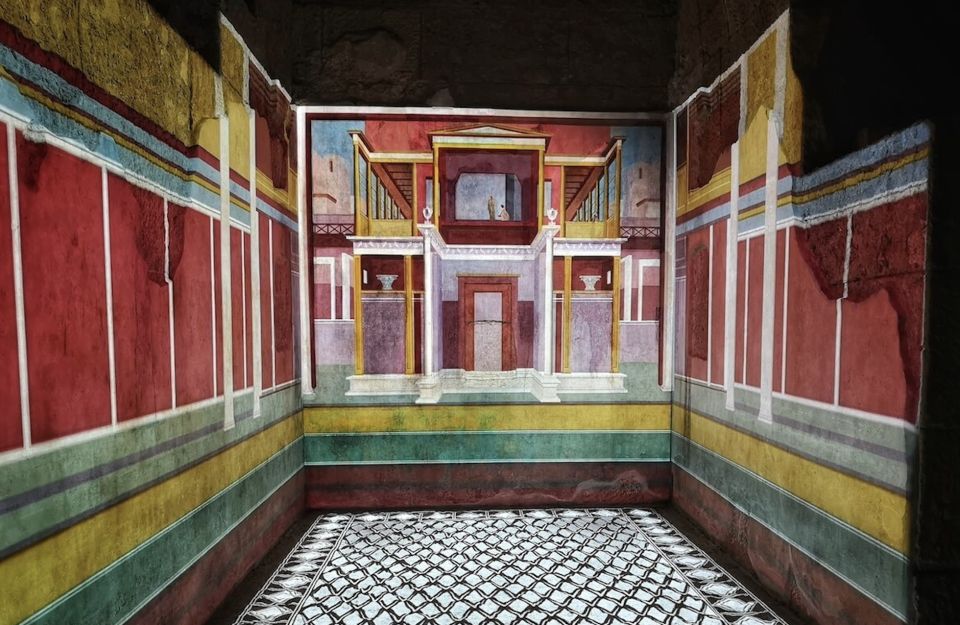
Inside, you get to focus on what survives: painted rooms. The tour centers on Augustus’ domus and highlights some of the best surviving examples of ancient Roman wall painting. And rather than tossing out generalities, your guide can point you toward the details that make the frescoes feel like more than decoration.
The study is the star moment. The tour spotlights Augustus’ study and its frescoes with plants and fantastical creatures. That kind of imagery makes sense in context: the emperor wasn’t only managing policy, he was also shaping an image of cultivated power. You’ll see why the paintings were chosen and how they support the whole imperial message.
Potential drawback: houses like this can be visually dense, and if you’re the type who gets tired by lots of rooms, pacing will matter. The private guide helps, though, because you can slow down for the painted sections that grab you and move on before you get “fresco-fatigue.”
House of Livia: Mythological Frescoes and the Underground Time Capsule
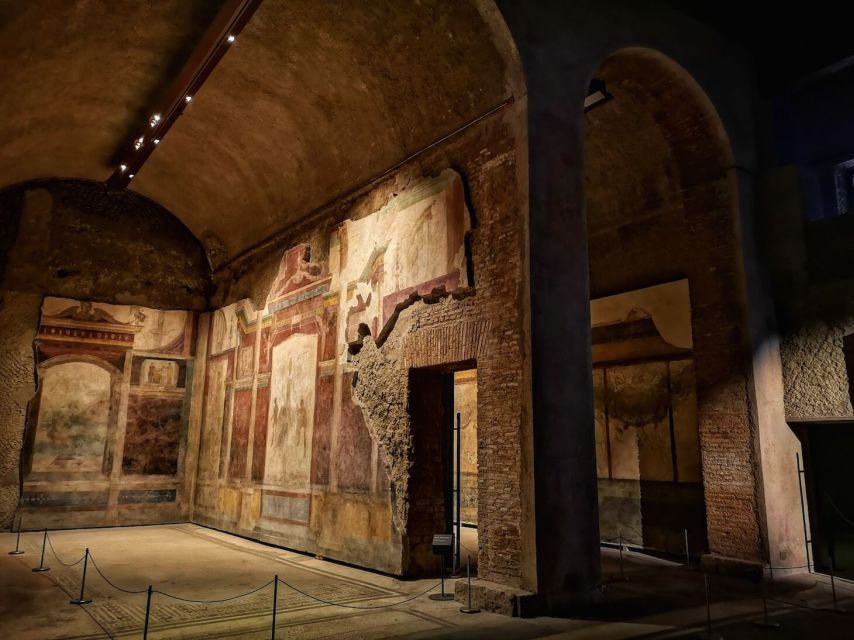
Next door on Palatine is the House of Livia, and it’s the one with the strongest “how is this still here?” factor. It’s identified as Livia’s dwelling based on an inscription discovered on a lead pipe. That’s a detail worth knowing because it explains why archaeologists connect the building to the people you’re picturing from the empire’s inner circle.
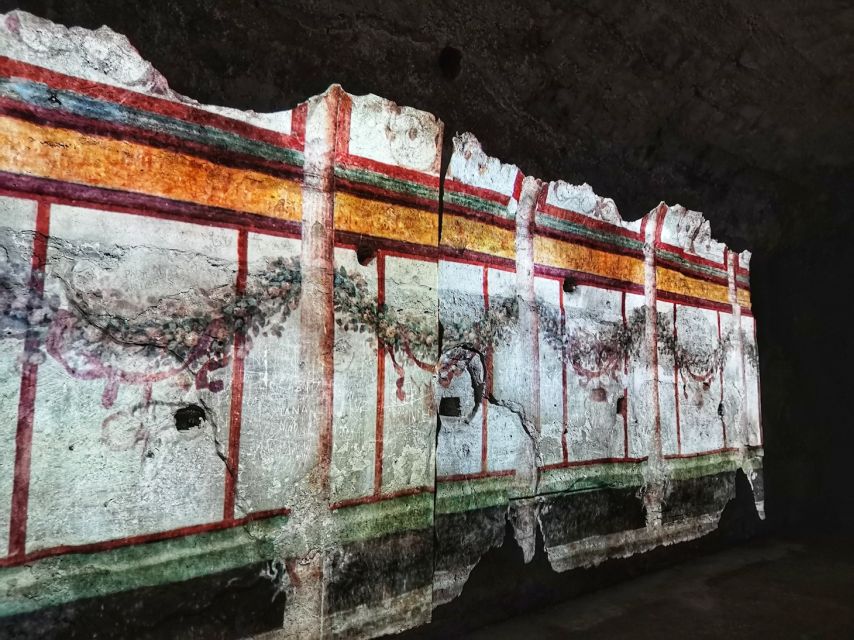
The key experience here is the preserved interiors. The tour highlights mythological frescoes that are protected underground for thousands of years, plus original marbles that still hold up under viewing conditions. If you like art that looks alive rather than “old and faded,” this is the section to prioritize.
One big practical warning: the House of Livia is temporarily closed, and that status can change. The tour company notes they’ll try to arrange your visit, but you should assume you may need a plan B on the day. If Livia isn’t available, you’ll still get Palatine Hill and the House of Augustus—but the exact balance of the stops may shift.
Also, note the tour is not marked as wheelchair-friendly. If mobility is a concern, you’ll want to assess walking and stairs carefully before you book.
Domitian’s Palace Ruins and Caligula’s Shadow on Palatine
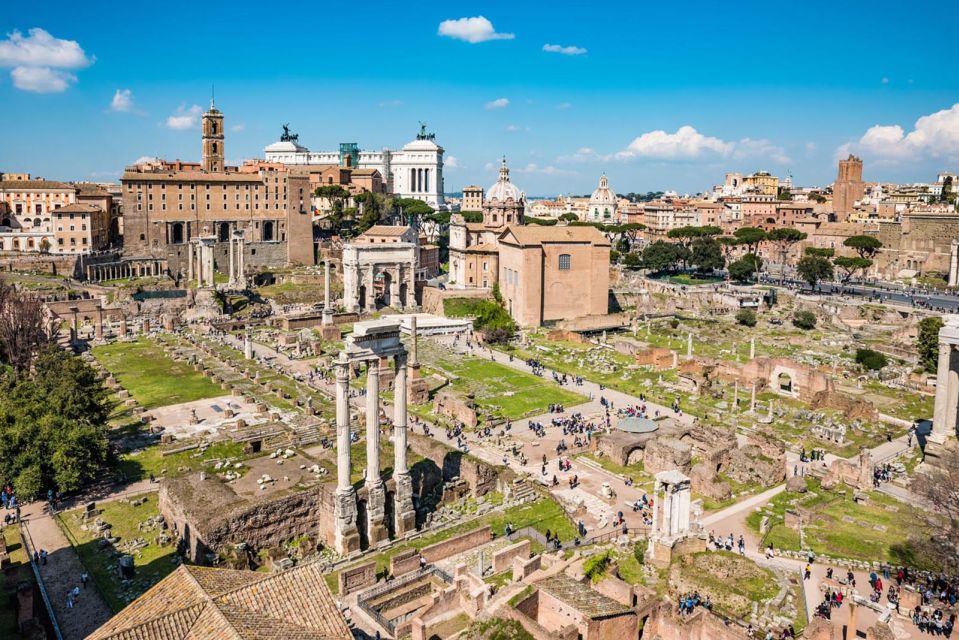
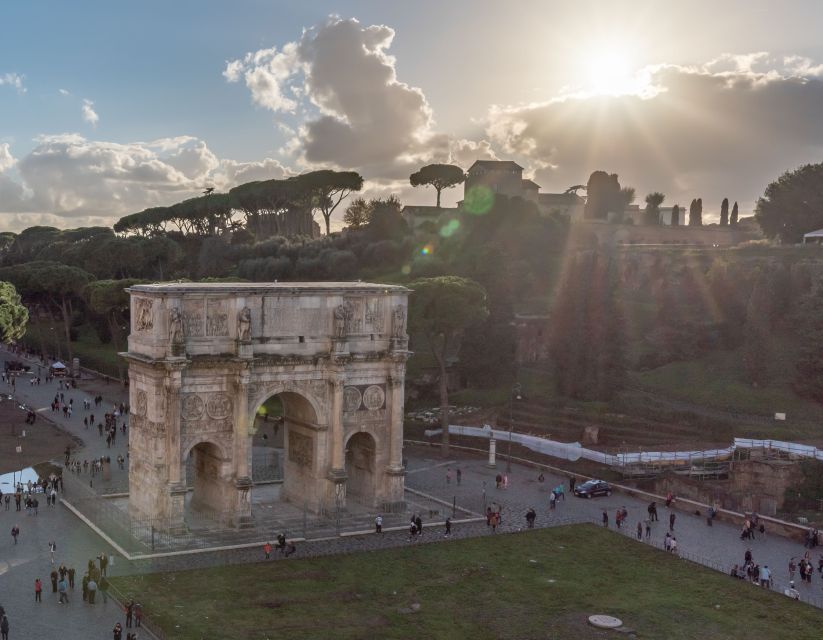
Even with the houses, Palatine isn’t only about Augustus and Livia. This tour also includes time across more of the hill, including the ruins of Domitian’s luxurious palace and the site tied to the assassination of Caligula.
I like this approach because it keeps the story from becoming too tidy. You get the sense that imperial life wasn’t one stable chapter—it was a constant churn of residence, power, and danger. Domitian’s palace ruins add scale, while the Caligula association adds the darker edge that makes Roman power feel real.
This is also where your guide’s storytelling makes the tour feel less like sightseeing and more like interpretation. Even without extra “facts,” the ability to connect different emperors to specific places is what turns stone into a narrative.
If you’re looking for lots of sweeping Forum views, this may be slightly more architecture and room-focused than you expect. But if you want the imperial timeline anchored to actual locations, this is a smart inclusion.






Logistics That Actually Make or Break the Visit
This is a private group tour in English (and also Italian). It’s built for about three hours, which is the sweet spot for hitting multiple premium sites without feeling like you’re sprinting. It also includes skip-the-line access via a separate entrance, which matters because these venues can get crowded fast.
If you’re traveling with a group of 6 or more, headsets are included for clearer listening. Even on a private tour, that’s a useful detail because Roman acoustics outdoors can make it hard to hear in busier sections.
Wear comfortable shoes. Palatine and the Forum involve uneven surfaces and lots of walking. This isn’t the time for soft-soled “cute” sneakers.
Two additional caveats to keep in mind:
- Due to the Jubilee, some monuments may be under restoration, so parts of the route could have changes.
- House of Livia’s closure status is temporary and subject to change, so expect possible schedule adjustments.
Is It Worth $149.54 Per Person? A Value Check
At $149.54 per person for about three hours, you’re paying for a specific kind of Roman experience: expert guidance plus access to spaces that aren’t always easy to enter. What makes the price feel reasonable is the combination of:
- an expert private English-speaking guide
- skip-the-line entry through a separate entrance
- the targeted inclusion of both Augustus and Livia’s houses (when Livia is available)
- time on Palatine and the Forum with context tied to named historical figures
Food and beverages are not included, and transportation to and from the meeting point isn’t included either. So the true cost in your day includes those extras. But for the core experience, you’re not paying for a vague “Rome highlights” walk. You’re paying for a route that focuses on some of the most specialized ancient interior spaces and the reasoning behind them.
If you’re a solo traveler, private tours can feel expensive compared to group tours. Still, this one makes sense if you want your guide to slow down for the painted rooms and to handle route changes if Livia is closed or restoration work affects access.
Who This Tour Fits Best (and Who Might Skip It)
This tour fits well if you like:
- ancient art details, especially wall painting in surviving rooms
- imperial power viewed through real addresses, not just general history
- a guided pace where context matters as much as the sights
You might consider a different option if:
- you want only outdoor views and minimal indoor time
- you’re sensitive to route changes and the possibility that the House of Livia won’t be open on your date
- you need wheelchair accessibility (the tour is not suitable for wheelchair users)
One reason this tour tends to please people is the guide quality. In the past, guides such as Brian Green and Patrick have been praised for strong academic training and for adding clear historical context. That kind of teaching makes a big difference in places like Augustus’ study, where it’s easy to miss why the imagery matters.
Should You Book the Rome: Houses of Augustus and Livia Private Tour?
Book it if you want a focused Palatine Hill and Forum experience that treats the emperor’s homes as central, not side quests. The skip-the-line access and private guide support make it a strong value for time-crunched Rome travelers, especially if you care about surviving ancient paintings and want the story explained as you move through the spaces.
Think twice if the House of Livia being temporarily closed would strongly disappoint you. Since the closure can change, it’s worth checking updates before you lock in your day. Also, if your mobility is limited, confirm the walking/stairs reality for your group.
Bottom line: if you’re aiming to understand how Rome’s most powerful people lived and staged their image, this tour does a great job connecting art, architecture, and imperial politics in a single, efficient three-hour route.
FAQ
How long is the tour?
The tour lasts about 3 hours.
Where do I meet my guide?
Meet your guide in front of Cafe/Restaurant Angelino ai Fori at Largo Corrado Ricci, 43a. The guide will have a Through Eternity sign or flag.
What sites are included?
The tour includes the Roman Forum and Palatine Hill, plus the Houses of Augustus and Livia on Palatine Hill.
Is skip-the-line access included?
Yes. You get skip-the-line access through a separate entrance.
Is the House of Livia open?
The House of Livia is temporarily closed, but this status is subject to change. You should contact the provider for the latest update.
Will there be headsets?
Headsets are included for groups of 6 or more.
What languages are the guides?
The live tour guide is available in English and Italian.
What should I bring?
Wear comfortable shoes.
Is the tour wheelchair accessible?
No, it is not suitable for wheelchair users.
Is free cancellation available?
Yes. You can cancel up to 24 hours in advance for a full refund.