REVIEW · ROME
Rome: Incredible Adventure in the Heart of the City
Book on GetYourGuide →Operated by IF Game · Bookable on GetYourGuide
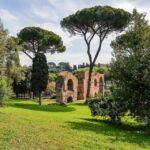
A Rome game that feels like time travel. This self-guided adventure leads you through some of the Eternal City’s biggest names while you’re solving puzzles about the foundation of Rome and the stories behind the stones. You’ll start with a “green oasis” feel near Colle Oppio and the Baths of Trajan, then work your way toward the heart of the ancient capital.
What I love is how the game turns famous sights into something you actually think about—rather than just snap-and-walk. I also like that you control the pace, so you can linger at the Roman Forum or move fast when you’re on a roll. One possible drawback: you’ll be reading and problem-solving on foot, so if your group wants pure sightseeing with zero mental effort, this may feel a little slow.
In This Review
- Key things that make this Rome adventure worth it
- The idea: why a puzzle game works so well in Rome
- Starting in Colle Oppio and the Baths of Trajan
- Basilica of Maxentius and the Roman Forum: where the story gets real
- Via dei Fori Imperiali and Piazza del Campidoglio
- Mouth of Truth and Circus Maximus: fun stops that break the pace
- Where Nero’s Golden House once stood
- The Colosseum finale: one of Rome’s best payoff moments
- How long it takes (and why your timing might stretch)
- The included package: what you actually get
- Price and value: $71 for up to 10 people
- Who this suits best (and who should skip it)
- Tickets, transit, and what you handle yourself
- Booking, flexibility, and practical reminders
- Should you book this Rome self-guided game?
- FAQ
- Is this experience a guided tour with a person?
- How long does the Rome game take?
- How far do you walk?
- What’s included in the price?
- Are attraction tickets included?
- When will I receive the game materials?
- Is this activity suitable for wheelchair users or limited mobility?
Key things that make this Rome adventure worth it
- Self-guided format: you play whenever you want after your box arrives, and you walk the route at your pace
- A puzzle story tied to Rome’s origins: follow clues in the steps of Romulus to uncover the legend and reality behind Rome’s beginnings
- The route hits major ancient landmarks: Colosseum, Roman Forum, Circus Maximus, Arch of Constantine, plus other high-impact stops
- About 5 km, 3–4 hours: enough time to feel like an outing, not a full-day ordeal (though it can run long if you’re really focused)
- You take something home: a book you play with during the game and keep afterward as a memory
The idea: why a puzzle game works so well in Rome
Rome can be a “too much, too fast” city. You arrive, you see a few postcard hits, and then the rest blurs into gray stone and tangled signage. This experience tries a different approach: you move through the city with a goal, and each stop gives you clues to interpret what you’re seeing.
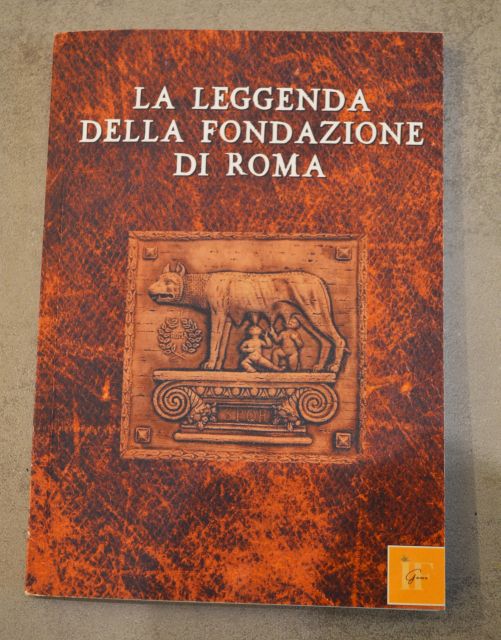
The game is built around riddles and an illustrated book format that guides you from one location to the next. You’re not just chasing trivia. You’re trying to connect what’s in front of you with the story behind it—especially the legendary founding of Rome and the early power that followed.
The best part is that it’s still very Rome. You’re walking between real monuments on real streets, so the city stays alive around you. The puzzle just gives you a reason to pay attention.
You can also read our reviews of more city tours in Rome


Starting in Colle Oppio and the Baths of Trajan
The adventure begins near Colle Oppio and the Baths of Trajan, which is a smart first move. Even if you’re surrounded by traffic and tour buses later, this start has a calmer feel. It helps you shift into “I’m on a mission” mode instead of “I’m overwhelmed.”
From the start point, you’ll be opening the book and getting to work right away. Expect a steady rhythm: look, read a clue, figure out what it’s pointing to, then walk to the next stop. That structure matters because it keeps your attention anchored.
Practical tip: bring a charged phone. You’ll want internet access as you go, and you don’t want your battery to die halfway through an answer you were sure you had.
Basilica of Maxentius and the Roman Forum: where the story gets real
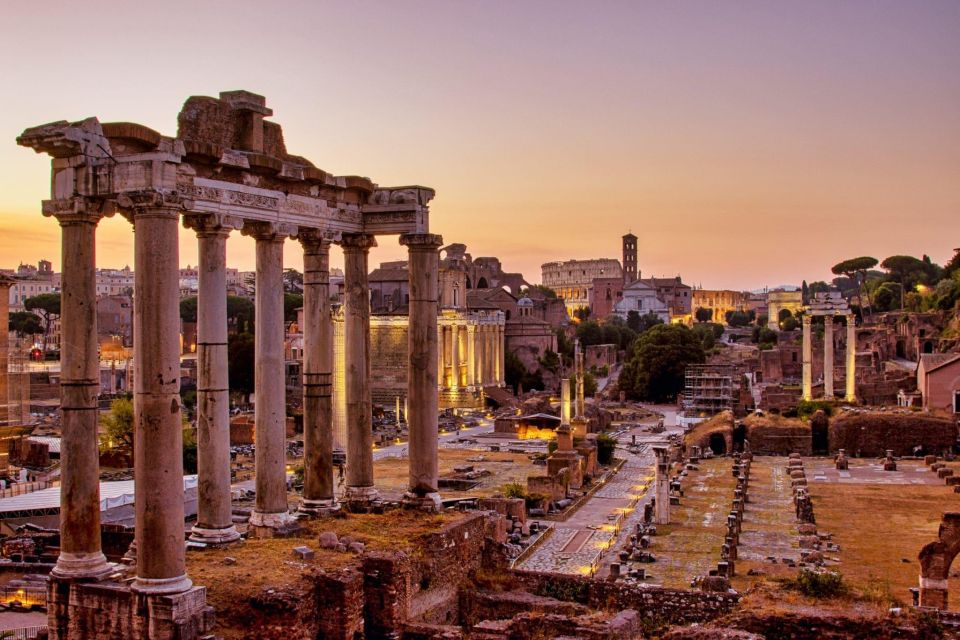
Next, the route leads you to the Basilica of Maxentius and into the Roman Forum. This is one of the most rewarding stretches in all of Rome, but it’s also where first-time visitors often get lost. So the puzzle format is useful. Instead of wandering, you’re actively searching for details that match the questions.
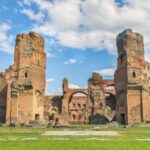
At the Basilica of Maxentius, you’ll be looking at the kind of architecture that tells you power and ambition were the main products here. Then the Forum brings the whole mix of politics, religion, and everyday life into the same space.
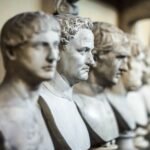
The game’s focus on the founding myth and Rome’s early story adds a layer that most “big sights only” itineraries miss. Even if you already know the legend of Romulus, it’s a different feeling to revisit the idea while you’re walking through places tied to the city’s political center.
Reality check: you’ll likely spend more time here if you enjoy reading carefully. That’s not a problem—it’s the whole point—but plan for it.
Via dei Fori Imperiali and Piazza del Campidoglio
As you continue, you’ll see Via dei Fori Imperiali, a dramatic corridor that makes the ancient city feel huge. This stretch is great for getting your bearings because the long sightlines help your brain assemble the “map” of what you’re looking at.
Then comes Piazza del Campidoglio. This is where Rome shows you its later layers too—because you’re not only walking ancient ruins. You’re also standing in a space shaped by later eras that still coordinate how you experience the Forum area.
In a typical visit, Campidoglio can feel like a pause between things. In this game, it becomes a clue-based stop. That changes the mood. You start scanning instead of just admiring.
Mouth of Truth and Circus Maximus: fun stops that break the pace
The route includes the Mouth of Truth. Even if you think you know what that place is famous for, the puzzle approach nudges you to look at it as part of a bigger story—rather than just a photo moment.
Then you head toward Circus Maximus, which is a reminder that Rome didn’t just do temples and emperors. It did mass entertainment. Walking through this area feels like you’re stepping into the background of everyday spectacle—public, loud, and built for crowds.
This is also where the game’s “self-guided” strength really shows. If your group needs a breather, you can take it without feeling behind schedule. If you’re on a roll, you can keep moving and solve the next clue before you lose momentum.


Where Nero’s Golden House once stood
One of the most interesting elements is that the game guides you to where the Golden House of Emperor Nero once stood. Nero is one of those names you hear in passing, usually as a headline. Here, you get a point of reference tied to a real location in the area.
It’s a strong reminder of how the ancient city kept transforming. Rome didn’t freeze in time. Power used architecture like messaging.
If you like connecting the dots between emperors, myths, and physical remains, this stop can feel like a “wait, that’s what that connects to” moment.
The Colosseum finale: one of Rome’s best payoff moments
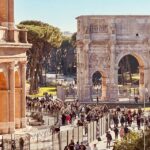
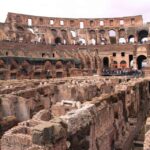
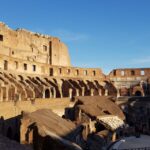
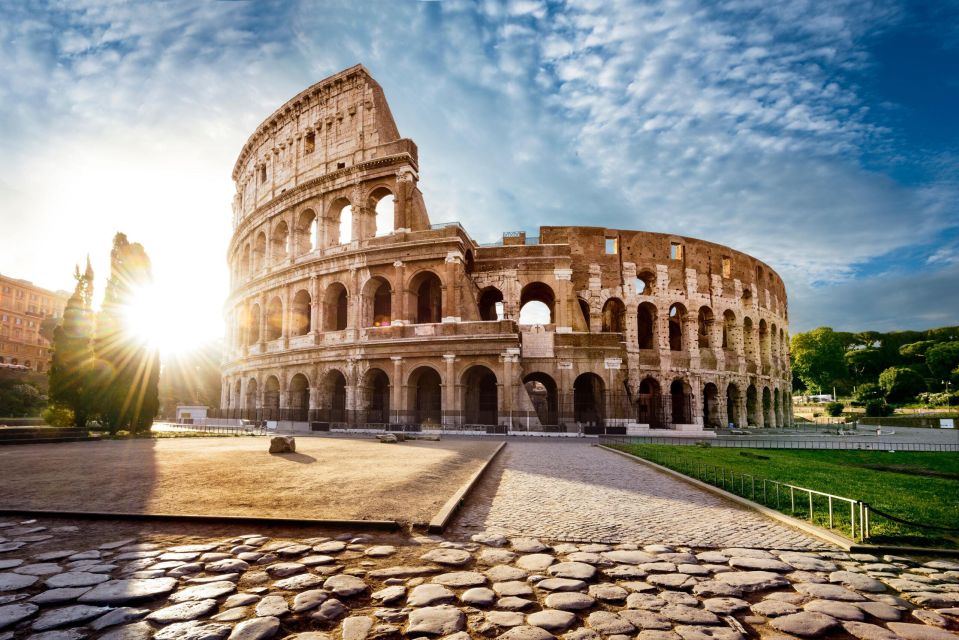
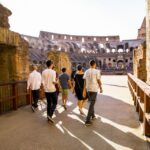
Finally, you reach the Colosseum, one of the seven wonders of the world. Ending here makes sense because the Colosseum is the big emotional button. Even if you’re the kind of traveler who doesn’t cry over history, you can’t help but feel something standing there.
In this format, the Colosseum doesn’t feel like the default “last stop.” It feels like the place where your questions pay off. The game’s narrative thread about Rome’s beginnings helps frame what you’re seeing: from legends of the first king to the reality of a city built on spectacle and administration.
And because you’re solving puzzles up to the end, you tend to notice more than you would on a quick walk-through.
How long it takes (and why your timing might stretch)
The route is about 5 km and takes 3 to 4 hours. That’s a realistic window for steady walking plus puzzle time. Still, Rome is Rome. If you stop to read slowly, take photos, or get pulled in by something unexpected, it can turn into more of a half-day.
So I’d treat this like an outing, not a timed hop. Comfortable shoes matter. This is walking-first, sightseeing-second—though the “second” part ends up being the good stuff.
The included package: what you actually get
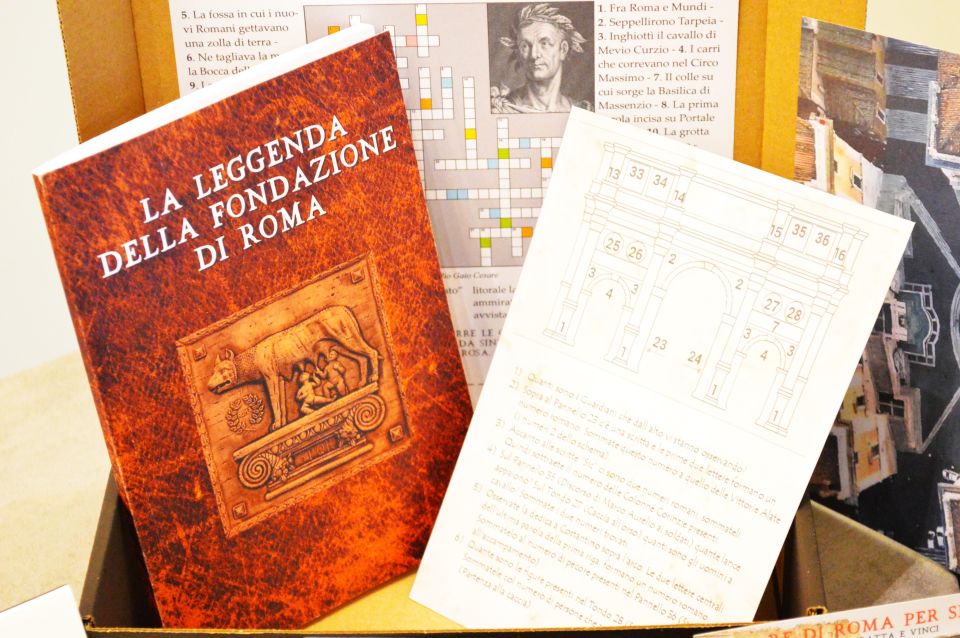
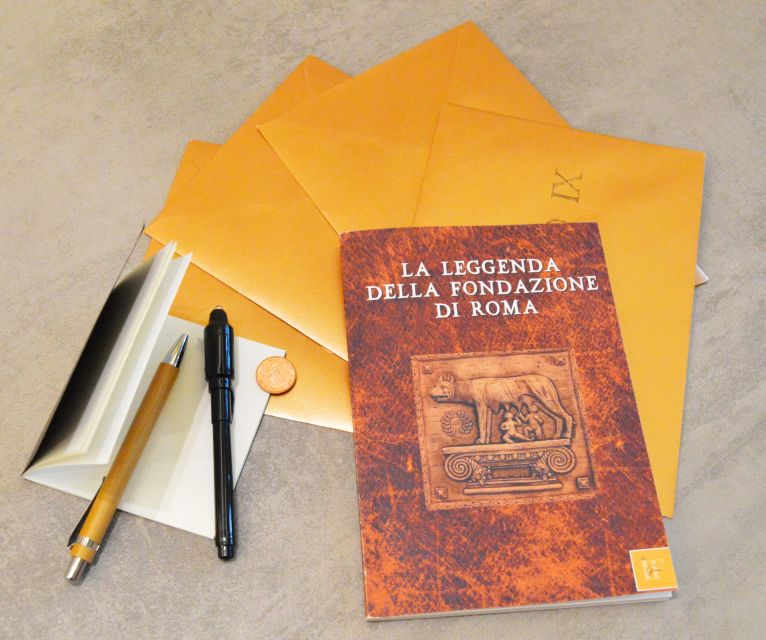
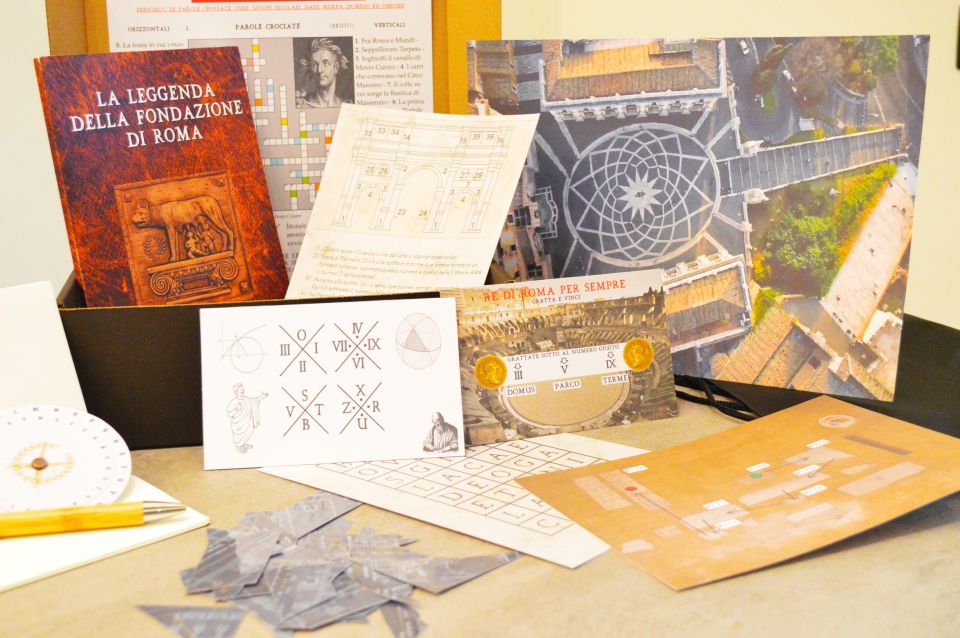
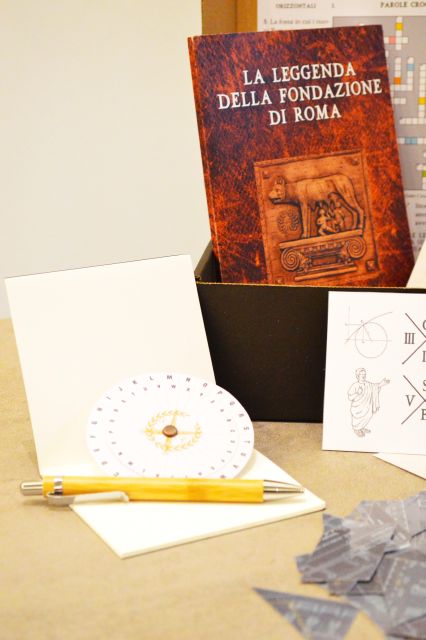
You receive a game box by mail after payment. Inside are the accessories needed to play and a book you use during the experience—and keep afterward as a take-home memory.
You also get tips, information, and curiosities, which is helpful when a clue feels vague. That extra context matters because riddles in ancient spaces can sometimes be a little hard to interpret if you’re not sure what detail to focus on.
One logistics detail to plan around: shipping happens upon payment. If you want to play soon, purchase with enough time. If you need it immediately, you can request PDF materials, but you’ll need to contact the provider.
Price and value: $71 for up to 10 people
At $71 per group (up to 10), the value depends on how you travel.
If you’re two people, it can still feel like fair value because you’re paying for a structured self-guided experience plus the book. If you’re a family or small group, it’s a sweet deal because the cost doesn’t scale like a typical guided tour.
You also aren’t paying for attraction tickets through this game. Tickets are not included. That keeps the base price lower, but it also means you may still want to budget separately if you plan to enter sites with paid admission.
Overall, I’d call this a good choice when you want independence and don’t want to pay for a guide just to get a basic walking route and a few facts.
Who this suits best (and who should skip it)
This experience fits you if you:
- like walking Rome without being herded
- enjoy puzzles, reading, and solving questions on the move
- want a “fresh eyes” way to see big landmarks like the Forum and the Colosseum
It may not fit you as well if you:
- want a passive, sit-and-listen style of sightseeing
- don’t want to use a smartphone for internet support during the game
- need wheelchair access or mobility accommodations (this route isn’t suitable for people with mobility impairments or wheelchair users)
For families, it can work nicely if kids are engaged and willing to help with the puzzle. The mental load is real, but it can also be a shared activity that keeps everyone focused.
Tickets, transit, and what you handle yourself
This game doesn’t include tickets to attractions or public transportation tickets, and it doesn’t provide transfers to or from the start.
So you’ll want a simple plan:
- Get yourself to the starting square on your own
- Bring the essentials for walking
- Decide ahead of time which sights you’re entering versus which you’ll just view as part of the route
If you’re optimizing time, I’d group your paid-entry priorities around what you actually want to see up close, then let the game handle the rest.
Booking, flexibility, and practical reminders
The big advantage here is flexibility: it’s valid for 365 days, and after you receive the materials, you can play at any time without being tied to a fixed time slot.
Also, shipping is the key constraint. Make sure your address is correct, and be ready to play once the box arrives. Once shipped, refunds aren’t possible, so don’t treat this like a last-minute whim.
Should you book this Rome self-guided game?
Book it if you want Rome with structure, not just a loose walk between famous monuments. The puzzle format makes the Colosseum, Roman Forum, Circus Maximus, and Arch of Constantine feel connected instead of random. You’ll likely leave with more than photos—more like a story you can repeat.
Skip it if you prefer guided commentary, zero reading, and a smooth, ticket-included itinerary. Since you’ll be solving riddles on foot, the experience works best when your group is willing to slow down just enough to think.
If you match that style, this is a fun, cost-effective way to see the oldest, most iconic parts of Rome while learning how the legend of its beginnings shaped the city you’re walking through.
FAQ
Is this experience a guided tour with a person?
No. It’s a self-guided game. You’re essentially using the mailed game box and the book to follow the route on your own.
How long does the Rome game take?
The route typically takes 3 to 4 hours.
How far do you walk?
The route is about 5 kilometers.
What’s included in the price?
Included materials are the game box, all accessories needed to play, the book to use and take home, and tips/information/curiosities.
Are attraction tickets included?
No. Tickets to attractions are not included, and public transportation tickets are also not included.
When will I receive the game materials?
The game box is shipped by mail upon payment. The info recommends purchasing about two weeks in advance. If you need it faster, you can contact them to receive PDF materials.
Is this activity suitable for wheelchair users or limited mobility?
No. It is not suitable for people with mobility impairments or for wheelchair users.