REVIEW · ROME
Roman Vegetarian Food Tour
Book on GetYourGuide →Operated by walkingourmet · Bookable on GetYourGuide
Roman vegetarian food in Rome can sound simple. It is not. This 2.5-hour walking tour turns everyday vegetables, fruit, wheat, and street snacks into the core story of Lazio cuisine, with seasonal tastings and neighborhood context.
I like the way this experience centers on seasonality instead of a fixed menu. You get explanations that connect what you’re eating to what grows when, plus a set of stops that feel like real Roman life: churches, markets and the Jewish quarter mood, and then straight into the best bites.
One thing to consider: if you’re chasing a meat-heavy Roman tour or wine-and-bar hopping energy, this is not that. Alcoholic drinks are not included, and the focus stays firmly vegetarian.
In This Review
- Key Things That Make This Tour Worth Your Time
- Roman Vegetarian Food Tour: More Than a Meat-Free List
- Meeting at Giordano Bruno in Campo de’ Fiori: Where the Walk Starts
- What You’ll Taste: Seasonal Roman Vegetables and Street Snacks
- The Sicilian Sweet Spot: Cannoli Pistacchio and Ricotta
- Cheese’n’Pear Pairing and Why Italians Make It Work
- Gelateria and Espresso: The Rules You’ll Want to Remember
- Jewish Ghetto Walk and the Stories Behind the Food
- Pace and Group Size: Why the Small Numbers Matter
- Languages and Guide Style: Getting Context, Not Just Instructions
- Price and Value: Is $81 Reasonable for Rome?
- Who This Tour Suits Best
- Should You Book This Roman Vegetarian Food Tour?
- FAQ
- How long is the Roman Vegetarian Food Tour?
- Where does the tour meet?
- How much does it cost?
- Is it a private tour or a group tour?
- What languages are offered?
- What food and drinks are included?
- Are alcoholic beverages included?
- Is the tour wheelchair accessible?
- Is there a cancellation option?
- Can I reserve without paying right away?
Key Things That Make This Tour Worth Your Time
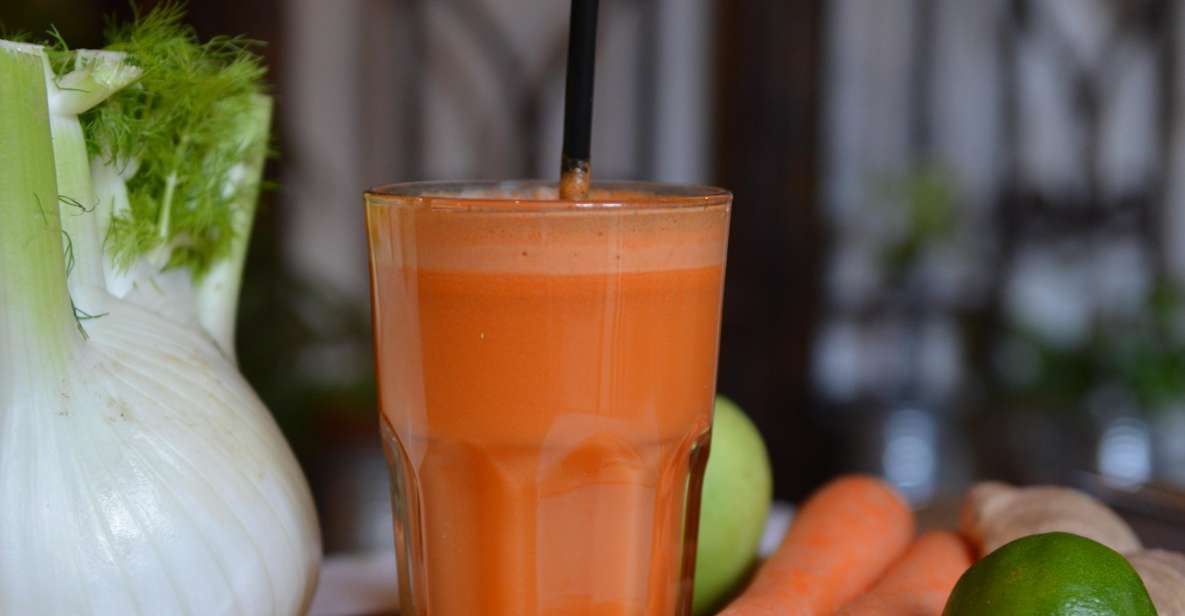
- Seasonal Roman produce as the organizer: you’ll taste based on what fits the time of year, not just a checklist.
- Jewish-Roman flavor notes: dishes like Jewish-Roman artichokes reflect Rome’s cultural mix.
- Sicilian patisserie stop: you get famously Italian desserts such as cannoli pistacchio and ricotta and more chocolate-style bites.
- Pairing culture made practical: you’ll try Cheese’n’Pear in a way that shows how Italians think about flavor balance.
- Gelato and espresso that follow the rules: emphasis on a great gelateria and the idea that real espresso should be bold and robust.
Roman Vegetarian Food Tour: More Than a Meat-Free List
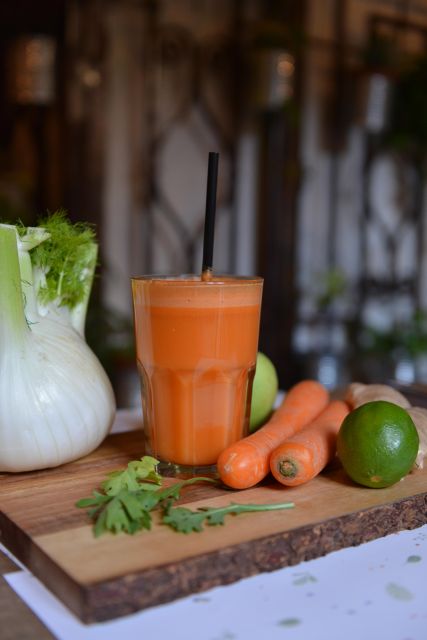
Rome’s food history is often told around meat and grand banquets. This tour flips that story. I like it because it treats vegetarian eating as a skill, not a compromise. You’ll see how Romans made “ordinary” ingredients feel special by using technique, timing, and clever combinations—things you can’t fully learn from a restaurant menu.
You’ll also get a strong sense of place. Rome is not just a pile of monuments; it’s a chain of neighborhoods where food habits differ block by block. The guide format matters here: with a 100% private guide and a small group (up to 10), you’re not lost in the crowd noise. You can ask the obvious questions—what’s seasonal, why that pairing, what to order next—and get real answers.
You can also read our reviews of more food & drink experiences in Rome


Meeting at Giordano Bruno in Campo de’ Fiori: Where the Walk Starts
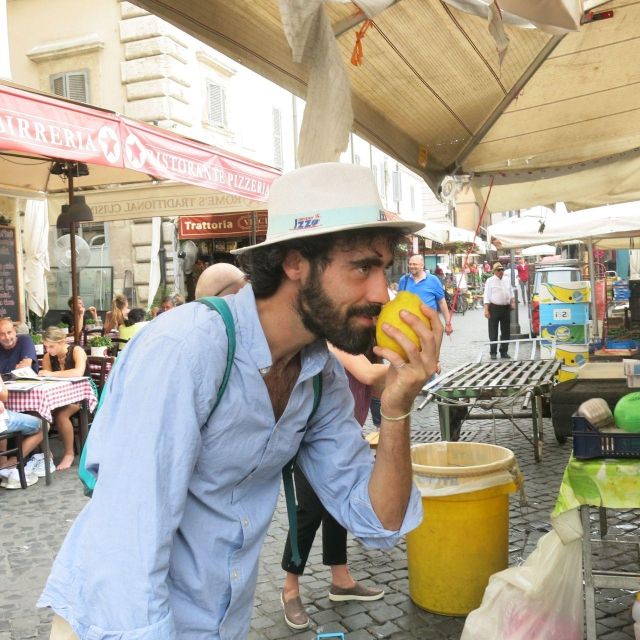
The meeting point is the Giordano Bruno Statue, which puts you right by the Campo de’ Fiori area. That’s a smart start. Campo de’ Fiori is one of those zones where the street energy is immediate: you can feel Rome’s daily rhythm even before you taste anything.
From there, the tour typically moves through central Rome and toward the Jewish ghetto area. Expect a real walking pace for 2.5 hours. This is not a long-lunch sit-down tour. It’s designed so you keep moving, tasting, and learning as you go.
Good to know: the walking route can include pauses where you look at art and details. One guide-led run includes stopping inside churches for incredible paintings, which adds texture beyond food.
What You’ll Taste: Seasonal Roman Vegetables and Street Snacks
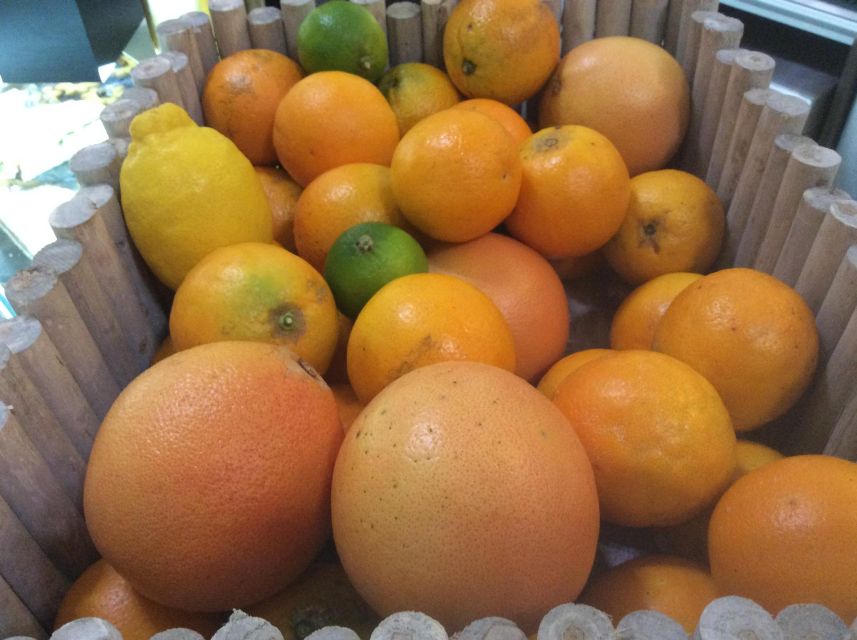
The heart of this experience is Roman-style vegetarian food built around what’s available in the season. That’s why the tour keeps mentioning fresh fruit, seasonal goods, and vegetables as the star. You’re not only eating; you’re learning how Rome builds flavor without relying on meat as the main event.
Here are the kinds of tastings that show up in the tour’s lineup and descriptions:
- Jewish-Roman artichokes: this matters because it’s cultural food, not just a vegetable dish. Artichokes carry identity in Rome, and the guide context helps you understand that.
- Roman pizza Rosso: a reminder that Rome’s snacks are more than tourist pizza slices. You get a feel for the Roman approach to dough, toppings, and simplicity.
- Suppli: that iconic fried rice snack—crisp outside, comforting inside—perfect for a walking tour because it’s easy to eat on the move.
- Fried zucchini blossom with cheese and anchovy: here’s where you see the tour’s balance. Even when the focus is vegetarian, the city’s traditions can still include ingredients like anchovy in classic recipes. The tour stays vegetarian in spirit and theme, but you may encounter traditional Roman touches depending on how dishes are presented.
Seasonal emphasis is also practical. If you’re visiting in winter, you get fruits and vegetables that actually make sense for winter in Lazio, not out-of-place produce.
The Sicilian Sweet Spot: Cannoli Pistacchio and Ricotta

Rome loves cross-pollination of food ideas, and this tour leans into that with a stop for Sicilian sweets. The description calls out an especially strong patisserie, and the tastings point to what Sicilian pastry does best: creamy filling, nutty flavor, and textures you can’t replicate at home.
The standout named items include:
- Cannoli pistacchio and ricotta
- homemade chocolate
- plus top-awarded patisseries energy, meaning you’re not just eating any dessert—you’re hitting places known for craft
Why this is valuable: dessert in Italy isn’t an afterthought. It’s part of the meal culture, and these stops help you understand how different regions within Italy share techniques while keeping distinct flavor identities. That matters when you’re later choosing what to order on your own.
If you have a sweet tooth, you’ll feel well fed. If you don’t, plan for the fact that the tour’s rhythm includes at least a couple of dessert-forward moments, not just tiny samples.
Cheese’n’Pear Pairing and Why Italians Make It Work
One of the most “this is why Italy is Italy” stops is the Cheese’n’Pear pairing. It’s a simple idea on paper—cheese and fruit—but the point is how Italians treat contrast: creamy + fresh, salty + sweet, and texture + aroma.
This pairing also trains your taste instincts for the rest of your trip. After you experience how the flavors are built to balance, you’ll be better at ordering in shops and markets. You’ll know what to look for, and you won’t default to ordering whatever looks familiar.
It’s also a good break from fried street foods. It brings you back to something that feels like a meal component rather than only a snack.
You can also read our reviews of more tours and experiences in Rome



Gelateria and Espresso: The Rules You’ll Want to Remember
This tour doesn’t treat coffee and gelato like background desserts. It treats them like proper craft.
You’ll look for a best gelateria in town style stop, the kind where cream tastes clean and smooth, not just sugary. The tour description also emphasizes authentic gelato and the idea that the quality shows in the flavor itself.
Then comes the espresso. The wording is clear: real Italian espresso blend. In plain terms, that means you’re not chasing a weak coffee. You’re tasting something meant to be bold and robust, the way many Italians drink it—fast, strong, and enjoyed for flavor.
If you’re used to big, milky coffees, this is a helpful reset. You’ll taste how espresso stands on its own, and you’ll likely start ordering coffee with more intention afterward.
Jewish Ghetto Walk and the Stories Behind the Food
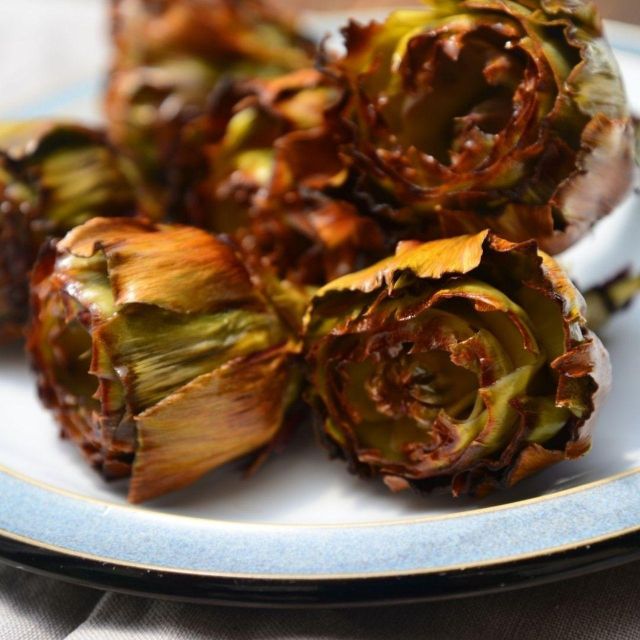
A big reason people love this tour is the street-level storytelling. The route often connects the walk around Campo de’ Fiori with time in the Jewish ghetto area. That’s where you get cultural context for dishes like artichokes, and where food history starts to feel personal.
One guide-led version includes the ability to hear local legends you might miss if you’re just walking on your own. It’s not just trivia. When the guide explains how communities influenced each other—what ingredients fit local life, what dishes become markers—it changes how you taste.
And yes, the food matches the story. This is the kind of tour where you can feel the logic of the menu instead of treating each stop as a separate eating event.
Pace and Group Size: Why the Small Numbers Matter
You’re in a small group limited to 10, with a private guide. That combination is one of the best ways to make a food walk feel like a conversation instead of a parade.
The tour lasts 2.5 hours, so the pace is active but not exhausting. It’s long enough to hit several neighborhoods and a mix of savory + sweet, but short enough that you still have energy after for Roman sights.
Also, the tour is wheelchair accessible, so it’s designed with real movement needs in mind. If you use a chair, it’s still smart to ask the operator what the route looks like on the day, but the accessibility is explicitly listed.
Languages and Guide Style: Getting Context, Not Just Instructions
The tour guide is available in English, French, German, Italian, and Spanish. Having that range matters because food tours get better when you can understand the details without straining.
Guide names that come up include Orso, Vincenzo, Viola, and Lana. The common thread in how the experience is described is history tied to food choices, plus practical recommendations for where to keep eating after the tour.
That’s a big plus if you’re the type who likes to wander with a plan. You’ll leave knowing what to order next, not just what you ate.
Price and Value: Is $81 Reasonable for Rome?
At $81 per person for 2.5 hours, you’re paying for more than snacks. You’re paying for:
- a private guide (not a large group lecture),
- multiple tastings tied to Roman and Sicilian food culture,
- coffee and/or tea,
- snack plus bottled water,
- and the walking route that ties everything together across central Rome.
What’s not included: alcoholic beverages. That’s actually good information for budgeting. If you want wine, you’ll plan that separately. If you don’t drink alcohol, you’re not paying extra for something you won’t use.
For value, the biggest tell is the mix: savory street snacks, vegetable-focused Roman items, at least one dessert/patisserie hit, and then gelato + espresso. If you’re already thinking of doing a food tour in Rome, this one fits well because the theme is clear and the tastings are varied.
Who This Tour Suits Best
This Roman Vegetarian Food Tour is a great fit if you:
- want vegetables and seasonal produce to be the center of the meal story,
- like culture tied to food, especially around Rome’s Jewish-Roman influences,
- want a walking experience that also helps you choose where to eat next,
- enjoy both savory bites and real pastry craft.
It might not be your top choice if you:
- want a meat-focused Rome itinerary,
- expect an alcohol-and-bar style tour,
- or prefer a longer sit-down meal over short tastings.
Should You Book This Roman Vegetarian Food Tour?
Book it if you want a well-structured food walk with strong theme control: vegetarian Rome through seasonality, Roman street snacks, Sicilian patisserie hits, and the espresso/gelato ritual. The small group size and private guide setup make it feel like you’re learning, not just consuming.
Skip it if you’re only interested in classic meat dishes or if you want alcohol included as part of the experience. And if you’re traveling in cold or rain, wear layers and expect walking—Rome food tastes great, but the route is still a walk.
If you want one Rome tour that helps you eat better for the rest of your trip, this is a smart choice.
FAQ
How long is the Roman Vegetarian Food Tour?
It lasts 2.5 hours.
Where does the tour meet?
The meeting point is the Giordano Bruno Satue.
How much does it cost?
The price is $81 per person.
Is it a private tour or a group tour?
It includes a 100% private guide, and the group is kept small, limited to 10 participants.
What languages are offered?
The live guide speaks English, French, German, Italian, and Spanish.
What food and drinks are included?
The tour includes a snack, coffee and/or tea, and bottled water.
Are alcoholic beverages included?
No. Alcoholic beverages are not included.
Is the tour wheelchair accessible?
Yes, it is listed as wheelchair accessible.
Is there a cancellation option?
Yes. You can cancel up to 24 hours in advance for a full refund.
Can I reserve without paying right away?
Yes. You can reserve now & pay later, keeping your plans flexible.