REVIEW · ROME
Rome: 3-hour guided city tour by electric golf cart
Book on GetYourGuide →Operated by Experiences Of Rome · Bookable on GetYourGuide
Rome can feel like a lot, fast—but this electric golf cart tour keeps it fun and photo-friendly. You get a smooth ride through the historic center with 360-degree views, plus a guide’s stories that turn big landmarks into real places. I like that the route hits both the classics and the hilltop viewpoint moments, so you come away with images you’ll actually want to share.
The main trade-off is time. Most stops are short photo-and-walk breaks (think 5–10 minutes), so if you want slow museum-style visits, you’ll have to save those for a separate day.
In This Review
- Key things you’ll notice
- Meeting at Repubblica: Easy start, smart route
- Pincio Terrace and Piazza del Popolo: Rome’s “wow” factor early
- Piazza di Spagna and Trevi Fountain: Classic Rome, timed for photos
- Pantheon and Vatican City: Big names without the marathon walk
- Janiculum Hill to Trastevere: From monuments to lived-in Rome
- Aventine Hill and Circus Maximus: Under-the-radar views with purpose
- Colosseum Arena Floor: The “final boss” photo moment
- Price and value: Is $135.94 worth it?
- Who this tour fits best (and who should think twice)
- Final thoughts: Should you book?
- FAQ
- FAQ
- How long is the Rome electric golf cart tour?
- Where does the tour start and end?
- What’s the group size?
- Is it private or shared?
- What languages are available for the live guide?
- Is the tour wheelchair accessible?
- What major sights are included?
Key things you’ll notice
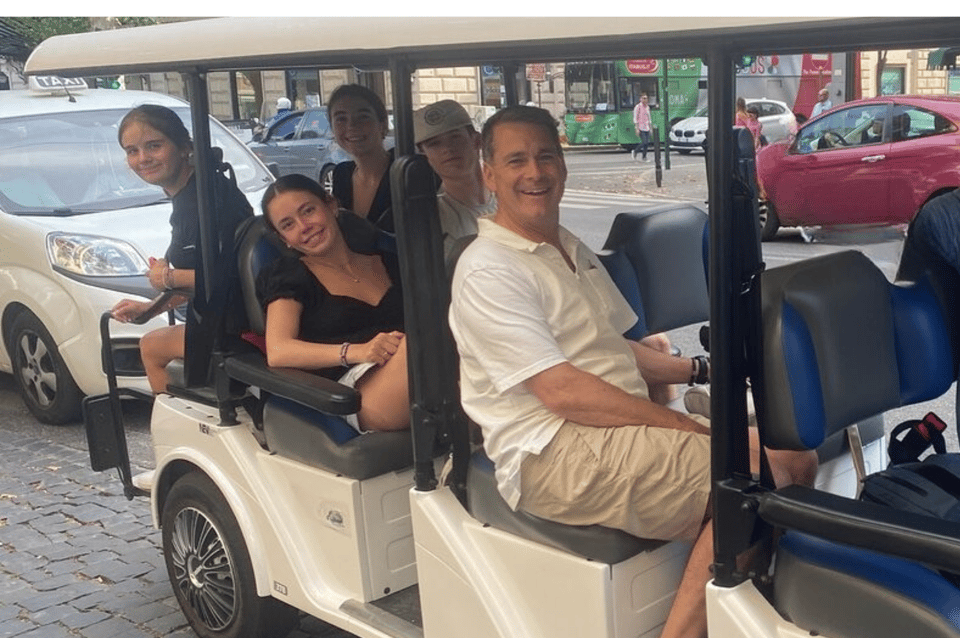
- Small group (up to 7) means less waiting and more time at your stops
- Private tour with a guide who can tailor the flow to you
- Photo stops at iconic sights like Trevi Fountain, Pantheon, and the Colosseum Arena Floor
- Terraces and viewpoints are built into the route, not left to luck
- Trastevere time gives you a taste of everyday Rome, not just monuments
- Restricted-traffic access helps you get closer than you’d manage on foot
Meeting at Repubblica: Easy start, smart route
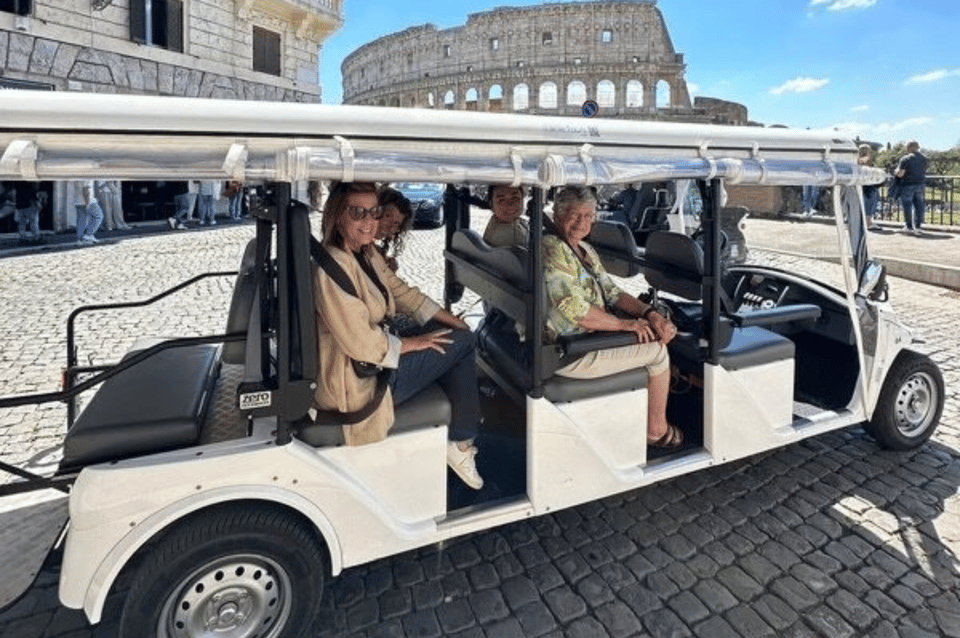
The tour begins near Piazza della Repubblica, in front of the Hotel Anantara Palazzo Naiadi by the Repubblica Metro stop. That’s a practical starting point because it puts you right in the middle of the action, and it makes the route feel efficient from the start.
Once you’re aboard, you’re not stuck weaving through crowds on foot. The electric golf cart is quiet and comfortable, and that matters in Rome where noise and traffic can be exhausting. You’re also dealing with hills and uneven sidewalks; the cart smooths that out so you can actually enjoy the scenery instead of managing your feet.
From the beginning, the pace feels designed for photos: you stop at lookouts, get time to frame shots, then roll to the next highlight. If you’re the type who likes to see a lot without turning the day into a workout, this format fits well.
You can also read our reviews of more guided tours in Rome
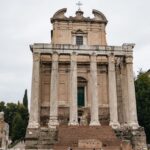
Pincio Terrace and Piazza del Popolo: Rome’s “wow” factor early
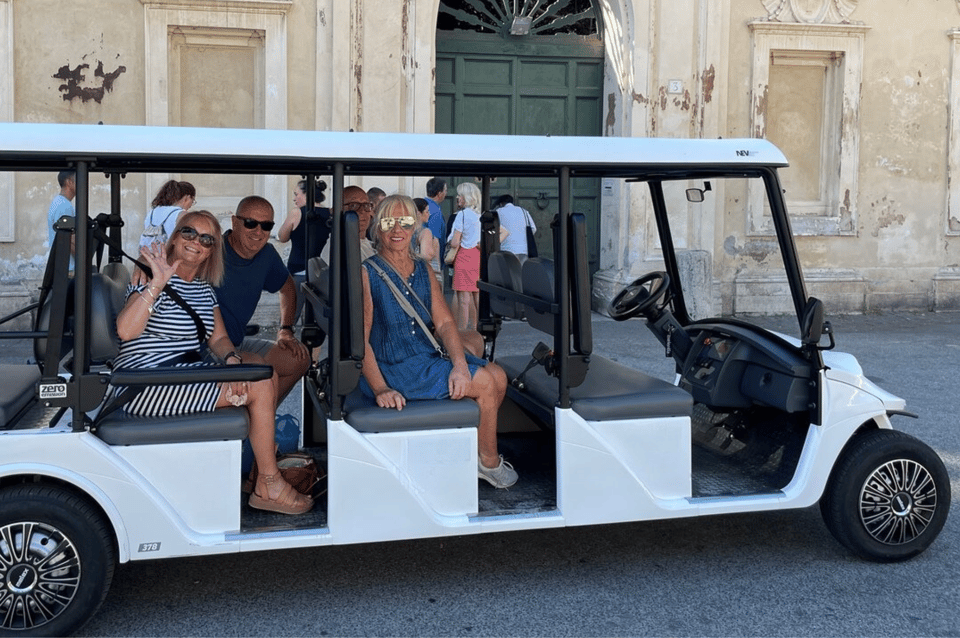
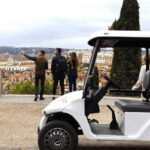
Stop 1 and your first big moments are set up for instant impact. You’ll ride for a short transfer, then reach Pincio Terrace for a photo stop and a quick visit. This area is all about views—Rome spread out below, with the kind of perspective that’s hard to recreate from street level.
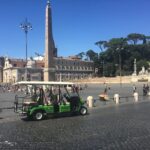
Next comes Piazza del Popolo, where you get another photo stop and a brief visit. This square sits at a crossroads of major sightseeing lanes, so it’s a useful “reset” stop. You can look around, take a few photos, and get your bearings before the route starts stacking up more famous landmarks.
The drawback here is that you might want longer at viewpoints, because viewpoints always feel like they deserve more time. But the upside is that you’ll hit multiple top angles in one morning/afternoon block, instead of choosing just one.
Piazza di Spagna and Trevi Fountain: Classic Rome, timed for photos
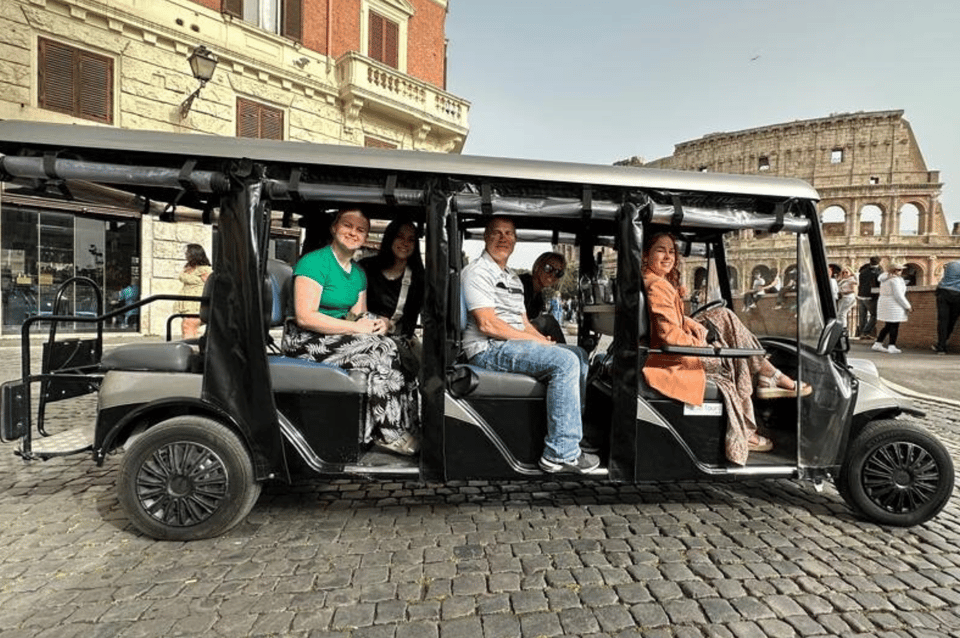
Then the route moves to Piazza di Spagna for another photo stop and visit. This is one of those Rome scenes that looks great in photos from almost any angle—especially if you can grab the light before the busiest crowds fully gather. Even with a short stop, you can still get that “I’m here” shot.
From there, you roll to Trevi Fountain for its photo stop and visit time. Trevi is famous for a reason, but it can also be chaotic. The cart setup helps because you’re not fighting for position on the road for long stretches. You can arrive, step out for photos, then get guided attention on the best places to frame the fountain.
One practical note: depending on timing and seasonal maintenance, water features can sometimes be temporarily affected. The tour is designed around photography and quick visits, so if something is temporarily closed or under cleaning on the day you go, you’ll still have enough time at the surrounding area to enjoy the scene and shoot something memorable.
Pantheon and Vatican City: Big names without the marathon walk
After Trevi, you head toward Pantheon, Rome for a photo stop and short visit. The Pantheon is one of the most visually satisfying stops you can make in Rome, and it’s easy to underestimate how impressive it feels once you’re actually there. The brief time won’t turn it into a long “walk-through,” but it’s a smart stop because it balances your day between monuments that are mainly outward-facing and places with a dramatic architectural presence.
Next is Vatican City for another photo stop and visit. This is where the tour earns its “easy day” reputation. You get a location that usually takes planning and long walking routes on your own, without losing the chance to capture key exterior views.
You’ll also hear guide commentary along the way, so you’re not just collecting photos—you’re learning what you’re looking at. That’s especially helpful when you’re hopping between iconic areas that can feel visually similar if you’re just doing it on your own.
Janiculum Hill to Trastevere: From monuments to lived-in Rome
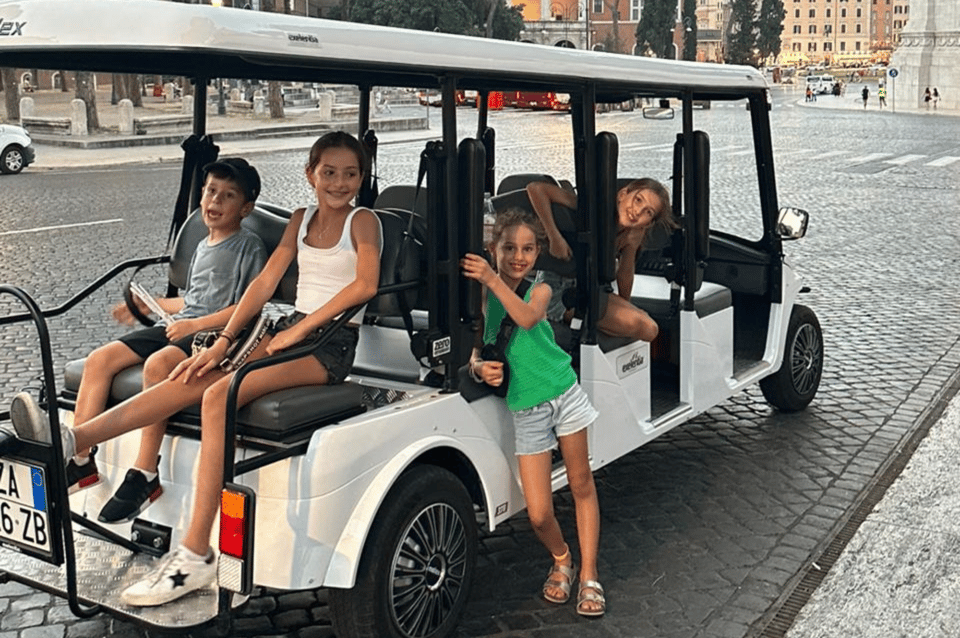
After the central heavy hitters, the tour adds a scenic reset: Janiculum Hill. You get a photo stop and visit time, and this is one of those moments where you can feel Rome’s scale. Hill viewpoints don’t just look good; they help you understand how the city is built—layers of neighborhoods, domes, and courtyards spaced out across distance.
Then you head to Trastevere, one of Rome’s most recognizable neighborhood vibes. The stop includes a photo stop and visit time, which is ideal if you want atmosphere without committing to a full neighborhood wandering day. Trastevere is famous for its character—streets that feel more local than tourist, and a sense of neighborhood rhythm that’s different from the big monument zones.
You’ll also have time built in for breaks that make the tour feel less like a checklist. The experience includes short stops for ice cream or coffee, and that’s exactly what you want at this point—something sweet, something warm, and a minute to slow your brain down.
You can also read our reviews of more city tours in Rome


Aventine Hill and Circus Maximus: Under-the-radar views with purpose
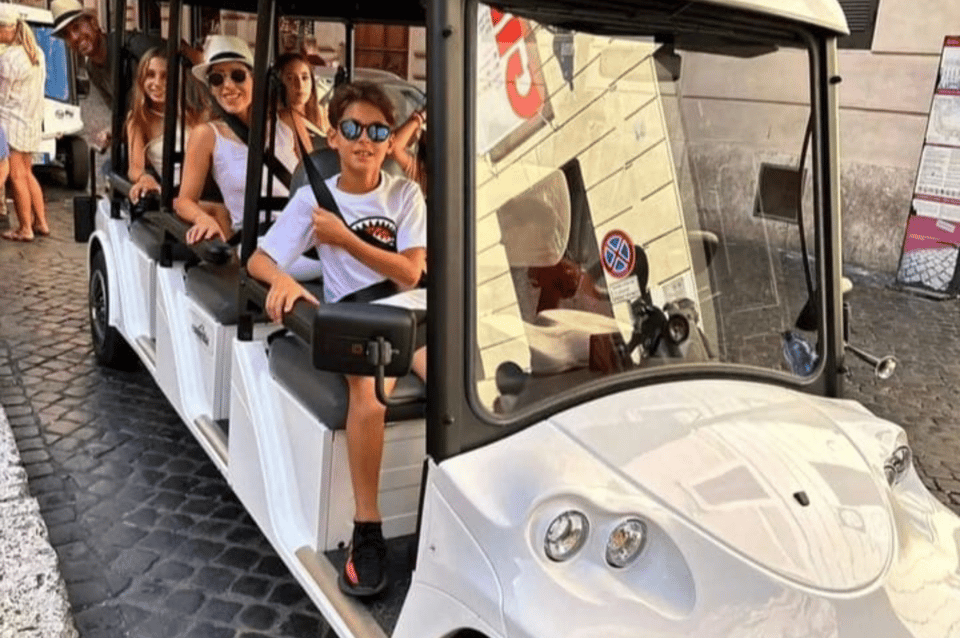
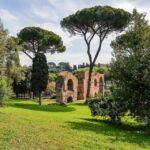
Next comes Aventine Hill for a photo stop and visit time. Aventine is quieter than some of Rome’s headline areas, and it gives you a different angle on the city. It’s also a good contrast stop: after Trastevere’s streets, you get a hilltop perspective that makes Rome’s geometry click.
Then you move to Circus Maximus for a photo stop and visit. This area is famous historically, but it can feel abstract if you’re just reading signs. The tour’s strength is that it connects what you’re seeing to what it once was, which helps you make sense of the space even if your time is brief.
Again, short stops are the trade-off. You can’t linger for long conversations or long scenic walks. But for people who want to see lots and get photos that match the effort level they can handle, the timing makes sense.
Colosseum Arena Floor: The “final boss” photo moment
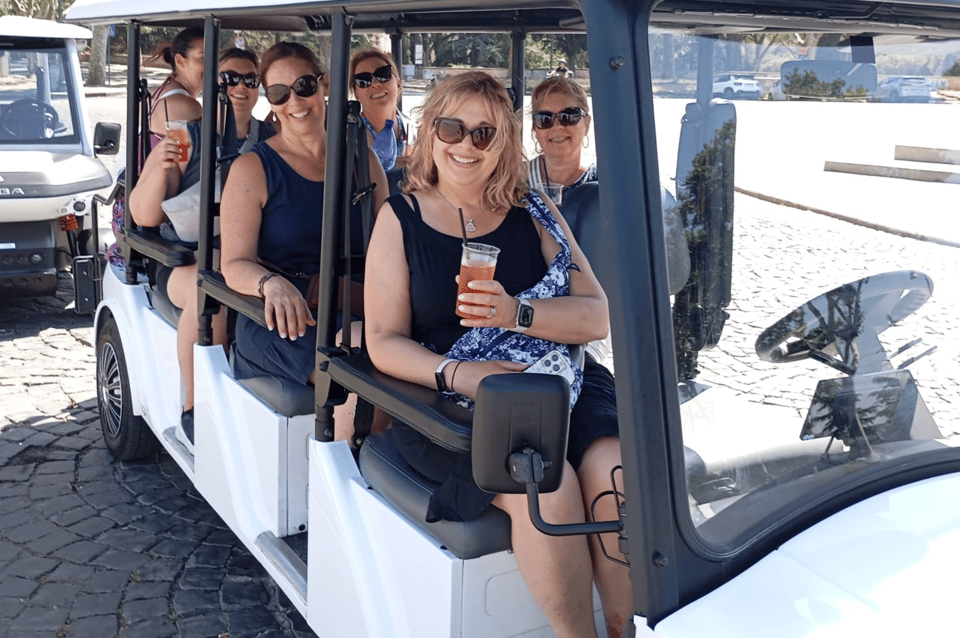
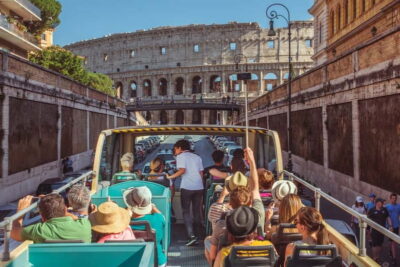
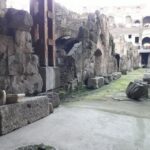
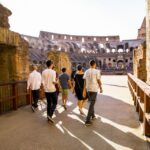
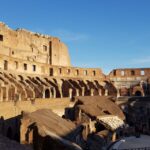
The route’s highlight stretch is capped by Colosseum Arena Floor for a photo stop and visit. The Colosseum is the one stop that can make your entire trip feel real, because it’s not just a photo—you’re looking at a structure with huge presence.
The tour’s format helps here, too. Getting close to the Colosseum area without turning your day into a long, exhausting trek is a big deal. You’re also not spending hours in transit between scattered sights. Instead, the route keeps you moving in a logical loop that ends where it needs to end.
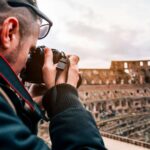
If you care about photography, this is where your timing and framing really matter. You’ll get the guided stop to help you get into the right position fast, so you’re not wasting your limited minutes figuring out where to stand.
Price and value: Is $135.94 worth it?
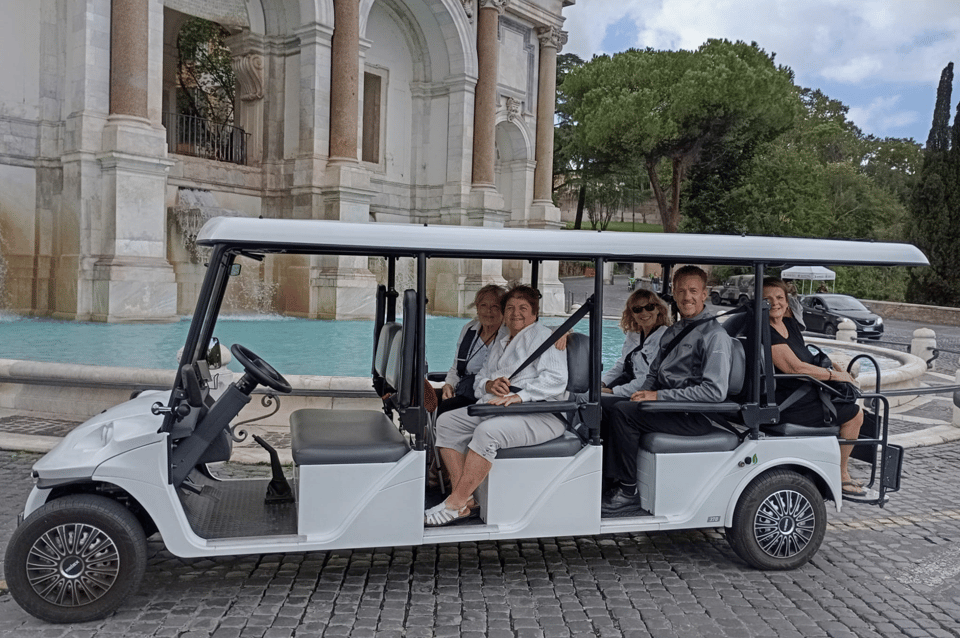
At $135.94 per person for a 3-hour private tour, the question isn’t just whether it’s “cheap.” It’s whether it buys you time, convenience, and better results.
Here’s what you’re paying for, in real terms:
- Transport on an electric golf cart, so you cover major distances without foot fatigue
- A local guide providing informative commentary and stop-by-stop guidance
- Stops that are optimized for photos, including major landmarks and viewpoints
- Access to restricted traffic zones, which is one reason you can get closer than you might manage solo
For solo travelers, couples, or families who want a “top sights in one day” experience without the grind, the value is strong. For people who already love slow strolling and don’t mind planning their own route, you might not need a guided cart tour.
But if your goal is to see a lot, get great views, and keep the energy for dinner afterward, the price starts to feel more reasonable.
Who this tour fits best (and who should think twice)
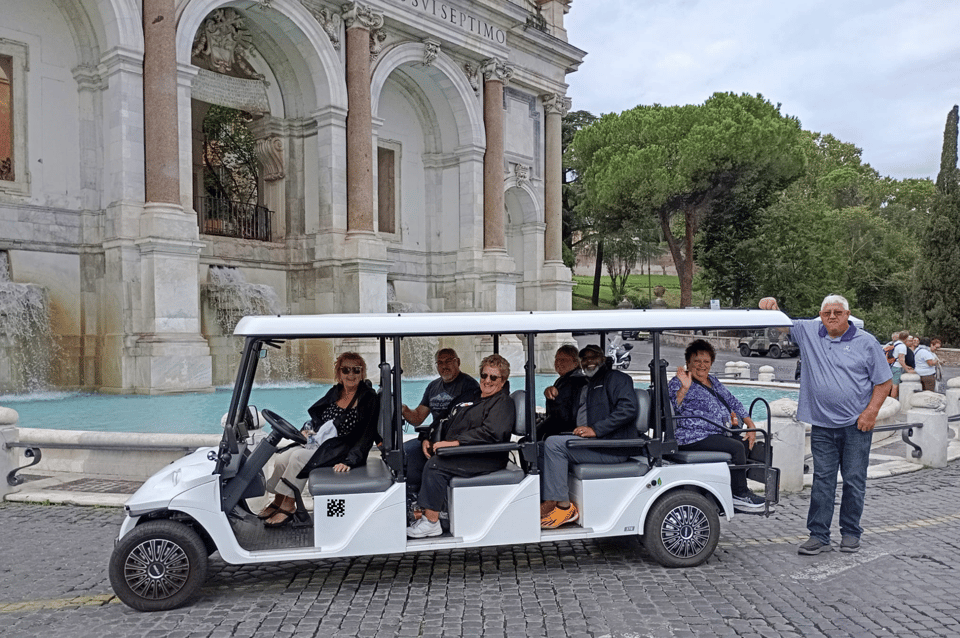
This is a great match if you:
- Want to see major Rome landmarks in a single day segment
- Prefer short, planned stops over long walks
- Like getting local tips so you know what to do with the rest of your trip
- Want a comfortable ride with 360-degree photo opportunities
It’s a weaker fit if you want long museum time, slow neighborhood wandering, or long, unstructured exploration at just one site. The format is built for coverage and photos, not for deep stays in each location.
One more small thing: the tour is limited to a small group of up to 7, and it’s wheelchair accessible. If you have mobility needs, the cart helps a lot because the schedule is designed around staying close to the sights.
Final thoughts: Should you book?
If your Rome plan is tight—like you only have 2 or 3 days—this tour is a smart way to get the big images and the best viewpoints without exhausting yourself. I also like that you’re not just dropped at random places; you get guide context, photo stops, and the kind of pacing that keeps the day enjoyable.
Book it if you want convenience, strong photo timing, and local guidance in one 3-hour block. Think twice if you’re the type who wants to linger for hours at a single monument or museum. If you’re somewhere in the middle, this cart tour is a very practical way to get a memorable Rome snapshot.
FAQ
FAQ
How long is the Rome electric golf cart tour?
It runs for about 3 hours.
Where does the tour start and end?
It starts in front of the Hotel Anantara Palazzo Naiadi near the Repubblica Metro stop, and it ends back at the same meeting point.
What’s the group size?
It’s a small group limited to 7 participants.
Is it private or shared?
This is described as a private tour.
What languages are available for the live guide?
The live guide is available in Italian and English.
Is the tour wheelchair accessible?
Yes, it is wheelchair accessible.
What major sights are included?
You’ll stop for photo opportunities and short visits at sights such as the Colosseum (including the Arena Floor), Trevi Fountain, the Pantheon, Vatican City, Trastevere, Janiculum Hill, Aventine Hill, Piazza di Spagna, Piazza del Popolo, and Circus Maximus.