REVIEW · ROME
Rome: Dinner Food Tasting & Wine Pairing VIP Experience
Book on GetYourGuide →Operated by Tour in the City - Travel Agency Rome - · Bookable on GetYourGuide
Wine and food, but under 2,000-year-old stone. In Trastevere, this 1-hour VIP tasting puts you in a basement cellar tied to a 1st-century cistern, then walks you through Italian flavors with a serious wine pairing focus.
I especially like two things: the small group size (max 18), which keeps the experience personal, and the fact that you get guided wine tasting and pairing tips, not just a passive pour-and-plate. The staff also talk origins and stories behind the food, so you taste and understand at the same time.
One consideration: this is not built for everyone, since it’s not suitable for vegans and people with food allergies (even though intolerances can sometimes be adapted if you tell them when booking). Also, it’s not for wheelchair users.
In This Review
- Key highlights you will feel right away
- Where Trastevere Goes Underground at Catina Fabullus
- The 60-Minute Tasting Flow: What Happens During Each Part
- Wine Pairing That Actually Teaches You to Taste
- What Slow Food Presidium Means on Your Plate
- The Food Menu: Cheese, Cured Meats, Olives, Bread, Mozzarella, Roman Pizza
- Price and Value: Why $59 Can Be a Smart Use of Time
- Who This Tasting Fits Best (And Who Should Skip It)
- Timing, Meeting Point, and Practical Tips in Trastevere
- Should You Book This VIP Wine and Food Experience?
- FAQ
- How long does the dinner food tasting and wine pairing last?
- Where do I meet the group in Rome?
- What’s included in the tasting?
- Is this experience suitable for vegans or people with food allergies?
- How many guests are in the group?
- What languages are the tour explanations available in?
Key highlights you will feel right away
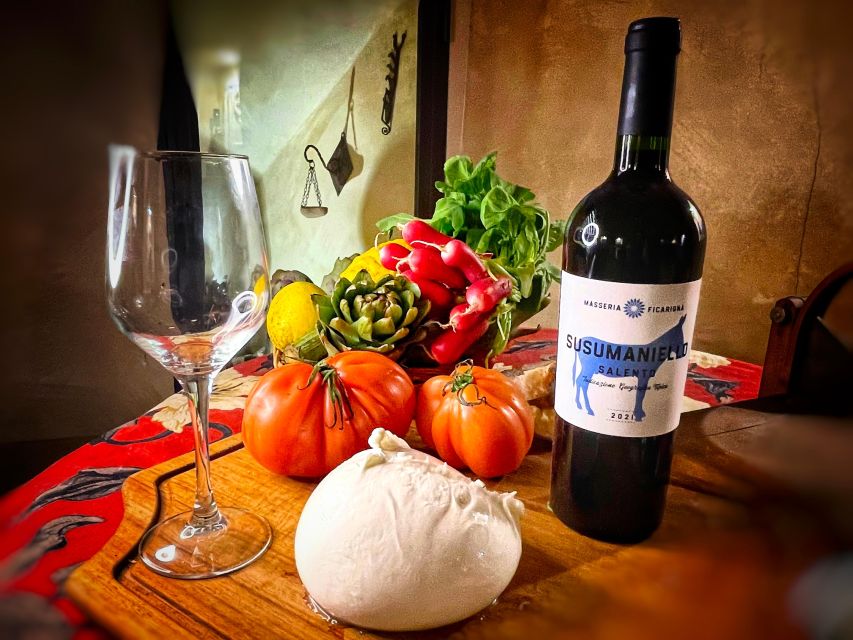
- Underground setting in Catina Fabullus, created from a recovered cistern dating to the 1st century AD
- Strictly small groups (up to 18), so you can actually ask questions about pairing and taste
- A full set of wines: Prosecco plus 2 Italian whites and 2 Italian reds, paired through the meal
- Slow Food presidium products from small artisans, with labels like DOP/IGP/PDO/PGI showing origin and craft
- Lots of food variety for a 60-minute slot: cheeses, cured meats, mozzarella and ricotta, olives, bread, Roman pizza, dessert, and coffee
- Host-led explanations that teach you how to taste wine correctly, not just what to drink
Where Trastevere Goes Underground at Catina Fabullus
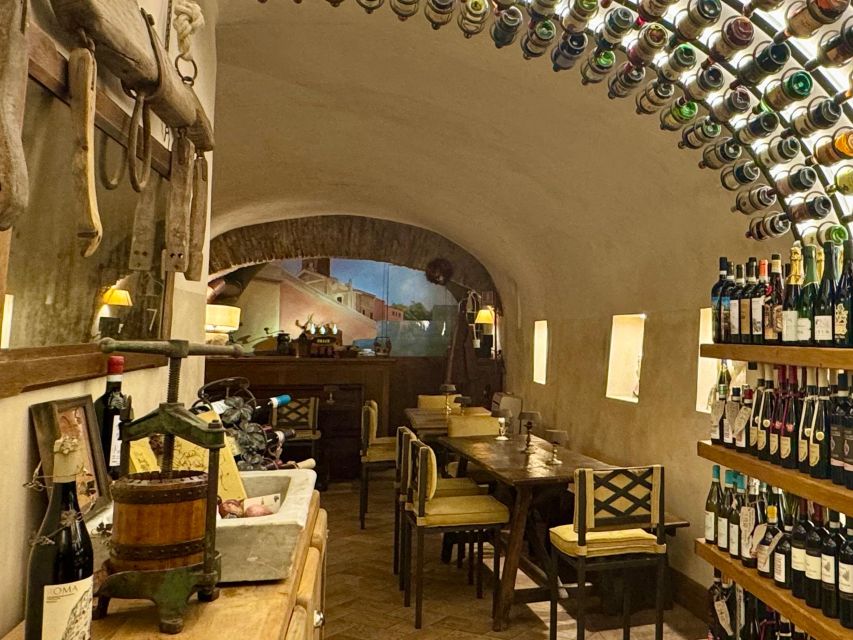
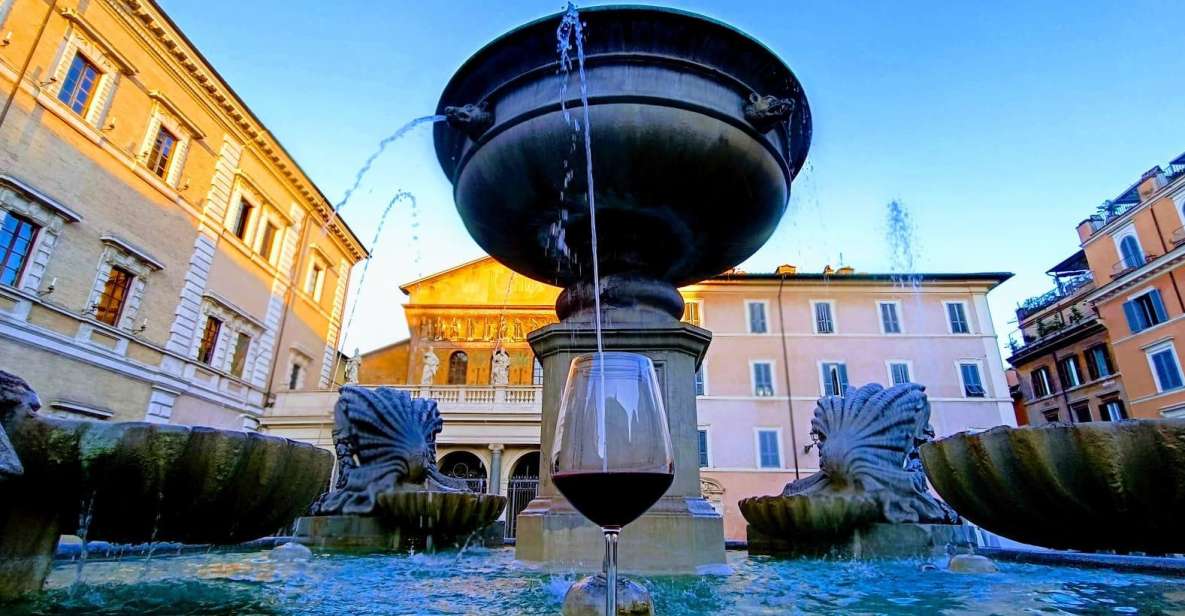
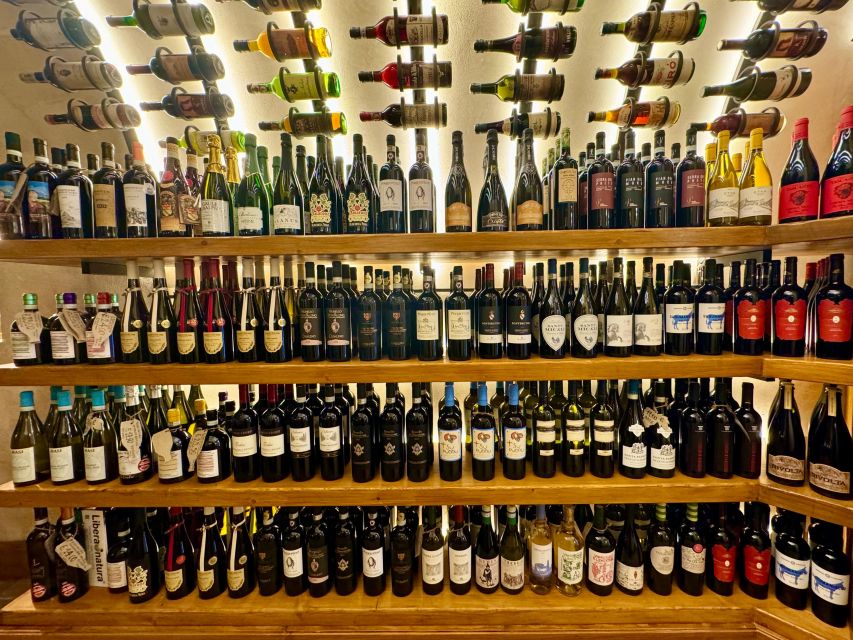
Trastevere is already a great place to spend an evening, and this experience adds a different kind of atmosphere by taking you below street level. The meal happens in the basement of an 18th-century building at Catina Fabullus, in a cellar formed from the careful recovery of a 1st-century AD cistern. That’s not a background detail. It changes how the whole tasting feels: cooler, quieter, and very “you’re in on something” compared to a typical restaurant dinner.
The setting also matters because the pacing is designed for conversations. This is not a rushed, loud, many-tables setup. You’ll be welcomed by staff who explain the origins and stories behind ingredients, cheeses, cured meats, breads, and the wine pairings themselves. In one review, the host Carlota was singled out for being especially kind, and the quality and variety of products stood out for the overall experience.
Practical takeaway: wear comfortable shoes and plan for a short walk from the meeting point to the cellar. Once you’re inside, you’re there for the long enough to taste, learn, and finish with dessert and coffee.
You can also read our reviews of more food & drink experiences in Rome


The 60-Minute Tasting Flow: What Happens During Each Part
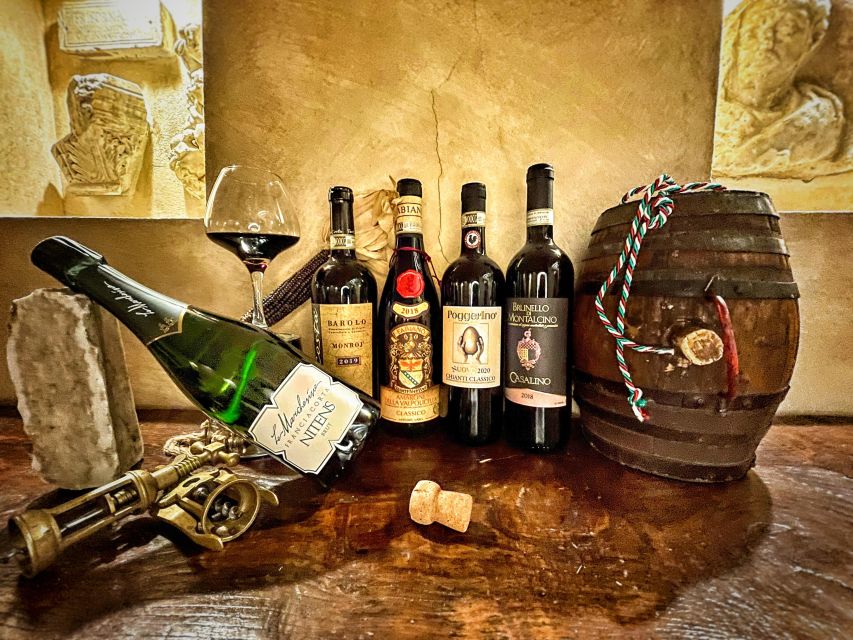
This is a focused 1-hour experience, and the meal structure is designed to move you through “Italy by taste” without dragging it out. All tastings are by reservation and limited to 18 guests max, which helps keep the timing tight and the explanations clear.
Here’s how it typically unfolds:
First, you start with a welcome drink: 1 Prosecco. Expect this to act like a palate opener while the staff set the tone and explain what’s coming next.
Then you move into the core meal: a 3-course tasting built around Italian classics. The food mix isn’t just cheese and meat. You’ll see combinations across fresh and mature cheeses, various cured meats and ham (including mortadella with pistachio), buffalo mozzarella, buffalo ricotta, and vegetables served in oil or vinegar. Along the way, you also get 4 types of olives, 3 qualities of bread, and extra virgin olive oil, which makes the pairing feel like a real table in Italy instead of a formal lesson.
As you go deeper, you’ll also taste things like Roman pizza, plus honey and jams meant to pair with cheeses. That sweet-salty contrast is one of the easiest ways to notice what pairing is doing, even if you are new to wine.
Finally, you finish with ice cream or a traditional Italian dessert and coffee. One review even mentioned dessert with spirits, so while the menu can vary seasonally, don’t be surprised if the finish includes a bonus pairing element.
Wine Pairing That Actually Teaches You to Taste
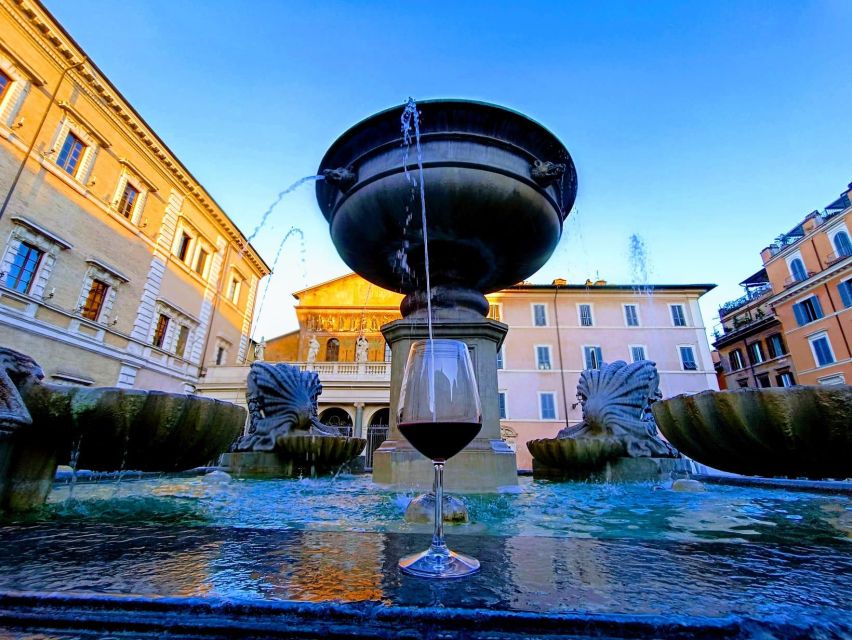
Lots of wine tastings in Rome are just a list of labels. This one tries to do something more useful: teach you how to taste wine and how pairing works.
You get 5 wines total across the experience: 2 Italian whites, 2 Italian reds, plus the Prosecco at the start. The staff match them with the courses and also explain why certain wines work with certain flavors—think fat and salt with acidity, or cured meats with the right structure.
What I like about this approach is that it gives you a tool you can use after the tour. If you walk away with even a basic sense of how acidity, tannins, and aroma interact with food, your next dinner in Rome becomes less guesswork and more fun. And because the group is small, you can usually ask a question without feeling like you’re slowing a train.
One more practical note: unlimited water is included. That’s not just comfort. It helps you keep your palate sharp and your pace steady through the hour.
What Slow Food Presidium Means on Your Plate
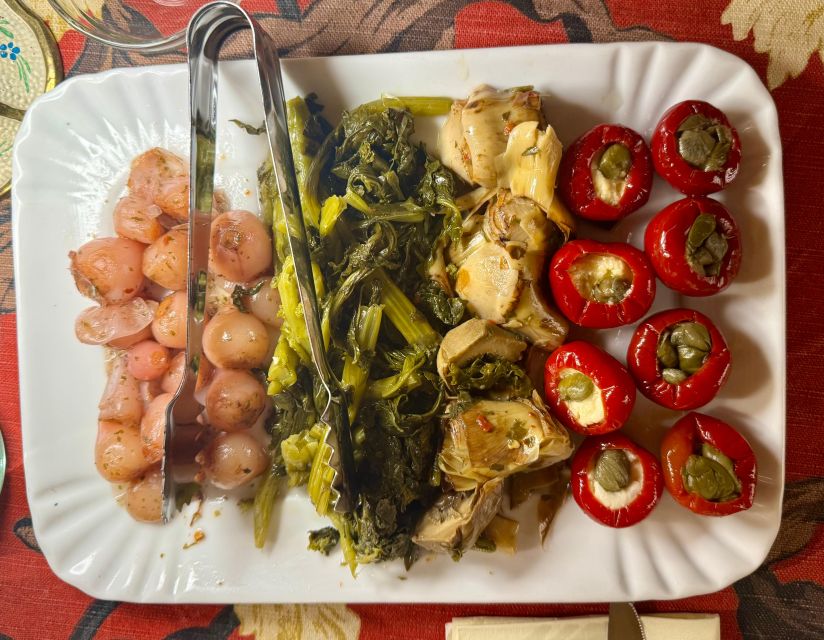
This experience leans hard into Italy’s origin labels and traditional production, and it’s worth understanding what that is before you go. The tasting uses products recognized by Slow Food presidium from small artisans who preserve tradition while respecting the environment and biodiversity.
You’ll see that reflected in the menu through a long list of cheese and salumi categories tied to geographic identity. The info packet mentions DOP, IGP, PDO, and PGI, which are basically systems that protect native varieties and traditional production methods, and help consumers trace where and how foods come from.
Expect to taste items like:
- Gorgonzola DOP
- Parma ham DOP
- Parmigiano Reggiano
- Lardo di Colonna DOP
- Mortadella Bolognese DOP
- Salame Marchiggiano
- Tuscan bread Sciocco PDO
- Guanciale di Amatrice
- Pane Veroli PGI
- Pecorino di Moliterno PGI
- Provolone del Monaco PDO
- plus more items that can change with season and availability
Why this matters for you: when products have protected origin and production standards, you taste less like you’re eating “Italian-style” and more like you’re eating the real thing from a specific place and craft tradition. It also gives the staff an easier job explaining what you’re tasting, because there’s real provenance behind the flavors.
The Food Menu: Cheese, Cured Meats, Olives, Bread, Mozzarella, Roman Pizza
The best part of a tasting menu is when it feels abundant without feeling stuffed. Here, you get serious variety in a short time.
On the cheese side, you’ll likely taste both fresh and aged options. Expect varieties that include buffalo mozzarella and buffalo ricotta, plus regional cheeses such as Gorgonzola and Parmigiano Reggiano in the list of items you may encounter.
On the cured-meat and ham side, you can plan for a classic Italian spread: cured meats and ham types, including Parma ham DOP and Mortadella Bolognese DOP, and items like Lardo di Colonna and Guanciale di Amatrice. That’s why vegans should skip this one, and why people with certain dietary limits will need to be careful.
You’ll also get:
- 4 types of olives, which is a great pairing playground with both white and red wines
- 3 qualities of bread and extra virgin olive oil, so you can notice how texture and fat interact with wine
- Vegetables served in oil or vinegar
- Roman pizza as part of the tasting mix
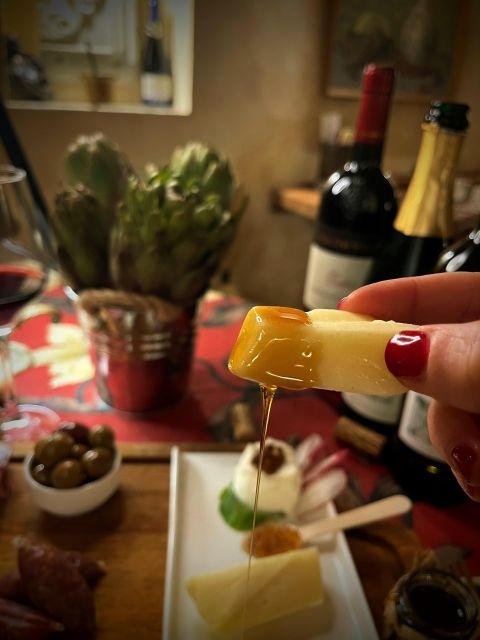
- Honey and jams to pair with cheeses, which makes sweet flavors feel intentional rather than random
Seasonal variation is explicitly part of the deal, so don’t expect every single listed item every time. But the structure stays consistent: you get a guided “from north to south” flavor sweep across Italy, and you get to try enough combinations to remember what you liked.
You can also read our reviews of more tours and experiences in Rome



Price and Value: Why $59 Can Be a Smart Use of Time
At $59 per person for about 60 minutes, the big value question is whether you’re paying for a real tasting meal and real guidance, or just buying a seat.
Here, the price feels more justified because a lot is included:
- Multiple wines (Prosecco + 2 whites + 2 reds) rather than a couple pours
- A 3-course tasting with cheeses, cured meats, mozzarella, ricotta, vegetables, olives, bread, Roman pizza
- Pairing elements like honey and jams meant specifically for cheeses
- Dessert and coffee to finish
- Unlimited water for pacing and comfort
And the small group (max 18) helps. When you’re not fighting for attention, you can get more from the same meal. One review highlighted that the detailed explanations made this tasting stand out compared to other tastings in Europe. Another review described the selection of wines, cheeses, meats, olives, and bread as both delicious and well paired, and said it filled them enough for dinner.
My practical take: if you want a night in Trastevere that feels authentically Italian but still structured and time-efficient, this is a good use of $59. If you’re the type who already knows wine well and prefers to order a la carte, you might prefer a standard restaurant. But for most people, this is a compact way to get both food education and serious sampling.
Who This Tasting Fits Best (And Who Should Skip It)
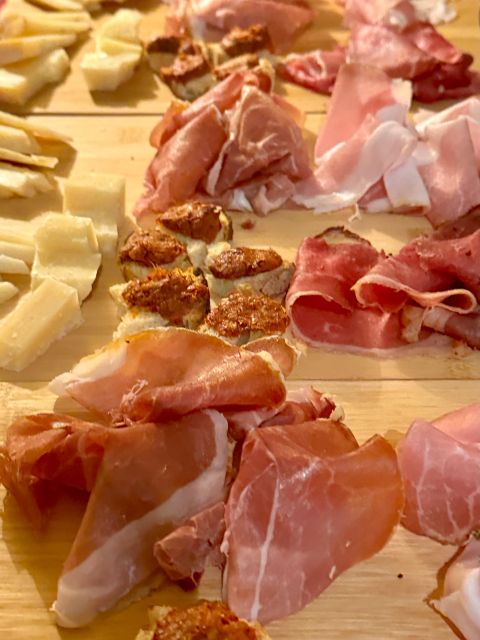
This is best for adults who enjoy cheese and cured meats and want to learn how pairing works. You’re getting a menu that includes Italian classics like buffalo mozzarella, ricotta, and cured specialties such as Parma ham and mortadella—so people who like that style will feel at home.
It’s also a strong match if you:
- Want a small-group experience (max 18)
- Like staff-led explanations and wine tasting guidance
- Prefer your dinner plan to be one set experience that ends after about an hour
- Are spending time in Trastevere and want a special “Roman evening” that’s not just a bar crawl
It’s not a fit if you:
- Need wheelchair access (not suitable for wheelchair users)
- Are vegan (not suitable for vegans)
- Have diabetes (listed as not suitable)
- Have food allergies (listed as not suitable)
If you have intolerances rather than allergies, the experience says alternatives are always available upon request and can be adapted. But make that communication when booking. One review also praised the host for accommodating and keeping things running smoothly when a guest was running late, which shows the staff aim to make the full experience happen when possible.
Timing, Meeting Point, and Practical Tips in Trastevere
Meet at the entrance of Hotel Residenza San Calisto on Via dell’Arco di San Calisto 19/20, the spot with the red canopy. When you arrive, ring the bell at the entrance. From there, you’ll get directed into the basement cellar setting at Catina Fabullus.
A few practical tips so your hour goes smoothly:
- Arrive on time. This experience is tightly scheduled at about 60 minutes.
- If you’re prone to running behind, it still helps to let the host know early. One review mentioned the operator kept the bar open when someone arrived late, so clear communication matters.
- Plan around it. Because the tasting is designed to include multiple food items and dessert and coffee, it can cover a lot of your evening’s eating.
- Languages include English, Italian, and Spanish, so you can expect explanations in those languages.
Seasonal menus also mean the exact items may vary depending on availability, but the pacing and pairing approach stay consistent.
Should You Book This VIP Wine and Food Experience?
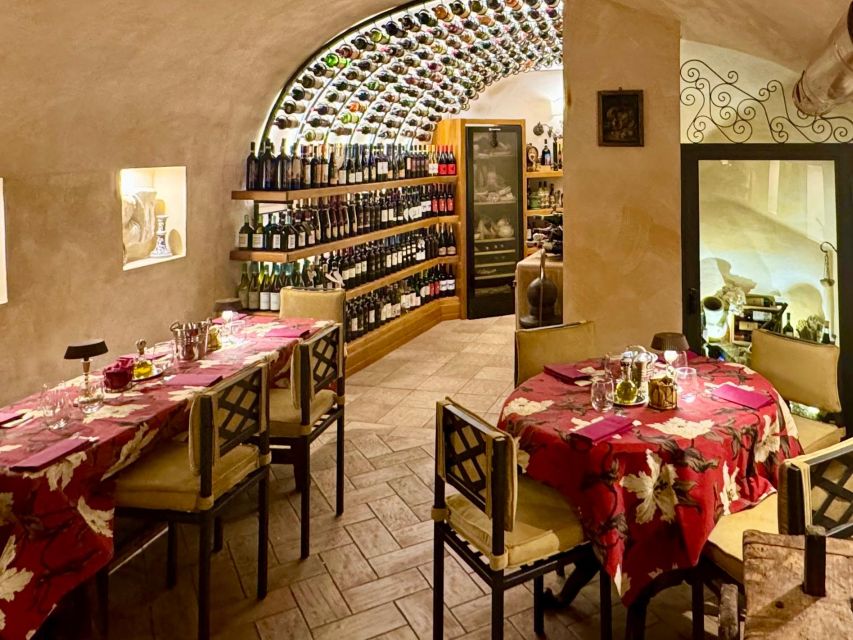
Book it if you want a real, guided Italian wine-and-food experience in a special setting: an underground cellar tied to a 1st-century cistern, with Slow Food presidium products and a tasting that actually teaches pairing. The small-group max of 18 and the 5-wine structure make it feel like more than a snack, and the fact that staff cover both origins and tasting technique can turn it into a skill you use later on your trip.
Skip it if you’re vegan, use a wheelchair, deal with diabetes, or need to avoid food due to allergies. Also skip if you hate the idea of a set menu. This is built as a single guided tasting, not a restaurant where you can freely customize everything.
If you fit the target audience—cheese and cured meats lovers who enjoy learning as they taste—this is a strong value way to spend an hour in Trastevere.
FAQ
How long does the dinner food tasting and wine pairing last?
The experience lasts about 1 hour.
Where do I meet the group in Rome?
Meet at the entrance of Hotel Residenza San Calisto, Via dell’Arco di San Calisto 19/20, at the entrance with the red canopy. Ring the bell when you arrive.
What’s included in the tasting?
It includes 1 Prosecco, 2 Italian white wines, 2 Italian red wines, unlimited water, a 3-course tasting, 4 types of olives, 3 qualities of bread, extra virgin olive oil, Roman pizza, honey and jams to pair with cheeses, plus ice cream or a traditional Italian dessert and coffee.
Is this experience suitable for vegans or people with food allergies?
No. It is not suitable for vegans or people with food allergies. The experience notes that alternatives are available upon request for tastes or food intolerances, but you must communicate needs at booking.
How many guests are in the group?
The tasting is limited to a maximum of 18 guests.
What languages are the tour explanations available in?
English, Italian, and Spanish.