A street-map day can still feel exciting. This guided German walking tour connects the big names—Vicus Caprarius included—with lesser-known layers of old Rome. You start in Piazza Navona, then move through impressive ruins, church art, and even an underground water story.
I love that it pairs famous stops with real context, so you’re not just staring at postcards. Two standouts for me are the clear commentary and the practical way you’re guided around the center using provided headsets. I also like the emphasis on hidden and lesser-known corners in the middle of the city, not just the usual checklist.
One thing to consider: it’s still a 3-hour walking outing in a busy urban core, rain or shine. If you’re very sensitive to crowds, or you’d rather sit down often, this may feel like a lot.
In This Review
- Key highlights worth getting excited about
- A 3-hour Rome plan that mixes icons with the underground
- Start at Piazza Navona: find the guide fast and get oriented
- Piazza Navona to the Pantheon: famous stops, explained in human terms
- Domitian’s Stadium: see the seating scale without needing a textbook
- Vicus Caprarius museum: Rome’s water story underground
- Saint Ignazio’s 3D frescos: the church stop that turns your eyes into a tool
- Trevi Fountain stroll: the iconic moment, timed well on a guided route
- What you need to know before you go (so it feels smooth)
- Skip-the-line value: time saved is real value in central Rome
- Guides: humor and heart make a big difference
- Who this tour is best for (and who should skip it)
- Should you book this guided walking tour?
- FAQ
- Where does the tour meet?
- How long is the guided walking tour?
- What language is the tour guide?
- Will I be able to hear the guide clearly?
- Does the tour run in bad weather?
- What should I wear or bring?
- Can I cancel and get a full refund?
Key highlights worth getting excited about
- The Bernini fountain meeting point: You find the guide by looking for the Deutsche Römerin sign at Piazza Navona.
- Headsets for listening on the move: Clear audio means you can actually follow the story without guessing.
- Domitian’s stadium scale: You’ll see an ancient athletic venue that seated about 15,000 to 20,000 people.
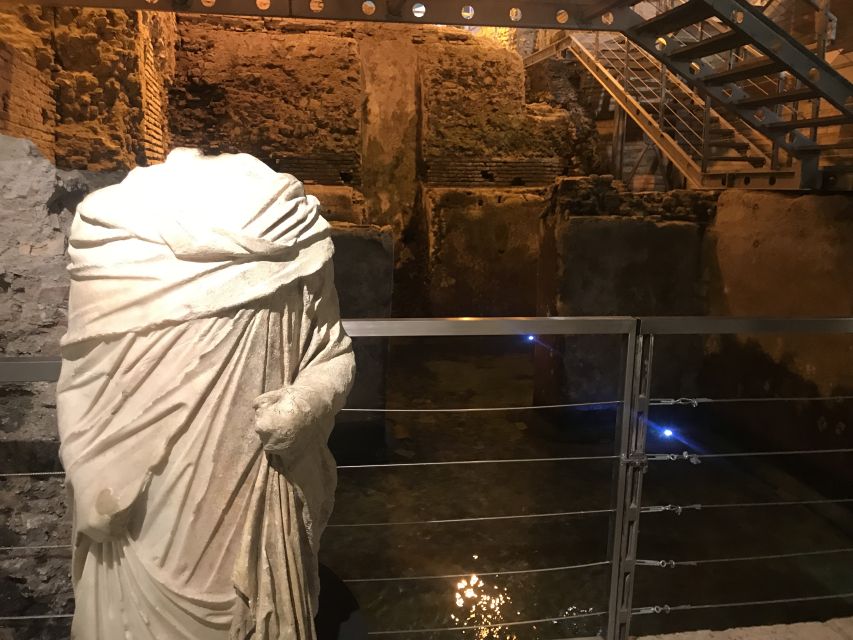
- Vicus Caprarius underground aqueduct remains: The museum shows part of Rome’s water infrastructure beneath your feet.
- Saint Ignazio 3D ceiling frescos: The church’s artwork is designed to mess with your sense of space.
- Easy ending at La Rinascente: Finishing near a major department store keeps the after-tour plan simple.
A 3-hour Rome plan that mixes icons with the underground
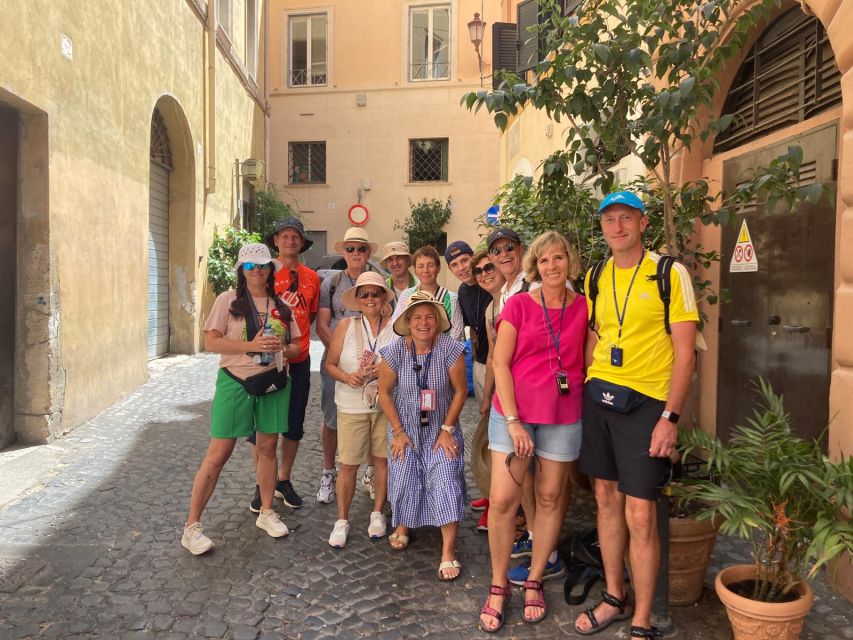
Rome can be overwhelming fast. This tour is a smart middle ground: you get the headline sights, but you also get the kind of details that turn a stroll into understanding. It’s built around a steady route in the city center, with a live guide and headsets so your attention stays on what’s around you.
The big value here is pacing. In three hours, you touch several different eras: ancient stadium life, the long thread of Roman water systems, and Baroque art that plays with your eyes. It’s also a good option if you want something organized without doing a full-day marathon.
You can also read our reviews of more walking tours in Rome

Start at Piazza Navona: find the guide fast and get oriented
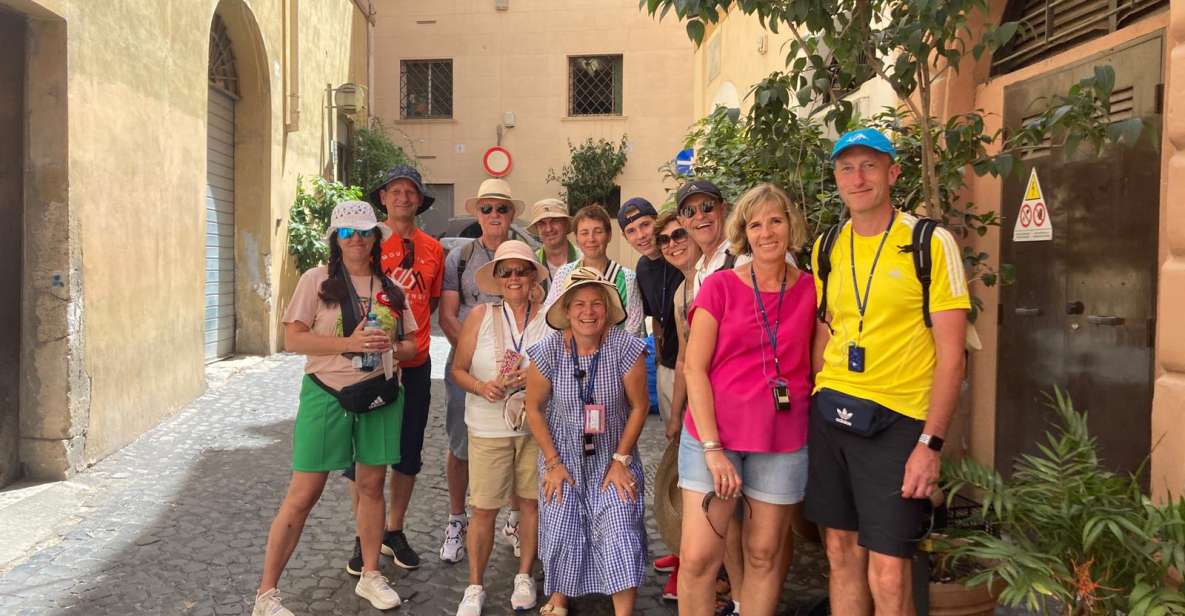
Your meeting point is at the fountain of Bernini in Piazza Navona, and you’re looking for a sign that says Deutsche Römerin. That tiny detail matters. If you’ve arrived in Rome and feel the streets are all one big maze, having a clear visual cue saves time.
Right away, the guide gives an introduction in the square. That matters more than you might think. Piazza Navona looks like a single open-air stage from the outside, but with context you start noticing the why behind the placement and the way the square developed.
Also, the tour uses headsets. You’re walking and stopping in busy areas, where normal conversation would quickly get swallowed by street noise. With headsets, you can focus on the guide’s explanations and not just the scenery.
Piazza Navona to the Pantheon: famous stops, explained in human terms
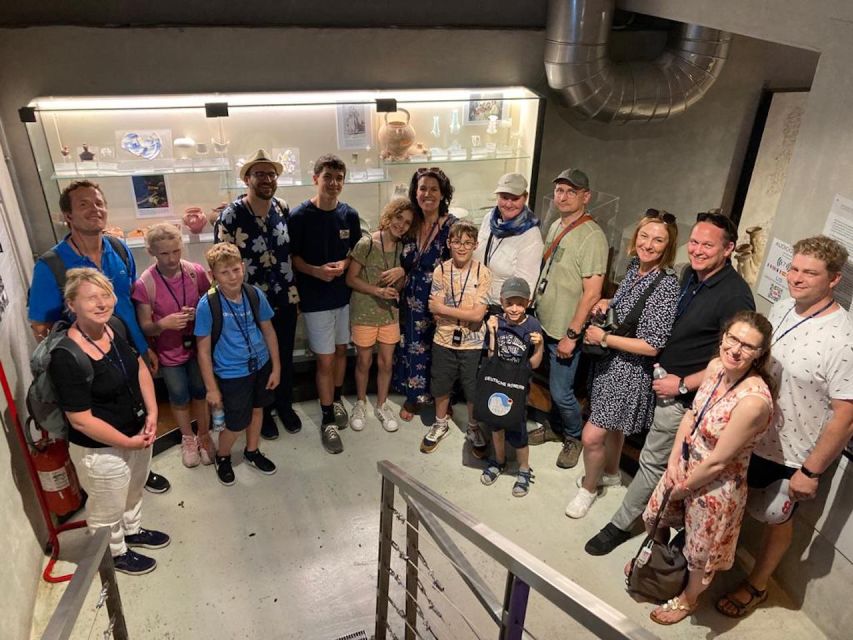
The tour specifically aims at top sights like Piazza Navona and the Pantheon, and it doesn’t treat them as look-and-leave. You’ll learn how these places functioned and changed over time, so the Pantheon isn’t only a giant dome you’ve seen in photos.
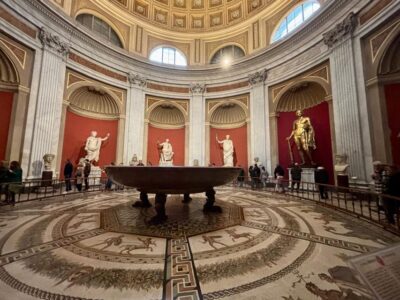
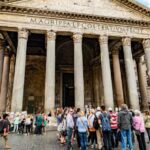
One key stop is the Pantheon itself. It was originally a Roman temple and later became a Catholic church. That transformation is the point: you’ll see how Rome’s architecture absorbed new religious and cultural uses while still keeping an older identity. Even if you’ve read about the Pantheon, having someone connect the dots while you’re standing there makes it feel less abstract.
If you like sightseeing where the guide stops you at the right moment—rather than rushing you onward—this is the part that usually clicks. You’ll spend time both noticing and understanding, which is the best way to make the most of a limited 3-hour window.
Domitian’s Stadium: see the seating scale without needing a textbook
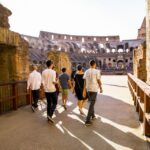
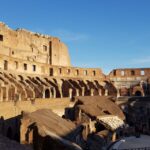
Next comes a stop that surprises a lot of first-timers: the stadium of the emperor Domitian. This wasn’t a casual arena. It seated roughly 15,000 to 20,000 spectators, and seeing the remains gives you a real sense of how big Roman public entertainment could be.
A seating estimate like that can sound like trivia until you stand where people once watched events. The tour’s value is that you’re not left to imagine the crowd. You get the framework first, then your eyes can do the rest.
This is also a nice break from the “everyone wants to photograph the same thing” vibe of some mainstream stops. It’s still central, still famous in the way the best Roman sites are, but it feels more like discovery than a photo line. For many people, this is one of the most memorable segments of the walk.
Vicus Caprarius museum: Rome’s water story underground
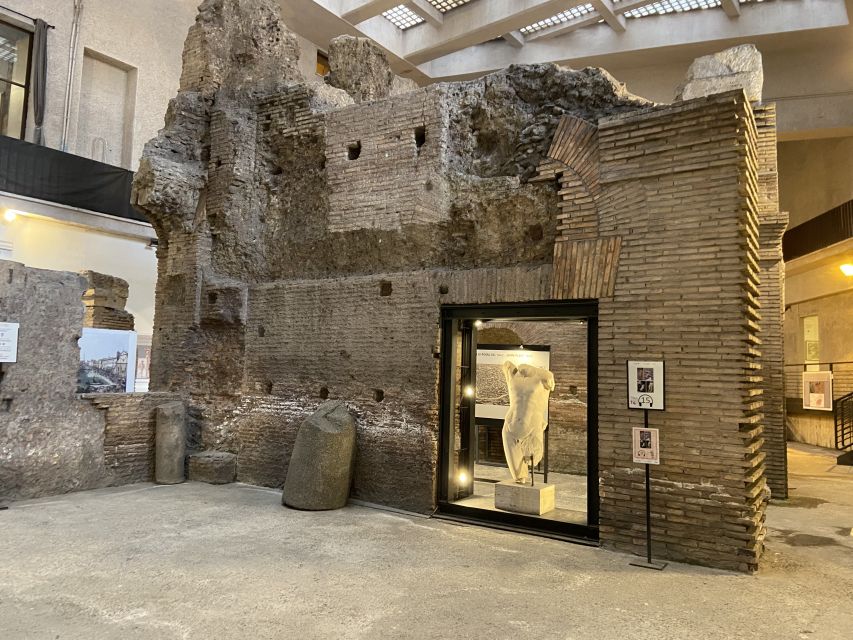
If Rome has a hidden superpower, it’s water management. This tour brings that theme down underground through the Vicus Caprarius museum, where you can see remains of an underground aqueduct. That’s a big deal, because it shifts your attention away from monuments above ground and toward the systems that kept the city alive.
In this museum, you’re looking at parts of the water infrastructure—an old reminder that Rome’s greatness wasn’t only marble and temples. It was pipes, engineering, and planning. Standing near the remains, you start thinking in terms of movement: water traveling, serving neighborhoods, and fueling the so-called water city effect.
You’ll also hear about the broader idea of Rome’s water networks, not just the exhibit itself. That’s what makes it more than an indoor stop. The underground setting is a change of pace too. After open squares and street corners, this kind of enclosed, focused visit helps you reset your attention.
You can also read our reviews of more guided tours in Rome
Saint Ignazio’s 3D frescos: the church stop that turns your eyes into a tool
Next up is a church that many people pass by without realizing what’s inside. You’ll visit the church of Saint Ignazio, famous for its 3D ceiling frescos. The tour frames this stop as a specific experience, not general church sightseeing.
Here’s the practical point: these ceiling paintings are designed to play tricks with perspective. If you look like you’re just trying to take a picture, you might miss the effect. With a guide’s cues and a bit of time, you can actually follow what the artists were doing—how they shape depth and movement using paint.
This stop also offers a mental pause. It’s not just more walking; it’s a moment where you can stand, slow down, and see. For art lovers, it’s often the emotional highlight. For history buffs, it’s a reminder that Baroque Rome wasn’t only about power—it was about sensory experience.
Trevi Fountain stroll: the iconic moment, timed well on a guided route
You’ll then make your way to the Trevi Fountain for a Baroque stroll. This is the classic Rome finale moment for many people, and the tour keeps it as a walk-through rather than a frantic stampede.
The guide’s role here is helpful: you’ll get context while you’re there, so the fountain feels more like an achievement of planning and artistry instead of only a crowded photo spot. Even if you’re not obsessed with fountains, it helps to understand the big-picture why behind the design choices.
Then, you finish at La Rinascente. That’s a convenient landing point. It gives you options for a quick gelato, a sit-down pause, or easy access to keep exploring after the tour.
What you need to know before you go (so it feels smooth)
This tour runs rain or shine, so bring a plan for weather. Rome weather can switch fast. If rain starts, you’ll still keep moving, and you’ll still want to keep your attention on the stops rather than just huddling.
The dress code is simple but important: no short skirts and no sleeveless shirts. Churches and religious spaces can be strict, and this is the kind of rule that’s worth respecting before you get there. Comfortable walking shoes also matter, since the route is built around a walking experience.
You’ll also want cash. The tour data specifically calls it out, so don’t assume you won’t need it for anything on-site.
Finally, the tour is in German with a live guide. If you speak some German, great. If not, you can still enjoy the sights, but your ability to follow the full story will depend on your comfort level.
Skip-the-line value: time saved is real value in central Rome
The tour includes skip-the-ticket-line, which is one of the most practical perks you can get in Rome. In the center, lines can eat up your energy and your schedule. When you’re on a 3-hour plan, you don’t have time to waste waiting.
This isn’t just convenience. It changes the feel of the day. Instead of spending your time fighting for entry, you can spend it understanding what you’re seeing—ancient stadium scale, underground aqueduct remains, and the perspective tricks of Saint Ignazio.
Also, the tour format matters: you’re not left to self-orient between distant stops. The route is planned so you can keep moving and keep learning.
Guides: humor and heart make a big difference
The reviews highlight one thing over and over: the guide quality. Names like Gianluca and Janina show up in feedback, and the theme is consistent—guides who are informative and entertaining, with plenty of personality.
That matters because this tour covers several different types of sights: outdoor landmarks, an underground museum, an architectural ruin, and a church art experience. You don’t want a guide who recites facts. You want someone who can make each stop feel connected, even when the setting changes.
If you like a tour where explanations feel like they’re coming from a real person with genuine enthusiasm, this one seems to deliver. The humor and energy help keep the pace from feeling heavy, especially on a full circuit of must-see Rome.
Who this tour is best for (and who should skip it)
This tour is a great fit if you:
- Want a focused central route without planning every step
- Prefer a guided narrative over silent wandering
- Like mixing big-name monuments with lesser-known Roman layers
- Want a mix of outdoor sights, museums, and a church art moment
It might be less ideal if you:
- Don’t like walking for about 3 hours in the city center
- Are uncomfortable with crowds around major landmarks
- Have trouble with dress-code limits for churches
Also, if you’re only interested in one or two top attractions and don’t care about underground water engineering or Baroque perspective tricks, a shorter or more targeted tour could be more efficient.
Should you book this guided walking tour?
I’d book it if you want Rome that feels specific, not generic. The combination of Piazza Navona, Trevi Fountain, the Pantheon, Domitian’s stadium, Saint Ignazio’s 3D ceiling, and the Vicus Caprarius underground aqueduct remains is a strong spread. It gives you the headline views, then adds the kind of explanations that make those views stick.
You should also like the idea of listening while walking—because headsets are part of the setup and the guide story is a big part of the experience. And if German is your language (or you’re comfortable with it), you’ll likely get the full benefit of the commentary.
If you want, tell me your travel dates and your German comfort level, and I can suggest a smart pairing for the rest of your day around this 3-hour route.
FAQ
Where does the tour meet?
You meet at the fountain of Bernini in Piazza Navona. Look for the Deutsche Römerin sign.
How long is the guided walking tour?
The tour lasts 3 hours.
What language is the tour guide?
The live guide speaks German.
Will I be able to hear the guide clearly?
Yes. The tour provides headsets so you can hear the guide clearly as you walk.
Does the tour run in bad weather?
Yes. The tour takes place rain or shine.
What should I wear or bring?
Bring cash. Also follow the dress restrictions: no short skirts and no sleeveless shirts.
Can I cancel and get a full refund?
Yes. You can cancel up to 24 hours in advance for a full refund.