REVIEW · ROME
Rome: Fountains and Squares, Half Day Tour with Tasting
Book on GetYourGuide →Operated by Welcome Italy by Spare Tour S.r.l. · Bookable on GetYourGuide
Rome’s fountains look even better with context. This half-day small-group walk strings together some of the city’s most famous baroque and Renaissance sights, with a stop for food and wine at the end. You’ll spend about three hours moving on foot between big-ticket landmarks like the Spanish Steps, Trevi Fountain, the Pantheon, and Piazza Navona, all guided by a live host.
What I like most is the way the tour keeps you focused on what you’re actually looking at, from Bernini’s Fountain of Four Rivers to the Pantheon’s dome and oculus. I also like the payoff: you don’t just sightsee, you finish with a proper Roman cellar tasting where you can slow down with cheese, cured meats, and robust wines.
One thing to consider: this is a walking tour and it is not suitable for mobility impairments or wheelchair users. Also, if your guide speaks at a fast clip (I’ve heard this can happen with one guide named Maria), you’ll want to be ready to listen closely early on.
In This Review
- Key points before you go
- Starting at Hotel Hassler Roma: a simple meet-up that keeps you on time
- Spanish Steps and Santissima Trinità dei Monti: the view stops you should not rush
- Trevi Fountain: Neptune’s stage, plus the coin-toss tradition
- The Pantheon at Piazza della Rotonda: engineering you can feel
- Piazza Navona and Bernini’s Fountain of Four Rivers: the square that still performs
- Cantina del Duca tasting: the reward that makes the tour feel complete
- Who the guides tend to be like, and how to get the most out of it
- Timing, pace, and what to bring for a comfortable three hours
- Pricing and value: is $167.66 worth it?
- Should you book this Rome fountains and squares with tasting?
Key points before you go
- Start right at Hotel Hassler Roma, then walk a classic Rome route without needing to navigate
- Spanish Steps to Trinità dei Monti: views plus the twin-tower church facade
- Trevi Fountain: the Neptune scene and the coin-toss tradition tied to the moment
- Pantheon: see the dome and the oculus lighting effect as part of your route
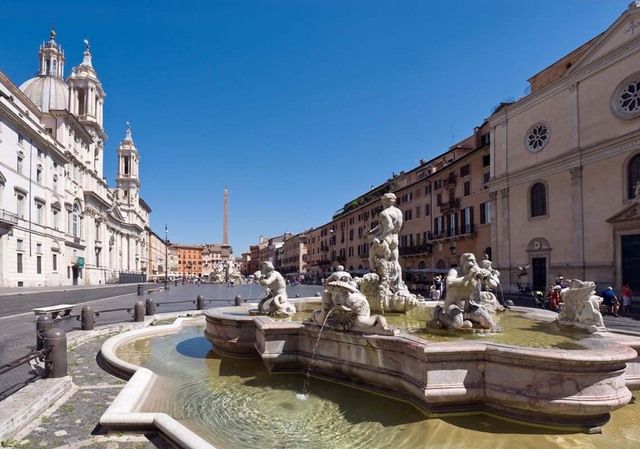
- Piazza Navona + Bernini: the Fountain of Four Rivers in a lively, pedestrian square
- Cantina del Duca tasting: cheeses, cured meats, and wine in a typical Roman cellar
Starting at Hotel Hassler Roma: a simple meet-up that keeps you on time
Rome tours can be chaotic when the meeting point is vague. This one is refreshingly direct: your guide meets you in front of Hotel Hassler Roma. From there, you’re walking from landmark to landmark with no pickup-and-drop-off add-ons. That matters because it keeps the tour tight to its three-hour window and reduces the “where is everyone?” stress.
The tour also ends back at the meeting point. That’s handy if you’re trying to plan the rest of your day afterward, whether you want a late lunch nearby or you’re heading into another neighborhood on your own. Since this is a walking tour, make sure you’re wearing comfortable shoes from the start, not in the middle.
One more practical note: the tour is guided in multiple languages (English, French, Portuguese, Spanish). If language is important to you, it’s worth checking what’s available for your date.
You can also read our reviews of more food & drink experiences in Rome


Spanish Steps and Santissima Trinità dei Monti: the view stops you should not rush
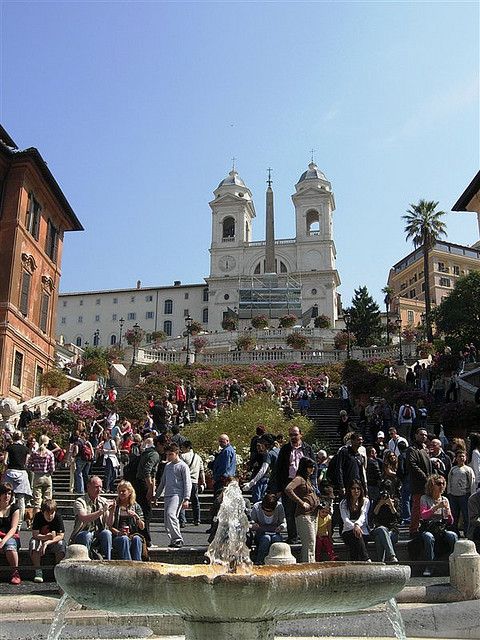
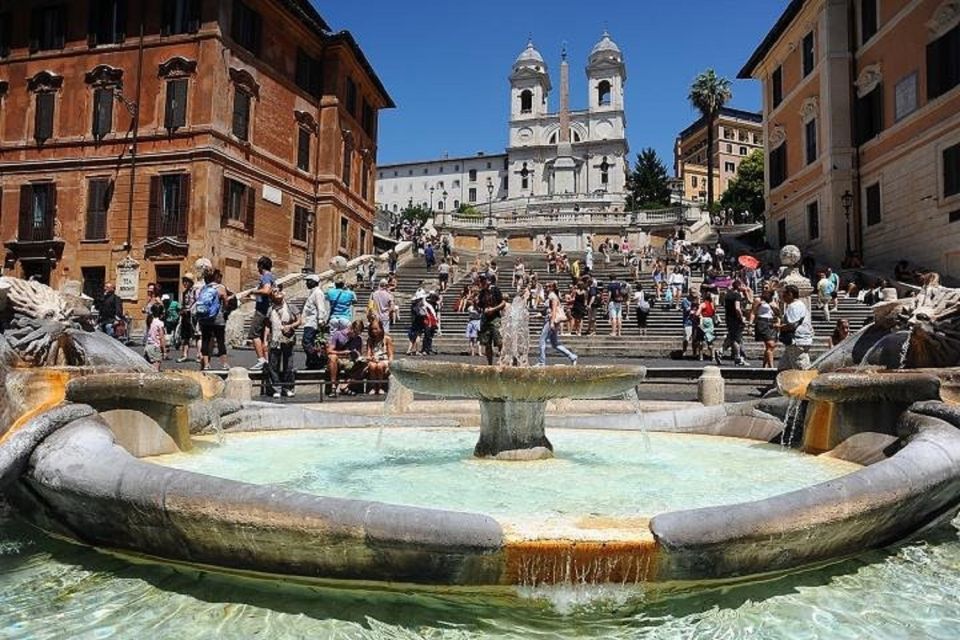
Your morning begins with Santissima Trinità dei Monti and the Spanish Steps area. You first visit the church perched up above the stairs, with its creamy travertine facade and twin bell towers. Even if you’ve seen photos of this part of Rome a hundred times, it lands differently when you’re standing there and looking down the staircase axis.
What’s especially useful on a guided walk like this is the pacing: you get time not only to snap pictures, but to orient yourself. The tour includes guided time and short walking stretches that help you understand how the church and the steps relate to the wider piazza grid below.
At the Spanish Steps themselves, you get the classic viewpoint and the sense of where the pedestrian flow funnels. It’s not a “quick photo and move on” stop. You’re given a guided experience plus time to look around—exactly what you want with a place this iconic, because the details are what make it feel real.
Trevi Fountain: Neptune’s stage, plus the coin-toss tradition
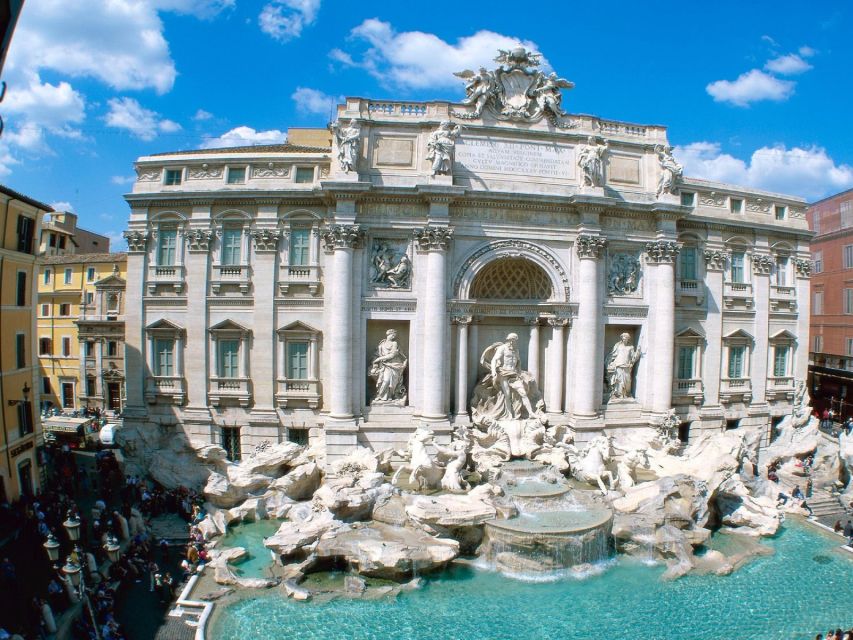
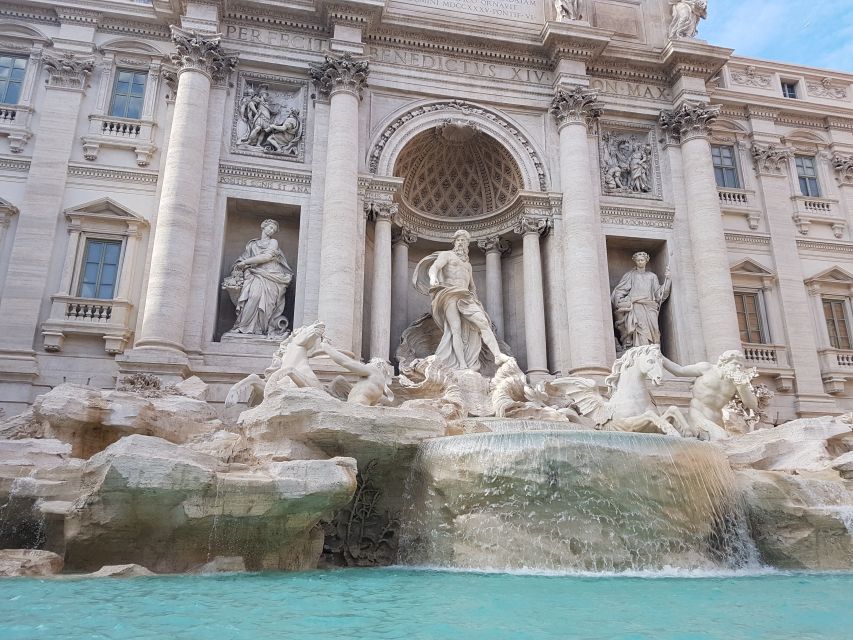
When you approach Trevi Fountain, the sound of water gets louder and the setting tightens. The fountain is a big baroque statement: Neptune at the center, with Tritons and sea creatures flanking the scene. Standing there, you can appreciate how the sculptural drama and the rushing water are built to pull you into the image.
The guided component here matters because you’ll likely notice things you’d miss if you just wandered in from the street. The fountain is famous, but it’s also specific: look for the central figure, then work outward. The guide’s explanation helps you read the composition instead of only admiring the scale.
And yes, there’s the tradition about tossing a coin over your shoulder to ensure you return to Rome one day. If you want to do it, do it respectfully with the flow of people around you. The best part of traditions like this is how they give you a tiny personal moment inside a huge public scene.
This stop also includes time for photos and a guided walk-through before you move on. That balance is good: you get wonder without losing the thread of the itinerary.
The Pantheon at Piazza della Rotonda: engineering you can feel
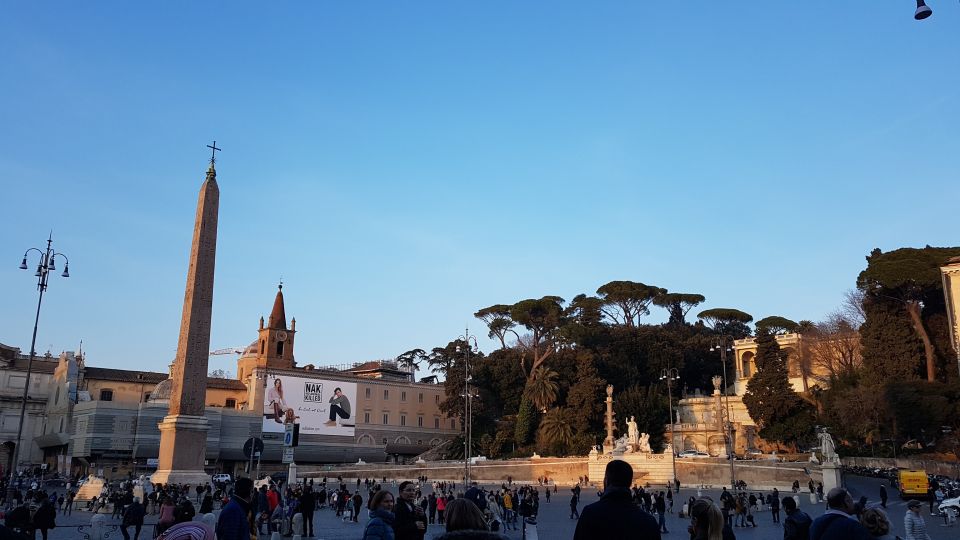
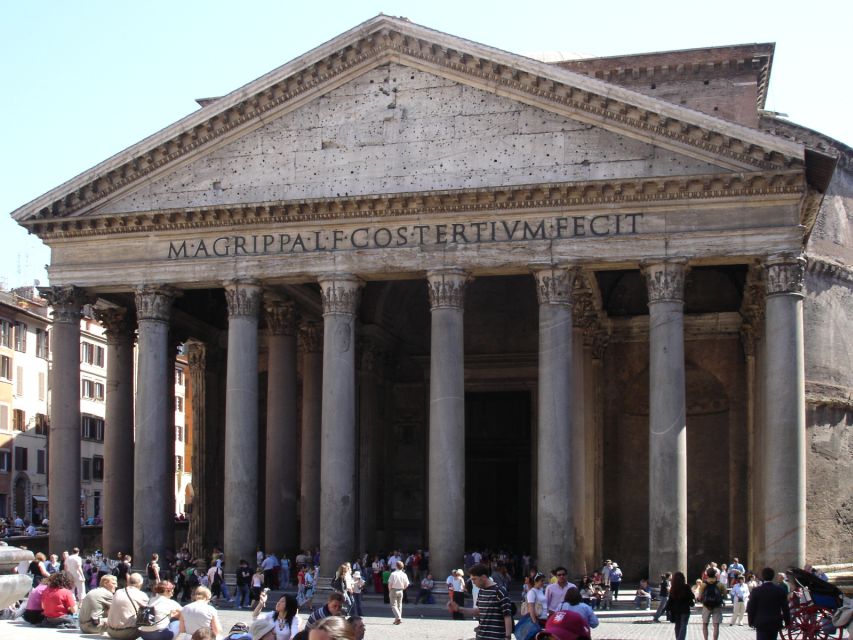
Next you head to Piazza della Rotonda and the Pantheon. This is one of those places where your brain knows it’s famous, but your body reacts when you see it up close. The Pantheon is one of the most replicated classical buildings in the world, and the tour frames it as a mix of spirituality and Roman engineering.
You’re not asked to sprint through it. The stop is short, but it includes guided time and a photo window, which is the right formula for a building this complex. Focus on the dome and the central oculus. The guided explanation helps you connect the engineering choice to the feeling you get inside: light comes in from the opening, and it makes the space look almost theatrical.
Even if you’ve visited before, a guided route can change what you notice. The Pantheon is not just a postcard. It’s a structure that still works visually and practically, and the guide’s framing helps you understand why it endures.
Piazza Navona and Bernini’s Fountain of Four Rivers: the square that still performs
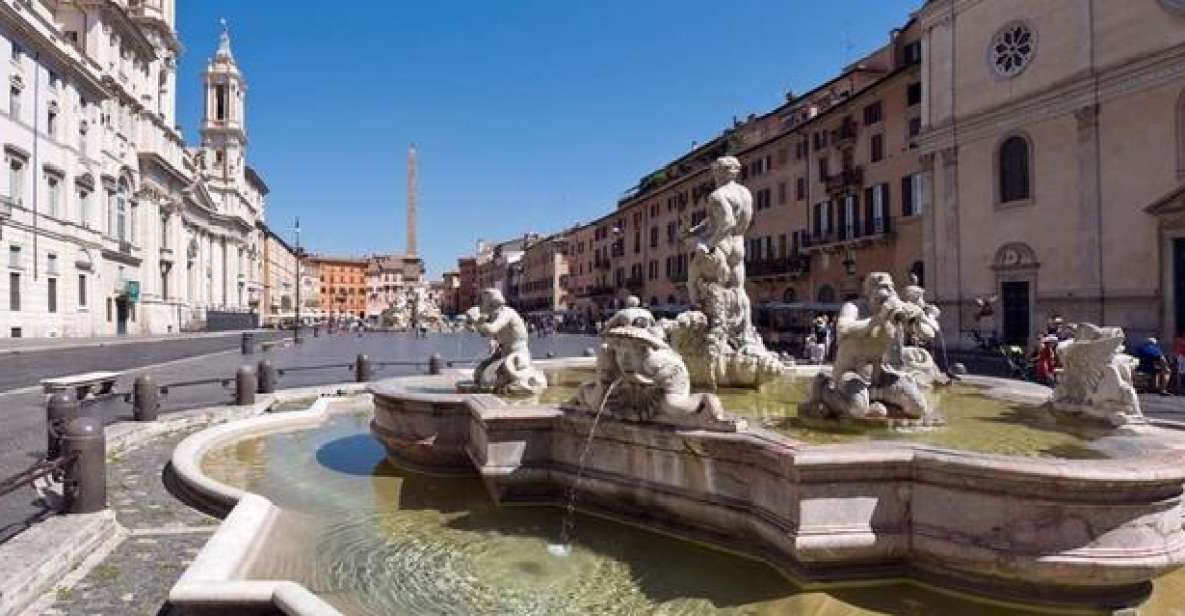
From the Pantheon, you continue into Piazza Navona, one of Rome’s most “you’re inside the city” squares. Historically it was once the Stadium of Domitian, and that context changes how you read the shape of the space. This isn’t just a place to stop—it’s a stage that seems to keep going.
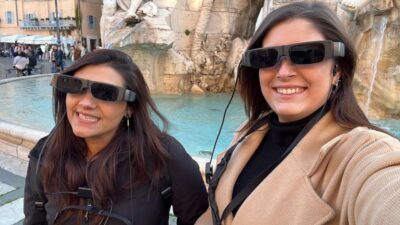
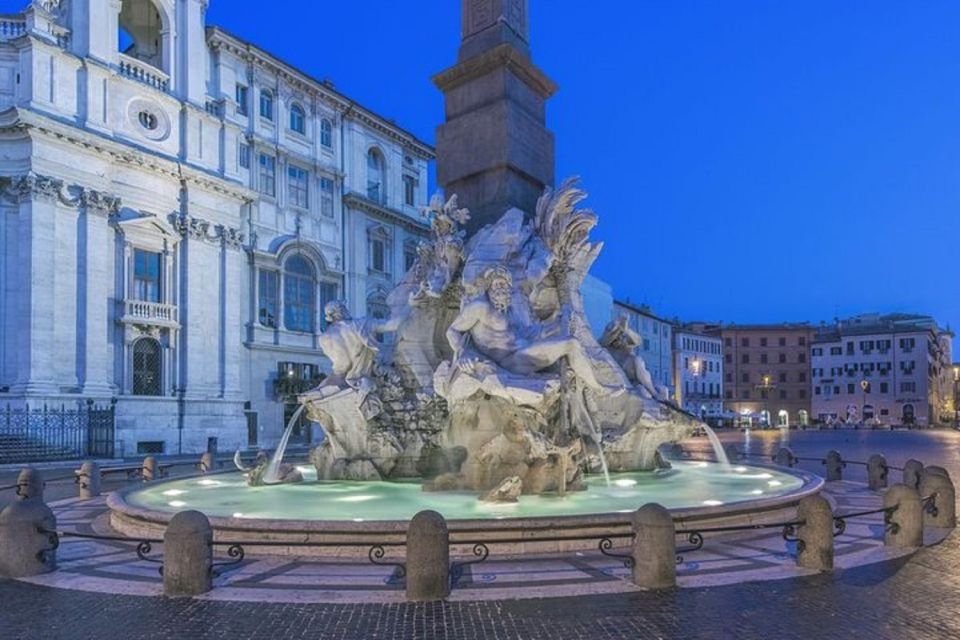
The highlight here is Bernini’s Fountain of Four Rivers. The fountain sits as the centerpiece, and the allegorical figures represent the world’s great rivers. If you take a moment to look at the figures rather than only shooting wide photos, you start to see how the art is designed to be read at human scale, not just appreciated from a distance.
The square is lively with artists and street performers, which is part of the experience. The guided time helps you understand the fountain and the square’s layout so you don’t spend your stop only reacting to the noise and movement around you.
A quick tip for this stop: if you want the best photos without fighting crowds, pay attention to where people naturally flow and plan your “stand still” moment between the guided explanation and your photo time.



Cantina del Duca tasting: the reward that makes the tour feel complete
The last hour brings you to Cantina del Duca for a wine and food tasting in a typical Roman cellar. This is the part I consider the value-maker. Many Rome walking tours stop at sightseeing. Here, you get a structured break where you can actually taste the city you’ve been walking through.
The tasting includes local products such as artisanal cheeses and cured meats, plus robust wines. It’s not a vague sampling. It’s a real sit-down moment where you can slow down, talk with your guide, and reset your feet.
Why this matters for your day: you’ll likely be doing a lot of walking around Rome anyway. A guided tasting gives you an organized pause plus a cultural payoff. It turns the tour from a checklist into something with a memory you can taste.
I also like that the tasting is timed as part of the route, so it doesn’t feel like an extra detour that steals half your evening. You still finish within the tour’s three-hour structure.
Who the guides tend to be like, and how to get the most out of it
This tour runs with a professional live guide, and I’ve seen names pop up such as Lucie and Maria. When the guide is working at a strong pace, the experience feels lively and you’ll cover a lot of ground with clear explanations.
At the same time, pace can vary. If your guide is Maria, you may find the speaking speed is fast enough that you need to focus closely on every sentence. If that’s not your style, choose a time slot when you’re wide awake and not rushing from another activity.
Either way, the best move is simple: ask questions when you’re unsure, especially when you’re inside or near key landmarks like the Pantheon and Trevi. A good guide will adjust your understanding on the spot, and that’s where the tour earns its money.
Timing, pace, and what to bring for a comfortable three hours
The tour runs for about 3 hours total, with several short walking segments and photo stops. You’ll spend guided time at each major sight, then end with about an hour tasting in the cellar.
That means your “comfort strategy” should be practical:
- Wear comfortable shoes you can walk in for a few hours.
- Bring sunglasses and a camera, since the route is full of bright stone and water highlights.
- Keep water and a small snack option in mind if you’re sensitive to hunger between stops, since the tasting is at the end.
Also, be realistic about the terrain. The Spanish Steps area involves stairs and uneven city sidewalks. The tour is not designed for wheelchair users or people with mobility impairments, so plan around that.
Pricing and value: is $167.66 worth it?
At $167.66 per person, this is not the cheapest way to hit Rome’s top sights. So here’s how I’d judge the value.
You’re paying for:
- A guided walking route that links big monuments in a logical order (Spanish Steps → Trevi → Pantheon → Piazza Navona)
- A professional guide for context, so you’re not just staring at icons
- A structured tasting at Cantina del Duca that includes cheeses, cured meats, and wine
If you were doing this on your own, you’d still pay for time and effort: navigation, figuring out what you’re looking at, and coordinating an actual food-and-wine stop. The tasting is a big part of why the price can feel fair. It’s the moment when the tour becomes more than a sightseeing stroll.
If you enjoy guided explanation and you want the tasting as part of the plan, this price starts to make sense. If you’re the type who just wants photos and speed, you might decide to do the landmarks independently.
Should you book this Rome fountains and squares with tasting?
Book it if you want a guided, efficient route through Rome’s most photographed corners—Spanish Steps, Trevi, the Pantheon, and Piazza Navona—plus a real payoff with wine and food in a Roman cellar. It’s a strong choice for first-time Rome visitors who want structure without committing to a full-day program.
Skip it or consider a different format if you need step-free access, or if you prefer slower, unstructured time at each site. Also, if you’re sensitive to fast-paced guiding, check that the language and guide style works for you.
If you do book it, go in with one goal: look beyond the famous names. When you connect the fountain art, the Pantheon’s dome logic, and the square’s historical layout, Rome stops feeling like a list and starts feeling like a place you understand.