REVIEW · ROME
Rome: Colosseum Arena Private Tour with Ancient City
Book on GetYourGuide →Operated by The Ultimate Italy · Bookable on GetYourGuide
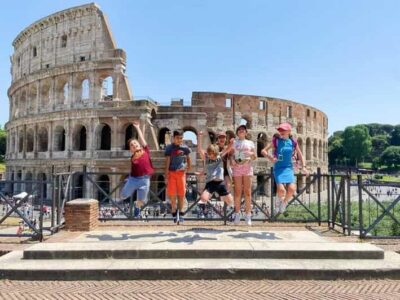
Walking into the Colosseum changes everything. What I like most is the Arena floor access via the Gladiator’s Gate and the way you also get a guided stop at the Roman Forum, so the sights connect into one story. The only thing to plan for is that it’s a packed 2-hour format with moderate walking on uneven surfaces.
This is not a distant look-up-from-the-stands tour. You enter through the Colosseum’s special door (the Gate of Death story is part of the explanation), then step out onto a wooden reconstruction of the original arena floor—exactly where the action happened. With headsets included, you’ll hear your licensed guide clearly even when the crowd noise rises.
The tour keeps momentum to the end: Forum ruins that once ran Rome’s daily politics and religion, then a wrap-up on Palatine Hill for big panoramic views. If you want Roman history with good pacing and standout guidance (not just photo stops), this format is a strong fit.
In This Review
- Key highlights you’ll feel fast
- Entering the Colosseum Through the Gladiator’s Gate and Gate of Death
- Arena-floor time: views, space, and the “center” perspective
- Roman Forum: where power, faith, and daily life overlapped
- Palatine Hill wrap-up: panoramas that make Rome feel real
- The guide makes or breaks it: what to look for on the day
- Price and value: what $268.49 covers and why it can be fair
- Timing, route flow, and who this private tour suits best
- Meeting point, arrival mindset, and what to bring
- Should you book this Colosseum Arena private tour?
- FAQ
- How long is the Rome Colosseum Arena private tour?
- Where do we meet the guide?
- What does the tour include?
- Do I need to buy Colosseum tickets separately?
- What languages are available for the guide?
- Is the tour private?
- What should I bring?
- Is luggage allowed?
- Is the tour wheelchair accessible?
Key highlights you’ll feel fast
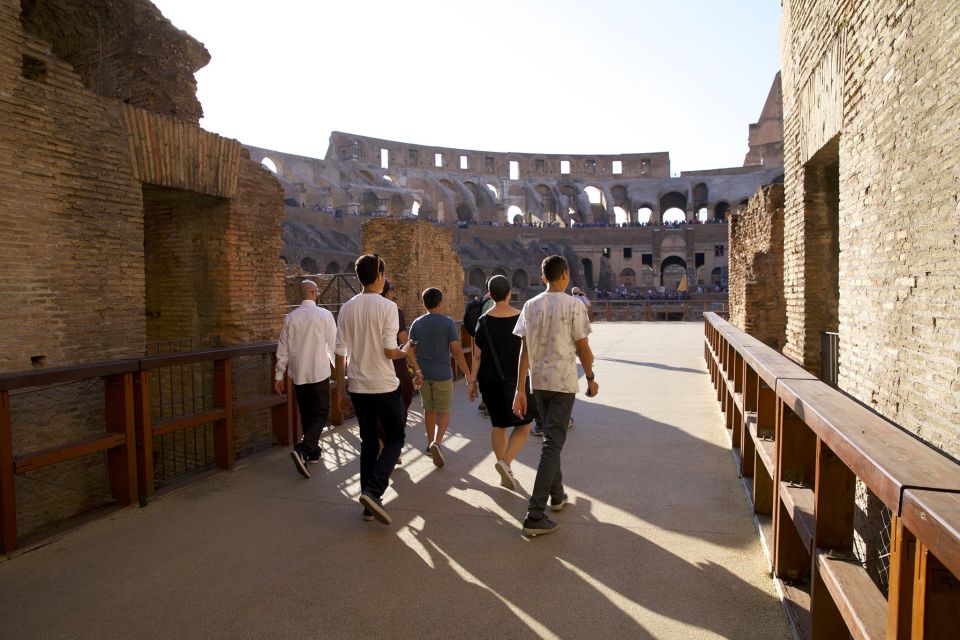
- Arena-floor access through the Gladiator’s Gate, with a real sense of scale once you’re down at ground level
- Entry through the Gate of Death door, explained as part of how gladiatorial life and crowd control worked
- Roman Forum focus on power: sites tied to Caesar, the Senate, and the places citizens would recognize
- Photo-ready stops from the center area, where views over the tiered seating are unusually good
- Palatine Hill panoramas to finish, giving you the big-picture view that ties it all together
- Private group touring with headsets, so you don’t spend the whole time straining to hear
Entering the Colosseum Through the Gladiator’s Gate and Gate of Death
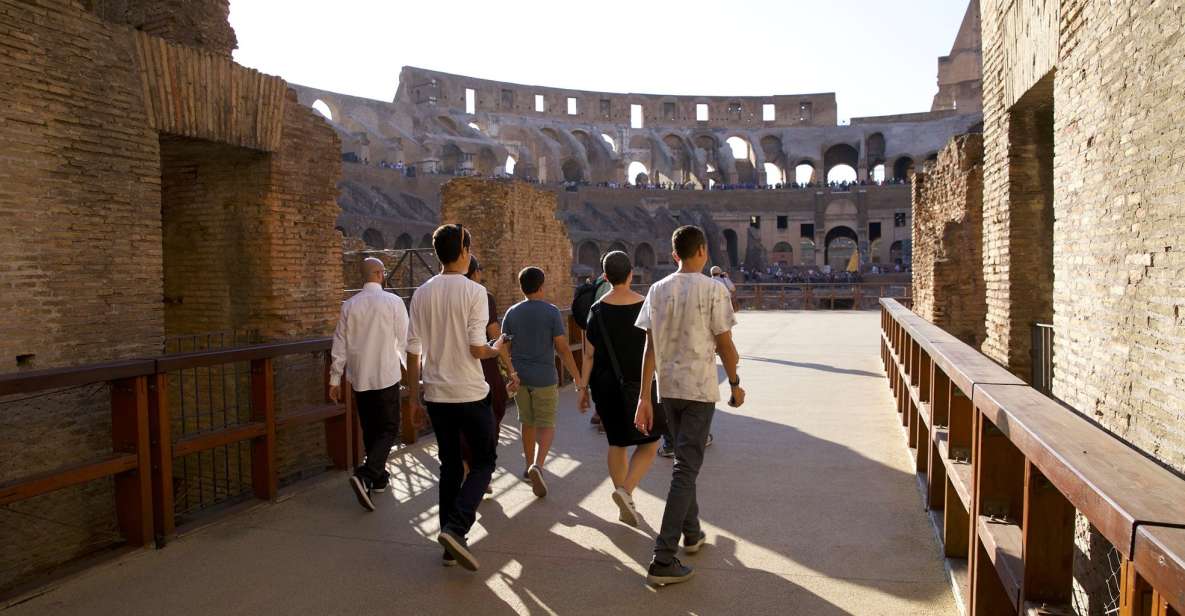
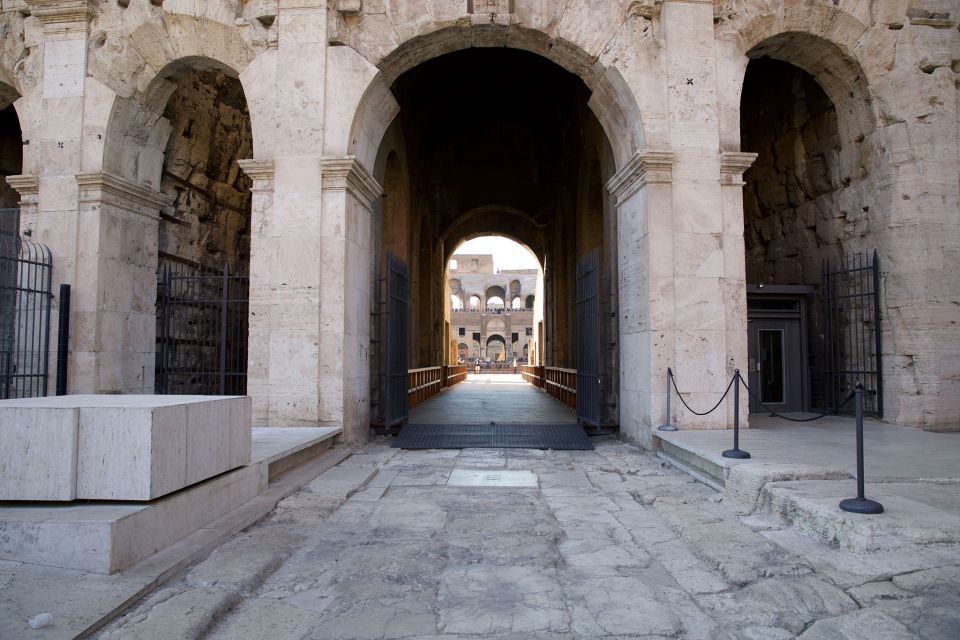
The Colosseum hits differently when you arrive through the Colosseum’s dedicated route instead of just joining the general flow. The big draw here is that you get Arena-floor access via the Gladiator’s Gate, which puts you on the same side of the story as the performers and attendants. It’s one of those rare experiences where you can almost feel the geometry of the place: tiers above, the arena platform below, and the chokepoints where movement and spectacle were controlled.
Your first real “wow” moment comes at entry. You go in through a door described as the Gate of Death, linked to how defeated gladiators were taken out of the arena. Even if you’re not a gladiator superfan, that context gives your brain something to attach to. Instead of random stonework, you start mapping the place as a machine built for public drama.
From there, the route leads you straight to the arena area with a wooden reconstruction of the original floor. You’re not walking on ancient stone—but you are walking in the working footprint, and that matters. It helps you understand how the Colosseum was used, and where sightlines and crowd pressure would have been concentrated.
A big practical bonus: this tour includes headsets. In a monument this crowded, hearing your guide clearly changes the whole experience from sightseeing into a guided story.
You can also read our reviews of more city tours in Rome


Arena-floor time: views, space, and the “center” perspective
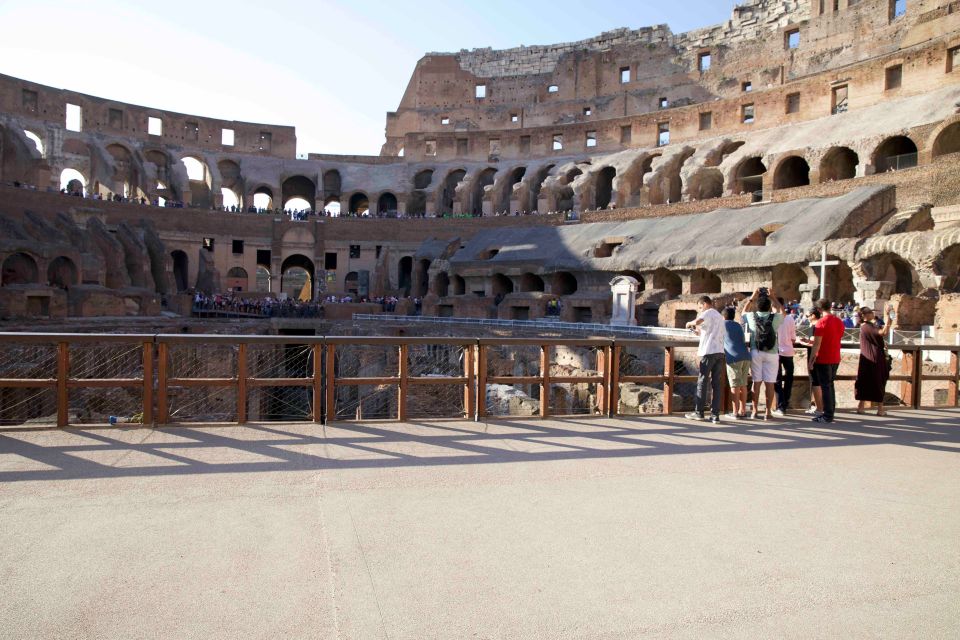
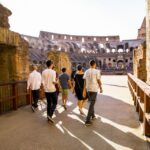
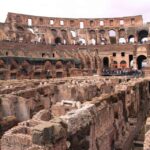
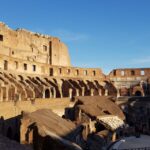
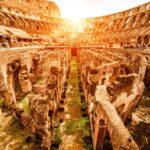
Once you’re on the wooden reconstruction, you get something many Colosseum tours skip: time to look around and actually take in the scale. From the center area, the views over the tiered seating are the payoff. The Colosseum isn’t just a tall oval in the distance—it’s a stepped bowl designed to funnel attention. Standing in the middle helps you see the “everyone is watching” logic that made these events so intense.
You’ll also have a decent window to move and take photos. The tour is built so you’re not rushed past the best vantage points. If you care about getting images that show more than sky and arches, this is the kind of pacing that helps: look up, look around, then turn back to the arena space where your guide is pointing things out.
Now, don’t assume this is a casual stroll. You’re doing real walking inside a busy ancient site, and the surfaces can be uneven. The upside is that the effort pays off because you’re seeing the Colosseum from the same level as the stories you hear.
Roman Forum: where power, faith, and daily life overlapped
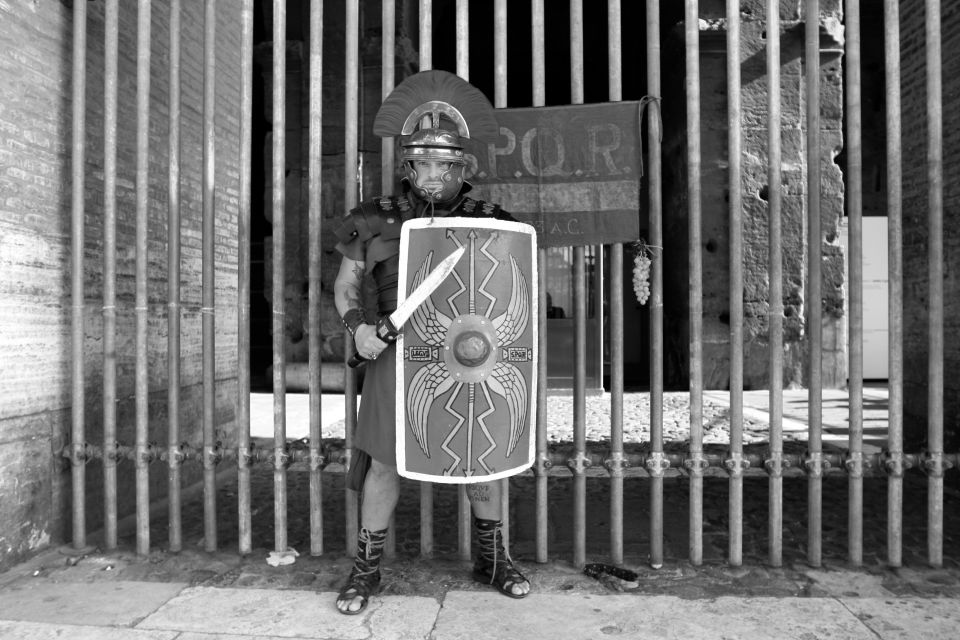
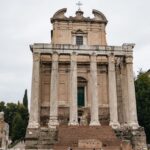
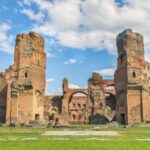
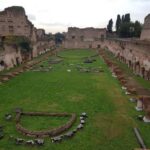
After the Colosseum, the tour shifts from spectacle to the engine room of the city: the Roman Forum. This is the political and religious center of Ancient Rome, and your guide’s job is to connect the ruins to the roles people would have played. You’ll visit the ruins of major buildings tied to authority, including the Temple of Caesar and the Senate area, plus other key spots that help you picture everyday Roman life rather than just famous monuments.
The Forum can feel confusing if you visit alone—columns with no narrative, walls with no “what happened here?” sign. On a guided tour, you get the order of operations: where decisions were made, where civic and religious meaning overlapped, and how the space shaped behavior. The tour approach here is designed to help you understand why a site built from ruins still communicates power.
There’s also a value in stopping here during the same outing as the Colosseum. The Colosseum represents public spectacle; the Forum represents public decision-making. When you see both in one flow, your mental map of Ancient Rome becomes much tighter.
Palatine Hill wrap-up: panoramas that make Rome feel real
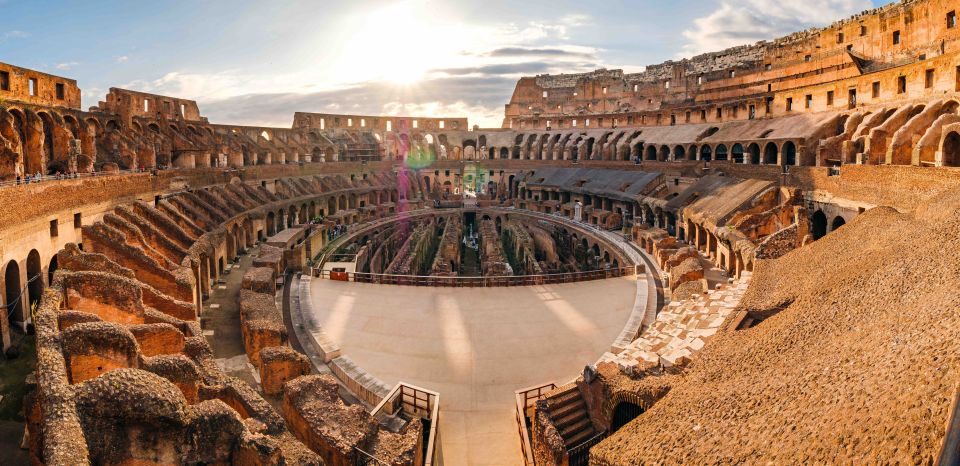
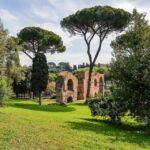
You end with Palatine Hill, and that choice is smart. Palatine Hill sits at the center of what people imagine when they think of Rome: rulers, legends, elite neighborhoods, and the sense that this city was built on layers of status. Even if you don’t go deep into every legend, the big reason to finish here is the view.
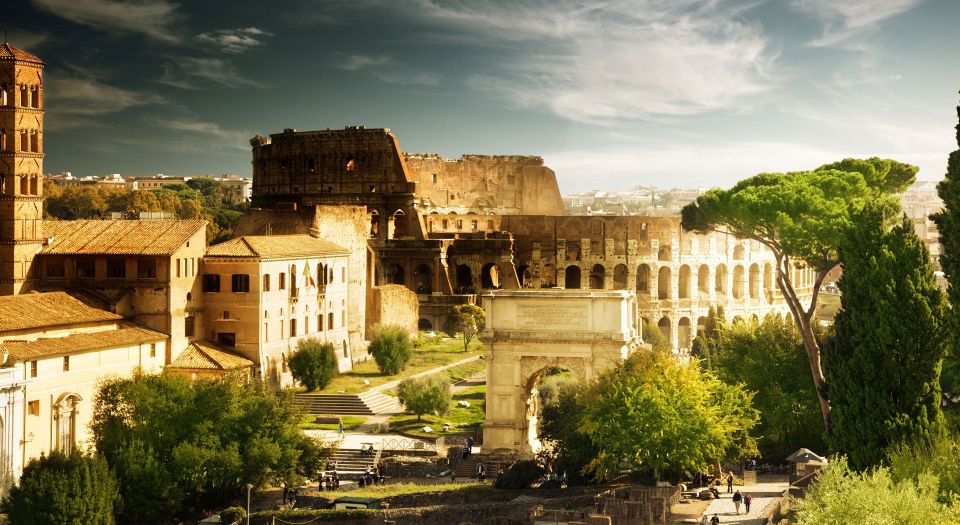
From the top, you get spectacular panoramic views, which helps you “zoom out” after spending time at the detailed, ground-level spaces of the Colosseum and Forum. It’s also where you can connect the geometry of the past with the modern city layout you’re standing in now. The effect is practical: you leave with a better sense of where everything fits.
If you tend to remember trips visually, this ending is one of the stronger points of the itinerary. You’re not just leaving ruins behind—you’re collecting a final snapshot that ties the day together.
The guide makes or breaks it: what to look for on the day
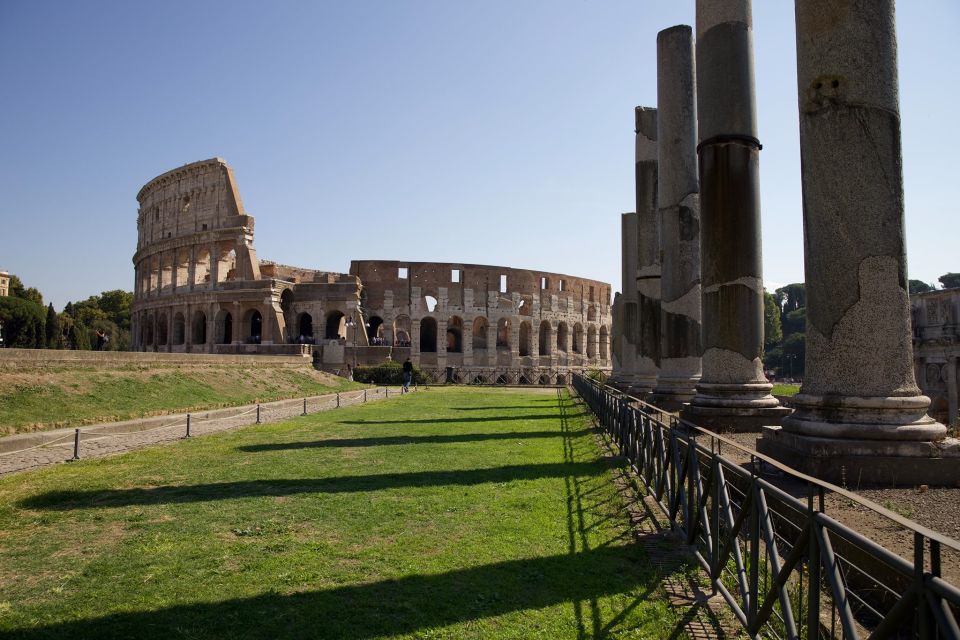
This tour lives and dies on the quality of the guide, and the guide lineup matters because you’re not there just to walk through—you’re there to understand. The experience is led by a professional licensed tour guide, and the results show.
I’m especially encouraged by how guides have handled different pacing and interests. For example, Federica is highlighted as both extremely nice and very informative, and Barbara is praised for enthusiasm plus steering the group toward the best spots inside the Colosseum for stopping and taking photos. Another guide, Giovanni, is mentioned for an approach that fits visitors with a more basic starting point, with explanations that don’t assume you already know Roman politics.
What you should do to get the most out of your guide’s performance is simple:
- Ask questions early, when your guide is still laying the timeline and the landmarks are fresh.
- Pay attention to photo stops. If your guide stops you, it’s usually because there’s a reason (a view line, a relationship between spaces, or a detail you’d miss moving too fast).
A private group also means your questions don’t get lost in the shuffle. You get a better chance to steer the conversation toward what you care about—architecture, gladiators, politics, or all of it.
You can also read our reviews of more private tours in Rome



Price and value: what $268.49 covers and why it can be fair
The price shown is $268.49 per person for a 2-hour private tour. That number can look steep until you break down what you’re actually buying.
Colosseum entry itself has a stated structure: the Colosseum Arena admission fee is 22 € for adults, plus a 2 € booking fee. Children under 18 can enter for free. The rest of your tour cost goes toward the licensed guide, headsets, booking fees, and tour services—this operator also provides a transparent breakdown and prompts you to acknowledge that structure.
So you’re not just paying for a ticket and a walk. You’re paying for:
- dedicated access and entry routing through the Colosseum
- a guided Roman Forum and Palatine Hill component
- professional guiding during high-traffic parts of the day
- headsets to keep information clear
- private-group attention
Is it expensive compared with a basic sightseeing option? Yes. But if your priority is understanding what you’re seeing—and you want the Colosseum Arena access rather than distant viewing—this is the kind of pricing that starts to make sense. You’re effectively paying for fewer frustrations and more payoff per minute.
Timing, route flow, and who this private tour suits best
This tour runs 2 hours, so it’s designed for efficient coverage: Colosseum entry and Arena-floor time, then Forum ruins, then Palatine Hill viewpoints. That compact structure is great if you’re in Rome for a short stay or if you already have other plans and don’t want to dedicate a whole afternoon to archaeology.
Private group is also a real quality-of-life upgrade. You’re not stuck waiting for slower walkers behind you while you miss the prime moment on the Arena floor. You also get a better chance to match the pacing to your comfort level—though you still should expect a moderate amount of walking on uneven surfaces.
Who it’s best for:
- couples or families who want a guided experience without group chaos
- visitors who care about understanding the story behind the stones
- photo-minded travelers who want specific vantage points, not random shutter clicks
Who might not love it:
- anyone who needs wheelchair access or has mobility impairments, since it’s not suitable for wheelchair users and requires walking on uneven ground.
Meeting point, arrival mindset, and what to bring
Meet your guide at Via del Colosseo nr 31, in front of Caffe Roma, above the second floor of the Colosseum metro stop (blue line). Plan to arrive with buffer time so you’re not stressed at the start. This tour also uses airport-style security, so showing up ready to move matters.
What to bring is straightforward:
- a passport or ID card
- comfortable shoes
What not to bring:
- luggage or large bags aren’t allowed.
Weather is also part of the plan. The tour takes place rain or shine, though during very bad weather conditions some areas might be closed. If Rome is having one of those dramatic downpours, keep your expectations flexible and wear gear that won’t slow you down.
Finally, note that the activity ends back at the meeting point. So you’re not sent across the city at the end—you can keep using the area immediately for lunch or your next stop.
Should you book this Colosseum Arena private tour?
If your goal is to do more than look at the Colosseum from a distance, I’d lean yes. Arena-floor access plus guided Forum stops and a Palatine Hill viewpoint finish is a strong mix of emotion and context in just 2 hours. Add in the fact that the best moments seem tied to the guide’s skill—like where to stop inside the Colosseum for photos and how to keep a teen engaged—and the value becomes easier to justify.
Skip it only if you’re not up for walking on uneven surfaces, or if you mainly want a slow, no-pressure wander. This tour is for people who want a clear story, efficient timing, and a real sense of standing where history happened.
FAQ
How long is the Rome Colosseum Arena private tour?
It lasts about 2 hours. Starting times depend on availability.
Where do we meet the guide?
You meet your guide at Via del Colosseo nr 31, in front of Caffe Roma, above the second floor of the Colosseum metro stop on the blue line.
What does the tour include?
It includes a professional tour guide, headsets, plus guided visits for the Roman Forum and Palatine Hill. Taxes and fees are also included.
Do I need to buy Colosseum tickets separately?
Yes. The Colosseum Arena admission fee is listed as 22 € for adults, with a 2 € booking fee. Children under 18 have free entry. Your tour price covers the guide and other services beyond the admission fee.
What languages are available for the guide?
The tour offers live guiding in English, French, Italian, and Spanish.
Is the tour private?
Yes, it’s a private group tour.
What should I bring?
Bring your passport or ID card, and wear comfortable shoes.
Is luggage allowed?
No. Luggage or large bags are not allowed.
Is the tour wheelchair accessible?
No. It is not suitable for people with mobility impairments or wheelchair users.