REVIEW · ROME
Rome Cooking Class: Handmade Tonnarelli Pasta & Tiramisu
Book on GetYourGuide →Operated by Food Raphael Tours and Events · Bookable on GetYourGuide
Fresh pasta in Rome, without the fuss. This hands-on Rome cooking class shows you how to make classic tonnarelli cacio e pepe and tiramisù from scratch, then you eat what you make with a glass of wine. I like that it’s structured, beginner-friendly, and taught in English by a real host who keeps things moving. One catch: this class isn’t set up for vegans or for people with gluten or lactose intolerance.
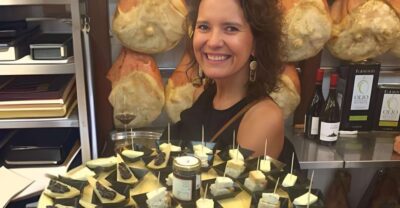
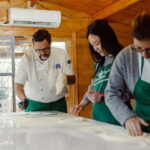
You meet in front of Osteria San Giorgio, and the timing is tight enough that you’ll actually finish your dough and dessert without rushing. The vibe is an osteria wine bar setup, so you’re cooking like a Roman but still hanging out in a real restaurant atmosphere. You might even get a guide style like Kristian’s patience and humor, or Jamila’s warm, organized coaching, based on who’s leading that day.
At $64 per person for 2.5 hours, it’s not a bargain-snack. But you’re paying for ingredients, equipment, a lesson, your meal, and a glass of wine—plus recipes you can use later. If you want a memorable food skill you can repeat at home, this is the kind of class that delivers.
In This Review
- Key highlights you’ll care about
- Rome Cooking Class Map: What happens in your 2.5 hours
- Handmade tonnarelli: how Roman cacio e pepe starts with dough
- The tiramisù workshop: coffee-soaked dessert, step by step
- The osteria meal: sauce, wine, and eating what you made
- Who you’ll learn from: guides who steer the room
- Price and value: what $64 buys you in Rome
- Timing tip: choose a morning slot if you want lunch results
- Rules, access, and who this class isn’t for
- What you take home: recipes and technique you can repeat
- Should you book it? My honest take
- FAQ
- How long is the Rome Cooking Class: Handmade Tonnarelli Pasta & Tiramisu?
- Where do I meet for the class?
- Is the instructor English-speaking?
- What’s included in the price?
- Is a glass of wine included?
- Is it suitable for vegans or gluten-free/lactose-free diets?
- Will you enter the actual kitchen during the pasta cooking?
- What’s the cancellation policy?
Key highlights you’ll care about

- Tonnarelli cacio e pepe, made by hand from dough to cut pasta shapes
- Tiramisu from scratch with the coffee-soaked assembly technique
- Osteria San Giorgio setting in a wine bar atmosphere, not a sterile studio
- Your meal plus a glass of wine included, so you don’t leave hungry
- Hosts praised for clarity and humor (names like Kristian, Jamila, Luca, and Francesca come up a lot)
- Safety rule: you won’t enter the actual kitchen where pasta gets cooked and seasoned
Rome Cooking Class Map: What happens in your 2.5 hours
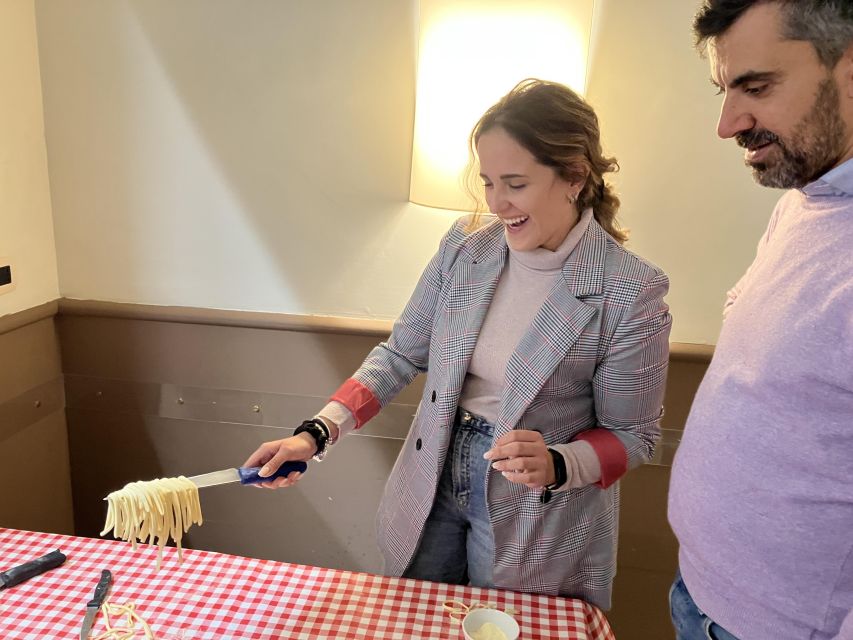
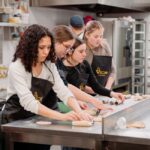
This class is built around one simple idea: make two iconic Roman dishes, then eat them right after. You’ll spend your time rolling, mixing, shaping, and assembling—then sit down as a group and enjoy the results with wine.
The format is also practical. You start with the pasta lesson, then you move on to dessert. By design, the schedule is tight enough that you don’t feel like you’re spending half the day waiting around for dough to magically become dinner.
There’s also a safety consideration. You won’t go into the actual kitchen where the pasta is cooked and seasoned. That doesn’t ruin the experience, but it does change your role: you’re learning the craft steps up close, while the final high-heat handling stays behind a barrier.
You can also read our reviews of more cooking classes in Rome

Handmade tonnarelli: how Roman cacio e pepe starts with dough

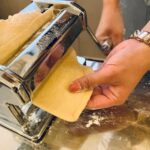
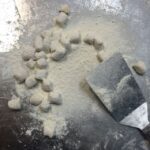
Tonnarelli is the star here. This is the traditional Roman handmade pasta style—think of it as a kind of fresh, cut spaghetti sibling. The class teaches you to make it from scratch, so you’re not just rolling dough “for fun.” You’re building the texture that matters later when it meets sauce.
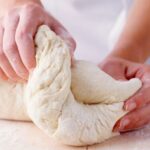
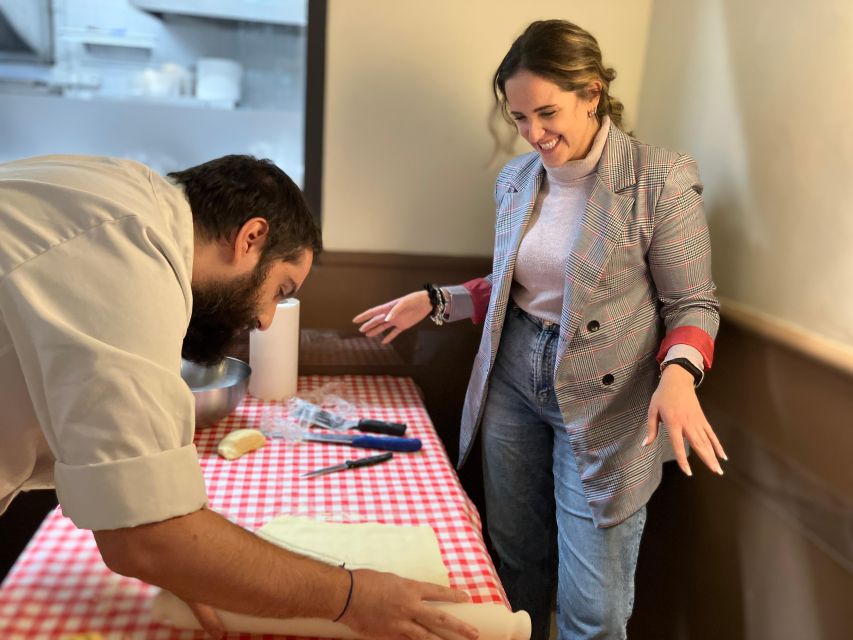
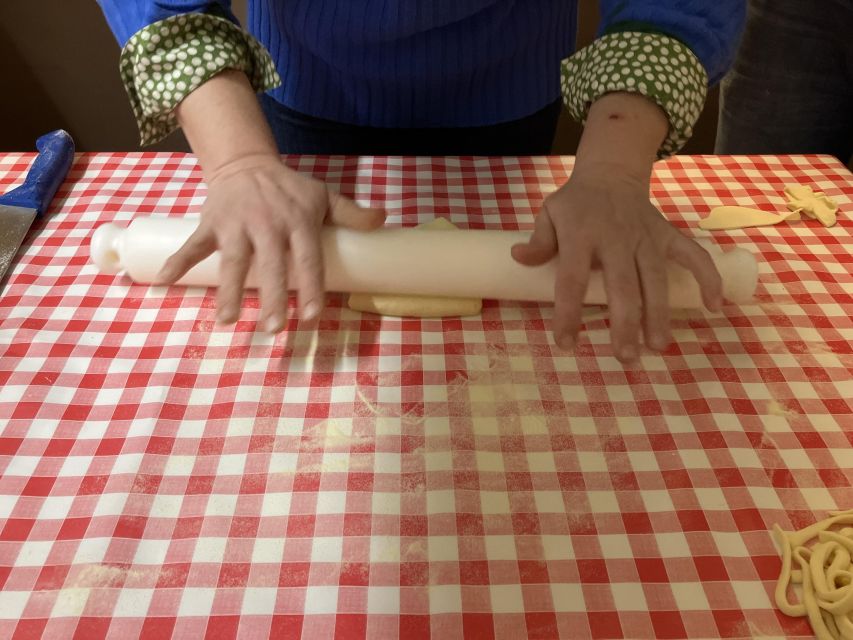
You’ll learn the hands-on basics that most people skip when they only eat pasta in restaurants: mixing fresh ingredients, getting the right feel in the dough, rolling it, and then cutting it into tonnarelli shapes. That last part matters more than you’d think. Cut thickness affects cooking and how the sauce clings.
You’ll also make cacio e pepe, the Roman cheese-and-pepper combination that shows up everywhere for a reason. The key is learning why it works: simple ingredients, but they need the right handling and consistency to coat pasta properly.
If you’re a beginner, this format is a good match. Several hosts get praised for making even first-timers comfortable and keeping instructions clear while you’re actively working the dough.
The tiramisù workshop: coffee-soaked dessert, step by step
After the pasta, you switch gears to dessert—tiramisù. In this class, you’re not assembling a pre-made tray and calling it learning. You’re crafting tiramisù from scratch, including the coffee-soaked element and the creamy layers.
The workshop focuses on technique: how you handle the components so the dessert has that balanced texture people love. Too wet and it turns heavy. Too dry and it loses the coffee character. That’s why guided instruction is worth paying for here—you learn the “feel” standards, not just the ingredient list.
Once your tiramisù is made, you eat it as part of your meal experience. That’s a big deal. Many food classes teach you steps but don’t give you time to sit with the food you made. Here, you get to finish the story at the table.
The osteria meal: sauce, wine, and eating what you made
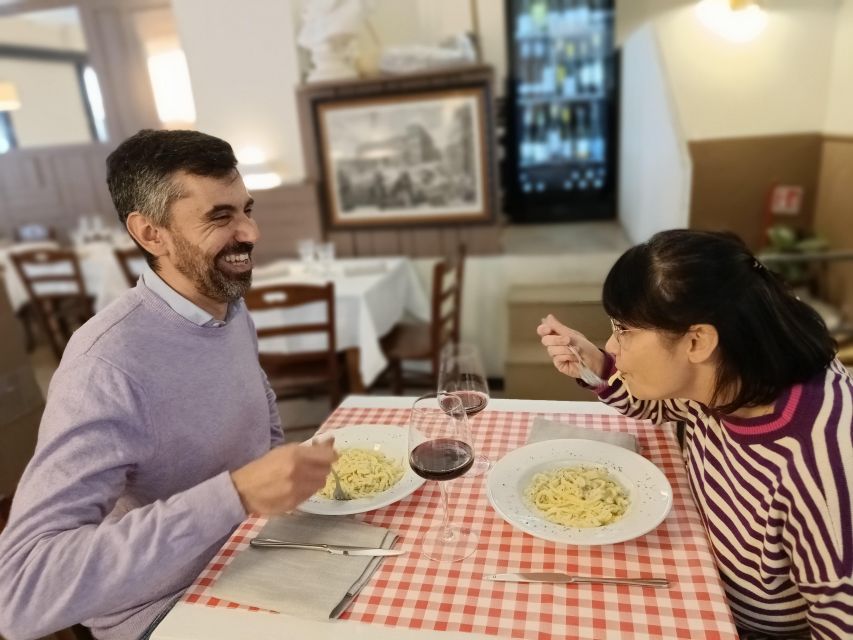
This is one of the reasons I like this class. You don’t just cook. You also eat in the same setting, with your dish served as a complete meal.
You’ll enjoy what you made—your pasta and tiramisù—along with a simple sauce that’s prepared for you. That matters for two reasons: first, you’re guaranteed a working result even if your first attempt at hand-rolling isn’t perfect. Second, it keeps the focus on technique, not on stressing about timing and high-heat cooking.
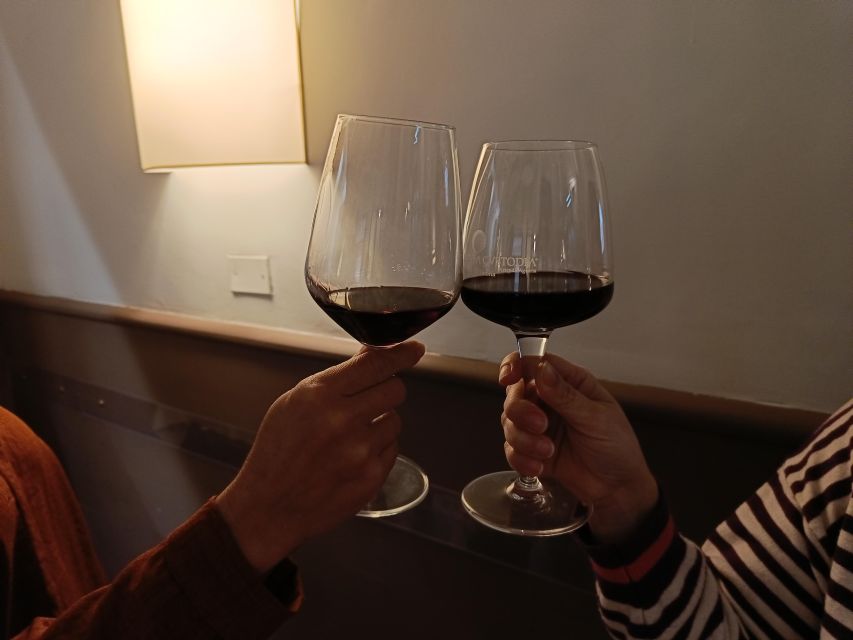
And then there’s the wine. A glass of wine is included, which fits the theme of the osteria wine bar environment. It’s not about turning the class into a party. It’s more like you’re getting a small, deserved reward after a hands-on workout.
Who you’ll learn from: guides who steer the room
One of the strongest signals from the experience is the tone of the hosting. Names that show up across classes include Kristian, Jamila, Luca, Francesca, Marco, Christian/Kristiano, Elzibetha/Elisabetta/Elisabetha, and Paola. The common thread: hosts aim to keep energy high without turning the lesson chaotic.
You’ll probably notice the difference right away. People get praise for being patient. People also get praise for being funny. And several hosts are described as organized—meaning you’re not guessing what to do next.
There’s also a nice “real life” factor: sometimes the class is smaller than expected. One example includes a 1–2–1 style session when others canceled. If you end up in a small group, you’re more likely to get individual help with dough consistency and cutting.
If you like talking with your instructor while you work, you may get plenty of that. Hosts are also described as sharing Rome and Italy food tips for your stay.
You can also read our reviews of more tours and experiences in Rome
Price and value: what $64 buys you in Rome
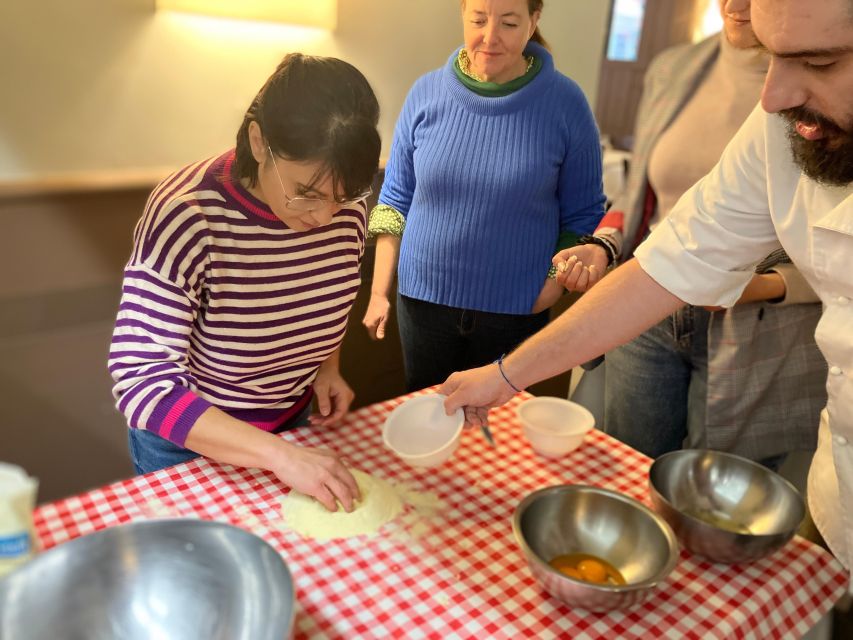
Let’s talk money like an adult for a second. $64 for a 2.5-hour class isn’t a casual add-on. But here’s where the value comes from.
You get:
- the cooking class and instructor time
- all necessary ingredients and equipment
- a meal (including what you made)
- a glass of wine
That’s a package. If you tried to replicate this on your own, you’d pay for ingredients, tools, and the learning curve. When you factor in that you leave with recipes and techniques you can use again, the cost feels more justified.
Also, you’re not just watching. You’re actively making tonnarelli and tiramisù. That’s the part you can’t easily buy with a normal dinner.
Still, it’s not “for everyone.” If you’re allergic or need strict dietary accommodations, you’ll need to choose something else. The class isn’t designed for vegan diets and it’s not listed as suitable for gluten-free or lactose-free needs.
Timing tip: choose a morning slot if you want lunch results
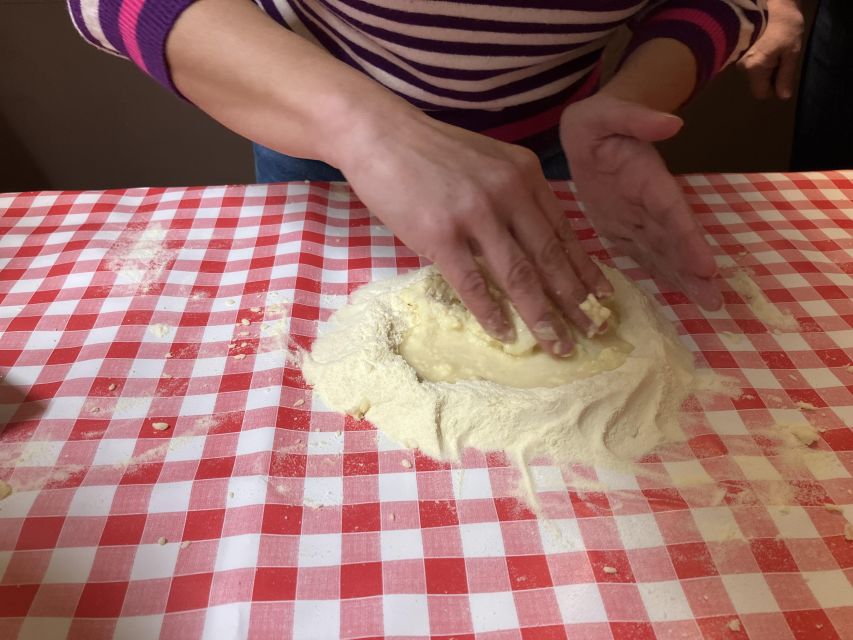
The duration is 2.5 hours, and the meal happens after you finish the cooking work. If you book a morning slot, you can often eat your creations by lunchtime, which makes the whole day feel more efficient.
One example given includes a 10:30am slot. That kind of timing is great if you hate the idea of cooking and then waiting hours to eat. It also gives you more time later for Rome walks, gelato stops, and whatever else is on your plan.
If you book later in the day, you’ll still eat right after the workshop, so it stays a complete experience. But mornings can feel like you get two wins: you learn early and you’re done sooner.
Rules, access, and who this class isn’t for
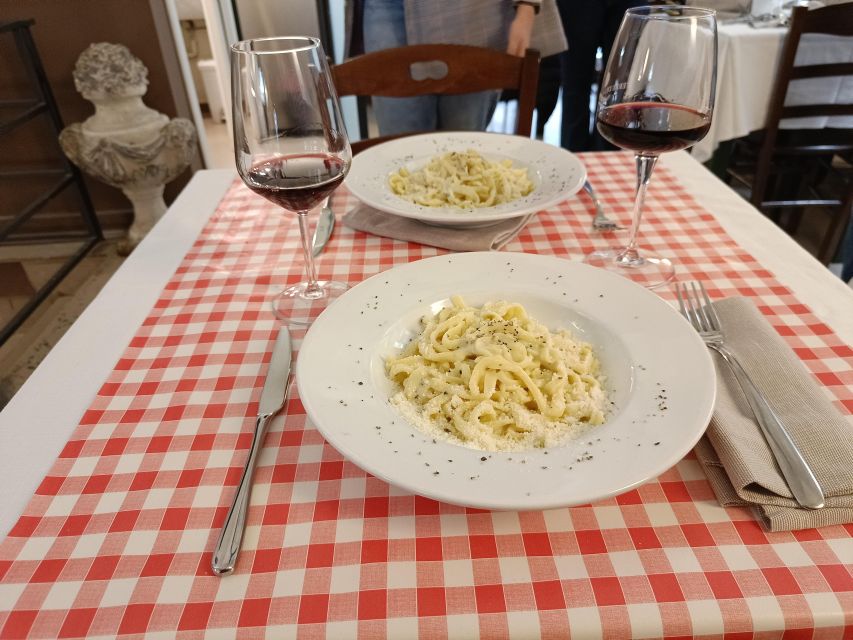
A quick heads-up so you’re not surprised. You won’t enter the actual kitchen where pasta is cooked and seasoned, for safety reasons. You’ll still do the hands-on pasta steps—mixing, rolling, cutting—but the final kitchen handling stays behind the scenes.
On the practical side, the class is described as wheelchair accessible. That’s good news if you need that kind of accommodation.
On the other hand, the class isn’t suitable for:
- vegans
- visually impaired people
- people with gluten intolerance
- people with lactose intolerance
So if any of those apply to you or your group, this one likely won’t work. It’s better to pick an option that explicitly supports your needs than to hope it can be adapted.
What you take home: recipes and technique you can repeat
The class includes take-home recipes, and that’s where the experience earns its keep. Eating fresh pasta and tiramisù once is great. But learning what to do next time—that’s the real souvenir.
You’ll have a clearer idea of:
- how fresh pasta dough behaves
- how tonnarelli is rolled and cut
- how tiramisù is built so it holds its texture
When you cook back home, you’ll also have a mental checklist. Instead of guessing ratios, you’ll remember the process cues your instructor gave while you were actively working.
And since the class happens in an osteria setting in Rome, it helps the recipes feel connected to place—not just generic Italian cooking. You’re learning the style of Rome: simple ingredients, strong technique, and confident execution.
Should you book it? My honest take
Book this Rome class if you want hands-on skills for tonnarelli and tiramisu, and you like the idea of eating your results right after with wine. It’s also a strong pick if you’re traveling with friends or even solo, because the format is designed around working together and sharing the table afterward.
Skip it if you’re vegan, or if gluten or lactose intolerance is a deal-breaker. Also, if you’re visually impaired, the class isn’t listed as suitable.
If you can do those fit checks, this is one of the better ways to spend a chunk of Rome time: you’ll come away with a real skill, not just a meal.
FAQ
How long is the Rome Cooking Class: Handmade Tonnarelli Pasta & Tiramisu?
It lasts 2.5 hours.
Where do I meet for the class?
Meet in front of the Osteria San Giorgio.
Is the instructor English-speaking?
Yes, the instructor teaches in English.
What’s included in the price?
The class includes the instructor, all necessary ingredients and equipment, the meal, and a glass of wine.
Is a glass of wine included?
Yes, a complimentary glass of wine is included.
Is it suitable for vegans or gluten-free/lactose-free diets?
No. It is not suitable for vegans, and it’s not listed as suitable for gluten intolerance or lactose intolerance. Vegan, gluten-free, and lactose-free options are not included.
Will you enter the actual kitchen during the pasta cooking?
No. For safety reasons, clients will not enter the actual kitchen where the pasta is cooked and seasoned.
What’s the cancellation policy?
You can cancel up to 24 hours in advance for a full refund.