REVIEW · ROME
Rome: Cooking Class of fresh Pasta and Tiramisu Cake
Book on GetYourGuide →Operated by Pink Umbrella Tours · Bookable on GetYourGuide
If you’ve ever wanted to make pasta without guesswork, this class is a smart start. You’ll work side-by-side with an English-speaking chef in an authentic Roman osteria, then leave with two core skills: shaping fresh hand-made pasta and building a creamy tiramisù. It’s hands-on, practical, and tied directly to Italian food culture.
Two things I especially like: you knead, roll, and cut the pasta yourself, so the technique sticks, and you also mix the tiramisù filling yourself, which is where most home cooks get stuck. One consideration: this is not a match for people who need vegan food, gluten-free, or lactose-free options.
In This Review
- Key points before you go
- Inside Osteria San Giorgio: a cooking class that feels like Rome
- What you make: fresh pasta basics you can repeat later
- Rolling and cutting: the hands-on part people remember
- Tiramisù building: the creamy part you’ll want to master
- Why the Italian food culture talk isn’t fluff
- Wine and the sit-down meal: included, and worth it
- Price and value: is $58 per person fair?
- Who this Rome cooking class suits best
- A few practical expectations so you’re not surprised
- Should you book it?
- FAQ
- Where does the cooking class meet?
- How long is the Rome cooking class?
- Is the instructor’s language English?
- What’s included in the price?
- Do you have wine during the class?
- Is this class suitable for vegans or gluten/lactose intolerance?
- Is the class wheelchair accessible?
- What is the cancellation policy?
Key points before you go
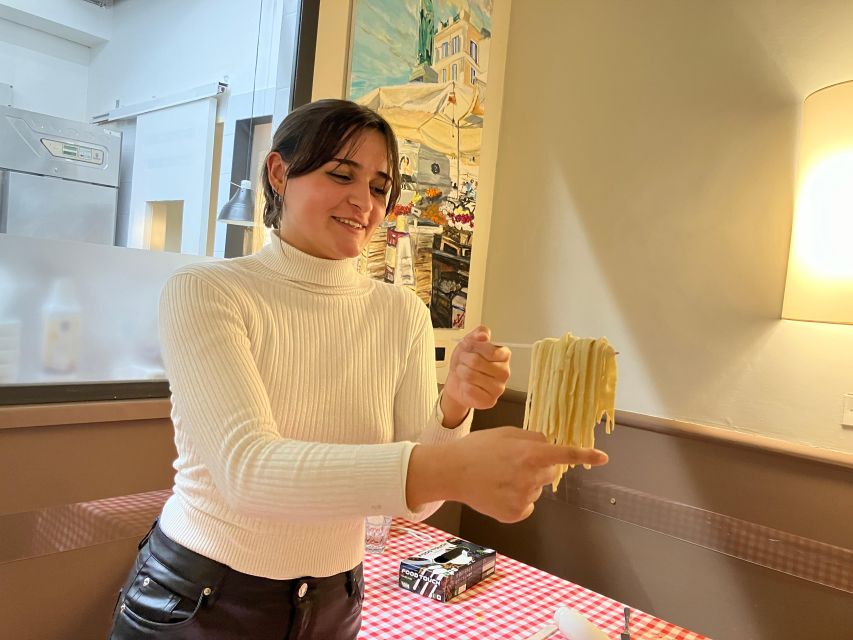
- Knead, roll, and cut fresh pasta so you practice the real movements, not just watch
- Creamy tiramisù mixing and whipping focused on getting the texture right
- English instruction with a patient, friendly approach you can learn from at your pace
- An authentic Roman osteria setting that feels like you stepped into local life
- Wine with your finished meal included, so you actually sit down and enjoy what you made
Inside Osteria San Giorgio: a cooking class that feels like Rome
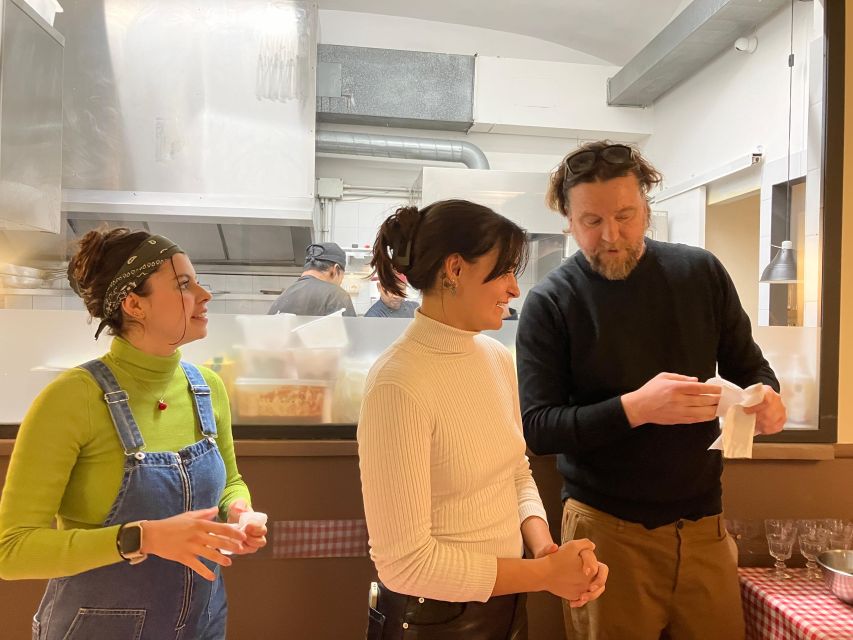
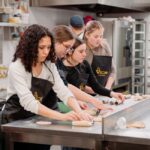
Rome is great at showing you food. This experience teaches you how to make it. The class takes place at Osteria San Giorgio, an authentic Roman osteria setting that helps you understand why Italian cooking is so tied to everyday habits, not special-occasion drama.
The format is built around doing. You’re not just learning recipes as facts; you’re learning them as motions and textures: how dough responds under your hands, how pasta shapes when you roll it thin enough, and how tiramisù cream changes as you mix. That kind of learning is what you’ll reuse at home, even when the kitchen is smaller and the ingredients are different.
You’ll spend 2.5 hours in total with the chef sharing lots of information about Italian food culture along the way. In past sessions, the teaching style has included friendly, patient instructors such as Kris, Kristian, Luca, and Elisabeth, so expect a warm tone and plenty of real-time guidance.
You can also read our reviews of more cooking classes in Rome

What you make: fresh pasta basics you can repeat later
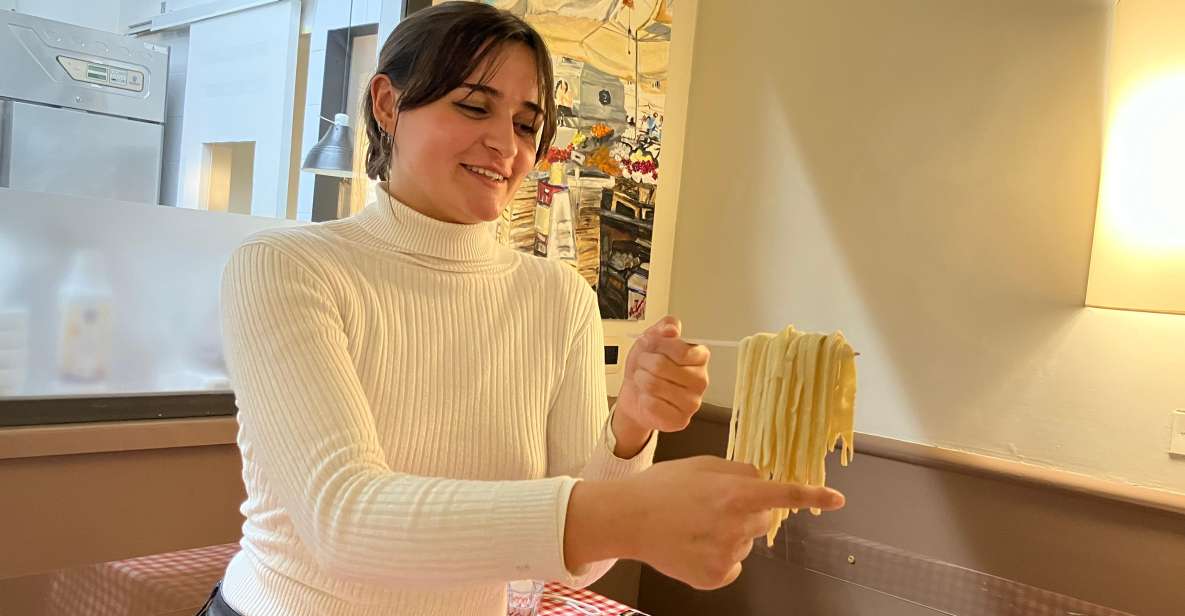
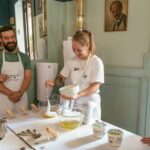
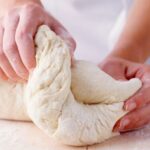
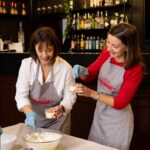
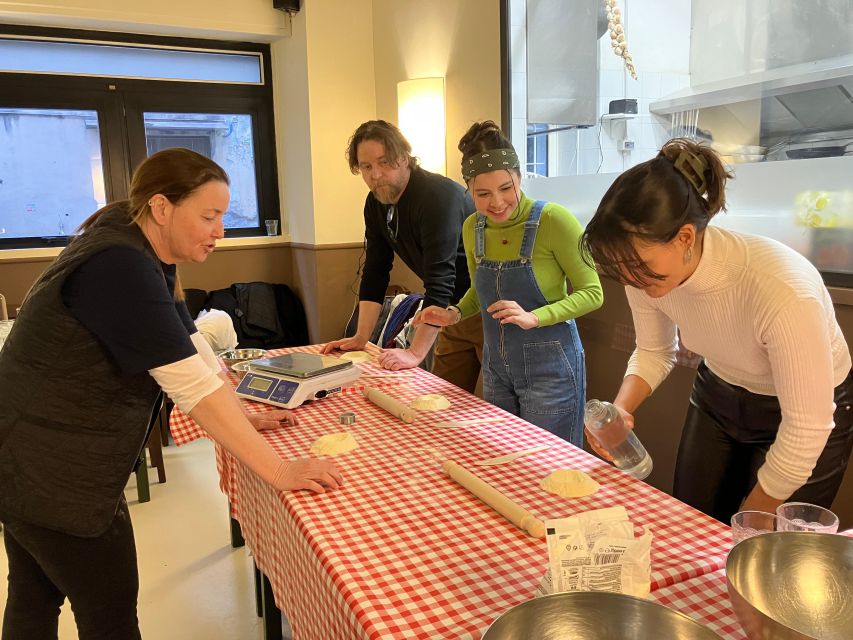
This class is centered on a full Roman meal made from scratch, starting with fresh hand-made pasta. The chef guides you through the key stages: how to knead the dough, how to roll it, and how to cut it into the shapes used for a homemade plate.
Why this matters: store-bought pasta is convenient, but it doesn’t teach you what pasta dough feels like when it’s right. When you knead, you learn the difference between dough that’s too dry, too sticky, or just balanced. When you roll, you learn how to get an even thickness. When you cut, you learn that clean edges and consistent pieces help the dish cook and taste better.
And yes, you’ll actually do it. The experience is designed to be hand-on at each step, so you leave with muscle memory, not just a printed recipe. That’s the big value for me: you can recreate the process later, not just the final flavor.
Rolling and cutting: the hands-on part people remember
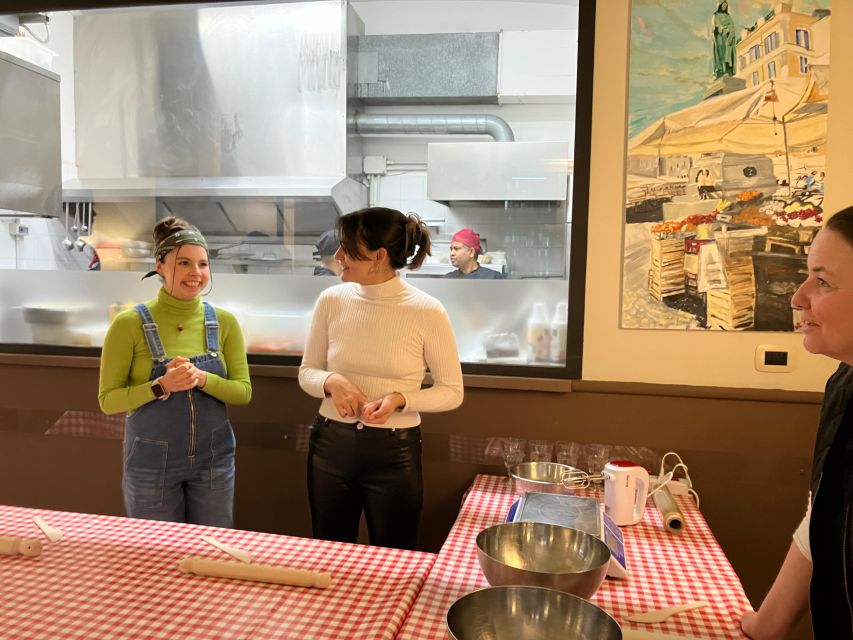
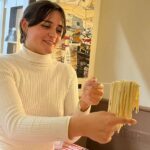
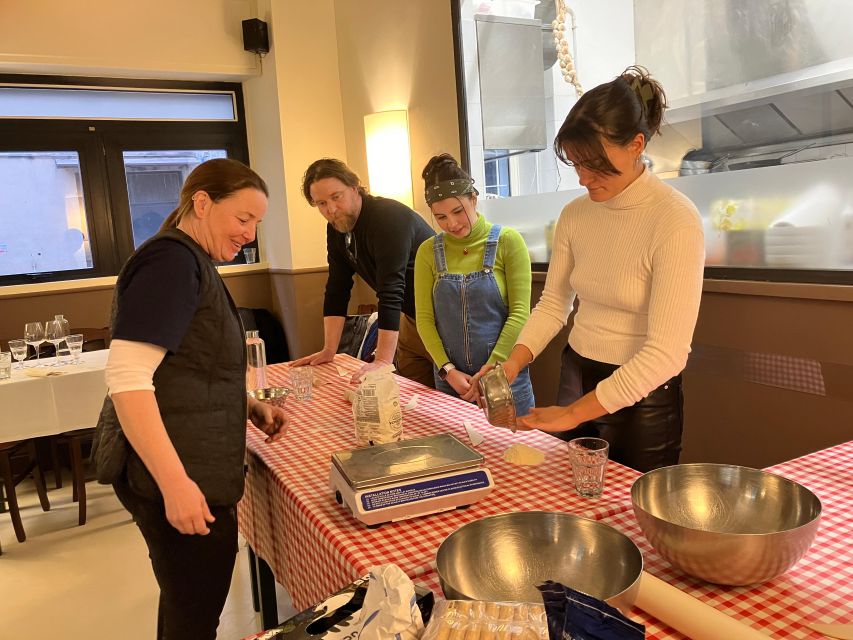
Most cooking classes stop at mixing. This one keeps you busy with the physical work. You’ll knead, roll, and cut the pasta as part of the learning process, which means you’ll get a feel for the dough in your hands, not just in theory.
Here’s what to expect during this part of the class:
- You’ll work the dough until it develops the right consistency.
- You’ll roll it out to the thickness the chef recommends.
- You’ll cut the pasta into the shape you’re making for your meal.
If you worry that you’ll be slow, don’t. The class is taught in English and is paced so you can keep up. In sessions I’ve seen, the instructors were described as friendly and patient, including a noted focus on making kids comfortable enough to do everything. That’s a good sign if you’re the type who learns best by doing at your own rhythm.
A practical tip for you: wear comfortable clothes and keep expectations simple. Your first attempt won’t look like a restaurant’s sheet-cut perfection, and that’s fine. The point is learning the technique so your next attempt gets better.
Tiramisù building: the creamy part you’ll want to master
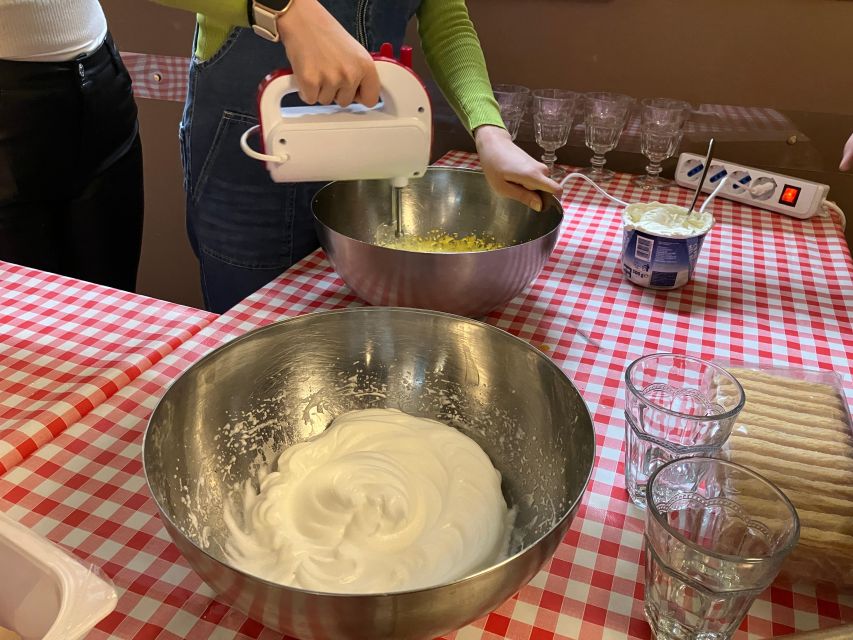
Once the pasta work is underway (or finished), the class moves to tiramisù. This is where the experience really shines for home cooks, because tiramisù is deceptively specific. The main challenge isn’t the ingredients; it’s the texture.
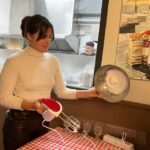
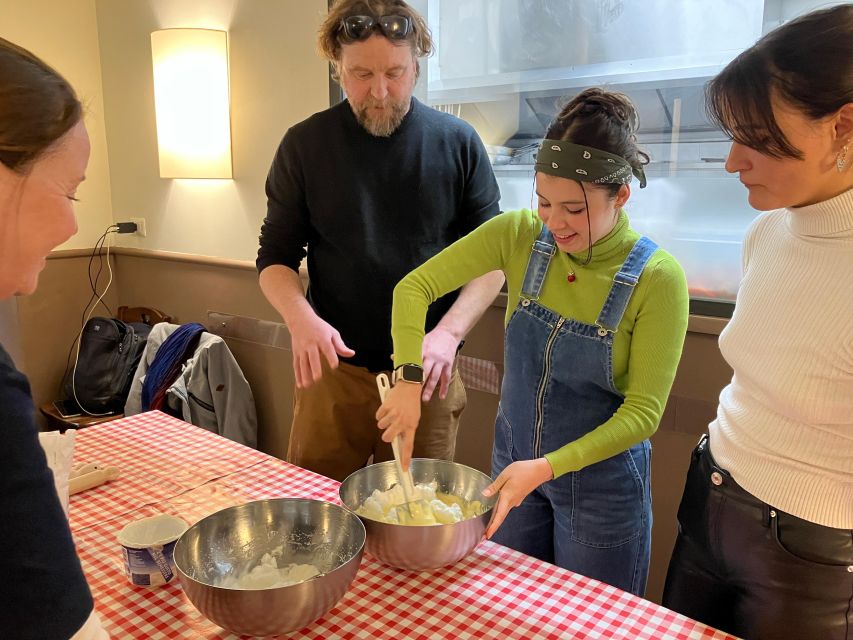
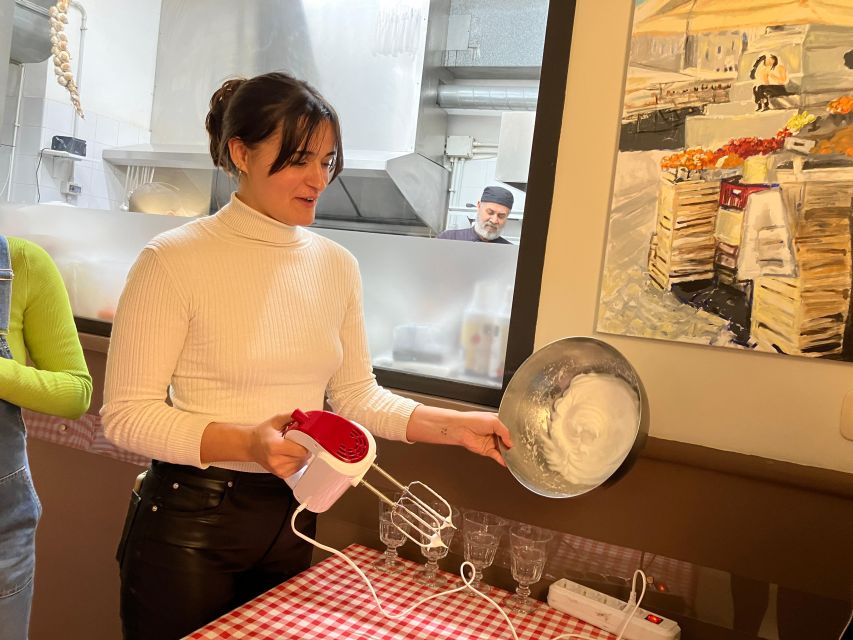
You’ll whip, mix, and create the creamy tiramisù as part of the class. That means you practice the steps that affect how smooth the filling feels and how it holds together.
What makes this valuable:
- You learn what “creamy” should look and feel like, not just what the recipe says.
- You get live feedback while you mix, which is the quickest way to fix issues.
- You leave understanding how the tiramisù comes together as a system, not a mystery.
And then comes the best part: you’ll get to enjoy what you made. A glass of fine wine is included with your meal, so you’re not just tasting in tiny bites—you’re settling in and eating the result of your work.
Why the Italian food culture talk isn’t fluff
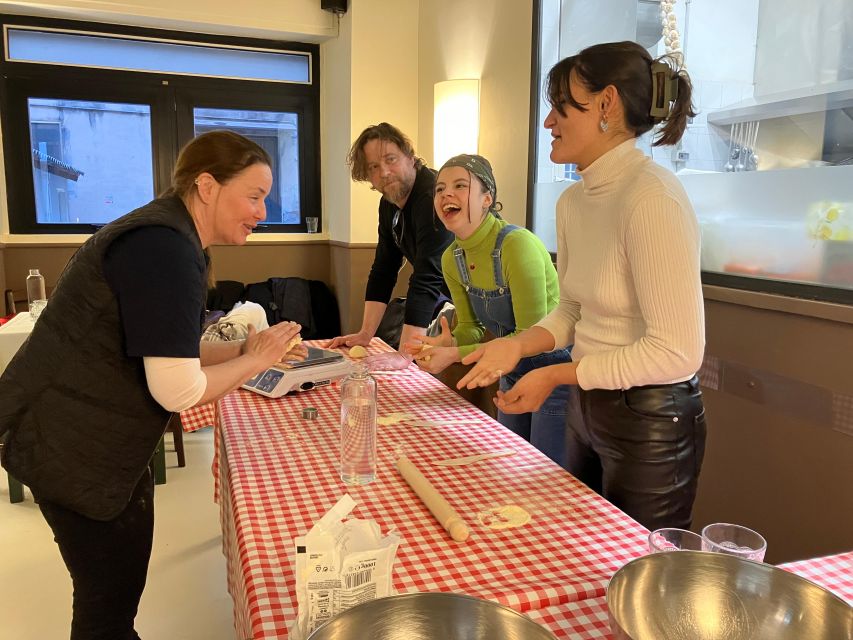
A good cooking class teaches technique. A great one teaches why the technique exists. This experience includes the chef sharing information about Italian food culture throughout the session, which helps you connect the dots between method and taste.
Instead of treating recipes like a list, you start to see them as part of daily Italian habits—how people think about ingredients, how meals are structured, and why something as simple as fresh dough changes the whole experience. That context helps you cook more confidently later, even when you don’t follow the class recipe line by line.
In short: you’re not just copying a dish. You’re learning how Italians approach cooking as something you do, repeat, and improve.
You can also read our reviews of more tours and experiences in Rome
Wine and the sit-down meal: included, and worth it
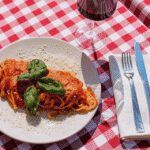
The class ends with a meal you made yourself, plus a glass of fine wine. This is a small detail that changes the experience. If you only cook and never eat, you don’t fully understand what you accomplished.
Eating what you produced helps you notice flavors and textures more clearly:
- You’ll taste your fresh pasta experience directly, not just the idea of it.
- You’ll see how your tiramisù filling sets and how the cream tastes when it’s part of a complete plate.
It also keeps the mood relaxed. You’re in a Roman osteria, you’ve been learning for a couple of hours, and then you get to enjoy a proper finish without scrambling to find dinner afterward.
Price and value: is $58 per person fair?
At $58 per person for 2.5 hours, this class is priced in a way that makes sense if you’re comparing it to the full cost of doing this at home. You’re getting:
- a professional expert guiding you step-by-step
- all ingredients
- all utensils
- food and wine included
You’re also buying something harder to price: time with an instructor who can correct your technique in real time. Fresh pasta and tiramisù are doable at home, but they become frustrating fast without guidance, especially when you’re learning how dough should feel and how cream should turn out.
If you want a souvenir, you’ll find one in your stomach. If you want real skills, the value is stronger than it looks on paper.
Who this Rome cooking class suits best
I’d steer you toward this class if you want practical skill, not just sightseeing calories. It’s a great fit for:
- couples who want a shared activity with a tangible payoff at the end
- food lovers who enjoy learning by working with their hands
- families with older kids who can follow steps and handle the hands-on parts (a past experience included a 6- and 10-year-old who did everything)
- anyone who wants to return home with a Roman meal you can repeat, not just a memory
There are also clear limits. It’s not suitable for vegans and it’s not suitable for gluten intolerance or lactose intolerance. If you’re in one of those categories, you’ll likely need a different cooking experience with ingredient substitutions spelled out.
A few practical expectations so you’re not surprised
This is a focused, technique-based class, so come with the mindset of learning. You’ll do the kneading, rolling, and cutting, then you’ll move into tiramisù mixing. The chef covers Italian food culture, and you finish by eating your own meal.
Because the activity is hands-on, plan to be comfortable getting a little messy. That’s part of the point. Also, it’s English instruction, so if you’re relying on English for comfort, you’re in the right lane.
Meeting point is Osteria San Giorgio. If you like to start calm, give yourself a little extra time to find the place and settle in before the cooking begins.
Should you book it?
Yes, if you want an experience that teaches you something you can actually use at home: fresh pasta technique plus a tiramisù build. The included meal and wine make it feel complete, and the hands-on structure is the difference between watching cooking and learning it.
Don’t book if vegan needs, gluten needs, or lactose needs are non-negotiable for you, because this class is not set up for those dietary restrictions. If you fit the standard ingredient plan, this is one of those Rome activities that pays you back every time you cook Italian at home.
FAQ
Where does the cooking class meet?
The meeting point is Osteria San Giorgio.
How long is the Rome cooking class?
The class duration is 2.5 hours.
Is the instructor’s language English?
Yes, the instructor teaches in English.
What’s included in the price?
The experience includes a professional expert, all ingredients, all utensils, food, and wine.
Do you have wine during the class?
Yes. You’ll enjoy your self-made meal with a glass of fine wine.
Is this class suitable for vegans or gluten/lactose intolerance?
No. It is not suitable for vegans, and it’s also not suitable for people with gluten intolerance or lactose intolerance.
Is the class wheelchair accessible?
Yes, it is wheelchair accessible.
What is the cancellation policy?
You can cancel up to 24 hours in advance for a full refund.