REVIEW · ROME
Rome: Excursion to the Vatican Museums
Book on GetYourGuide →Operated by mmm tours srls · Bookable on GetYourGuide
The Vatican runs smoother with the right guide. You get skip-the-line access to the Vatican Museums and then on to St. Peter’s Basilica, with headsets so you can actually follow the story.
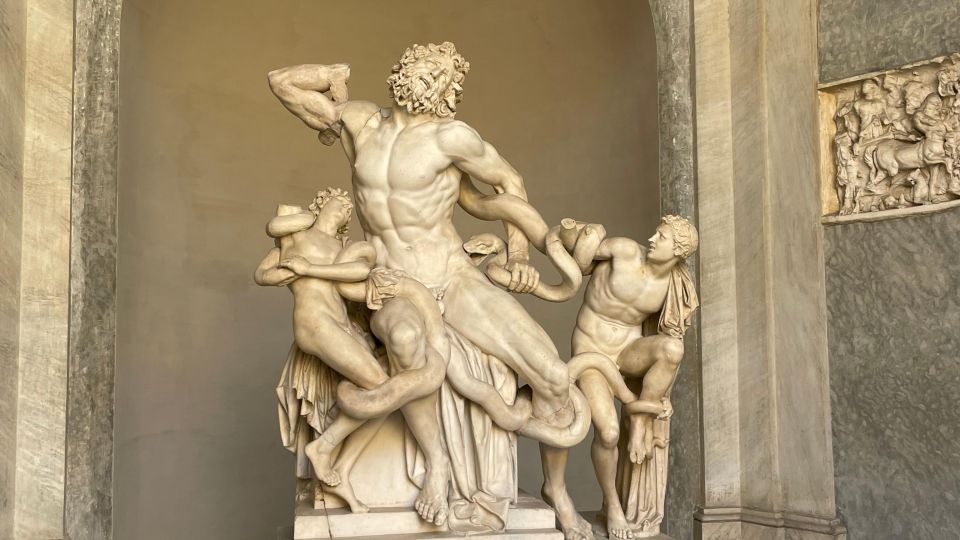
I love the Sistine Chapel ceiling, especially The Creation of Adam and The Last Judgment. I also love the Palazzo Belvedere statue collection, with Apollo, Laocoön, and the Belvedere Torso.
My main caution is the Sistine Chapel closure risk when Vatican officials pause access for the conclave, even though your tour still covers the Museums and other accessible areas.
In This Review
- Key highlights
- Why This Vatican Museums + St. Peter’s Visit Feels Worth Your Time
- Meeting Point, Timing, and the Quick Rules That Affect Your Day
- Vatican Museums Focus: Pigna, Chiaramonti, and the Palazzo Belvedere Statues
- Gallery of Maps and the Raphael Rooms: How Rome Loved to Measure the World
- Gallery of Tapestries and the Candelabra: Art Made to Look Different in Motion
- Sistine Chapel: What You’ll See, and Why Closure Changes Everything
- St. Peter’s Basilica After the Museums: Tombs, Mosaics, and Bernini’s Drama
- How 2.5 Hours Really Feels in a Place This Big
- Price ($113.29) and Value: What You’re Actually Paying For
- The Guide Experience: Russian Storytelling and the Cozier Side of a Crowded Place
- Before You Go: One Simple Rome Prep That Helps
- Who Should Book This Tour
- Should You Book This Rome Vatican Museums Excursion?
- FAQ
- What’s the price per person for the Vatican Museums and St. Peter’s excursion?
- How long is the tour?
- Where does the tour start?
- Is skip-the-line access included?
- Does the tour include St. Peter’s Basilica?
- Will I see the Sistine Chapel?
- What language is the live tour guide?
- Are headsets included?
- What should I wear in summer?
- Are bags and food included?
Key highlights
- Skip-the-line entry for the Vatican Museums so you lose less time waiting
- Headsets included, which matters inside noisy crowds
- Palazzo Belvedere statues like Apollo, Laocoön, and the Belvedere Torso
- Gallery of Maps and Raphael Rooms painted for Pope Julius II
- Gallery of Tapestries with 16th-century weaving based on Raphael’s pupils
- Dress code in summer: shoulders and knees must be covered
Why This Vatican Museums + St. Peter’s Visit Feels Worth Your Time
If you only have a short window in Rome, this kind of guided route is the smart move. You’re not just wandering. You’re walking into major rooms in a logical order, with a guide keeping the art and religious context understandable.
I like that the tour includes skip-the-line access to both the Vatican Museums and St. Peter’s Basilica. That cuts the two biggest “time traps” right away: security and long queues. Add in headsets, and you’re less likely to miss key explanations because someone is standing in front of you.
One more practical win: you’ll spend your limited time on the big, memorable highlights. The Sistine Chapel is the obvious draw, but the supporting cast is strong too—maps, tapestries, ancient sculpture, and the grand architecture inside St. Peter’s.
You can also read our reviews of more museum experiences in Rome
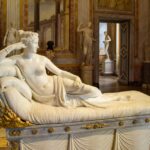
Meeting Point, Timing, and the Quick Rules That Affect Your Day
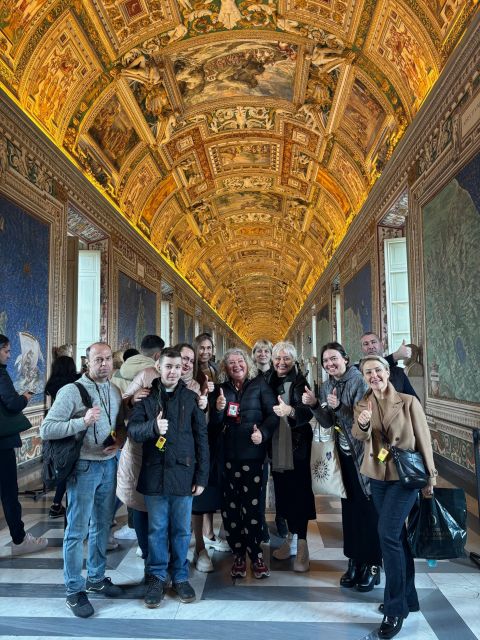
This tour starts at Via Santamaura, 12. There’s no hotel pickup, so you’ll want to plan your walk or transit time with buffer.
The experience is designed for about 2.5 hours total, with guided time at each main area. That means you’ll see a lot, but you won’t linger for an hour in one chapel or gallery. The upside is momentum—less stalling in crowds. The trade-off is that this is a “see and understand” format, not a “slow museum day” format.
A few rules matter because they can change how smoothly you enter:
- Bags aren’t allowed
- Alcohol and drugs aren’t allowed
- In summer, shoulders and knees must be covered
If you tend to travel light, great. If you usually carry a tote, check your packing strategy before you go.
Vatican Museums Focus: Pigna, Chiaramonti, and the Palazzo Belvedere Statues
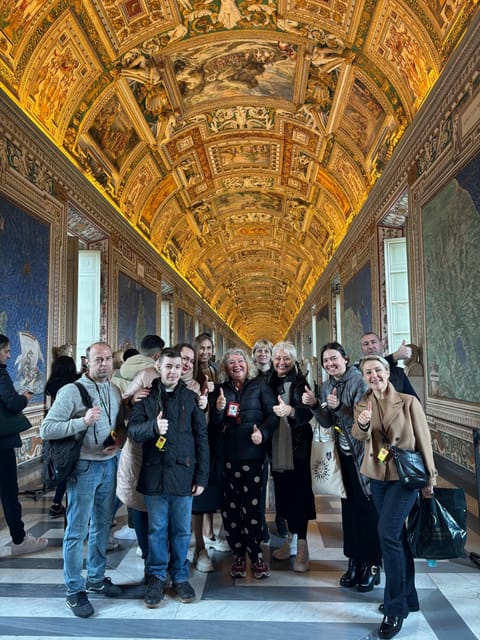
The Vatican Museums portion is where the tour earns its keep. You begin with guided time that sets you up to look instead of just pass by walls.
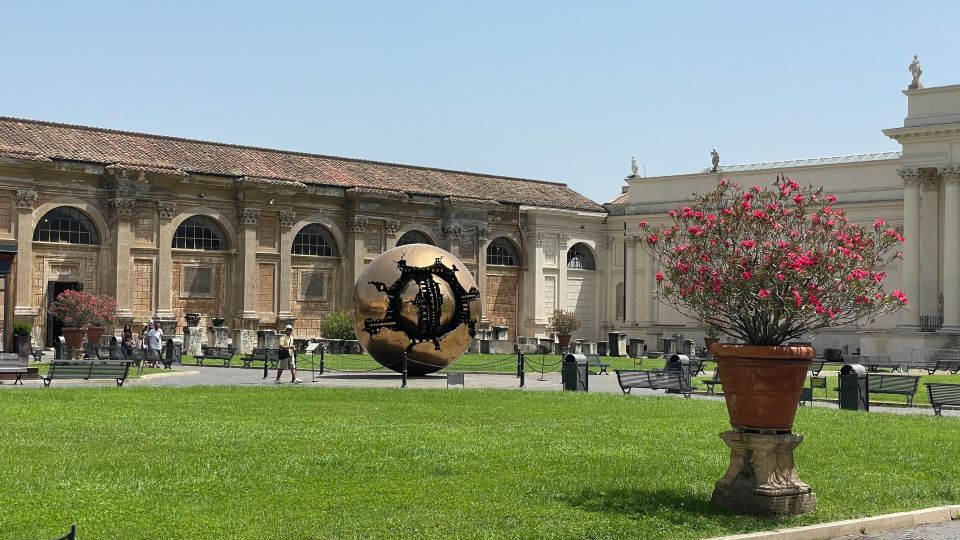
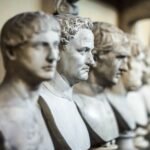
You’ll spend time around the Courtyard of the Pigna, then move through the Chiaramonti Museum and into the Palazzo Belvedere. This is where the route pays off for art lovers and history lovers at the same time, because ancient sculpture is presented as a collection with real narrative links.
What I really like about this part of the visit is the specific statue focus you’re given. In the Belvedere Palace you’ll see names like Apollo, Laocoön, and the Belvedere Torso. Those titles aren’t just trivia. A guide can connect them to how Renaissance and Baroque artists were inspired by classical models, which makes the museum feel less like storage and more like a living influence trail.
If you’ve ever thought you don’t “get” sculpture, this section can change that. You’re taught what to notice—pose, scale, emotion, and why these pieces mattered enough to be copied, studied, and referenced.
Gallery of Maps and the Raphael Rooms: How Rome Loved to Measure the World
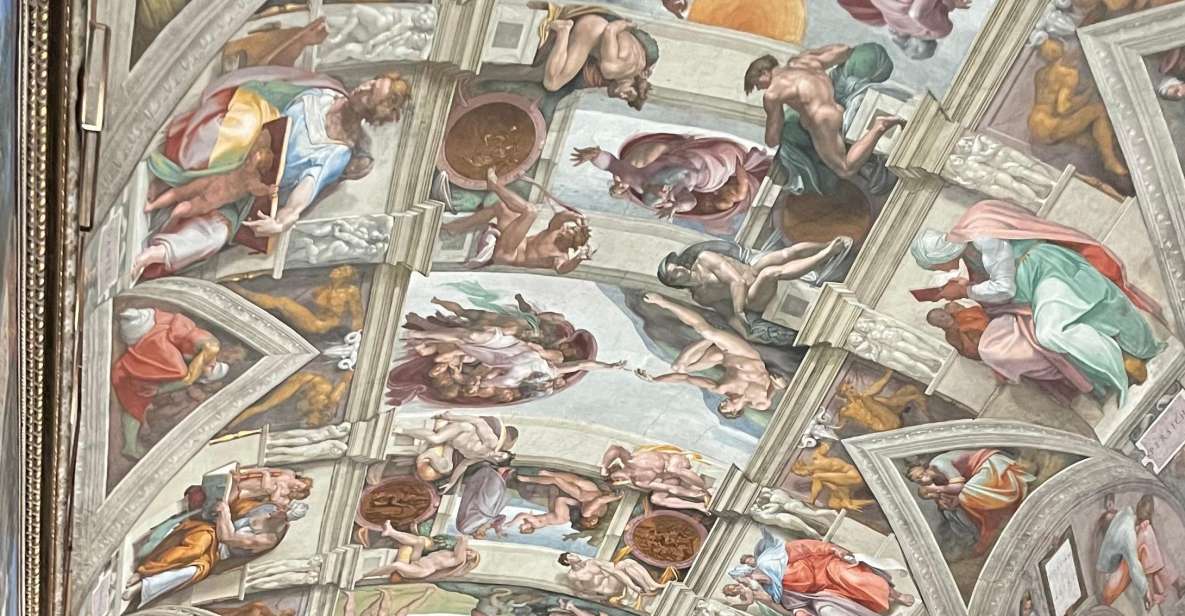
Next comes the Gallery of Maps, followed by the Raphael Rooms. This is a smart pivot from ancient bodies and museum rooms into something more mind-bending: how people pictured the world and how rulers wanted stories told.
The Gallery of Maps is special because it’s ancient cartography on display, and the effect is big even in a short viewing window. You’re looking at how geography was understood visually—more than a poster, it’s a political and cultural statement.
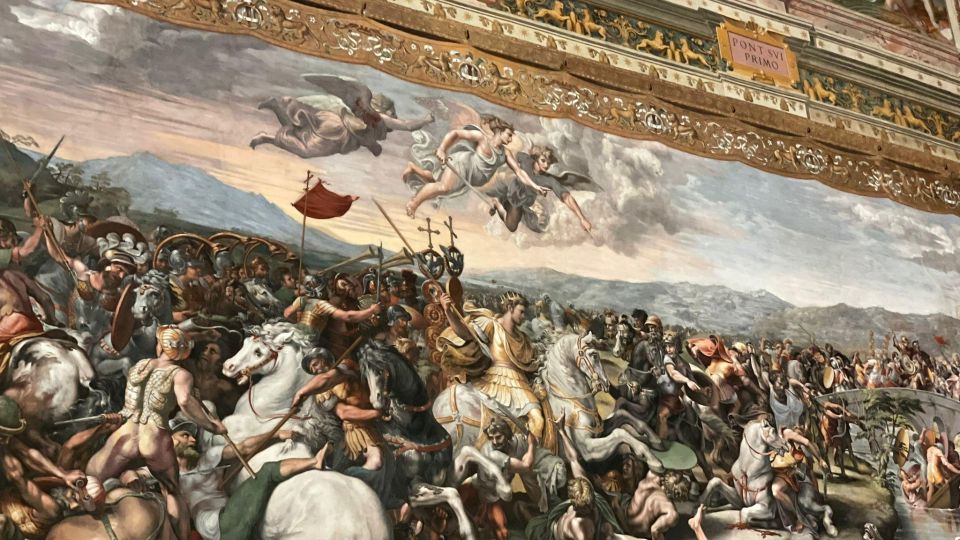
Then the tour moves you into the Raphael Rooms, painted for Pope Julius II. Even if you’ve only seen a few famous Renaissance images before, the rooms give you a sense of how painting functioned in power. You’re not just watching art. You’re seeing the official imagination of an era, organized by a church leader who commissioned and curated what people would remember.
Gallery of Tapestries and the Candelabra: Art Made to Look Different in Motion
This portion shifts the mood. After maps and rooms, you get guided time in the Gallery of Tapestries and the Gallery of the Candelabra.
The Gallery of Tapestries is built on a neat detail: these weavings are 16th-century works, made from designs by Raphael’s pupils. That combination matters. You’re seeing how ideas traveled from sketch to workshop, and how design became fabric—art that could decorate rooms and signal wealth and taste.
Then the Gallery of the Candelabra gives you another kind of viewing experience: it’s designed around striking visual impact, so your attention is guided to the details you might miss if you’re just trying to get through.
This is also where headsets help most. These rooms can be visually busy, and when you can hear the guide clearly you’re better able to connect what you’re seeing to the larger story.


Sistine Chapel: What You’ll See, and Why Closure Changes Everything
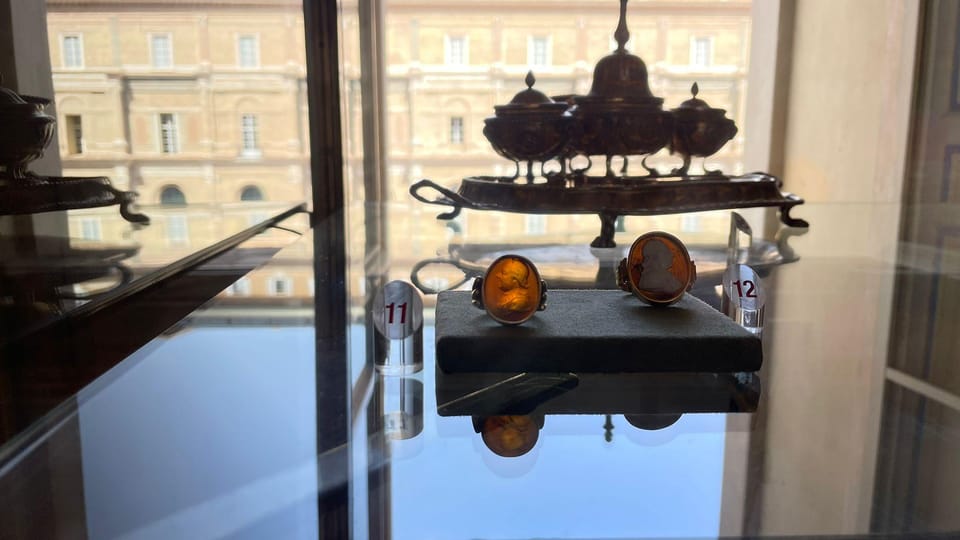
The Sistine Chapel is the headline. If it’s open, you’ll enter and marvel at Michelangelo’s frescoes, including The Creation of Adam and The Last Judgment. This isn’t only about famous images. The guide’s job here is to give you the “why it works” moments—composition, scale, and religious storytelling in paint.
But here’s the key reality check: due to Vatican circumstances tied to the passing of the Pope and the upcoming papal conclave, the Sistine Chapel may be closed until further notice. In that case, your tour remains valid for the Vatican Museums and other accessible areas.
So when you book, you’re not making an all-or-nothing bet on the ceiling. You’re buying a guided Museums route with a strong chance of seeing major rooms beyond the Sistine, plus the St. Peter’s Basilica access later.
St. Peter’s Basilica After the Museums: Tombs, Mosaics, and Bernini’s Drama
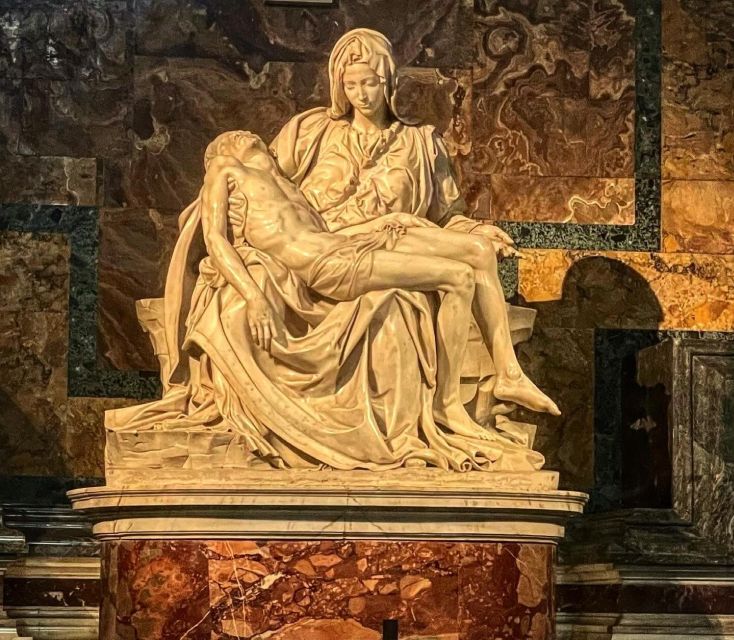
Once you’ve finished the museum portion, the tour includes skip-the-line access to St. Peter’s Basilica. That’s huge, because this is the church you hear about before you ever arrive in Rome—and once you’re inside, the scale can overwhelm your brain.
You’ll be guided to highlights that make the building feel like a timeline instead of just a big hall. The tour includes the fact that St. Peter’s was built over the tomb of the Apostle Peter, Christ’s closest disciple. You’ll also hear that it took over 120 years to complete, with contributions from major Renaissance and Baroque architects.
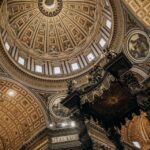
Your guide’s route also includes popes’ tombs, intricate Vatican mosaics, and the Holy Gates. Then comes the kind of sculptural showmanship most people associate with Bernini: Bernini’s grand altar.
If you’ve only seen photos, being guided through the actual space changes everything. You start noticing sightlines, how different artistic styles share the same stage, and why the Vatican keeps feeling less like a single church and more like an enormous monument to belief and power.
How 2.5 Hours Really Feels in a Place This Big
A Vatican tour can go two ways: either you sprint and miss everything, or you wander and end up tired and unsatisfied. This format tries to keep you in the “see and understand” middle.
You’ll get guided time in major areas—about 20 minutes per stop in the museums portion—then guided time at each key attraction. That’s an efficient pace. You’ll likely leave with clear mental anchors: a statue, a room, a map, a painting, and the main church highlights.
The potential drawback is simply math. In about 2.5 hours, you can’t also do long personal detours, rest stops, or extra museums the way you could on a full-day visit. If you want time to sketch, linger in silence, or take tons of photos without moving, this may feel quick.
Also, you should know the guide language is Russian. If you don’t read or speak Russian, you’ll need to rely on what’s explained and on your own ability to follow visually.
Price ($113.29) and Value: What You’re Actually Paying For
At $113.29 per person for roughly 2.5 hours, the price isn’t just “entry tickets.” You’re paying for a guided route through the highest-demand areas plus skip-the-line access to the Vatican Museums and St. Peter’s Basilica. You also get headsets to hear the guide clearly.
That’s where the value usually lands for people who hate waiting. The Vatican queues can eat half a day. Here, the plan is to reduce waiting and focus your time on the rooms that most visitors come for.
The other value piece is guide support. When a guide can explain what you’re looking at—why a statue matters, what the maps mean, and how the art ties into church leadership—the same museum rooms can feel three times more meaningful.
One caution that can affect value: if the Sistine Chapel is closed, you’ll still have a guided museums experience and St. Peter’s access, but your main ceiling moment may be gone. If Michelangelo is your must-see, double-check closure status before you go.
The Guide Experience: Russian Storytelling and the Cozier Side of a Crowded Place
The tour uses a live guide in Russian, and you’ll wear headsets so the guide comes through clearly. That matters because the Vatican Museums can be loud and crowded, and even a good guide becomes hard to follow without audio support.
From what I’ve seen in practice with guides like Kristina (and similar Russian-speaking guides), the best moments happen when the guide slows you down inside big rooms. You’re not just standing there with your phone; you’re learning what to notice and how to connect one room to the next.
A nice bonus from this style of guiding is the vibe. It doesn’t have to feel stiff. When the guide keeps the explanations clear and involves participants, the whole route feels more like a story you’re walking through.
Before You Go: One Simple Rome Prep That Helps
If you want your Vatican visit to click faster, plan a bit of context first. For example, if you can, visit the Roman Forum before this tour. It helps you get Rome’s political and religious backdrop in your head, so the Vatican doesn’t feel like it came from nowhere.
Also, pack for the rules. Since bags aren’t allowed, think about wearing comfortable clothing for walking and keeping only essentials with you.
And yes, in summer, plan clothing for the dress code: shoulders and knees covered. You don’t want to spend your arrival scrambling for a solution.
Who Should Book This Tour
I’d especially recommend it if:
- You want skip-the-line entry and a focused route in a short time
- You like guided explanations that connect art to the church and to Renaissance leadership
- You don’t want to plan room-to-room on your own
- You’re comfortable with a Russian-speaking guide (since that’s how the tour is run)
It may be less ideal if:
- The Sistine Chapel is the one single thing you must see and you won’t be satisfied if it’s closed
- You strongly prefer long free time inside galleries rather than a structured guided pace
- You need a bag-friendly day plan (since bags aren’t allowed)
Should You Book This Rome Vatican Museums Excursion?
Book it if you want a clear, guided route that combines Vatican Museums highlights with skip-the-line St. Peter’s Basilica, and you value hearing the story through headsets. It’s built for efficiency, and that’s usually what makes the Vatican enjoyable instead of exhausting.
Hold off or choose carefully if Michelangelo in the Sistine Chapel is your absolute must. The chapel can close due to Vatican officials for the conclave, even though the tour is still valid for museums and other accessible areas. If you’re okay with the Museums-and-St.-Peter’s focus even without the Sistine, you’ll likely be happy.
Also, if you plan smart about clothing and carry only what you need, the day runs cleaner.
FAQ
What’s the price per person for the Vatican Museums and St. Peter’s excursion?
The price is listed as $113.29 per person.
How long is the tour?
The duration is 2.5 hours. Starting times vary, so check availability for what’s offered.
Where does the tour start?
The starting location is Via Santamaura, 12.
Is skip-the-line access included?
Yes. The tour includes skip-the-line access to the Vatican Museums, and it also includes access to St. Peter’s Basilica.
Does the tour include St. Peter’s Basilica?
Yes. After the Vatican Museums, the tour includes skip-the-line access to St. Peter’s Basilica.
Will I see the Sistine Chapel?
The tour is designed to include the Sistine Chapel, but it can be closed by Vatican officials due to events related to the papal conclave. Your tour remains valid for the Vatican Museums and other accessible areas.
What language is the live tour guide?
The live tour guide is Russian.
Are headsets included?
Yes. Headsets are included so you can hear the guide clearly.
What should I wear in summer?
Shoulders and knees must be covered.
Are bags and food included?
Bags are not allowed. Food and drinks are not included.
If you want, tell me your travel month and whether the Sistine Chapel is non-negotiable for you, and I’ll help you decide how risky the closure factor is for your dates.