REVIEW · ROME
Rome: Five Shapes of Pasta Cooking Class in Ancient Tavern
Book on GetYourGuide →Operated by Professional Lab Pasta Experience · Bookable on GetYourGuide
One lesson and you’ll never look at pasta the same way. This Rome class turns an ancient tavern into a hands-on cooking school where you roll dough, fold fillings, and shape five famous pastas. The payoff is simple: you cook it, sauce it, eat it, then learn how to repeat it back home.
I love how practical it is. You don’t just watch a demo. You’ll work the dough and make ravioli, agnolotti del plin, tortellini, cappelletti, and fettuccine step by step. I also love the meal setup around your work: appetizer with prosecco and cheese, wine with your pasta, and an express tiramisu you make at the end.
The main consideration is time and intensity. This is a true 3-hour workshop with kneading, rolling, cutting, filling, and shaping, so if you want a slow, purely sightseeing-style evening, this may feel fast-paced.
In This Review
- Key highlights you should care about
- Stepping into an 1800s Osteria That’s Now a Cooking Room
- Rolling the Dough: The Wooden Pin Skill That Changes Everything
- The Five Shapes You’ll Actually Make (And Why Each One Is Different)
- Ravioli: the filling-and-seal lesson
- Agnolotti del plin: small folds, big technique
- Tortellini: classic structure and portion control
- Cappelletti: a different kind of shaping challenge
- Fettuccine: the hands-on “simple but not easy” payoff
- Sauces, Cheese, and Wine: Turning Your Work into a Real Meal
- Chef Emanuele and Angelo’s Teaching Style: Fun, Fast Corrections, Real Inclusion
- Food Safety and the Kitchen Setup (HACCP in 2020)
- Price and Time: Does $67.19 Hold Up?
- Logistics That Make or Break the Evening
- Who This Pasta Class Is Best For
- Should You Book This Five Shapes Pasta Class?
- FAQ
- How long is the Rome Five Shapes of Pasta Cooking Class?
- Where does the class meet in Rome?
- Is this class a small-group experience?
- What pasta shapes will I make?
- Will I eat what I cook?
- Are drinks included?
- Is dessert included?
- Is the class offered in English?
- What’s included in the price?
- Is the class suitable if I have mobility impairments or pets?
Key highlights you should care about
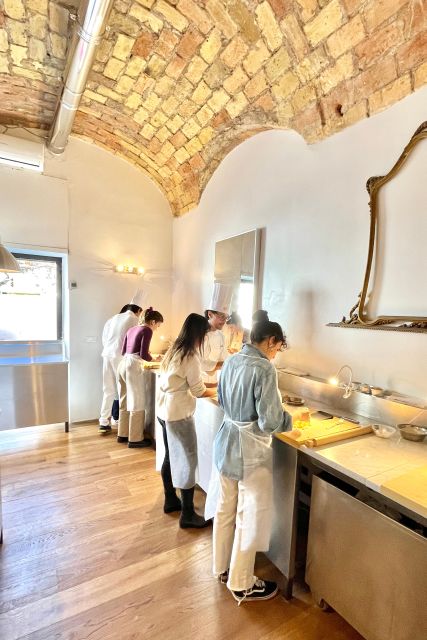
- Five pasta shapes from scratch using real rolling and cutting techniques, not shortcut dough
- Wooden pin rolling for that thin sheet texture Italians aim for
- Two types of sauce designed to show off different pasta styles
- Wine, cheese, prosecco, and tiramisu built into the experience so you’re not just learning
- Small-group format (limited to 10) so you can actually get help
- HACCP-certified kitchen practices (Food Hygiene and Safety in 2020)
Stepping into an 1800s Osteria That’s Now a Cooking Room
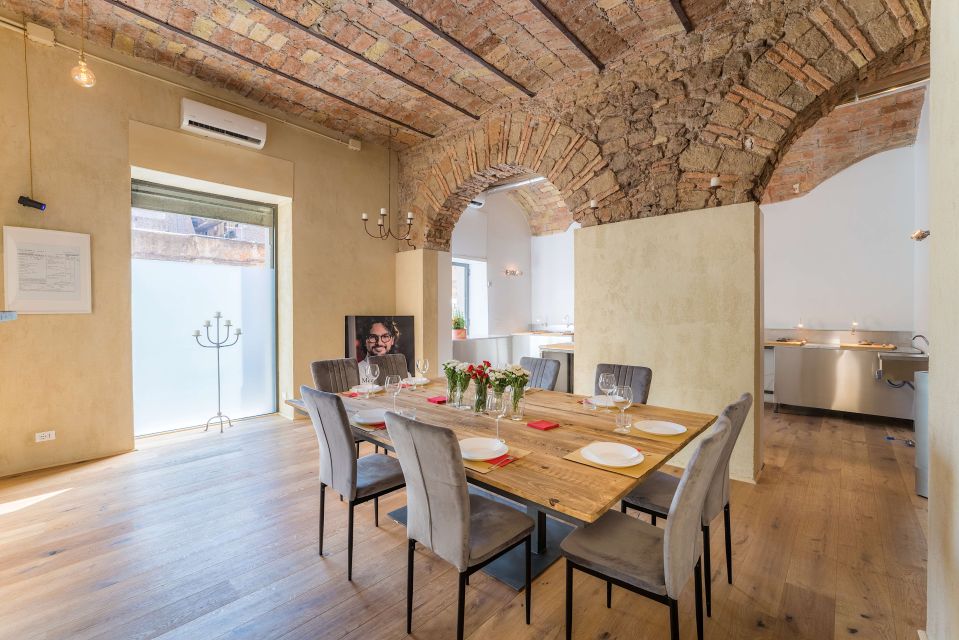
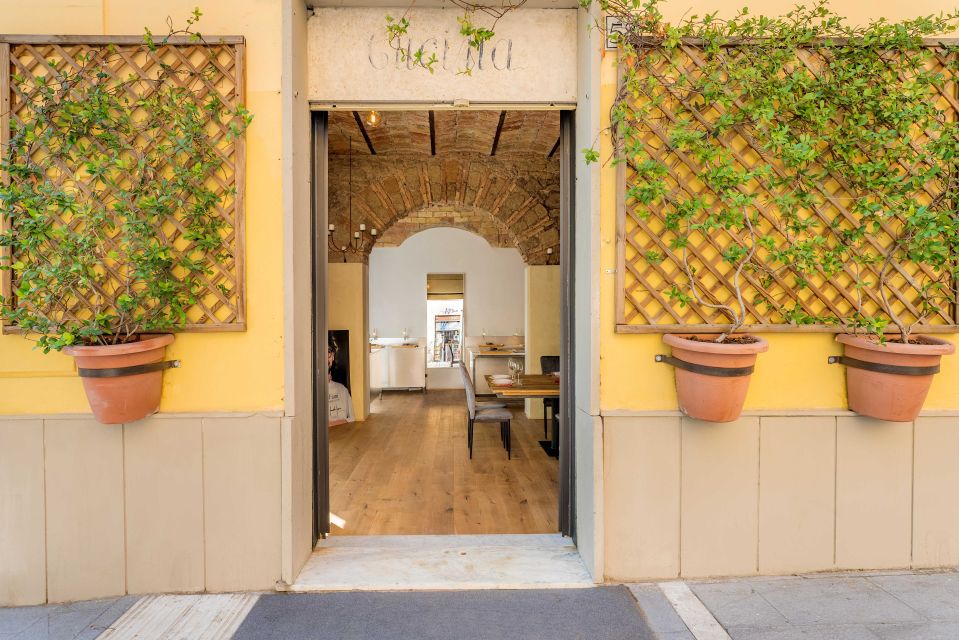
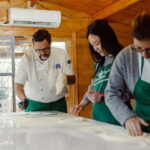
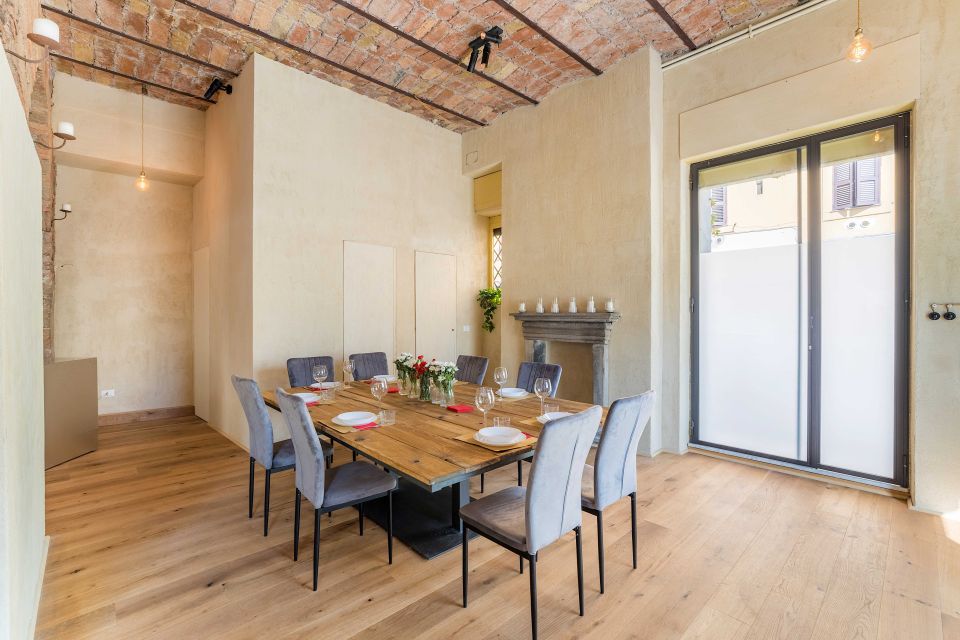
Your class starts at a very specific spot: an old osteria named Cucina. At the entrance you’ll even see the original osteria sign in marble, which matters more than you’d think. It helps you get the feeling that you’re cooking in a living Rome food space, not in a generic classroom.
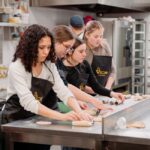
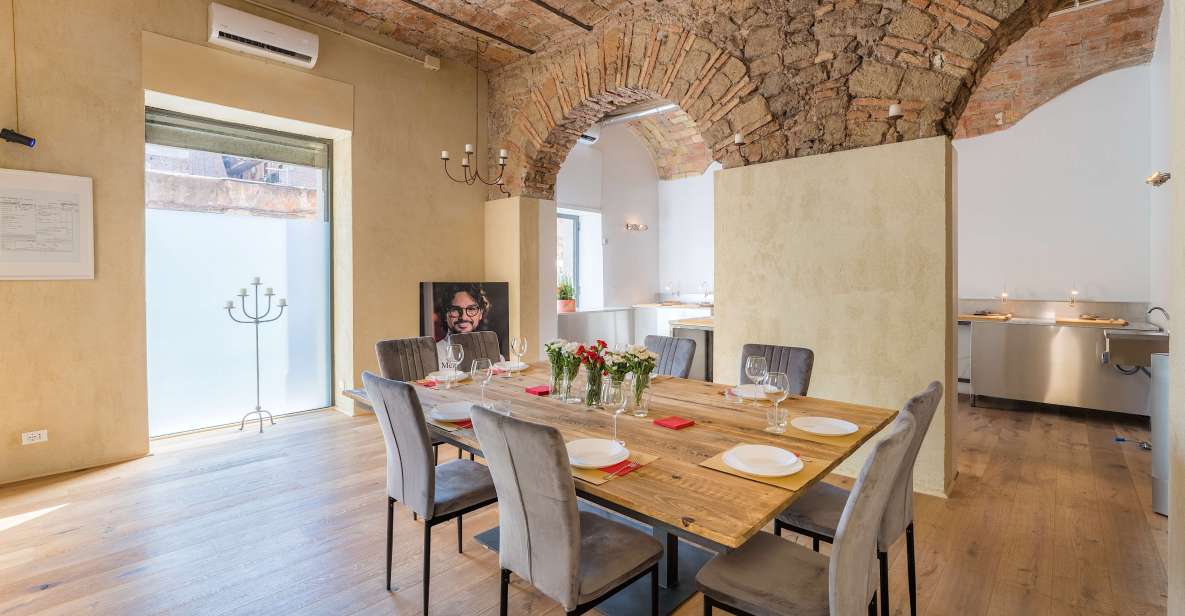
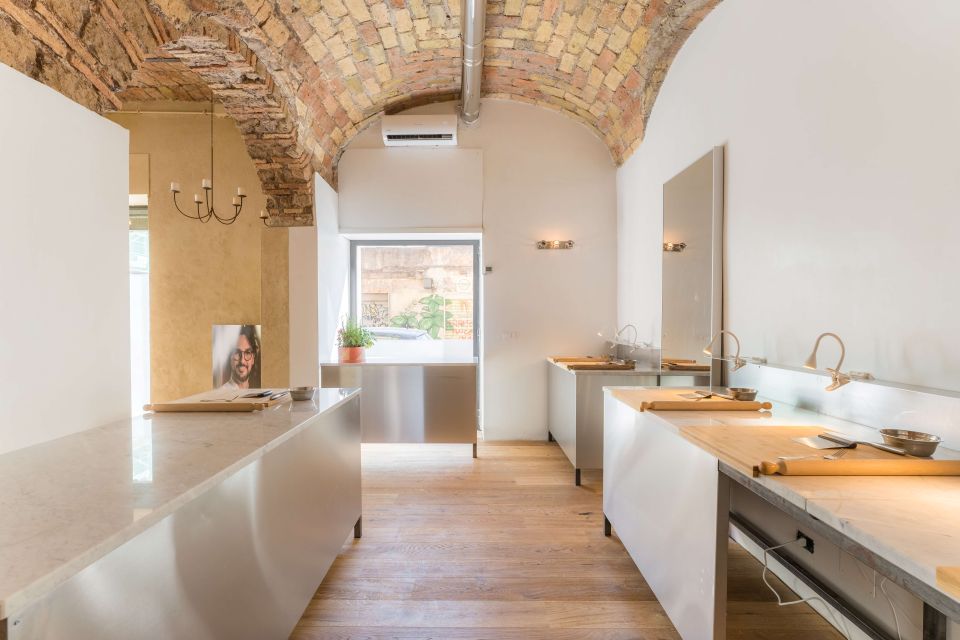
Inside, the vibe is part cozy tavern, part kitchen lab. You’re in the middle of plates, tools, and stations built for hands-on cooking. And the timing is built around that. You’re not waiting around while someone talks. Soon enough, you’re dusting flour, testing dough, and learning how thin is thin.
A nice bonus: you’ll be given a complimentary professional chef hat with the Pastificio Faini logo. It sounds silly until you’re wearing it and realizing how seriously the place takes the craft.
One more practical note: the class is not suitable for people with mobility impairments, so plan around that if stairs or tight space are an issue for you.
You can also read our reviews of more cooking classes in Rome

Rolling the Dough: The Wooden Pin Skill That Changes Everything
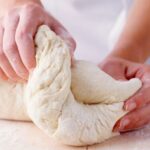
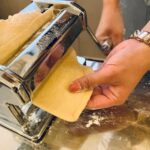
If you’ve only ever made pasta with a machine, you’ll learn quickly why fresh pasta matters. The heart of this class is making and handling dough the traditional way, then turning it into a thin sheet with a wooden rolling pin technique.
Here’s what you’re aiming for: dough that stretches without snapping, and a sheet thin enough that it cooks fast and tastes delicate instead of chewy. In a structured class, it’s easier because you get real guidance on things like dough texture and how to work it without over-flouring or tearing it.
You’ll also get practical food-handling instruction. The format includes safe cutting procedures, so you’re not just using tools casually while everyone hopes for the best.
This is one of those skills that seems small until you try it at home. When you can roll the dough to a consistent thickness, everything else improves: filling distribution for stuffed shapes, clean edges for sealed pasta, and better sauce adherence for the flat noodles.
The Five Shapes You’ll Actually Make (And Why Each One Is Different)
This is the unique part of the class: you make five shapes of fresh pasta in one go. That’s a lot for 3 hours, but it’s also why the class feels like a real skill-building session.
You’ll start learning the dough sheet workflow—then you’ll apply it to different pasta formats:
Ravioli: the filling-and-seal lesson
Ravioli are a hands-on test of control. The goal isn’t just to shape; it’s to seal properly so the filling stays where it belongs. You’ll work with safe cutting procedures and learn how to form the pieces in a way that cooks evenly.
Agnolotti del plin: small folds, big technique
Agnolotti del plin is all about the fold and the pinch detail. You learn how to create that characteristic shape and how the pasta holds sauce. It’s more fiddly than fettuccine, but it’s very teachable when someone stands nearby correcting your form.
You can also read our reviews of more tours and experiences in Rome
Tortellini: classic structure and portion control
Tortellini can look intimidating, but the class format breaks it down into manageable steps. Portion size matters here. If you overfill, sealing gets messy. If you underfill, the texture won’t match what you’re aiming for. This is where the small-group size helps.
Cappelletti: a different kind of shaping challenge
Cappelletti brings another style of fold/shape, teaching you how thickness and edge handling affect the final pasta. You’ll see quickly that different shapes aren’t just tradition—they’re technique.
Fettuccine: the hands-on “simple but not easy” payoff
Fettuccine may sound basic compared to stuffed pastas, but it still needs correct thickness and clean cutting. This is the pasta that often gives you the most immediate satisfaction because it comes out looking like what you picture when you think of Italian home cooking.
Sauces, Cheese, and Wine: Turning Your Work into a Real Meal
A good cooking class doesn’t stop at raw skill. This one builds a full experience around eating what you make.
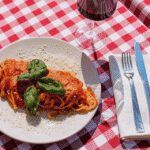
You’ll taste your pasta with two different Italian fresh sauces that the chef explains as you go. The point isn’t only flavor. Sauce pairings help you learn which pasta shapes work best with certain textures—stuffed pasta tends to cling and contrast, while flat noodles tend to carry sauce more broadly.
Before you get deep into shaping, you’ll also start with an appetizer featuring prosecco and Italian cheese. That sets the tone and keeps the energy up while the room shifts from social to culinary focus.
After the cooking portion, your meal continues in a proper Italian-meal flow. That includes wine with dinner and an end-of-class dessert: express tiramisu prepared as part of the experience.
If you like classes that feel like dinner with a lesson, you’ll probably enjoy this format. It’s not “learn for two hours, eat last.” It’s more like, “make, taste, and finish like you mean it.”
Chef Emanuele and Angelo’s Teaching Style: Fun, Fast Corrections, Real Inclusion
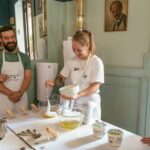
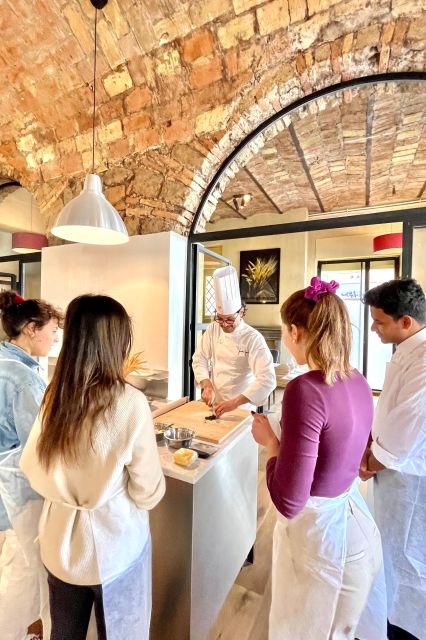
The chefs are a big reason this class hits so well. Many sessions are hosted by Chef Emanuele and Angelo (plus sous chefs), and the common thread is that instruction stays hands-on and upbeat.
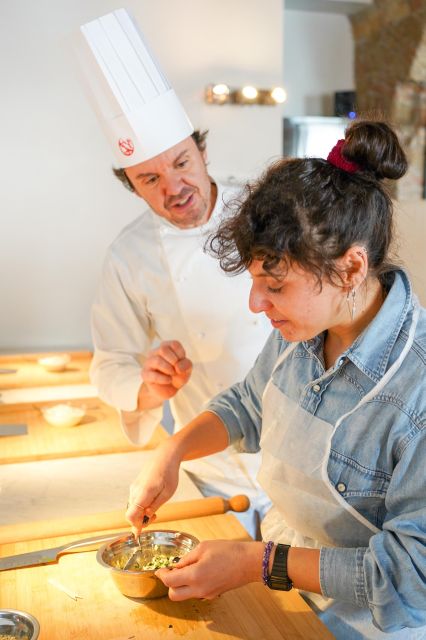
What I like about their style is how quickly they correct technique without making you feel clumsy. In the class reports I saw, Emanuele even adjusts ingredients when needed—one example mentioned working around a garlic allergy by slightly altering what went into certain pasta and even cooking a separate sauce so nothing felt left out.
That’s a real quality signal for an activity like this. Pasta is simple ingredients, but small substitutions can change texture. If a chef can adapt without ruining the dish, you end up with a better learning experience—and a better meal.
And yes, there’s humor. People described dancing, joking, and music that nudges your brain into kneading/rolling mode. It’s not loud or chaotic. It’s the kind of energy that helps you keep going when the dough gets sticky and you think, maybe this isn’t working.
Food Safety and the Kitchen Setup (HACCP in 2020)
This experience notes that the operation is HACCP certified for food hygiene and safety (in 2020). For you, that matters because pasta is an activity where hands are everywhere—dough, cutting tools, fillings, and surfaces.
When a kitchen is set up with food-safety thinking, the class flows better. You’re not constantly stopping to wonder if things are being handled correctly. And you can focus on technique: thickness, edges, seals, and timing.
Also, since it’s a cooking school inside a tavern setting, it usually means the kitchen is organized for real instruction rather than a pop-up demo. In other words: less confusion, more cooking.
Price and Time: Does $67.19 Hold Up?
At $67.19 per person for a 3-hour small-group class, the value depends on what you compare it to.
If you’re comparing it to a pasta meal in central Rome, this includes far more than lunch. You’re paying for:
- hands-on instruction to make five pasta shapes
- two sauce tastings with explanations
- a full meal setup (appetizer with prosecco and cheese, then dinner with wine)
- an included dessert (express tiramisu)
- a chef hat
- a small group that supports real guidance
In plain terms: you’re not just eating; you’re buying a skill lesson plus a full dinner experience. That’s why so many people come away happy and full, not just entertained.
The only time-price tradeoff is mental: it’s a lot of doing in 3 hours. You’ll want to show up hungry, ready to focus, and willing to get flour on your hands.
Logistics That Make or Break the Evening
This class runs back-to-back with the day’s pace and ends where it begins, right at the meeting point. That’s convenient because you’re not planning transport at two separate times.
Also, the class is limited to 10 participants, which matters a lot for quality. In a bigger group, you might spend time waiting. In a small group, chefs can actually check your dough, stop you from overfilling, and correct sealing and shaping while it still matters.
Languages are English and Italian, so you should have no trouble following steps unless you need an accommodation for a specific dietary need beyond what’s mentioned.
And pets are not allowed.
Who This Pasta Class Is Best For
You’ll probably love it if:
- you want a hands-on Rome experience that’s more than photos
- you’re the type who cooks at home and wants real technique
- you enjoy a lively, friendly class atmosphere with a structured meal
- you’re curious about why classic Italian pasta shapes work the way they do
It may not be a great match if:
- you want mostly sightseeing time and minimal standing or kneading
- mobility is limited
- you’d rather watch cooking than make it yourself
If you’re celebrating something, it also feels special. One recent honeymoon mention stood out because it’s romantic in setting (the old tavern) while still being active and memorable.
Should You Book This Five Shapes Pasta Class?
I’d book it if you want the best kind of Rome souvenir: a skill you can repeat. The class hits the sweet spot of authentic technique + full meal + small-group help. You’ll go in thinking you’ll learn pasta. You’ll leave knowing you can actually make pasta shapes that look right and taste right.
Book it with confidence if you’re excited by practical cooking, enjoy social energy, and want a meal that feels earned. Skip it only if you’re looking for a slow evening or you’re unable to participate physically in a hands-on workshop.
FAQ
How long is the Rome Five Shapes of Pasta Cooking Class?
It lasts 3 hours.
Where does the class meet in Rome?
You start at the old osteria named Cucina. You should also be able to spot an original osteria sign in marble above the entrance.
Is this class a small-group experience?
Yes. The group is limited to 10 participants.
What pasta shapes will I make?
You’ll make five shapes: ravioli, agnolotti del plin, tortellini, cappelletti, and fettuccine.
Will I eat what I cook?
Yes. The experience includes tasting the pasta you make with two different sauces, plus a full Italian meal.
Are drinks included?
Yes. There’s prosecco and Italian cheese as part of the appetizer, and wine is included with the meal.
Is dessert included?
Yes. You’ll make an express tiramisu at the end.
Is the class offered in English?
Yes. The instructor speaks English and Italian.
What’s included in the price?
The price includes the appetizer (with prosecco and Italian cheese), a full lunch or dinner meal, two plates of different pasta that you handmade, and dessert (express tiramisu).
Is the class suitable if I have mobility impairments or pets?
It is not suitable for people with mobility impairments. Pets are not allowed.