REVIEW · ROME
Rome: Hands-On Pasta & Tiramisu Class with Unlimited Wine
Book on GetYourGuide →Operated by Crown Tours · Bookable on GetYourGuide
Pasta in Rome gets real fast. In this hands-on class near the Colosseum, you roll dough, shape ravioli, and build tiramisu with an English-speaking chef in a small-group setting, then you eat what you make with free-flowing Italian wine.
I love the skill-building, especially the feel of fresh dough as you mix flour and eggs by hand and learn how to get the texture right. I also love the value add: you’re not just fed, you’re sent home with a booklet of chef-approved recipes you can actually use later.
One consideration: this experience is not recommended for people with celiac disease, and there may be traces of gluten and nuts. If allergies are severe, tell the operator before you book.
In This Review
- Key reasons this class is so popular
- What You Actually Make: Fettuccine, Stuffed Ravioli, and Classic Tiramisu
- Near the Colosseum, in a Real Roman Kitchen
- The 3-Step Flow: Dough, Ravioli, Tiramisu (and How the Time Goes)
- Hands-On Pasta Dough: Mixing, Kneading, Rolling Like a Pro
- Ravioli Time: Filling, Shaping, and Boiling to Al Dente
- The Tiramisu Build: Espresso Biscuits, Mascarpone, and Cocoa Finish
- Unlimited Wine and the Table Moment You’ll Remember
- Price and Value: Is $112.15 a Smart Use of Time?
- Who This Class Fits Best (and Who Should Rethink It)
- Small Practical Tips to Make the Class Feel Effortless
- Should You Book This Pasta and Tiramisu Class?
- FAQ
- How long is the hands-on pasta and tiramisu class?
- What dishes will I make during the class?
- Is wine included?
- Are recipes included for after the class?
- Is hotel pickup or drop-off included?
- What language is the instructor?
- Is this class suitable for celiac disease?
- Are gluten-free options available?
- Is free cancellation available?
Key reasons this class is so popular
- Three classics, made from scratch: fresh fettuccine, stuffed ravioli, and tiramisu
- Small VIP group energy: intimate, with lots of time for questions and close help
- Hands-on pasta fundamentals: mixing, kneading, rolling, shaping, and boiling for al dente
- Dinner + wine, not a rushed demo: you cook, then sit down and taste your work
- Take-home instructions: a recipe booklet so your effort doesn’t vanish after the class
- English instruction with friendly pacing: chefs like Max, Marco, Alessandro, Jacopo, Zori, and Rafi have led classes
What You Actually Make: Fettuccine, Stuffed Ravioli, and Classic Tiramisu
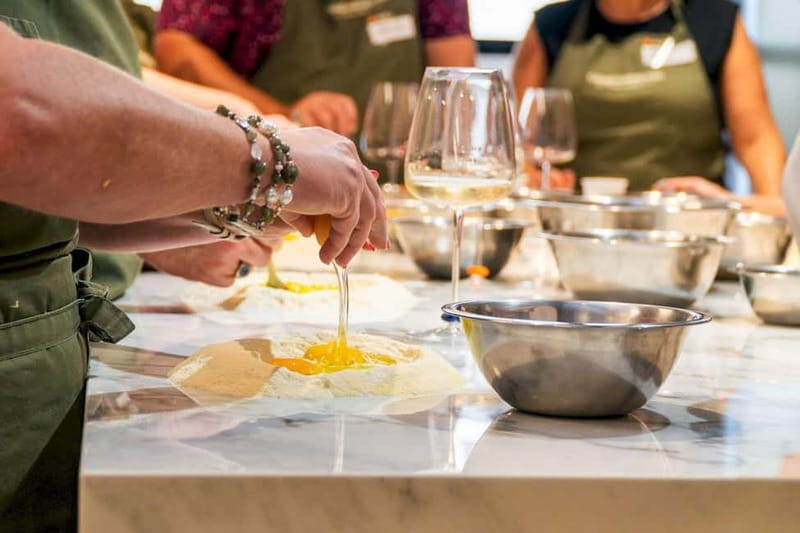
This class earns its keep because you’re not just watching a show. You’re making a full Italian meal in three parts: fresh fettuccine, stuffed ravioli with a filling, and a tiramisu built step-by-step.
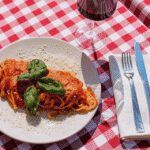
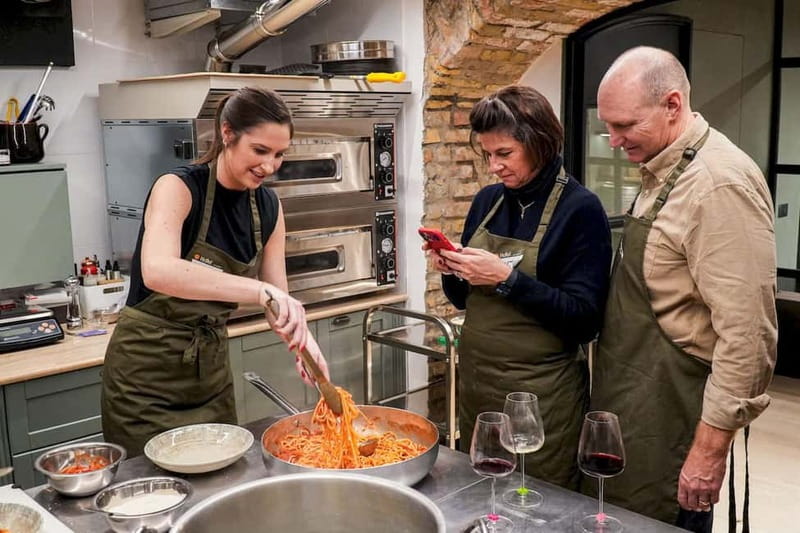
The pasta part is the real education. You start with dough—flour and eggs—then you learn how it should feel as you knead and roll. After that, you move into ravioli: filling, shaping, and boiling until the pasta cooks through but stays al dente.
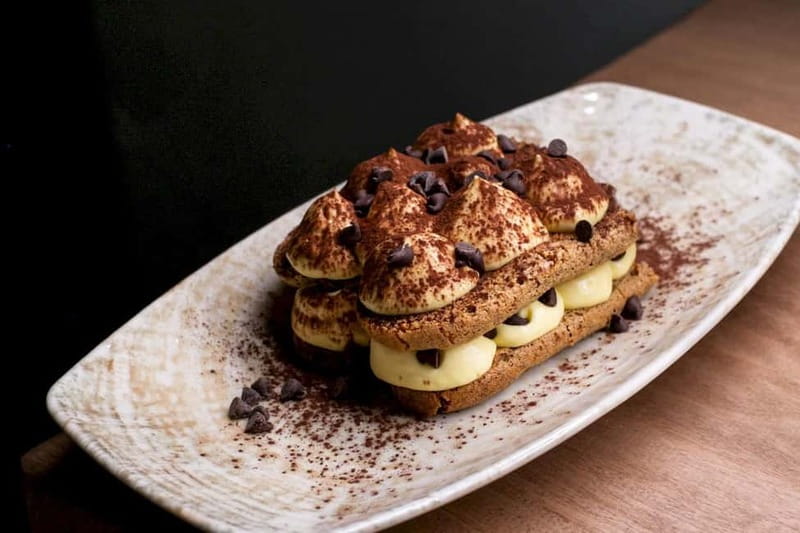
Then you switch gears to dessert. Tiramisu here is a classic build: espresso-soaked biscuits, creamy mascarpone, and a cocoa finish. The best part is how simple the assembly is once you’ve done the hands-on pasta work. It turns into a satisfying rhythm: make, cook, taste, repeat.
If you enjoy the idea of bringing home more than a souvenir—actual technique—this one hits.
You can also read our reviews of more cooking classes in Rome

Near the Colosseum, in a Real Roman Kitchen
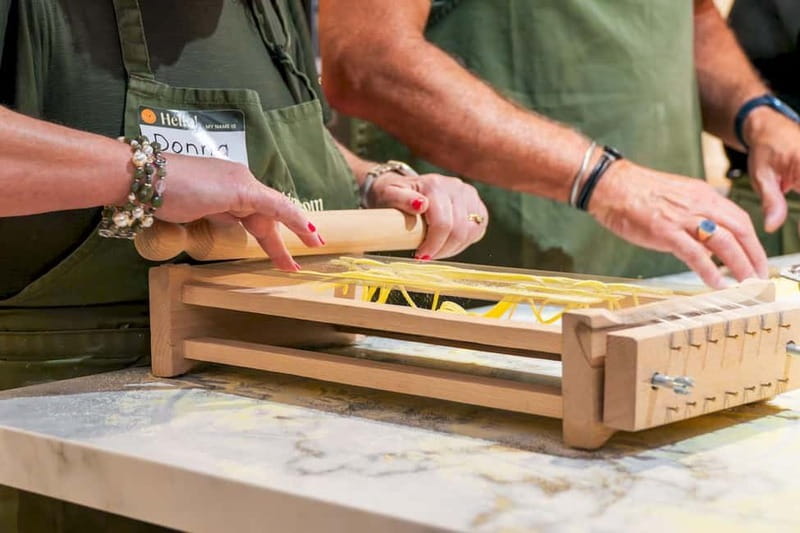
You’ll meet at a designated meeting point that can vary depending on the option you book, and the class ends back there. Hotel pickup and drop-off aren’t included, so plan to get yourself to the kitchen.
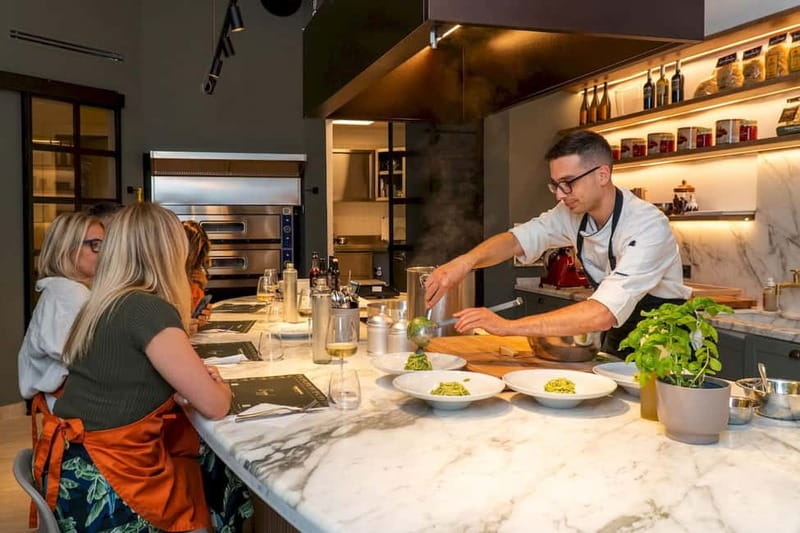
What I like about the setup is the atmosphere. You arrive to a working Roman kitchen with fresh ingredients, the kind of place where the smells change as your dough forms and cooks. The class has that intimate feel. People aren’t crammed into a big room watching one person cook.
And the location matters. You can pair the experience with your day sightseeing. Do the class, eat a real meal, then wander back out with zero post-dinner regret. One thing to note: the event is taught in English, so you won’t be stuck decoding gestures—though pasta is still pasta, and your hands do most of the talking.
The 3-Step Flow: Dough, Ravioli, Tiramisu (and How the Time Goes)
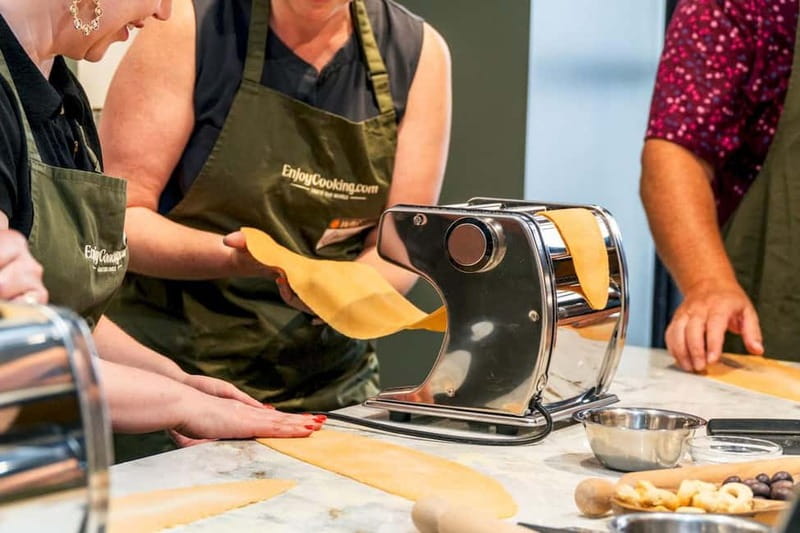
The experience runs about 3 to 3.5 hours. Expect it to feel like a guided workshop, not a long lecture. The order is straightforward, and it keeps you busy:
First, you make fresh pasta dough. You’ll mix flour and eggs using your hands, knead until it’s smooth and elastic, then roll it out. Your chef teaches you what to watch for, especially texture.
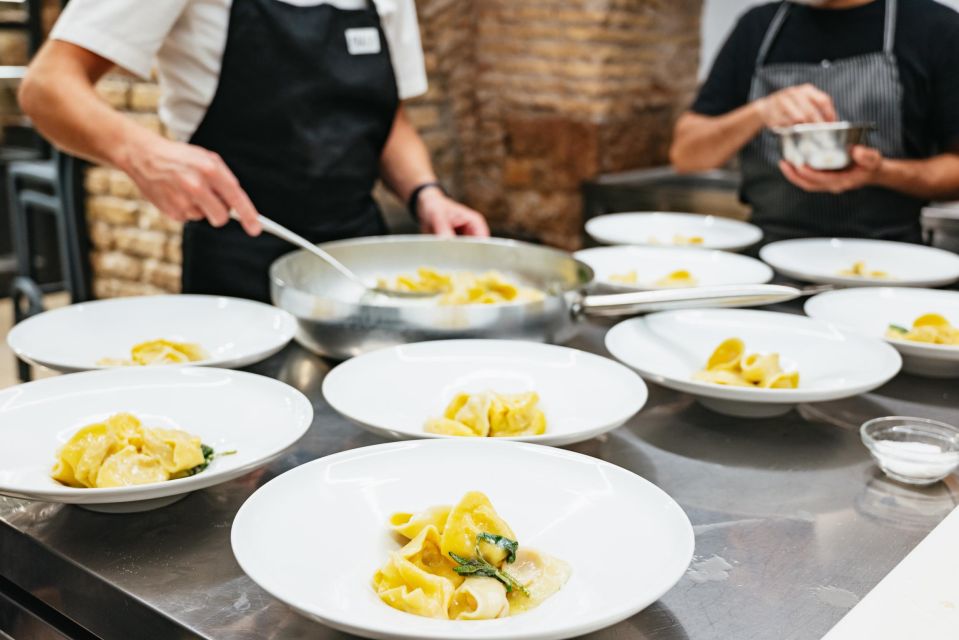
Next comes ravioli. You portion and stuff delicate pasta sheets, shape them into pockets, then boil them. Timing matters here. You want the pasta to cook properly without getting soft.
Finally, dessert. You assemble the tiramisu layers—espresso biscuits, mascarpone cream, cocoa topping—then you all sit together to eat. That shared table moment is where the whole class clicks: you get to enjoy the wine and the fruits of your labor at the same time.
If you’re wondering whether you’ll have enough time to actually participate: the small-group format and hands-on guidance are built for you to do the work, not just observe it.
Hands-On Pasta Dough: Mixing, Kneading, Rolling Like a Pro
This is where your confidence gets built. Fresh pasta isn’t hard, but it’s touch-based. You start by mixing flour and eggs with your hands. That matters because dough responds to warmth, moisture, and pressure. You’ll feel it come together instead of relying on a machine.
Then it’s kneading and rolling. Your chef guides you through how to get that classic pasta texture—elastic enough to shape, tender enough to cook cleanly. You’re not memorizing steps. You’re learning cues you can reuse later at home.
Here’s a practical tip for getting the most out of this portion: go with the pace your chef sets. If you fight the dough or rush rolling, it’s harder to fix. But if you listen to the feel of it—dryness, resistance, smoothness—you’ll usually get there.
You also get personalized guidance throughout the class, which is a big deal. Pasta-making is one of those skills where one small adjustment can change everything. A chef standing close helps you correct fast, before a batch goes sideways.
Ravioli Time: Filling, Shaping, and Boiling to Al Dente
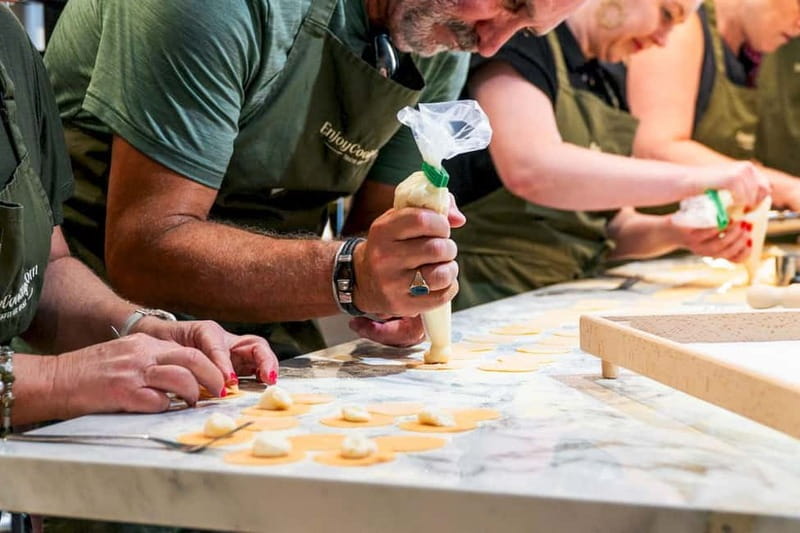
Ravioli sounds fancy. In this class, it becomes doable. You create ravioli by stuffing pasta sheets with fresh, seasonal fillings, then shaping them into little pockets.
This is one of the most “hands-on” parts because shaping teaches you how thin pasta should be. Too thick and you get heavy ravioli. Too thin and it can tear. Your chef shows you the balance, and since the group is small, you get enough coaching to correct while you’re working—not after.
Then you see the pasta come alive. The ravioli boil in boiling water, and you learn what al dente actually looks like. The goal isn’t just cooking time. It’s the bite—tender but still structured.
What I appreciate is that ravioli isn’t treated like a final exam. You get guidance so you can make something that tastes correct. And once you eat your own ravioli, it stops being intimidating forever.
You can also read our reviews of more wine tours in Rome



The Tiramisu Build: Espresso Biscuits, Mascarpone, and Cocoa Finish
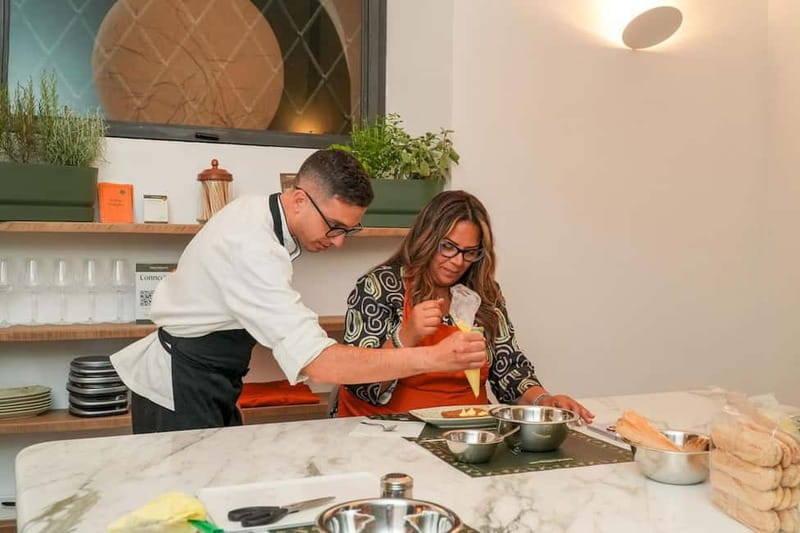
After pasta, tiramisu feels like a reward. The class keeps it classic: espresso-soaked biscuits layered with creamy mascarpone, then finished with rich cocoa.
This part is less about technique and more about assembly and timing. Espresso needs to be absorbed, not drowned into mush. Mascarpone needs the right texture so it spreads cleanly. Your chef shows you how to build it properly, and you learn what to look for as you go.
If you’re the type who’s tired of cooking classes that end with something store-bought, this stands out. You’re making a dessert with real ingredients and real steps, and then you get to taste it with the rest of your meal.
It’s also a great equalizer. Even if your pasta dough phase was stressful, you can still feel proud by the time dessert is complete.
Unlimited Wine and the Table Moment You’ll Remember
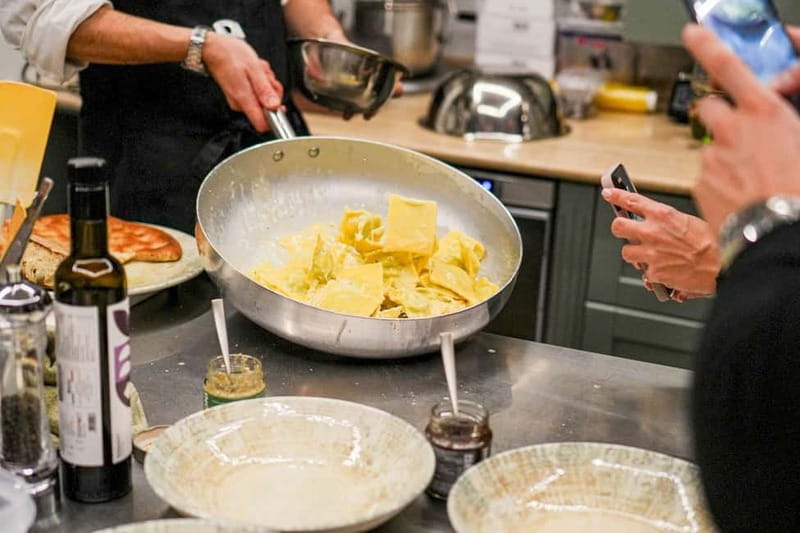
Wine is included, and it’s described as free-flowing Italian wine. There are also coffee and nonalcoholic drinks, plus snacks to keep you going while you cook.
Now, I’m not pretending wine is the point. The point is the food and the technique. But the wine changes the vibe. It turns the class into an evening instead of a timed workshop. You laugh more. You relax. And you taste what you made with less of that hurry that can steal the fun.
The table is where you get the payoff: everyone sits together, sips wine, and eats the pasta plates you helped create. That shared meal is also where the chef’s explanations land. You hear the why, then you taste the result.
It’s a rare setup where cooking feels like a social experience, not just a task list.
Price and Value: Is $112.15 a Smart Use of Time?
At $112.15 per person for about 3 to 3.5 hours, you’re paying for several things at once: hands-on instruction, three recipes made from scratch, included wine, and a take-home recipe booklet.
Some classes give you a tiny taste and a quick demo. This one is different. You’re doing dough, ravioli, and dessert—plus you eat what you make. The instruction is personalized, and the small-group format supports it. If you’ve ever tried to learn pasta from videos alone, you know how much feedback matters.
Is it cheap? No. But for Rome, it can be a strong value because it replaces a dinner you’d otherwise buy plus gives you real skills. You’re not just paying for ingredients; you’re paying for coaching.
The real value question for you is simple: do you want to learn and do hands-on cooking, or do you prefer to watch and sample? If you’re the first type, this price starts to look fair.
Who This Class Fits Best (and Who Should Rethink It)
Best fit:
- Food lovers who want a fun, structured way to learn classic Italian dishes
- Couples or small groups who like intimate settings with a chef
- People who want a skill they can reproduce, not just a meal photo
Less ideal:
- Anyone who can’t handle gluten. This experience is not recommended for people with celiac disease, and traces of gluten and nuts may be present. Gluten-free options aren’t listed as part of the experience.
- People with severe gluten or nut allergies should think carefully and notify the operator in advance, since it may not be suitable.
That allergy note isn’t a small footnote. Pasta and tiramisu both involve ingredients where cross-contact is possible in a shared kitchen setting. If your needs are complex, you’ll want a clear answer before booking.
Small Practical Tips to Make the Class Feel Effortless
A few things will help your 3-ish hours go smoothly:
- Wear clothes you’re okay getting a little flour on. Fresh pasta dough is messy in the best way.
- Don’t stress about perfection. With the small-group guidance, you’re learning technique, not chasing Michelin-level uniformity.
- Ask questions as you go—especially during dough mixing and rolling, where feedback is most useful.
- Plan your timing. After the class, you’ll be fed, so keep sightseeing light. A long evening walk is perfect.
- Bring a curious mind. Chefs leading classes like Max and Marco have been described as funny and attentive, and that makes the explanations easier to absorb.
One more tip: if wine is part of the appeal, taste slowly. The class is active, and you’ll want to stay sharp for shaping ravioli and building tiramisu.
Should You Book This Pasta and Tiramisu Class?
I’d book it if you want a genuinely hands-on Italian food experience in Rome, with enough structure to learn and enough fun to make it feel like a night out. The combination of fresh pasta from scratch, ravioli shaping, classic tiramisu, and included free-flowing wine hits a sweet spot.
I would not book it if you have celiac disease or severe gluten or nut allergies. The data is clear that it’s not recommended for celiac, and traces may be present.
If you fit the target—curious, hands-on, and excited about real technique—this is one of the best ways to turn your time in Rome into something you can replay later at home.
FAQ
How long is the hands-on pasta and tiramisu class?
It lasts about 3 to 3.5 hours.
What dishes will I make during the class?
You will make fresh fettuccine, stuffed ravioli (including ravioli filling), and tiramisu from scratch.
Is wine included?
Yes. The class includes free-flowing Italian wine.
Are recipes included for after the class?
Yes. You get a booklet recipe set to take home.
Is hotel pickup or drop-off included?
No. Hotel pickup and drop-off are not included, and the class ends back at the meeting point.
What language is the instructor?
The instructor teaches in English.
Is this class suitable for celiac disease?
No. It is not recommended for people with celiac disease.
Are gluten-free options available?
Gluten-free options are not listed as being available. There may also be traces of gluten and nuts, so it may be unsuitable for people with severe allergies.
Is free cancellation available?
Yes. You can cancel up to 2 days in advance for a full refund.