REVIEW · ROME
Rome: Murder Mysteries of Rome Guided Walking Tour
Book on GetYourGuide →Operated by Carpe Diem Tours · Bookable on GetYourGuide
Rome looks different after dark. This guided walking tour turns central Rome into a true-crime stroll with stories tied to the city’s most famous corners. You’ll move at night to avoid heat and crowds, with a local guide pulling threads between places you’ve seen in daylight and the darker names behind them.
I like the small group size (max 20). I also like how the tour’s storytelling has a real performance feel, with guides such as Darina, Domenica, and Kat bringing the details to life and keeping you oriented as you walk.
One consideration: this is rain or shine, and the subject matter is gruesome (beheadings, corpses, and dark church sights). If you want a light, purely scenic evening, this may feel too intense.
In This Review
- Key highlights to look forward to
- Why this Rome murder mysteries night walk works
- Getting your bearings at Campo de’ Fiori (and why the start matters)
- Piazza Farnese: the “famous streets” story gets darker
- Via del Mascherone & Vicolo dei Venti: the alley memories effect
- Ponte Sisto and the bridge story: executions you can feel
- Fountain of the Mask: why décor can matter
- Chiesa di Santa Maria dell’Orazione e morte: the bone-chapel shock
- Via di Monserrato: turning streets into clues
- Santa Maria in Monserrato degli Spagnoli: church setting, darker context
- Via Giulia: when the route turns scenic and sinister
- Via dell’Arco dei Banchi: the last clue before the finale
- Castel Sant’Angelo finish: closing the case
- Small group size, hearing the guide, and keeping pace right
- Price vs value: what $28 buys you
- Who should book this murder mysteries walking tour
- Should you book this Rome murder mysteries tour?
- FAQ
- How long is the Rome Murder Mysteries of Rome guided walking tour?
- Where do I meet the guide?
- Where does the tour end?
- How big is the group?
- Is the tour in English?
- Is transportation included?
Key highlights to look forward to
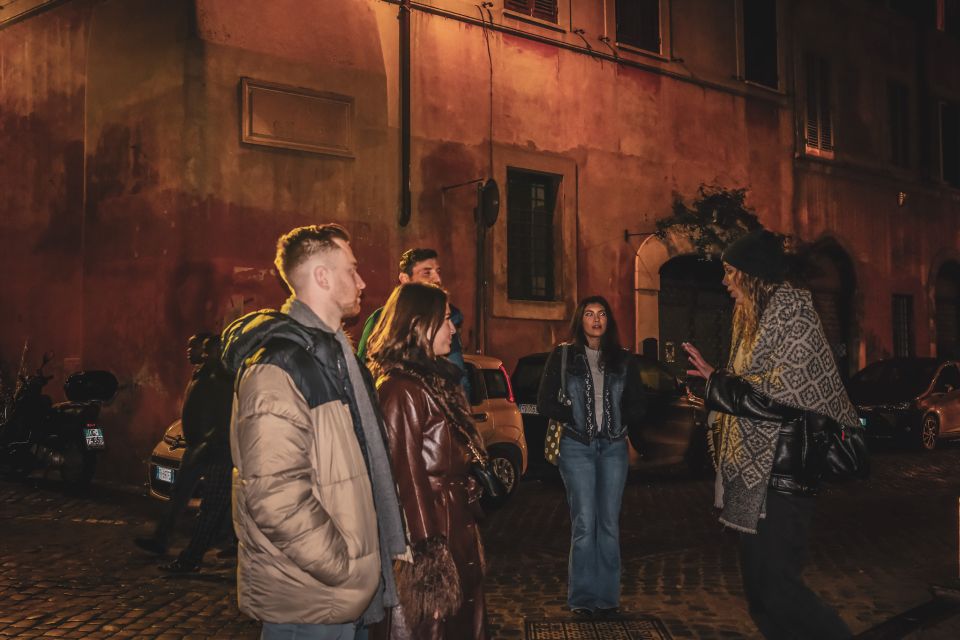
- A small group at night so the guide can keep the pace human and questions easy
- Campo de’ Fiori to Castel Sant’Angelo route that connects landmarks to the crimes behind the names
- Bone-chapel stop at Santa Maria dell’Orazione e morte, with a skip-the-line entrance
- Tiber-bridge atmosphere tied to historic executions and the “dark side” of Rome after dark
- English live guide with storytelling strong enough to hold attention in busy, noisy areas
Why this Rome murder mysteries night walk works
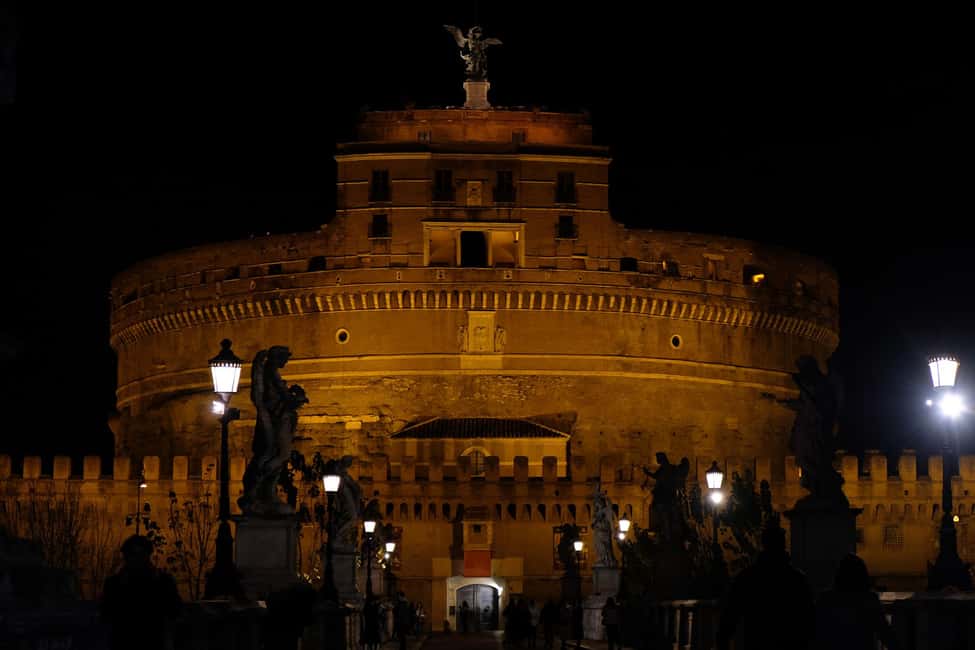
Rome at night can feel like a different city. That’s the hook here: the streets between major sights become a kind of crime scene map. Instead of treating the city like a museum, you experience it like a living novel—one where the chapters are cobblestone alleys, river bridges, and churches you’d normally rush past.
The best part is the angle. You’re not learning Rome by looking up at perfect views only. You’re learning Rome by looking at why places are named the way they are and what happened there (or nearby) that locals remembered for generations. That’s why the tour hits both mood and meaning.
And because it runs on foot at night, you get two practical wins: more comfortable walking temperatures and fewer daytime crowds around the core sights. For $28 for about 2 hours, it’s also a pretty efficient way to buy an evening of guidance plus context, not just photos.
You can also read our reviews of more walking tours in Rome

Getting your bearings at Campo de’ Fiori (and why the start matters)
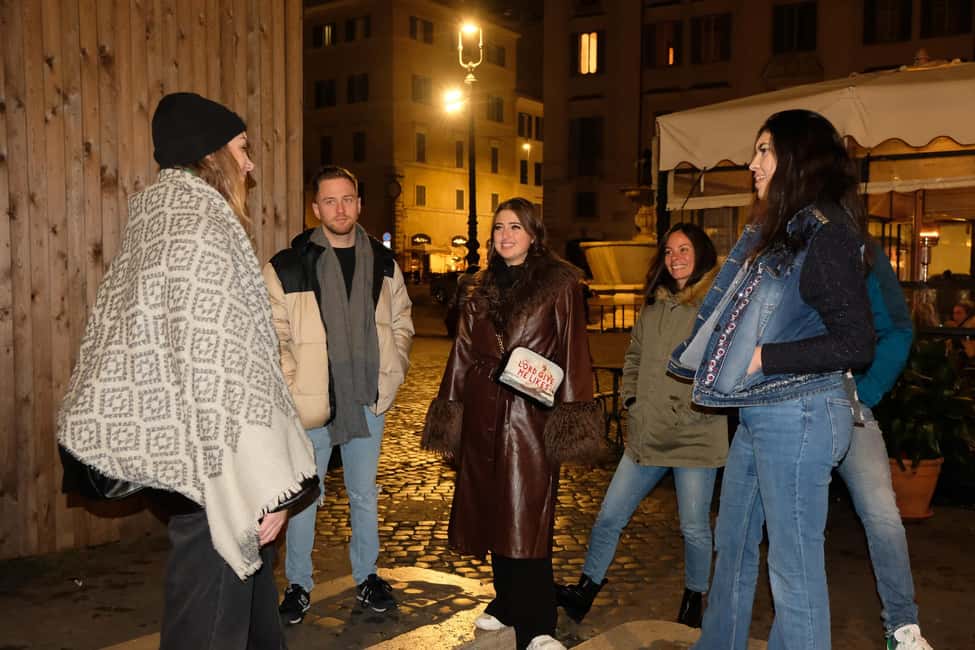
The meet-up is in the middle of Campo de’ Fiori, with your guide holding a yellow flag in front of the Monumento a Giordano Bruno statue. This is a smart starting spot. It’s central, easy to find once you spot the flag, and it’s the kind of square where the city feels layered—market energy by day, stranger energy after dark.
From the first moments, the guide’s job is to set expectations: you’re walking a route that links famous Rome locations to the city’s darker stories. If you’ve visited Rome before, this start can also help you reframe what you thought you already knew about these places.
Also, start with decent footwear. The tour is short, but Rome’s sidewalks and streets are still uneven, and at night you’ll want your steps to feel confident.
Piazza Farnese: the “famous streets” story gets darker
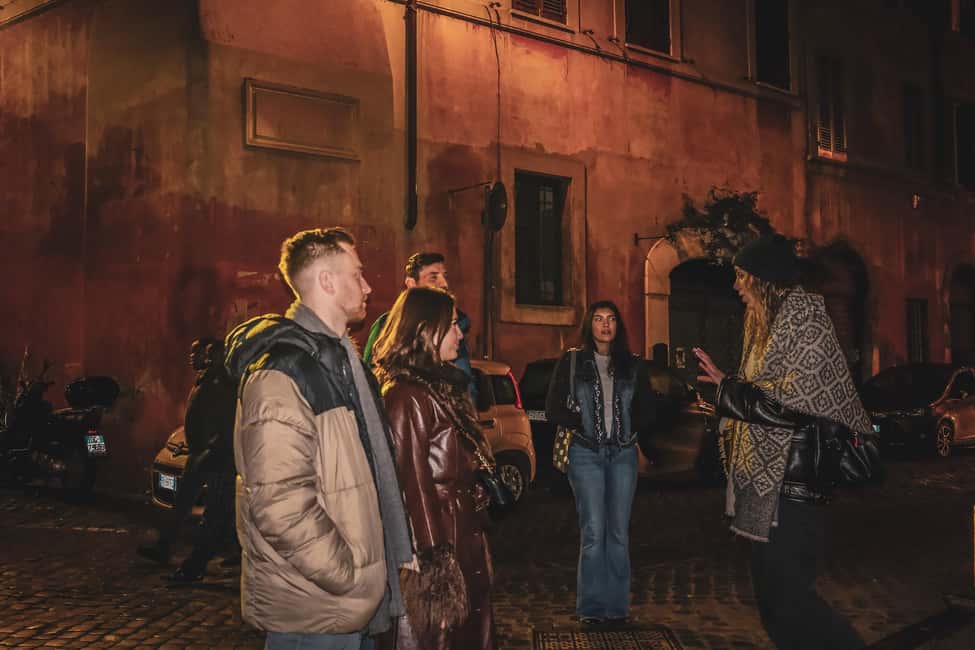
Next is Piazza Farnese, a quick guided stop. You’re only there for about 10 minutes, so the goal isn’t a long sit-down. It’s context—how political power and influential families swirl through the city’s reputation. In a tour like this, that matters because the crimes you hear about aren’t random. They’re usually tied to the institutions and personalities that shaped Rome.
The downside of a quick stop: if you love lingering in one place to absorb architecture, you may wish you had more time here. But the trade-off is that you get more story per minute across the route.
Via del Mascherone & Vicolo dei Venti: the alley memories effect
Then you move into Via del Mascherone and Vicolo dei Venti. These are the kinds of lanes where Rome feels lived-in, not staged. The tour uses this shift on purpose. After the more open square, the narrow streets make the stories feel sharper—like the setting is part of the evidence.
This is also where you’ll notice how good guides adjust for the group. Reviews praise guides such as Darina and Domenica for storytelling that stays aimed at the audience, not just the facts. If you’re the type who likes to understand how a city works, you’ll probably enjoy how the guide points out details you’d otherwise miss—street names, shapes, and the little visual cues that hint at older events.
Ponte Sisto and the bridge story: executions you can feel
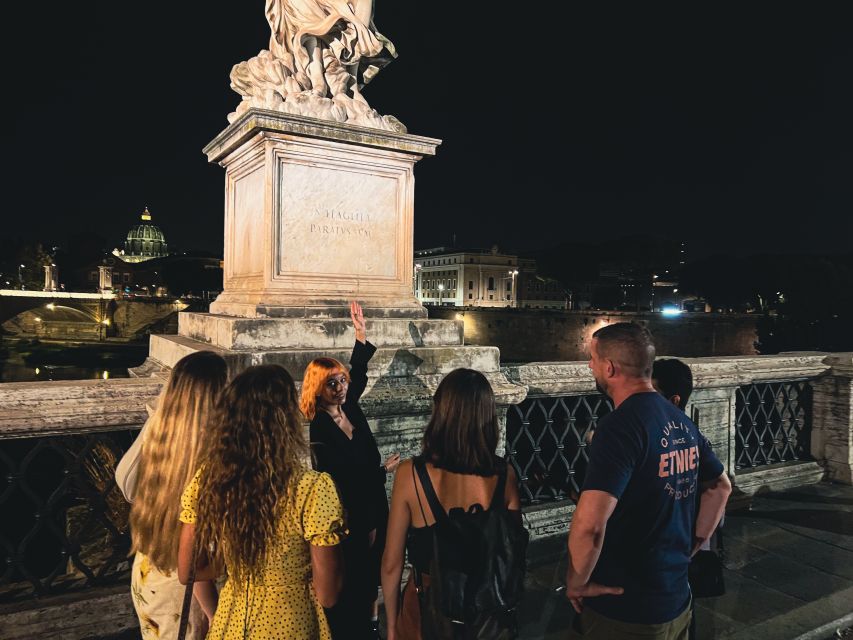
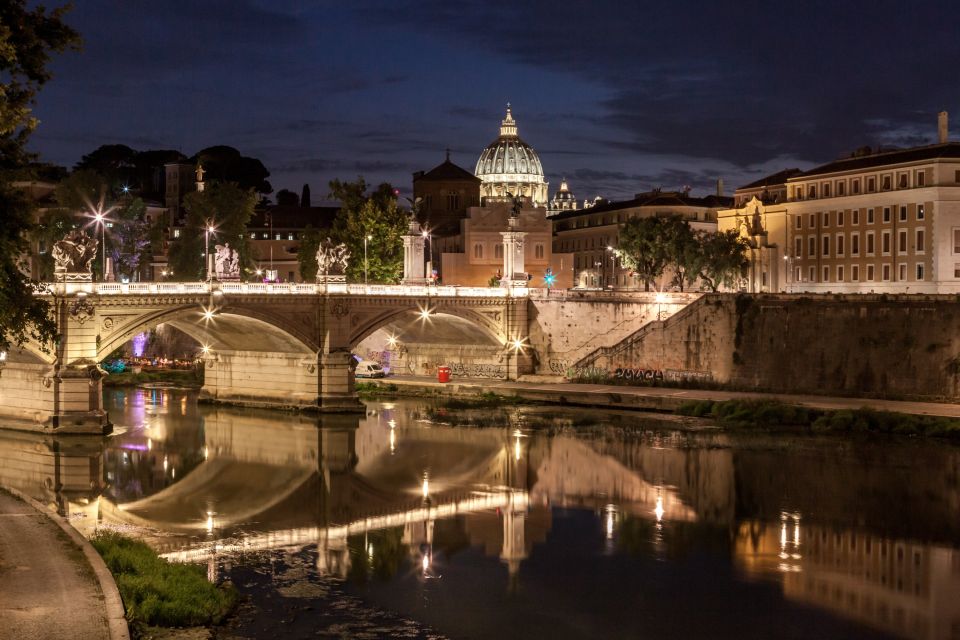
The next big shift is the river. You reach Ponte Sisto for another guided stop. Bridges in Rome carry more history than most cities’ bridges do, and the tour leans into that. The mood changes immediately when you’re near the Tiber at night, and the stories tied to bridges are the kind that stick because they turn a familiar crossing into something ominous.
This is one of the places where the tour’s theme shows its strength: you’re not only hearing about crime, you’re watching the city’s nighttime geography frame it. The bridge-and-execution storytelling also connects to the classic dark reputation of the Ponte Sant’Angelo area, which is part of what makes this route feel so intentionally planned.
You can also read our reviews of more guided tours in Rome
Fountain of the Mask: why décor can matter
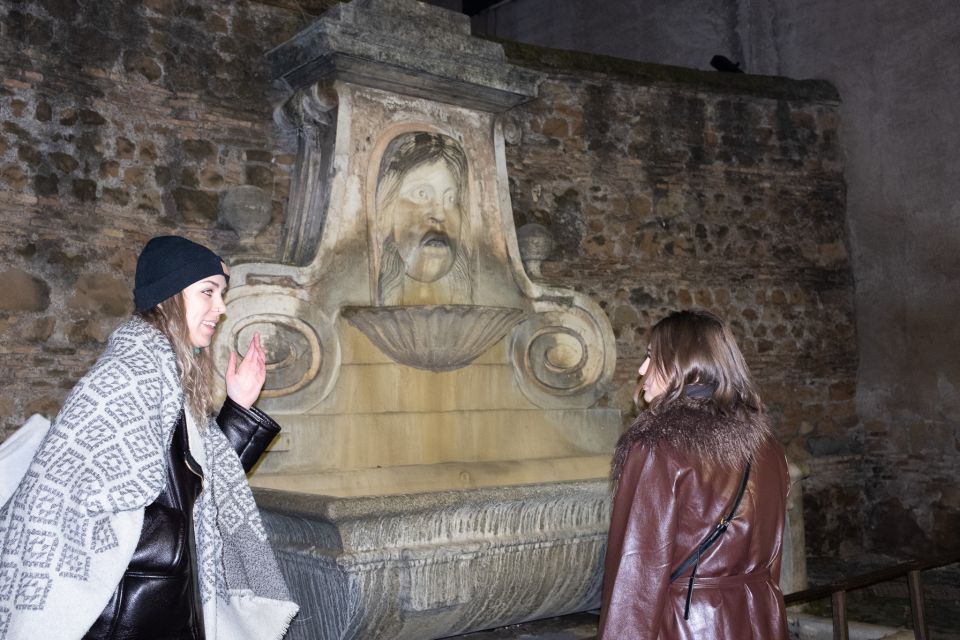
From the bridge you go to the Fountain of the Mask. This stop is short, but it’s a good reminder that Rome’s decorations often come with backstory. A fountain isn’t just pretty here—it can be part of the symbolism that survived long after the original moment passed.
If you’re the kind of traveler who likes “why is this here?” questions, you’ll probably appreciate this moment. If you’re hoping for only heavy horror, you might feel this stop is a breather. Still, it supports the tour’s bigger goal: connecting visible Rome to the invisible reasons behind it.
Chiesa di Santa Maria dell’Orazione e morte: the bone-chapel shock
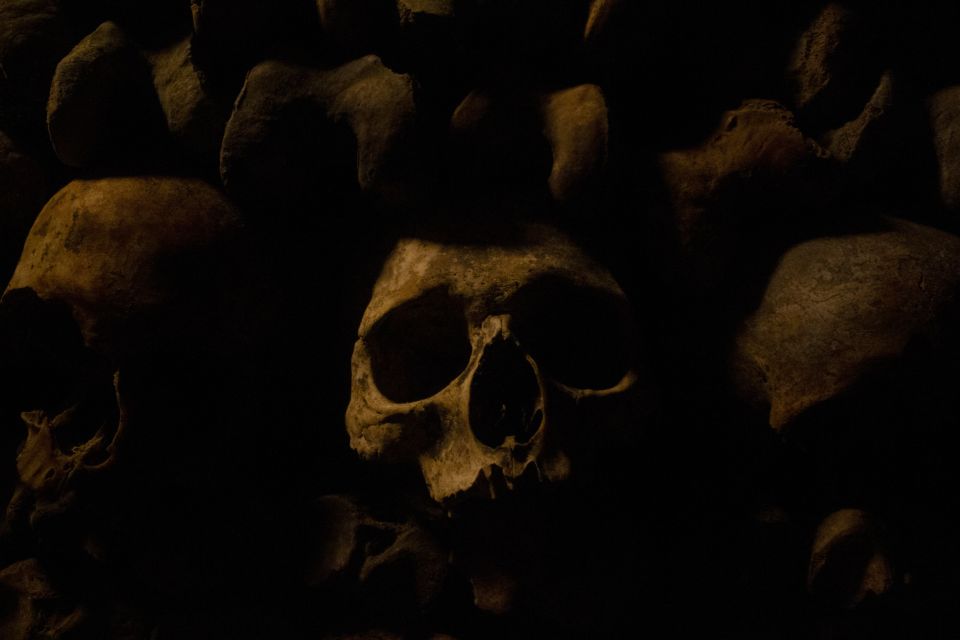
Now you hit the stop that most people talk about. The tour takes you to Chiesa di Santa Maria dell’Orazione e morte. This is the chapel linked with human bones—the kind of sight that’s hard to describe and even harder to forget. The tour also mentions skip-the-line through a separate entrance, which is a real value point. It saves time when you’d otherwise be waiting in the middle of a busy day.
What makes this stop work best is pacing and framing. The guide doesn’t just dump horror. They tie the place to the culture of remembrance and punishment that shaped Rome’s reputation. You’ll walk in expecting something spooky because the tour’s theme sets you up for that, but you’ll likely be surprised by how the story connects to the church itself rather than staying only in “ghost story” mode.
Consideration: if you’re squeamish about skeletal imagery, this is the stop you should mentally prepare for.
Via di Monserrato: turning streets into clues
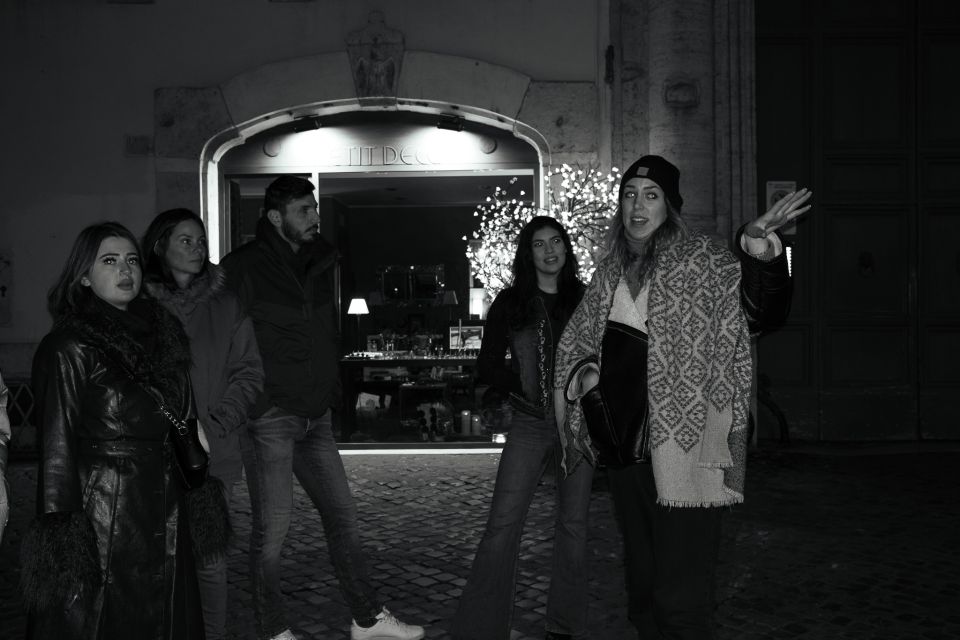
After the chapel, the tour moves to Via di Monserrato. This is the phase where the walk starts feeling like a puzzle. You’re not just ticking off sights; you’re learning how one neighborhood’s religious and civic weight connects to the crimes and public memory tied to the area.
The 10-minute rhythm continues, and that’s good. It keeps the group moving, avoids long dead time, and gives the guide space to keep the story threaded. Still, if you love photo stops, you’ll want to balance curiosity with the group pace.
Santa Maria in Monserrato degli Spagnoli: church setting, darker context
Next is Santa Maria in Monserrato degli Spagnoli. Again, the point isn’t only the building. It’s what the building represents in the city’s story, especially once the guide has already led you through the bone-chapel shock.
This stop can feel like a “processing moment.” After something visually intense, you get a chance to let the story’s meaning settle—how Rome uses sacred spaces to hold memory, including uncomfortable memory.
Via Giulia: when the route turns scenic and sinister
Then you walk along Via Giulia. This is one of Rome’s more recognizable streets, and the tour uses that familiarity well. In daylight, Via Giulia can read as elegant and orderly. At night, with the guide’s narrative running in the background, it starts to feel like a stage where something terrible could have happened just out of sight.
Why this matters: it shows you how a city’s design can shape behavior—where people could hide, where officials could watch, where crowds could gather. Even if you’ve walked Via Giulia before, the theme changes how you notice the street’s flow.
Via dell’Arco dei Banchi: the last clue before the finale
You’ll then head to Via dell’Arco dei Banchi. This is another short guided stop, useful as a transition. The guide typically uses these final turns to wrap key points and point you toward the ending location.
If you enjoy true crime storytelling with a hint of humor and drama, this is often where the tour’s energy settles into its final stretch. And because you’ve been walking through small lanes and major monuments, the last part feels earned rather than rushed.
Castel Sant’Angelo finish: closing the case
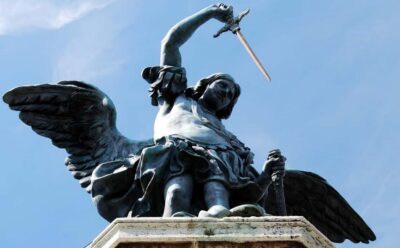
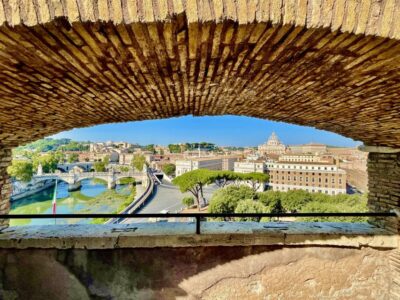
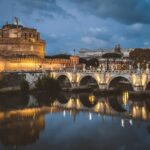
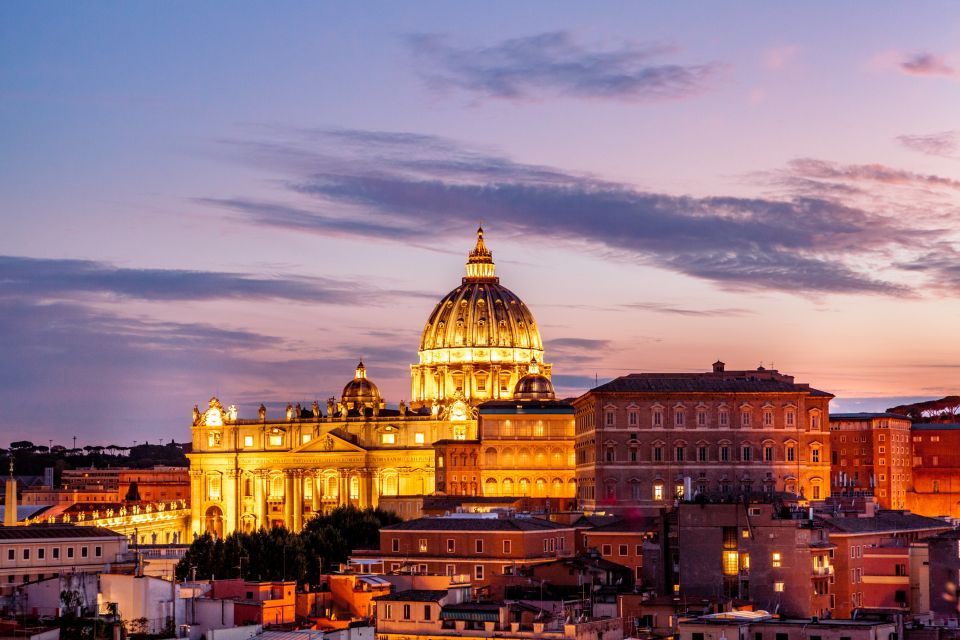
The tour finishes at Castel Sant’Angelo. This is a fitting end point because it anchors the whole evening around one of the most dramatic structures on the river. The guide’s stories tend to land better when the route resolves at a place that already feels like a fortress, not just a building.
Also, Castel Sant’Angelo has that nighttime advantage: it’s easier to appreciate the scale without the daytime crowds pressing in. You’ll have that feeling of closure—like you just followed a map through a city that was hiding the clues in plain sight.
One note: the activity description also says the tour ends back at the meeting point. Since the route is shown as ending at Castel Sant’Angelo, I’d plan for the tour to finish near the castle area and confirm your exact end location with your guide the night of the walk.
Small group size, hearing the guide, and keeping pace right
This tour is capped at 20 people max, and that matters more than you might think. With true-crime storytelling, you want the guide to control pacing and attention. A larger group usually turns this kind of tour into a marching line. Here, you’re more likely to feel part of the story.
Language is English, and the guides are local. Reviews also mention that audio transmitters or Bluetooth-style audio can help you hear the guide in noisier spots. If you know you struggle with hearing in outdoor crowds, keep that in mind and don’t be shy about positioning yourself where you can catch the narration.
Because it’s only 2 hours, the tour moves briskly. You’ll do better if you treat it like a guided evening program, not a stop-and-browse stroll. Wear comfortable clothes, bring layers for night air, and keep your phone ready for a few quick shots rather than long scrolling breaks.
Price vs value: what $28 buys you
At $28 per person for about 2 hours, you’re paying for a specific kind of Rome experience: a guided walk after dark with small-group attention, multiple major landmarks, and at least one interior site where skip-the-line helps.
This isn’t a bargain-only tour. It’s more like you’re buying an evening’s worth of storytelling expertise and timing. If you want a standard highlights tour, you can find those for less. But if you want Rome with a darker point of view—and you want it guided rather than something you cobble together on your own—this price starts to look fair.
Who should book this murder mysteries walking tour
You’ll enjoy this most if you:
- like true-crime style storytelling mixed with real place-based history
- want to see central sights at night without the worst daytime crowds
- enjoy walking tours where the guide points out details beyond the obvious
You might skip it if you:
- want only light sightseeing and don’t want graphic or gruesome themes
- dislike rain (it runs rain or shine)
- prefer long stays in fewer locations over quick, story-driven stops
Should you book this Rome murder mysteries tour?
If you’re craving a different side of Rome and you’re happy with a focused, guided walk, I’d say book it. The small-group limit, the English live guide quality (with names like Darina, Domenica, Kat, and Delilah popping up in past sessions), and the mix of bridges, streets, and the bone-chapel stop make this more memorable than a generic night walk.
Just go in knowing the theme is dark. If you’re okay with that, you’ll leave with a new way of looking at Campo de’ Fiori, the river crossings, and Castel Sant’Angelo—like you just learned what Rome whispers after midnight.
FAQ
How long is the Rome Murder Mysteries of Rome guided walking tour?
The tour runs for about 2 hours.
Where do I meet the guide?
Meet your guide in the middle of Campo de’ Fiori square. The guide will be holding a yellow flag in front of the Monumento a Giordano Bruno statue.
Where does the tour end?
The itinerary indicates it finishes at Castel Sant’Angelo, but the activity description also notes that it ends back at the meeting point. Confirm the exact ending point with the guide on the night of your tour.
How big is the group?
The tour is a small group with a maximum of 20 people.
Is the tour in English?
Yes, the live tour guide provides the tour in English.
Is transportation included?
No. Transportation is not included. You’ll be walking the route.