Rome clicks when you hear the city’s gossip.
This 2.5-hour, tip-based walk through central Rome connects famous monuments like Trevi Fountain, the Pantheon, and Piazza Navona to the real people who shaped power, religion, and art. You’ll start by Trajan’s Forum, then thread through Renaissance and Baroque Rome with story-driven explanations that include scandal, corruption, war, and betrayal.
I especially like two things: the way guides (I’ve seen names like Jacopo and Simone in the feedback) turn monuments into political theater, and the conversational pace that keeps you talking with your guide instead of tuning out on headsets. One more plus is that you’re guided through the city’s “why,” not just the “what,” which is exactly what makes returning to Rome feel fresh.
The only caution: the tour includes dark humor and politically incorrect jokes, so if your idea of a perfect Rome day is strictly family-friendly, consider whether that tone fits you. Also, since it’s pay-what-you-want, you’ll want to plan your tip budget up front.
In This Review
- Key reasons this alternative Rome walk works
- Where the walk begins: Trajan’s Forum, a built-in lesson
- Trajan’s Column and the politics of stone
- Piazza Venezia: Rome’s stage where eras collide
- The secret stop: where the tour separates from the usual route
- Monastery time and Papal private gardens access
- Trevi Fountain: famous, but explained like a symbol
- Sant’Ignazio di Loyola: the Baroque ceiling as persuasion
- Pantheon: why this building still feels like a statement
- Piazza Navona finale: myths, markets, and controlled chaos
- Price and tipping: how the pay-what-you-want model affects value
- Pace, group feel, and what to bring
- Should you book this alternative Rome walk?
- FAQ
- How long is the walking tour?
- Where do I meet the guide?
- What major sights are included?
- Does the tour include off-limits or secret stops?
- Is the tour free, or do I pay?
- What’s the usual tip amount?
- Which languages are available?
- Is Papal private gardens admission included?
- Is there free cancellation?
Key reasons this alternative Rome walk works
- A power-family storyline: emperors, popes, artists, invaders, and visionaries linked to specific places
- Off-limits access: a secret stop and locations you won’t stumble on alone
- Face-to-face guide talk: conversation-style guiding instead of headset listening
- Trevi and Pantheon explained, not just photographed: propaganda, symbols, and everyday Roman life
- Papal private gardens included: access built into the walk, not an add-on
Where the walk begins: Trajan’s Forum, a built-in lesson
This tour starts at the Chiesa del Santissimo Nome di Maria al Foro Traiano, right by Trajan’s Column and the Trajan Forum area. That choice matters. You’re not easing into Rome with a random piazza; you’re dropping into one of the clearest “power made stone” zones in the city.
Expect a quick photo stop and then guided context that sets the tone for the whole walk. Trajan’s Column isn’t just an old object to look at—it’s a message, and your guide’s job is to show you how public art and political messaging worked in the Roman world. The longer you linger, the more you realize you’re learning a pattern: Rome keeps reusing symbols because symbols work.
If you like history that has stakes—who benefited, who lost, why certain families gained influence—this start will hook you fast. You’ll also get a feel for how the city layers itself: ancient imperial ambition, then later religious and civic power taking the baton.
You can also read our reviews of more walking tours in Rome

Trajan’s Column and the politics of stone
Trajan’s Column gets a guided moment here, but the bigger win is what it’s used to teach. Rome’s monuments can feel like separate “attractions” when you visit alone. On this walk, they become evidence in a single story: how ruling groups made themselves unforgettable through art, architecture, and public spectacle.
In practice, you’ll get time to look and take photos, but you’ll also hear the meaning behind the visuals. Guides on this tour lean into interpretation—where you might see decoration, they point out messages. That’s where the tour earns its slightly mischievous edge too. The tour’s descriptions promise scandal, corruption, crime, and murder stories, and the Trajan section is where you can understand why those themes belong in Rome, not just in modern gossip.
One practical note: the area can be busy. The guide’s pacing is designed to keep you moving without sprinting, so you still get to soak in details instead of rushing from curb to curb.
Piazza Venezia: Rome’s stage where eras collide
From Trajan’s zone, the walk moves toward Piazza Venezia. It’s a short photo stop, but it’s placed strategically. Piazza Venezia is the kind of space where you can feel Rome’s “eras” standing next to each other—ancient gravitas, modern civic presence, and the Renaissance-to-Baroque energy that followed.
For many first-time visitors, Piazza Venezia becomes a quick landmark on the way to the next stop. Here, it’s more like a checkpoint: your guide helps connect what you saw earlier (imperial messaging) with what you’ll see next (religion, propaganda, and art as power).
You’ll get a few minutes to look around and re-orient. Use that moment to notice sightlines. Rome is full of them, and the tour uses that habit of looking across streets to help you understand how the city was built for visibility and control—who could be seen, where the gaze should land, and why so many squares feel like stages.
The secret stop: where the tour separates from the usual route
You’ll hit a secret stop that’s intentionally brief—think photo stop plus guided look, designed to be efficient but memorable. This is the part that feels most “alternative,” because it’s not a standard postcard stop.
The tour description promises hidden, off-limits locations available only on this walk, and the secret stop is your signal that you’re not just buying a highlights package. Instead, you’re getting access to places and viewpoints that can be hard to find solo—either because you’d walk past them, or because the context (and permissions) matter.
What I like about this approach is that it respects your time. Rome can overwhelm you fast. A secret stop that’s short but meaningful keeps the day from turning into a scavenger hunt.
If you’re the type who hates wasting time on places you can read about in a brochure, this segment is likely to feel like a win.
Monastery time and Papal private gardens access
Later, the walk includes a monastery stop with a longer visit window. This is where you get more than street-level sightseeing. The monastery context helps explain why Rome has so many churches and how religious spaces became political tools as much as spiritual ones.
And yes: admission to Papal private gardens is included somewhere during this part of the walk. If you’ve only ever seen famous gardens from the outside, this is a real value add—an experience that would cost money or require extra planning on your own.
Expect guided touring plus a bit of wandering time. The tone here tends to shift from propaganda-and-power to atmosphere-and-symbols. That balance is important. If your whole trip is ancient ruins and major squares, Rome can start to feel like a checklist. Gardens and religious architecture slow you down in a good way.
Practical tip: wear shoes you’re comfortable walking in for 2.5 hours. Even with breaks, this kind of walk adds up quickly.
You can also read our reviews of more city tours in Rome





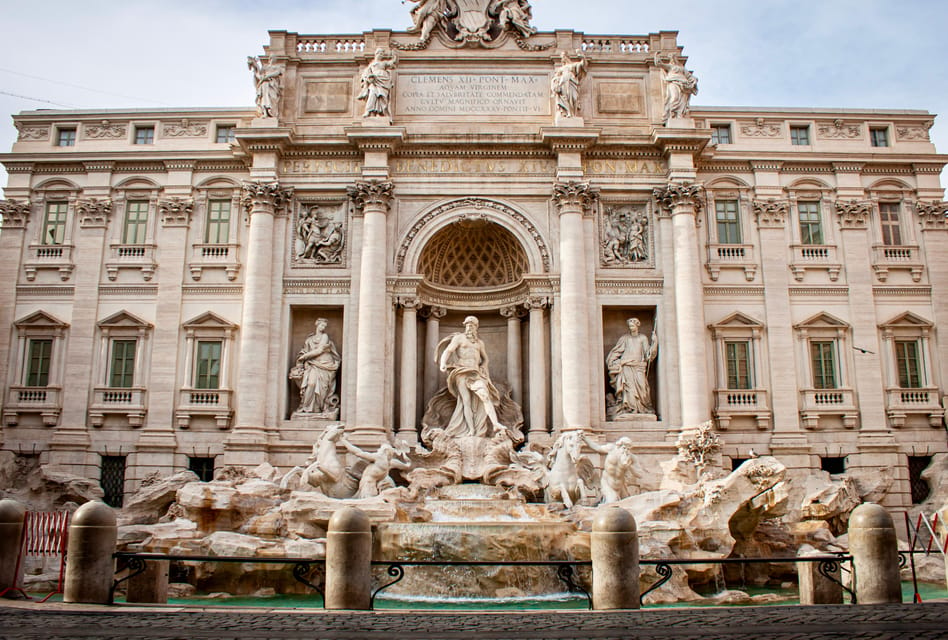
Trevi Fountain: famous, but explained like a symbol
Trevi Fountain is one of the stops people think they know. Everyone’s seen the photos. But on this walk, Trevi isn’t treated like a single moment; it’s treated like a political symbol with a long echo.
You’ll get a break and some free time, plus guided storytelling and free movement that lets you do your own mini-photo session without feeling rushed. The best part is the context: you’ll hear how fountains became propaganda and how Rome’s artists and patrons used spectacle to communicate authority.
That’s why this section can land differently than a standard Trevi visit. Instead of just saying, wow, it’s big, you start noticing layers: the message, the audience, and why the city keeps returning to water, marble, and myth.
One drawback to consider: Trevi is always crowded. The tour’s format helps, but you’ll still want patience and a willingness to wait a bit for your best viewing angle.
Sant’Ignazio di Loyola: the Baroque ceiling as persuasion
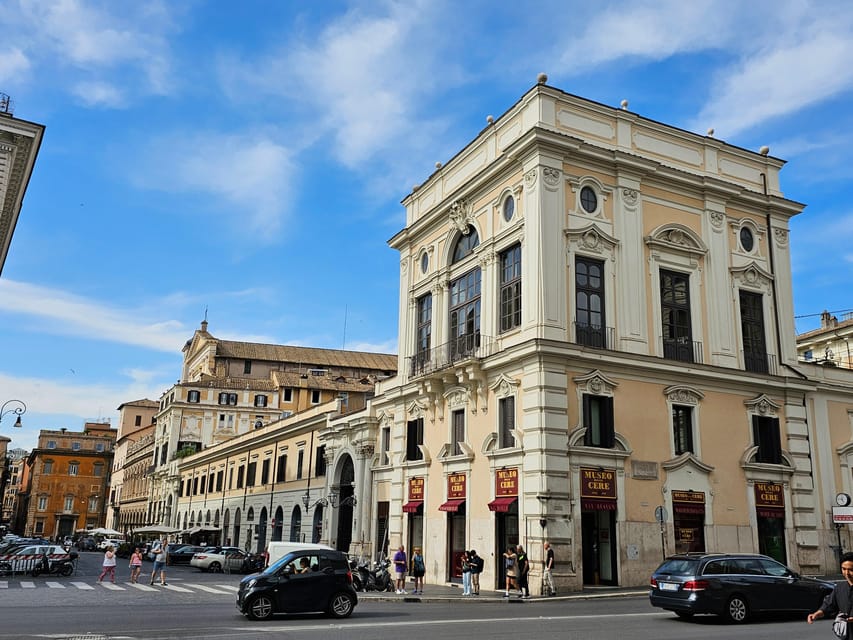
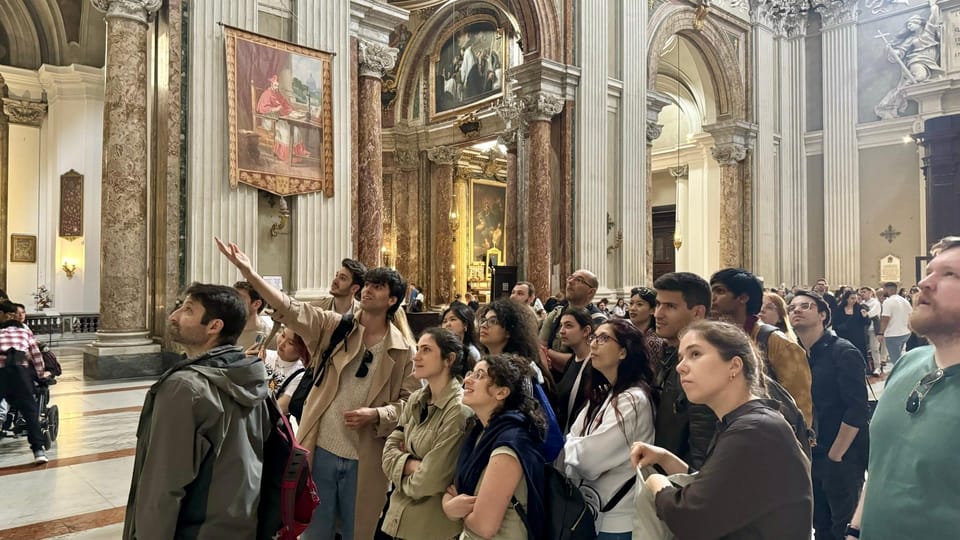
Church of Sant’Ignazio di Loyola comes next, with a guided stop long enough to actually register what makes it special. This is where Baroque art earns its reputation for theater. The guide’s job is to connect the church’s design choices to the broader story of power, persuasion, and spiritual politics.
The tour description promises stories tied to Renaissance basilicas and surprising artistic details, and feedback from guests highlights how this church can be a jaw-dropping moment—especially for people who usually rush through interiors. Expect a focused visit, not a drive-by.
Time here is important. If you glance and move on, you’ll miss what the guide points out. If you slow down, you’ll start seeing how architecture directs your attention—almost like the building is trying to control your emotions.
Pantheon: why this building still feels like a statement
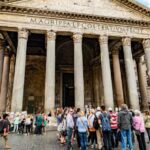
The Pantheon stop is brief, but it’s guided, and that’s what matters. Like Trevi, the Pantheon is famous enough to be seen as “already understood.” On this tour, you’re nudged to see it differently: as part of a chain of Roman building logic, spiritual ambition, and symbolic messaging that survived regime changes.
You’ll have a short photo window and guided touring. With only a few minutes, the guide’s best moves are likely to be the themes that connect the day: how power wraps itself in architecture, and why later Romans kept using old forms to legitimize new authority.
If you’re the kind of visitor who loves asking questions on the spot, this tour style tends to reward that. Several people mention guides answering freely and branching when someone in the group asks something. That interactive energy can turn a quick Pantheon stop into something more personal.
Piazza Navona finale: myths, markets, and controlled chaos
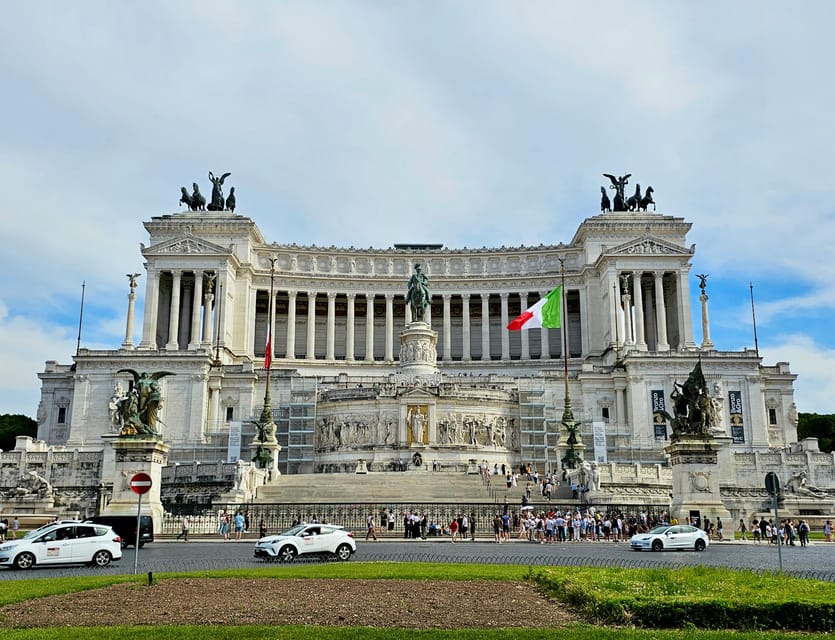
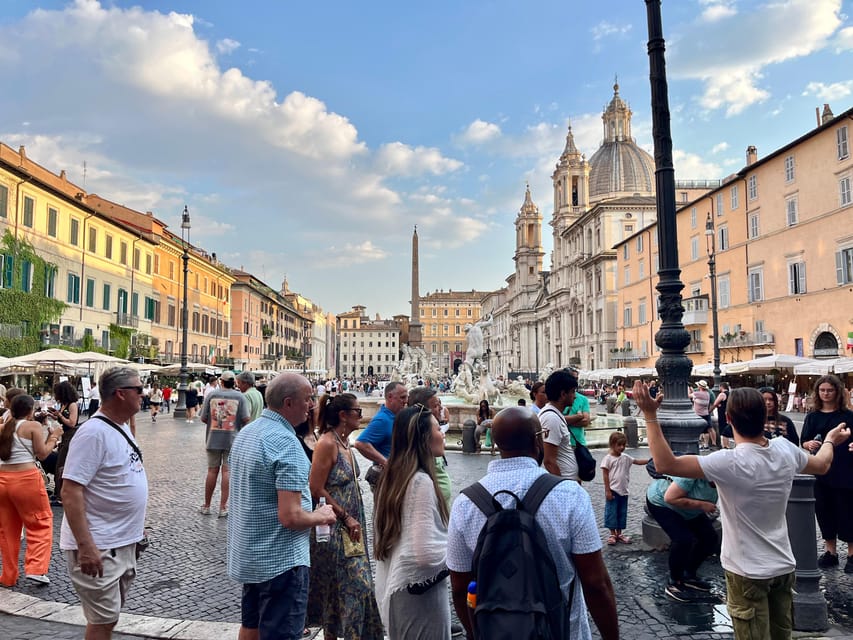
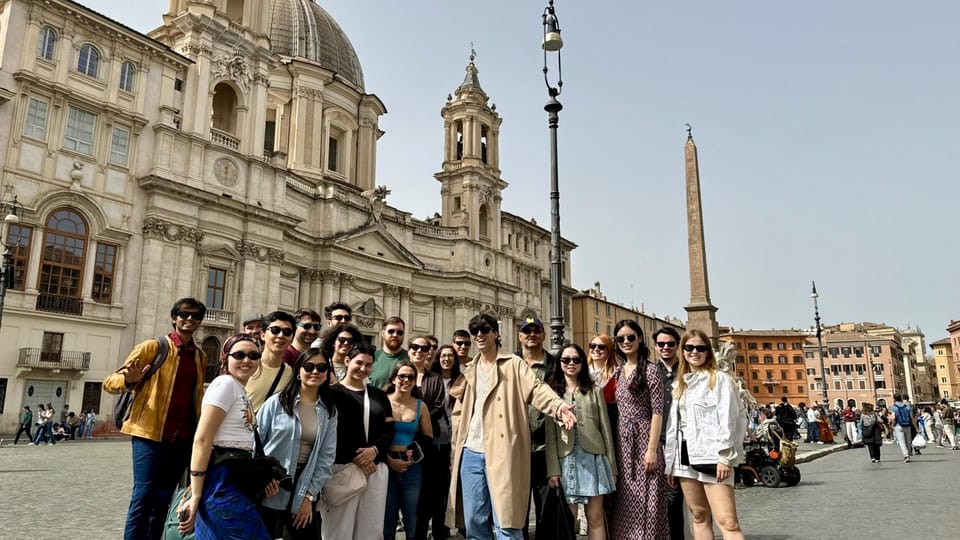
The walk ends in Piazza Navona. Like Trevi, this is a top-spot location—but the ending is handled with guided meaning plus time to look around on your own.
Piazza Navona can feel like a stage too: performers, street life, and constant motion. The tour approach helps you read the space instead of just passing through it. You’ll connect what you’ve learned—how rulers used public spaces—to the way the square functions now.
You’ll get photo time and a guided look, then you finish in the piazza so you can decide what to do next. If you want to keep exploring that neighborhood, you’re well placed. If you want to grab a quick snack or just absorb the atmosphere, you have the freedom to do it without another “next stop” pressure.
Price and tipping: how the pay-what-you-want model affects value
The listed price can look low (around $3.77 per person), but the real structure is a tip-based, pay-what-you-want model. The guides work on tips alone, and the tour data says the usual tip is between 10€ and 50$.
Here’s how I’d think about value: you’re paying for a guide’s storytelling, pacing, and access decisions, not for a museum ticket package. If you’re the type who enjoys a guide turning monuments into cause-and-effect stories, you’ll likely feel the money is well spent even with a modest tip.
If your travel style is more independent and you don’t want dark humor or political scandal in your Rome day, then a guide won’t transform the experience for you—and you might feel the “tip pressure” more than the payoff.
My advice: treat the booking as the starting fee, then budget your tip like it’s part of the true price of the tour.
Pace, group feel, and what to bring
This is a 2.5-hour walking tour in the city center, with multiple stops and photo windows. In practice, it’s built for an easy-to-manage pace—long enough for context, not so long that you’re exhausted by minute 20.
The tour is live guided in English and Spanish. People also mention the tour running face-to-face rather than headset listening, which I like. Headphones can be useful, but conversation is better for questions and for getting answers tailored to your interests.
What to bring is simple:
- Comfortable walking shoes
- Water, especially in warmer months
- A flexible mindset for humor that can be politically incorrect
If you’re visiting Rome for the first time, this kind of guide-led big picture helps you understand what you’re seeing afterward. If you’ve been once before, the focus on families, dynasties, and power shifts can make the same landmarks feel new.
Should you book this alternative Rome walk?
Book it if you want Rome with context, not just photos. The best reason to choose it is the way it links famous monuments to the people behind them—through stories of power, propaganda, and real human mess. If you enjoy guides who can keep things lively (I’ve seen names like Iris, Jacopo, Simone, and others tied to strong humor and energy), you’ll probably have a great time.
Skip it if you dislike off-color jokes or you’d rather experience Rome quietly with self-guided signage. Also think twice if you feel uncomfortable with a pay-what-you-want tip structure; you’ll want to plan your tip budget so it doesn’t feel awkward mid-walk.
If you’re trying to get your bearings fast and understand why Rome is the way it is, this tour is a strong first “story dose” for your trip.
FAQ
How long is the walking tour?
The tour duration is 2.5 hours.
Where do I meet the guide?
Meet at the steps of Chiesa del Santissimo Nome di Maria al Foro Traiano, right by the Trajan Column and Trajan Forum. The guide holds a tour sign with the tour name.
What major sights are included?
The tour includes stops at Trevi Fountain, the Pantheon, and Piazza Navona, plus other central sites such as Trajan’s Column and Piazza Venezia.
Does the tour include off-limits or secret stops?
Yes. The tour description says there are hidden, off-limits locations and a secret stop included.
Is the tour free, or do I pay?
It’s a tip-based, pay-what-you-want model. You can give a tip at the end based on what you think the tour was worth.
What’s the usual tip amount?
The provided information says the usual tip is between 10€ and 50$.
Which languages are available?
The live guide is available in Spanish and English.
Is Papal private gardens admission included?
Yes. Papal private gardens admission is included in the tour.
Is there free cancellation?
Yes. You can cancel up to 24 hours in advance for a full refund.