REVIEW · ROME
National Museum of Palazzo Massimo: 2-Hour Private Tour
Book on GetYourGuide →Operated by Rome Guides · Bookable on GetYourGuide
Ancient Rome hits fast here. The National Museum of Palazzo Massimo turns big museum rooms into a guided story about everyday habits, public institutions, and religious life in the Roman world. You get the comfort of a private, English-speaking guide who helps you connect objects to how people actually lived.
I especially like the chance to see the ancient calendars tied to cities like Praeneste and Anzio. And I love how the tour spotlights major works you’d otherwise only recognize by name, like the Boxer at Rest and the Sarcophagus of Portonaccio.
One possible consideration: it’s a tight 2-hour format, so if you want to linger for long stretches or take your time on everything, you’ll need to plan to come back later.
In This Review
- Key highlights worth planning around
- Why Palazzo Massimo clicks with a private guide
- A 2-hour route built around Roman daily life (not just big names)
- The ancient calendars: Praeneste and Anzio’s clue to how Romans organized time
- The Boxer at Rest: why one statue can explain an era
- Villa of Livia frescoes: what Roman home decoration says about status
- Marble gods and Roman-Greek overlap: religious life you can see
- Portonaccio sarcophagus: funerary art and a battle scene that hits hard
- What “private tour” really changes for your museum time
- Price and value: what $130.28 per person is buying
- Practical details before you go (so you’re not scrambling)
- Who should book this 2-hour Palazzo Massimo tour
- Should you book this private tour?
- FAQ
- How long is the National Museum of Palazzo Massimo private tour?
- Is this tour private?
- What’s included in the price?
- Is hotel pickup and drop-off included?
- What language is the live guide?
- Where do we meet the guide?
- What should I bring?
- Is luggage or large bags allowed?
- Does the tour run in rain?
- What are the cancellation and payment options?
Key highlights worth planning around
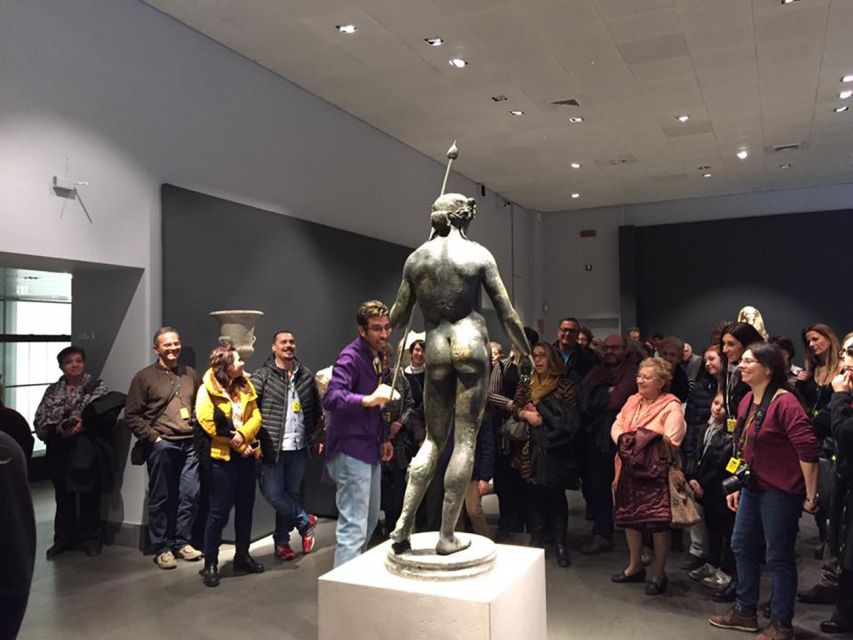
- Praeneste and Anzio calendars that show how timekeeping and civic life worked
- Boxer at Rest as a standout sculpture for Roman athletic ideals
- Villa of Livia frescoes that explain how homes looked and felt
- Marble gods where Roman and Greek imagery meet
- Sarcophagus of Portonaccio with a battle scene that rewards close looking
- Engaging guidance from Rome Guides, including a mention of Vincenzo as lively and easy to follow
Why Palazzo Massimo clicks with a private guide
If you’ve ever walked through a museum and thought, I see the objects, but I don’t really understand them, this is the fix. Palazzo Massimo holds Roman sculpture, paintings, and everyday “life” evidence, but you still need a human to translate the clues. With a private guide, you don’t waste time playing detective.
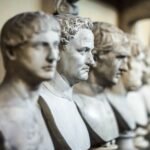
This tour also makes a good case for why Roman art and daily life belong together. The guide isn’t only pointing at pretty statues. You’ll connect portrait styles, house decoration, religious practice, and even how time was organized—so the museum becomes a map of how Romans thought and behaved.
And the best part? Reviews give strong signals about the guide style: people liked the way the explanations were animated, energetic, and clear enough to make the visit feel to-the-point rather than lecture-y. One review specifically praised Vincenzo for being engaging and for helping connect key characters and activities in ancient Roman times to what you’re actually seeing.
You can also read our reviews of more private tours in Rome

A 2-hour route built around Roman daily life (not just big names)
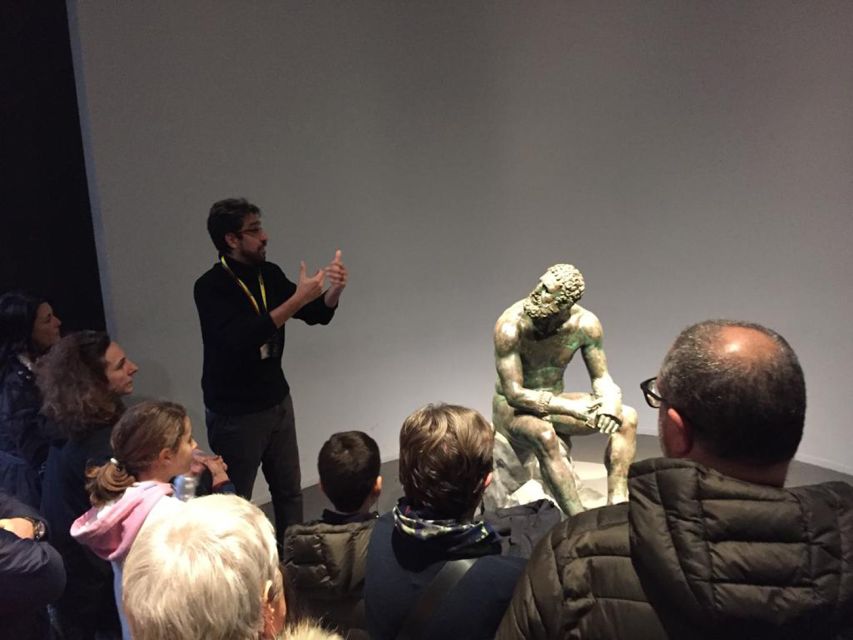
You’re in the museum for two hours, rain or shine, and you’re not stuck in a long wandering pattern. Instead, the tour is structured around a set of memorable anchors, each tied to a bigger theme: how time worked, how heroes were shown, how houses were decorated, which gods were honored, and why funerary imagery mattered.
You can expect that the guide will move you through the most important facts of Ancient Rome and keep things grounded in objects you can look at from close range. Since entry tickets and the guide are included, you can focus on learning instead of logistics.
Also, this is a private group, so you can ask questions as they come up. That matters in a museum like this, because a single artifact (like a calendar or sarcophagus) can spark multiple ideas—about government, identity, belief, and art style.
The ancient calendars: Praeneste and Anzio’s clue to how Romans organized time
One of the most distinctive “wait, that’s cool” moments in the collection is the ancient calendar material tied to Praeneste and Anzio. Calendars sound boring until you realize they’re political and religious tools. They set the rhythm for public life, festivals, and civic events—so they tell you how Romans managed time together as a society.
When a guide talks about these calendars, you’ll likely get beyond just dates and symbols. The important takeaway is that time wasn’t neutral. It was structured through civic institutions and religious observances. You’re not just learning history—you’re seeing a system.
This is also a great stop if you’re the kind of traveler who likes facts that change your brain. Even if you’ve read about Roman calendars before, seeing the actual evidence in a museum setting makes it feel practical and real.
The Boxer at Rest: why one statue can explain an era
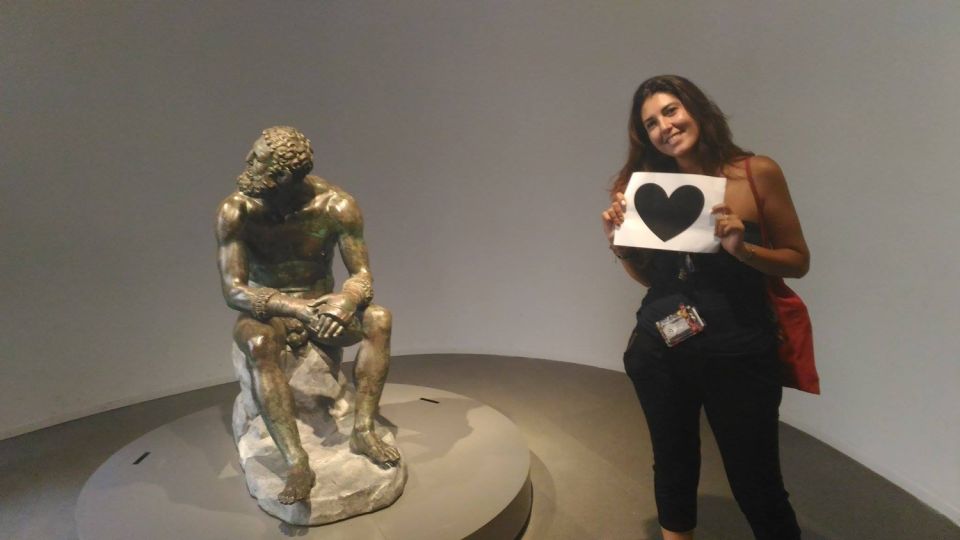
Another highlight is the Boxer at Rest, one of the most beautiful statues of ancient Rome. Even without deep technical training, this kind of sculpture grabs attention because it captures posture, tension, and the idea of athletic discipline.
In a private tour, this is where the guide can turn “I’m looking at a statue” into “I’m understanding what it represents.” You can learn how Romans portrayed strength and hero-like traits, and how artistic choices communicate values—especially in sports, training, and public ideals.
If you’re used to thinking of ancient art as only decorative, this moment helps you recalibrate. The Boxer at Rest is art with personality and meaning, and a good guide will help you notice what to look for in the body language and form.
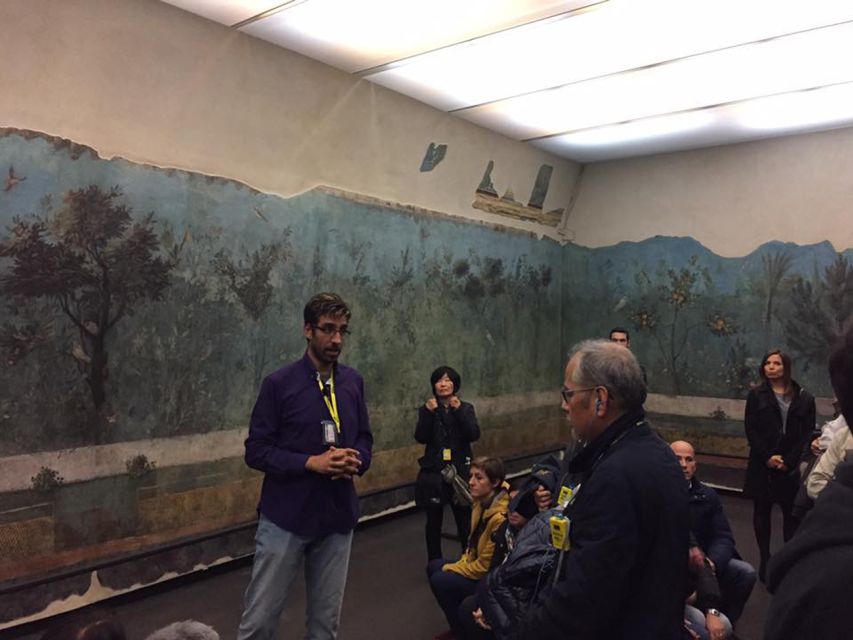
Villa of Livia frescoes: what Roman home decoration says about status
The frescoes of the Villa of Livia bring the museum back to the scale of daily life. Wall paintings aren’t just pretty pictures; they’re a statement about taste, education, identity, and—yes—social position.
This is where the tour becomes especially valuable if you’re curious about Roman interiors. The guide helps explain how Romans decorated their houses and what those decorations were communicating. You’ll likely come away with a better sense of why these artworks mattered to the people who lived among them, not just to historians and museumgoers.
A useful way to approach this stop: take your time with the colors and scenes, but also listen for interpretation. The whole point of a guided private experience is to connect what you see on the wall to what it meant in a real home.
You can also read our reviews of more museum experiences in Rome
Marble gods and Roman-Greek overlap: religious life you can see
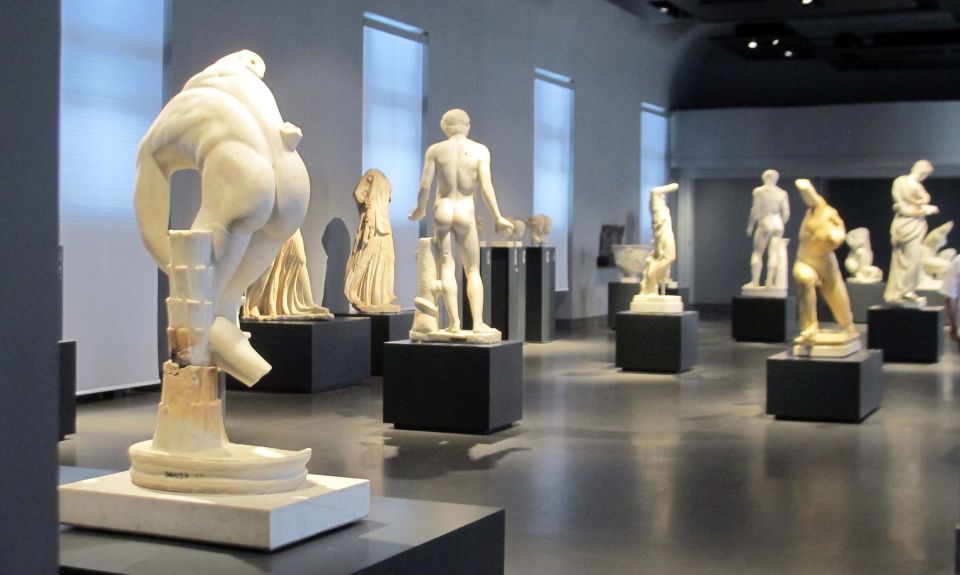
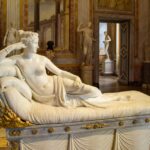
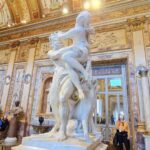
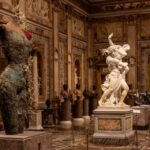
The tour also has you walking among marble statues of Roman and Greek gods. This matters more than it might sound, because Romans didn’t just worship with abstract ideas—they used imagery to define relationships between powers, myths, and everyday concerns.
A private guide is particularly helpful here because you’ll likely get context on which figures you’re looking at and how the Roman world used these deities in cultural storytelling. You can start to recognize patterns: how Greek myth and Roman adoption changed the way certain gods were presented and understood.
If religion in ancient Rome feels like a blur in other contexts, this stop can make it tangible. Statues make belief visible. The guide turns that visibility into something you can interpret on the spot.
Portonaccio sarcophagus: funerary art and a battle scene that hits hard
The Sarcophagus of Portonaccio is one of the most impressive objects on the tour, with a battle scene that rewards close looking. Funerary art can be tricky: it looks solemn, but it often includes “story” imagery—events, values, and symbolic messages about the deceased.
With a guide, you get the key interpretive thread: why Romans cared so much about venerating the deceased, and how religious aspects shaped commemoration. In other words, the sarcophagus isn’t only a container. It’s a statement about identity, memory, and belief.
The battle imagery adds extra power. It connects status and heroism with afterlife thinking and social values. You’ll get more from this object if you approach it like a narrative panel: who’s in motion, what the scene emphasizes, and how the design communicates drama and meaning.
What “private tour” really changes for your museum time
A private museum tour isn’t just “quieter.” It’s a different pacing and a different learning style.
Here’s what you can expect with this format:
- Your guide can respond to your questions instead of sticking to a rigid group script.
- You can spend more time on the elements you care about, like the calendars or the frescoes.
- The guide can explain how objects connect, so the museum feels like one story instead of separate rooms.
Also, the guide is bilingual (English, Italian). If you’re comfortable in either language, it can help you catch finer details that you might miss on your own.
From the reviews, the big win is that the guides don’t just recite facts. People appreciated lively, engaging explanations—especially in the way the guide helped connect museum pieces to key characters and activities in ancient Roman life. That kind of attention to how you understand is a real value-add.
Price and value: what $130.28 per person is buying
At $130.28 per person for a 2-hour private tour, you’re paying for speed plus interpretation. You’re not paying for a huge production. You’re paying for direct access to a professional guide and curated focus on the museum’s strongest objects.
This price can feel like a lot if you’re comparing it to self-guided entry. But here’s the value logic: the museum is full of details, and without guidance, many of those details won’t “click” quickly. With a good guide, the time investment shrinks and your understanding grows.
So the best fit is when you want to:
- Get oriented fast in Palazzo Massimo
- See specific highlights (calendars, frescoes, major sculpture, the sarcophagus)
- Leave with a clearer picture of Roman habits and institutions, not just photos
Practical details before you go (so you’re not scrambling)
Start by planning your arrival. You’ll want to show up about 15 minutes early so you’re ready when the tour begins. Your guide will wait at the museum entrance holding a sign with the tour name, and tickets are distributed at the start of the activity.
Two other practical points:
- Hotel pickup and drop-off aren’t included, so you’ll be handling your own way to the meeting point.
- Luggage or large bags aren’t allowed. If you’re traveling light, you’ll have an easier time.
The tour runs rain or shine, so bring basic weather comfort. And if you’re traveling with kids, the tour notes you should bring a passport or ID card for children.
Who should book this 2-hour Palazzo Massimo tour
This is a strong match if you:
- Like guided explanations that connect objects to daily life
- Want a focused hit of major highlights in a short time
- Prefer private pacing over group schedules
- Enjoy Roman culture through the lens of institutions, religion, and domestic decoration
It may feel less ideal if you’re the type who needs long, uninterrupted time to roam and linger. Two hours is enough to learn a lot, but it’s not enough to slow down for every detail.
Should you book this private tour?
I’d book it if you want the museum to make sense quickly. Palazzo Massimo is the kind of place where a guide can turn “I’m looking” into “I understand what I’m looking at,” especially with the calendars, the Villa of Livia frescoes, and the Portonaccio sarcophagus.
Also, the guide quality looks like the real differentiator. Vincenzo’s praised style—engaging, lively, and good at making connections—signals that this tour isn’t only about famous pieces. It’s about communication, and that’s what makes a short visit feel satisfying instead of rushed.
If you’re on the fence, this simple test helps: Do you want Rome explained through key artifacts, or do you enjoy wandering without help? If you want explanation, this private, 2-hour format is an efficient use of your time.
FAQ
How long is the National Museum of Palazzo Massimo private tour?
The tour lasts 2 hours.
Is this tour private?
Yes, it’s a private group tour.
What’s included in the price?
Entry tickets and a professional guide are included.
Is hotel pickup and drop-off included?
No, hotel pickup and drop-off are not included.
What language is the live guide?
The live guide speaks English and Italian.
Where do we meet the guide?
You meet the guide in front of the museum entrance. The guide will wait holding a sign with the name of the tour, and you should arrive 15 minutes early.
What should I bring?
Bring a passport or ID card for children.
Is luggage or large bags allowed?
No, luggage or large bags are not allowed.
Does the tour run in rain?
Yes, it takes place rain or shine.
What are the cancellation and payment options?
Free cancellation is available up to 24 hours in advance for a full refund. There’s also a reserve now & pay later option.