REVIEW · ROME
Rome: Cooking Class with a Master Neapolitan Pizzaiolo
Book on GetYourGuide →Operated by ELISA'S TOUR · Bookable on GetYourGuide
One hour can change how you think about pizza. This Neapolitan-style cooking class in Rome takes you from dough to wood-fired pie, with bilingual guidance and a real pizzeria atmosphere.
I love the hands-on focus, where you actually knead and stretch the dough instead of just watching. I also love that you get a wood-fired oven baking moment, followed by a tasting of what you made, not a random snack.
One possible drawback: it’s a short class, so if you’re looking for a long sit-down meal or a heavy Q&A marathon, this won’t be that kind of experience—come for technique and a freshly baked result.
In This Review
- Quick highlights before you go
- Inside a Central Rome Pizzeria Classroom
- Meet Your Neapolitan Chef and Get the Real Pizza Workflow
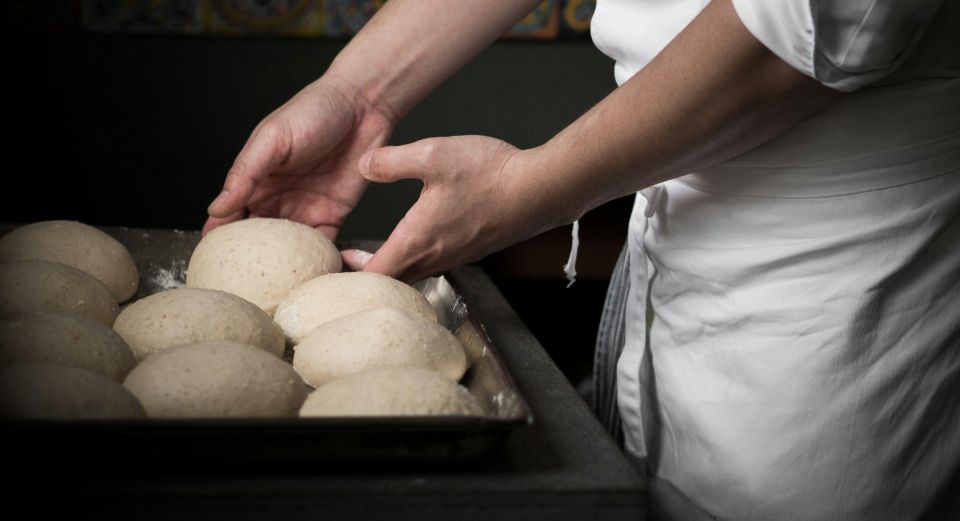
- Kneading and Stretching Dough Like You Mean It
- Choosing Ingredients and Building Your Pizza
- Wood-Fired Oven Baking: The Moment of Truth
- Eating What You Made With Wine or Craft Beer
- Price and Value: Is $52 Worth It in Rome?
- Who Should Book This Class (and Who Might Skip It)
- Practical Tips to Enjoy the Class More
- Should You Book This Rome Neapolitan Pizza Class?
- FAQ
- How long is the cooking class?
- Where do I meet for the class?
- Is there a way to avoid lines?
- What do I make during the class?
- Is the pizza baked in an oven during the class?
- What food and drinks are included?
- Are vegetarian options available?
- What language is the instructor?
- What should I wear?
- Is transportation provided to and from the pizzeria?
Quick highlights before you go
- Bilingual pizzaiolo coaching (English and Italian): clear instruction while you work the dough.
- Real Neapolitan process: kneading, stretching, topping, then baking.
- Wood-fired oven baking: your pizza goes straight in to cook.
- Fresh ingredients and professional equipment: you use the tools and ingredients meant for the job.
- You eat what you make: plus one included glass of local wine or craft beer.
- Vegetarian option available: tell the team in advance if you need it.
Inside a Central Rome Pizzeria Classroom
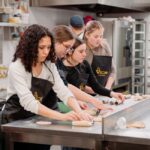
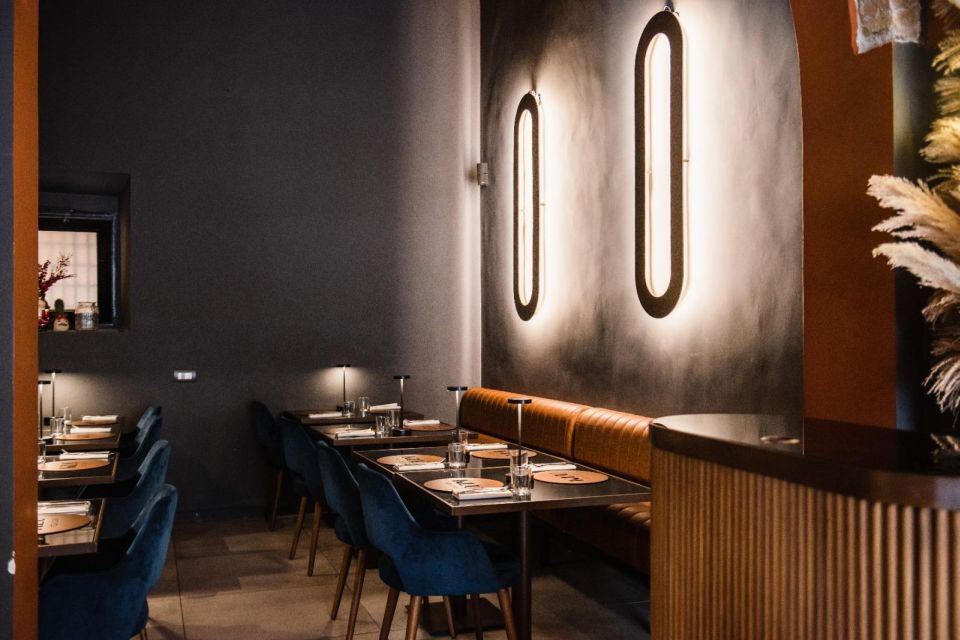
This isn’t a demo where you sit politely in the back. You start right at the pizzeria, meeting the team in front of the shop, then stepping into a cozy setting where the smell of dough and oven heat does half the teaching for you. Expect a lively, in-house pizzeria vibe—this feels like participating in a working kitchen, not touring a museum.
The class is designed for a simple flow: learn the basics, put your hands to the dough, and finish with a proper tasting. The location being in the center of Rome matters more than you might think. You save time on complicated logistics and can fit this into a day that already includes Roman landmarks, aperitivo stops, and long walks.
You’ll also go in through a separate entrance to avoid line hassles. If you’ve ever arrived in Rome 10 minutes late and watched your evening plans unravel, this detail is genuinely useful.
You can also read our reviews of more cooking classes in Rome


Meet Your Neapolitan Chef and Get the Real Pizza Workflow
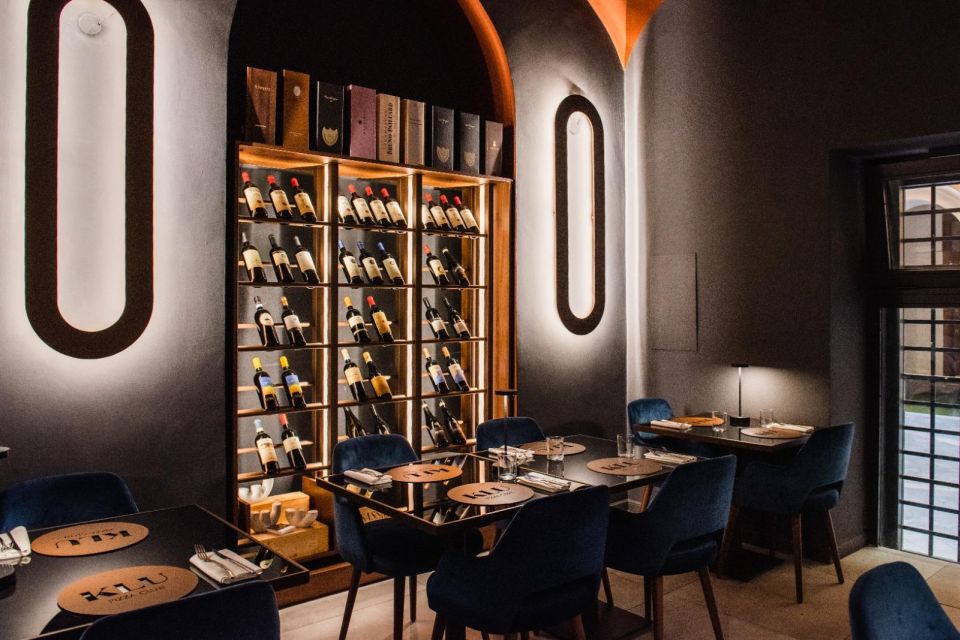
Right away, you’ll get welcomed by the Neapolitan chef and guided through the rhythm of making a Neapolitan pizza. The instructor teaches not just steps, but also why each step matters—how technique connects to texture, and how ingredient quality shows up in the final bite.
A big value here is the balance of practical work and context. The experience includes an explanation of the history and traditions around this iconic dish. You’ll hear enough to understand what you’re doing and what makes Neapolitan pizza distinct, without turning the session into a lecture.
Timing matters with pizza-making, because dough and heat don’t wait for you. That’s why the class structure is so direct: knead, stretch, top, bake, eat. If you like learning by doing, this format fits you.
Kneading and Stretching Dough Like You Mean It
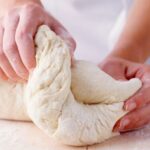
This is the part most people remember. You’ll knead the soft dough, then learn the skill of stretching it with control—precision over force. The goal isn’t to make you look good for a photo. It’s to help you understand how dough behaves and how to handle it so you don’t end up with a thick, uneven crust.
What you’ll likely notice quickly is that dough work changes your mindset. At the beginning it feels sticky and awkward. By the time you’re stretching and aiming for an even shape, you start to feel the dough relax under your hands. That sense of improvement is exactly what makes a cooking class worth paying for.
You should also plan to get a little messy. The class advises clothes that can get dirty, and that’s honest. You’ll be working at a real kitchen pace, in a real pizzeria environment, with dough that’s meant to be handled.
Choosing Ingredients and Building Your Pizza
Once you’re comfortable with the dough work, you’ll move into toppings and ingredient selection. The experience includes a selection of fresh, high-quality ingredients, and you’ll use them to build your own pizza. Even if you’ve made pizza at home before, a pizzeria setup teaches a different kind of confidence—ingredients are portioned, stations are arranged for speed, and you get coaching while you assemble.
This is also where the “fresh matters” lesson becomes more than a slogan. The class connects ingredient choice to flavor and final texture. You’re not just stacking toppings; you’re making decisions that show up in the bake.
And yes, there’s a vegetarian option. If you want it, notify the team in advance so they can prepare accordingly.
Wood-Fired Oven Baking: The Moment of Truth
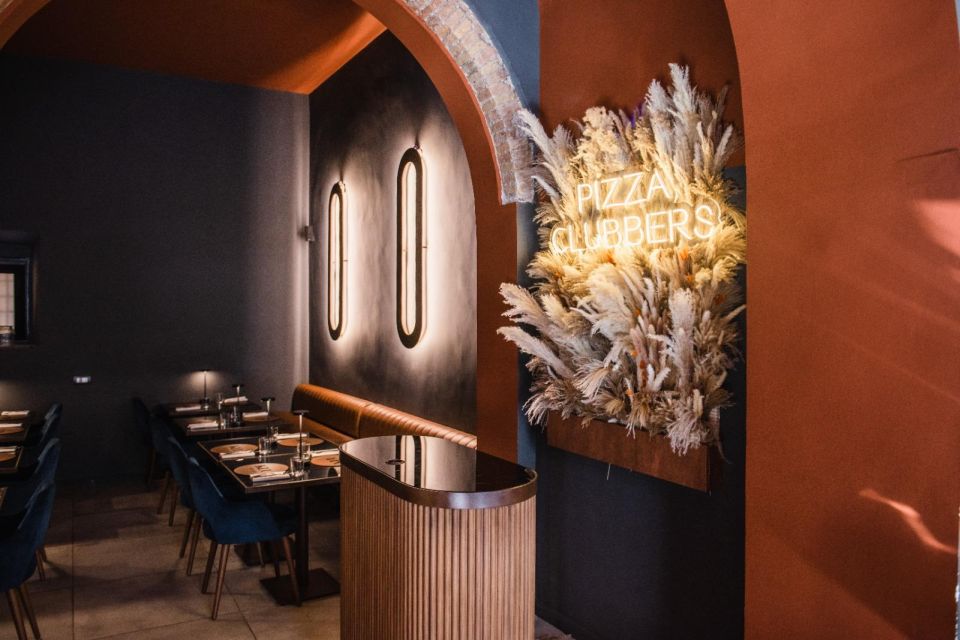
Then comes the payoff: pizza baking in a traditional wood-fired oven. This is the moment where theory meets heat. Wood-fired cooking is different from most home ovens, and you’ll feel it in how quickly the pizza cooks and how the crust develops.
The class is built around getting your pizza into that oven and seeing it turn into the finished product you tasted in class. That’s a key part of why this experience is so satisfying—there’s no waiting for someone else’s result. You’re responsible for the pizza on your own tray, and the oven does its thing.
One more reason this matters for value: you’re not paying for a generic meal. You’re paying for a technical outcome—your homemade pizza, cooked properly, right in the style you came for.
You can also read our reviews of more tours and experiences in Rome

Eating What You Made With Wine or Craft Beer
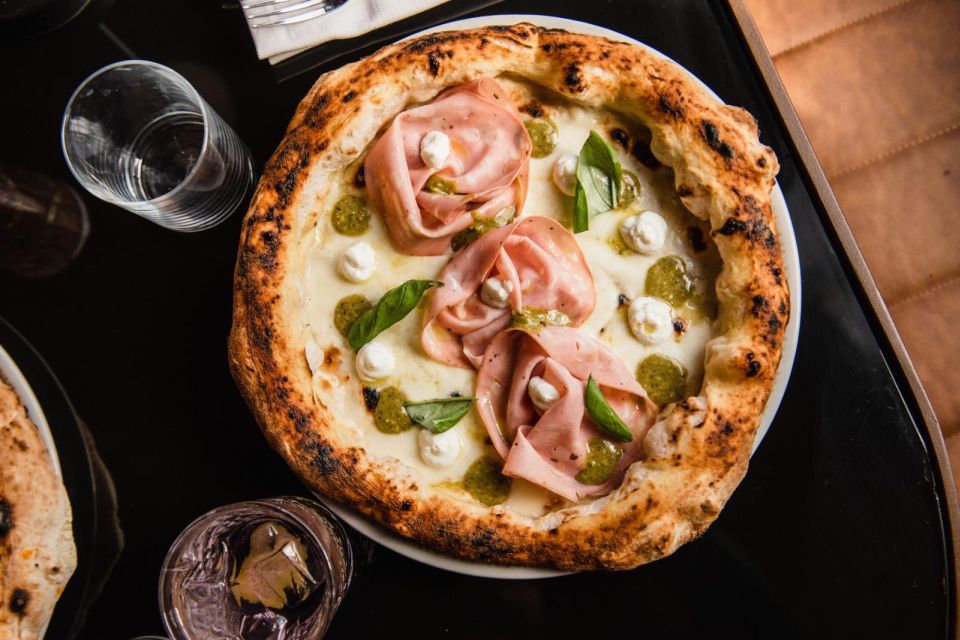
After baking, you’ll taste the fruits of your labor. The experience includes freshly prepared pizza tasting, plus one included drink: a glass of local wine or a craft beer.
This is where the experience shifts from classroom to table. You’ll have that satisfying moment of comparing what you learned—dough, stretching, topping—to what you actually taste. And because you’re in a group, it’s also a social break that doesn’t require awkward conversation. People talk about their pizza choices and swap small technique tips, which is part of the fun.
Language-wise, the instructor supports English and Italian. If your Italian is basic, you’ll still be able to follow along through the structure and hands-on coaching. That’s also why this can work well for families: the class is set up to be guided and understandable, not overly technical.
Price and Value: Is $52 Worth It in Rome?
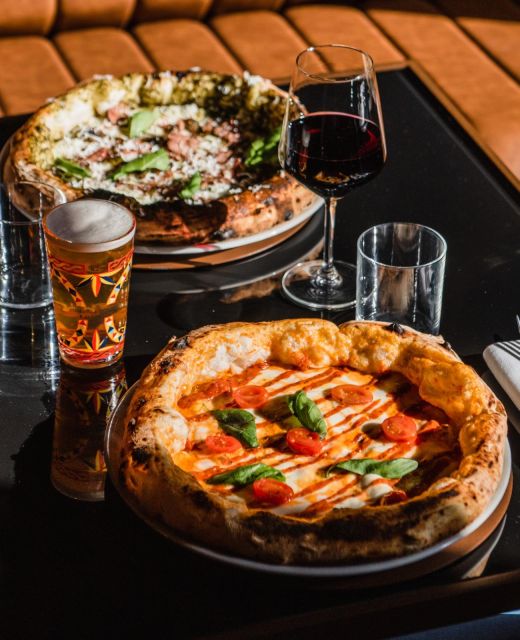
At $52 per person for a one-hour class, you’re paying for more than ingredients. You’re paying for access to a professional setup—equipment, a wood-fired oven, and an instructor who teaches technique and tradition while you participate.
Here’s what makes the price feel fair for the experience type:
- You get a full workflow, not a short sample.
- You bake in a real wood-fired oven, which is the hardest part to replicate well at home.
- You take home a finished pizza plus one included drink, so you’re not stretching your budget on extra food.
- The location is central, which saves time and often saves money versus long transfers.
The main thing to consider is your expectation level. If you’re hoping for a long feast or multiple courses, this price reflects a focused session, not a restaurant dinner. But for learning pizza technique and eating a fresh result, it’s a strong fit.
Who Should Book This Class (and Who Might Skip It)
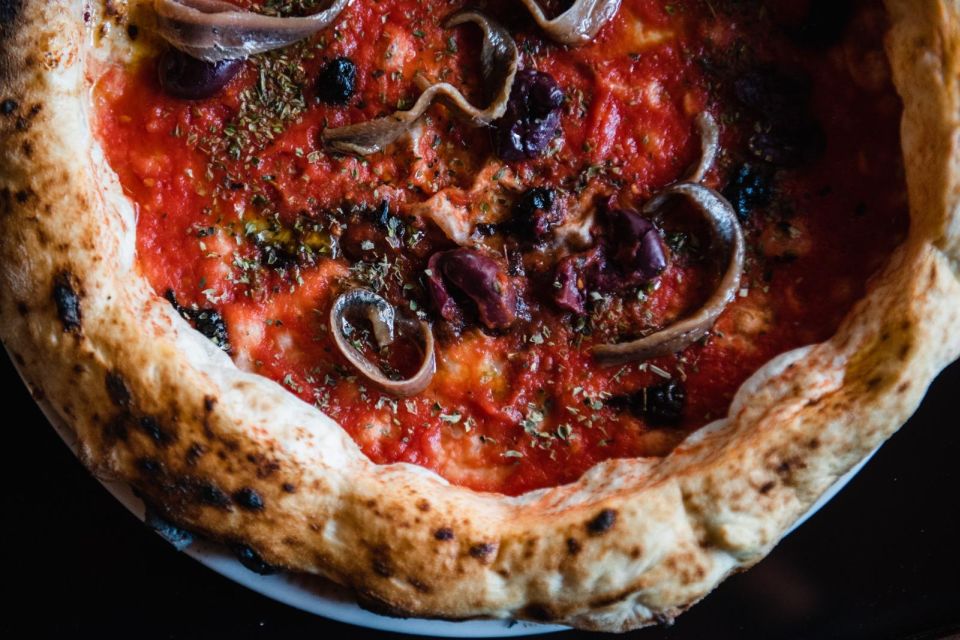
I think this class is ideal if you:
- Want a hands-on culinary experience in Rome, not just a guided tour.
- Like learning technique you can reuse later (especially dough handling).
- Want a central activity that doesn’t eat your entire day.
- Are traveling with a group and want something fun that’s still structured.
It may be less ideal if you:
- Need a long, quiet meal experience.
- Prefer purely observational activities.
- Want a multi-hour cooking program with a lot of additional food and drinks.
It’s also wheelchair accessible, which is a helpful detail if you’re planning with mobility needs.
Practical Tips to Enjoy the Class More
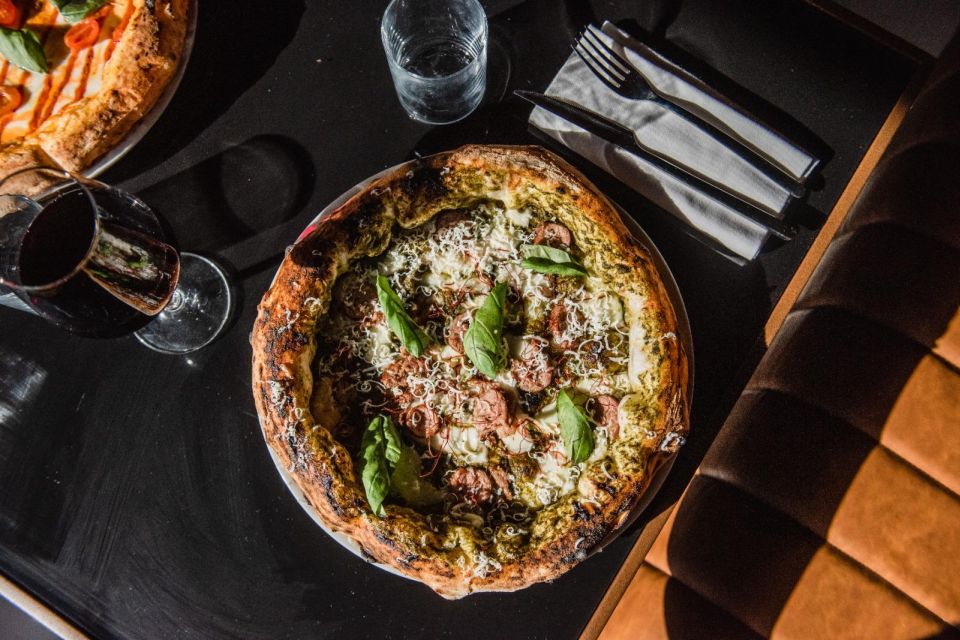
Do yourself a favor and plan your outfit like it’s a “work clothes” moment. Wear comfortable clothes you don’t mind getting a bit dirty, because dough work can be messy.
Arrive 15 minutes early. That buffer helps you settle in, find the meeting point, and be ready when the class starts. Pizza time is real time—when the dough and schedule move, the experience moves with it.
If you have dietary needs, mention vegetarian in advance. That’s the cleanest way to make sure your ingredients match what you want.
Also, bring a mindset for learning by doing. This is about technique and results, and the best moments come when you’re willing to try the stretching and topping steps even if your first attempt isn’t perfect.
Transportation to and from the pizzeria isn’t included, so factor that into your day. If you’re already walking around central Rome, it should be easy to fit into your route.
Should You Book This Rome Neapolitan Pizza Class?
If you want a high-reward activity in the center of Rome—hands-on dough work, wood-fired baking, and a meal you made yourself—this is a smart booking. The $52 price makes sense because you’re paying for real kitchen access and a finished pizza outcome, not just a tour of pizza culture.
I’d book it when you can spare an hour and you’ll enjoy rolling up your sleeves. Skip it if you’re set on a long restaurant-style evening or you don’t want to get a little dough on your clothes.
FAQ
How long is the cooking class?
The class lasts 1 hour.
Where do I meet for the class?
You meet in front of the pizzeria, where you’ll be welcomed by the Neapolitan chef.
Is there a way to avoid lines?
Yes. There is a separate entrance to skip the line.
What do I make during the class?
You’ll make your own pizza from scratch, including kneading and stretching the dough and assembling the ingredients.
Is the pizza baked in an oven during the class?
Yes. Your pizza is baked in a traditional wood-fired oven.
What food and drinks are included?
You’ll taste freshly prepared pizza made during the class, and you’ll receive one included beverage: a glass of local wine or a craft beer.
Are vegetarian options available?
Yes. Vegetarian options are available, but you need to notify the provider in advance.
What language is the instructor?
The instructor speaks English and Italian.
What should I wear?
Wear comfortable clothes that you don’t mind getting a bit dirty.
Is transportation provided to and from the pizzeria?
No. Transportation is not included.