REVIEW · ROME
Rome: Fettuccine, Ravioli, and Tiramisu Cooking Class
Book on GetYourGuide →Operated by Bella Vita Food Tours · Bookable on GetYourGuide
Fresh pasta class beats museum time. In Rome, you can learn fettuccine dough, hand-stuffed ravioli, and Italy’s classic tiramisu with an English-speaking chef like Giuseppe guiding the steps. You’re also eating what you make, not just watching a demo.
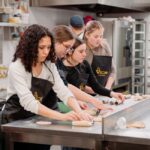
I love the hands-on pacing here, especially the little pro tips that help you get the dough right and make shaping feel doable. I also like that the class often stays small, so you’re not shouting over a crowd when your dough sticks or your filling spills.
One thing to consider: this class is not suitable for people with food allergies, so you’ll want to think carefully before booking.
In This Review
- Key things to know before you cook in Rome
- A 3-course pasta and dessert lesson in Rome
- Rolling fettuccine: knead, rest, and get the dough right
- Hand-stuffed ravioli: shaping that actually holds
- Tiramisu: building the dessert without guesswork
- The meal you eat: what comes after cooking
- Price and value: is $69 fair for three dishes?
- Who this class suits best (and who should skip)
- Logistics that make the class easier to handle
- Practical tips to get better results fast
- Should you book this Rome cooking class?
- FAQ
- How long is the cooking class?
- Is prior cooking experience required?
- What dishes will I learn to make?
- Is the class offered in English?
- Is the class vegetarian-friendly?
- Is it suitable for people with food allergies?
- What should I wear to the class?
- Are pets allowed or is smoking permitted?
- Is there a cancellation option?
Key things to know before you cook in Rome
- Chef-led steps you can actually follow, from kneading to rolling and shaping
- Fettuccine + ravioli + tiramisu all made from scratch in about three hours
- Small group energy, with at least one class running around four people
- A practical flour-and-dough lesson, including how to choose suitable flour for pasta
- You eat your results at the end, with a menu that may include drinks
- A secret cookie recipe PDF included after class
A 3-course pasta and dessert lesson in Rome
This class is built around three Italian favorites: fresh fettuccine, delicate ravioli, and tiramisu for dessert. The appeal is simple: you’re not just learning recipes on paper. You’ll work the dough, assemble the fillings, and build the dessert with your own hands, then sit down for a meal you made yourself.
If you’re the type who likes to understand food, this is a good fit. You’ll get real technique, not just instructions. And because it’s English and beginner-friendly, you can show up without already knowing how pasta dough behaves.
The class also handles one big practical issue for you: you don’t have to manage every component of the meal. The sauce element (listed as Suage/Sugo) is prepared in advance by the chef, so your focus stays where it should: making the pasta and the dessert. That means less waiting, less confusion, and more time with the dough.
You can also read our reviews of more cooking classes in Rome

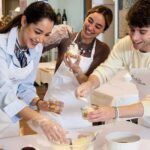
Rolling fettuccine: knead, rest, and get the dough right
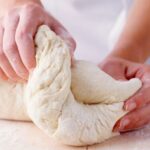
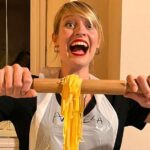
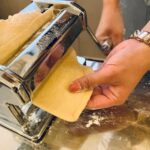
Fettuccine starts with flour, eggs (or another standard pasta dough base—your chef will guide you), and a key skill: getting the dough texture right before you roll. You’ll knead until the dough feels elastic instead of rough. Then you’ll roll it out thin enough for pasta that feels tender, not chewy.
What I like about this part is that it teaches you what to watch for. Pasta is one of those foods where small changes matter. A dough that’s too dry won’t roll smoothly. A dough that’s too soft won’t hold its shape. You’ll learn the feel-based adjustments, which is exactly what you need if you want to make it again at home.
One standout tip shared during class is how to choose suitable flour for pasta results. That’s gold if you’ve ever tried to make fresh pasta and ended up with dough that tore or felt heavy. Even if you only remember one technical lesson, this is the kind that helps your next attempt work better.
Practical reality: this is messy work. Even if you’re careful, you’ll likely get flour on your clothes and fingers. Wear comfortable clothes you won’t mind looking a bit lived-in afterward.
Hand-stuffed ravioli: shaping that actually holds
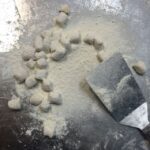
Ravioli sounds intimidating until you do it once. Here, you’ll prepare hand-stuffed ravioli, which means shaping individual pieces around filling. The tricky part isn’t just stuffing. It’s sealing.
You’ll be guided through the steps so your ravioli don’t open in the pan. Expect to learn how to portion filling, handle the dough without overworking it, and shape portions evenly enough to cook well together. The chef’s goal is for you to leave confident that you can repeat the method.
This is also the part of the class where your technique improves fastest. One minute your dough seems too sticky. The next minute you learn the small fix—usually related to dough consistency and handling—and suddenly everything looks more manageable.
The benefit of doing ravioli in a short class is that you get a concentrated skill. You’re not spending your entire day only on dough theory. You’re making a practical number of ravioli, getting feedback as you go, and then eating them as part of your meal.
Tiramisu: building the dessert without guesswork
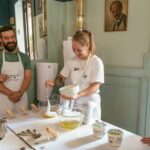
After pasta, you shift to tiramisu—Italy’s signature dessert, and a great match for a cooking class. Tiramisu can feel “fancy,” but it’s mostly about texture: creamy layers, properly soaked elements, and the right balance so it’s not watery or overly firm.
In this class, you’ll create the tiramisu under chef guidance. You’ll learn how the assembly works and what to pay attention to during layering. It’s also a dessert where beginner mistakes are easy to fix on the fly, because a chef can steer you if the cream looks off or the layers aren’t lining up.
I like this sequence: the dessert is calmer than pasta. Pasta asks you to control dough. Tiramisu asks you to control timing and texture. Together, they teach you two different “modes” of cooking in one afternoon.
And yes, it’s worth paying attention to. If you ever bought tiramisu in Rome and wondered why some versions taste lighter while others feel heavy, this is the moment where you learn the practical reasons.
The meal you eat: what comes after cooking
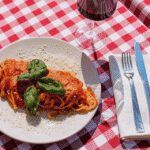
The best part of any cooking class is sitting down to eat. Here, you’ll enjoy the meal you prepared, which makes the whole experience feel complete.
In addition, some classes include drinks with the meal, and past participants have mentioned a glass of bubbly and wine, plus limoncello. The menu also includes champagne in the meal setup for at least some sessions. That’s great value if you like a little celebratory drink, but it also means you should check if you prefer to avoid alcohol or need non-alcohol options.
Either way, don’t rush the final meal. This is where you learn what your effort should taste like. If your pasta turned out slightly thicker or thinner, you’ll feel it. If your ravioli sealed well, you’ll see it on the plate. And tiramisu will tell you whether you nailed the cream texture.
You can also read our reviews of more tours and experiences in Rome

Price and value: is $69 fair for three dishes?
At $69 per person for a three-hour class, you’re paying for more than a recipe. You’re paying for:
- Chef coaching while you knead, roll, and shape
- All necessary ingredients
- A meal that ties the whole class together
- A take-home secret cookie recipe PDF
The three-dish setup matters. Many classes focus on one item and treat everything else as “extra.” Here, the main event is the full arc: pasta dough, filled pasta, and a full dessert. That’s a lot of active learning for one session.
Also, the small-group feel is a practical value multiplier. When the group is tight (one session ran with four people including the couple), you tend to get faster troubleshooting. That’s not just comfortable. It helps you get better results.
If you’re comparing prices, I’d treat it like a paid cooking lesson plus dinner, rather than like a snack tour. It’s closer to a mini culinary workshop than a casual food stroll.
Who this class suits best (and who should skip)
This cooking class is a strong match if you:
- Like hands-on experiences
- Want to learn Italian classics you can recreate at home
- Prefer a structured lesson over guessing
- Travel as a couple, with friends, or with family
It’s also vegetarian-friendly. You’ll want to notify the organizers in advance if you have dietary restrictions.
But if you have food allergies, this isn’t suitable. The class data clearly says it doesn’t work for people with allergies, so don’t assume you can swap ingredients safely. If you’re allergy-prone, look for an option that explicitly handles your specific needs.
One more practical note: the class requires comfortable clothes because pasta dough is sticky and flour is everywhere. If you show up in “nice but precious” outfits, you’ll regret it.
Logistics that make the class easier to handle
Meeting point can vary depending on the option booked. Before you go, confirm the exact address with your booking details. That helps you arrive calm, not stressed.
The class runs about three hours. That’s long enough to learn real technique, but short enough that you can still plan another evening activity in Rome without feeling trapped.
English instruction makes this easier if you don’t speak Italian. And the studio is wheelchair accessible, which is a genuine plus for travelers who need that support.
Rules are straightforward: no pets, and no smoking. You also shouldn’t plan to bring your own food or drink beyond what’s provided in the set menu.
Practical tips to get better results fast
Here’s how to set yourself up so the class feels fun, not fiddly.
- Wear clothing you’re okay getting floury. Pasta work is hands-on by nature.
- Don’t overthink pasta dough early. Focus on the chef’s cues about texture and feel.
- Be ready to ask questions. In small groups, quick troubleshooting pays off.
- If you avoid alcohol, confirm what’s included for your specific session. Drinks with the meal have been mentioned with bubbly, wine, and limoncello in past setups.
- If you have dietary restrictions (but not allergies), notify in advance so the class can adapt.
If you’re a total beginner, you’re not behind. The class is designed with no prior cooking experience required. You’ll be walked through it step by step.
Should you book this Rome cooking class?
Book it if you want a practical, memorable Rome experience with real take-home skills: kneading, rolling, sealing ravioli, and assembling tiramisu. The combination of three dishes, chef guidance in English, and a meal included makes it feel like good value for $69.
Skip it if food allergies are part of your situation. Also, if you strongly avoid alcohol, confirm the drink portion ahead of time so there are no surprises with the meal service.
If you’re looking for an activity that feels hands-on and ends with dinner, this is one of the more satisfying choices in Rome. You leave with confidence and a new menu you can cook for friends.
FAQ
How long is the cooking class?
The class duration is 3 hours.
Is prior cooking experience required?
No prior cooking experience is required.
What dishes will I learn to make?
You’ll make fettuccine, hand-stuffed ravioli, and tiramisu.
Is the class offered in English?
Yes, instruction is in English.
Is the class vegetarian-friendly?
Yes, it is suitable for vegetarians. If you have dietary restrictions, notify in advance.
Is it suitable for people with food allergies?
No, it is not suitable for people with food allergies.
What should I wear to the class?
Wear comfortable clothes, and plan for them to get a bit messy.
Are pets allowed or is smoking permitted?
Pets are not allowed, and smoking is not permitted.
Is there a cancellation option?
Yes, you can cancel up to 24 hours in advance for a full refund.