REVIEW · ROME
Rome: Flavors of Rome, a Historic Food Tour
Book on GetYourGuide →Operated by Rome - Tour · Bookable on GetYourGuide
Rome tastes better when you walk the market. This 2.5 to 3 hour Rome food tour sends you through Campo de’ Fiori with tastings and stories about how the city shops and eats. I love the mix of classic bites and real context, plus you get to sample food at places that have long served locals. One thing to consider: you’ll be on foot for a good stretch, so comfortable shoes matter.
My favorite part is the stop where you try an Italian tagliere built around cured meats and cheeses, with a glass of wine to keep things moving. Then you shift gears to Rome’s comfort snacks: Roman pizza with three typical topping styles and a classic supplì. I also like that the guide adds practical, human detail (the kind that makes food taste better), and you may even hear stories from guides like Sarah and Gabriela, who are known for being friendly and tuned in.
The main drawback is straightforward: this tour is not suitable for wheelchair users, and it’s also not built for people with gluten intolerance. If either applies to you, you’ll want to pick another Rome food experience.
In This Review
- Key things to know before you go
- Campo de’ Fiori Market: Where Your Rome Food Tour Begins
- The Salumeria Tagliere: Cured Meats, Cheese, and a Real Story
- Roman Pizza and Supplì: The Most Classic Street-to-Table Pair
- Piazza Navona and Via dei Coronari: Snack-Walk Rome Style
- Castel Sant’Angelo and Artisanal Gelato: The Sweet Exit
- Price and Value: What $94 Actually Covers
- Meeting Points, Timing, and the Bag Rule (This Matters in Rome)
- Who This Tour Suits Best (And Who Should Skip It)
- Should You Book Flavors of Rome: A Historic Food Tour?
- FAQ
- How long is the Rome Flavors of Rome food tour?
- Where does the tour start?
- What’s included in the tastings?
- Is the tour suitable for vegetarians?
- Is it wheelchair accessible?
- Can people with gluten intolerance join?
- What should I bring and wear?
- Is hotel pickup included?
- Optional: quick timing, pace, and final choice
Key things to know before you go
- Campo de’ Fiori market tastings with wine and cheese as you learn the market’s origins
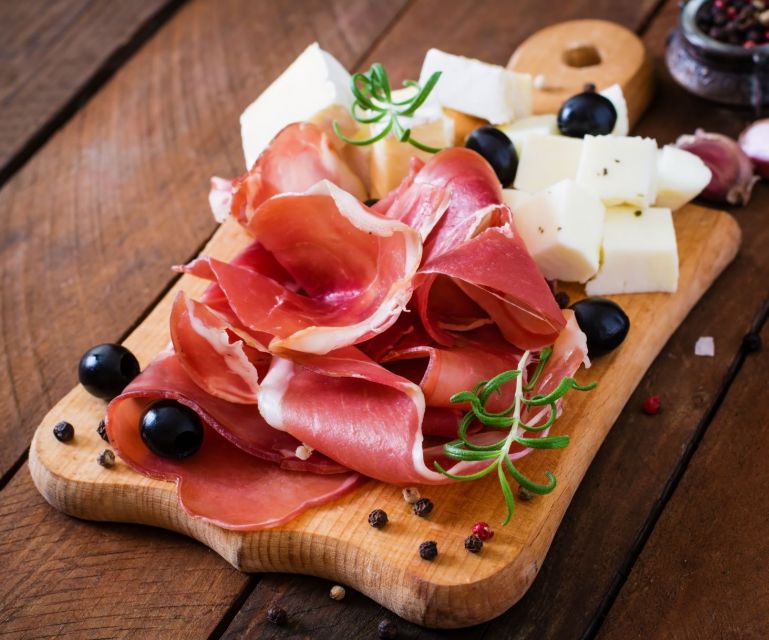
- Historic salumeria stop featuring a cured-meat-and-cheese tagliere made with quality products
- Roman pizza + supplì combo so you try multiple typical topping styles and a classic snack
- A long food walk on Via dei Coronari with street food, local snacks, and regional bites
- Finish at Castel Sant’Angelo after artisanal gelato in an iconic spot
- Small-group feel with a local expert available in Spanish, French, English, and Italian
Campo de’ Fiori Market: Where Your Rome Food Tour Begins
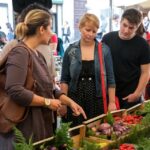
You start in the historic center, focused on the Campo de’ Fiori area. The first big stop is the city’s market scene, and the tour uses that setting for more than photo ops. You’ll spend about 30 minutes there, tasting and learning how this market became part of daily Roman life.
What you’ll actually do matters: you’re not just wandering. You get a real rhythm of samples, including wine tasting and cheese tasting, along with additional food bites. It’s a good way to calibrate your palate fast. If you’re new to Italian food culture, this part helps you understand the logic of what comes next: salumi, cheese, street snacks, and all the small “why do Romans eat this” details that guides love to explain.
There’s a practical side, too. Markets can be busy and require you to keep moving with the group, so slow down your expectations. You’re tasting and listening at the same time, not doing a slow museum stroll.
You can also read our reviews of more food & drink experiences in Rome


The Salumeria Tagliere: Cured Meats, Cheese, and a Real Story
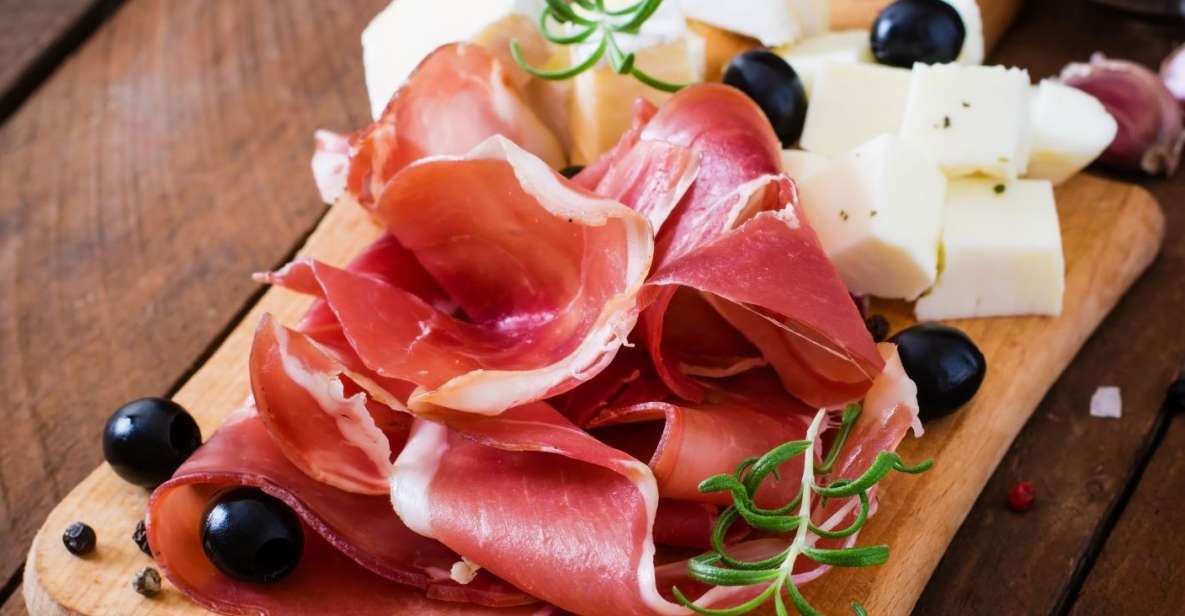
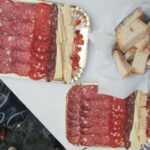
After Campo de’ Fiori, you head to a legendary salumeria for a proper tasting. This is one of the tour’s anchors: an Italian tagliere made from cured meats and cheeses using fine, high-quality products. That wording is important. This is built around traditional flavors and classic pairings, not novelty bites.
For many people, this is where the tour becomes more than “snack hopping.” You learn how to read the menu with your senses. You taste different cured meats, then you compare them with cheese, and the guide’s job is to help you notice what changes from one bite to the next. A great guide here makes you feel like you’re getting a mini lesson without it turning into a lecture.
You may also get extra personality from your guide. Some guides on this experience, including Sarah and Gabriela (Gaby), are described as warm and attentive, and that matters at a tasting counter. When someone explains what you’re eating and why it’s done that way, the flavors land better. If you’re traveling with vegetarians, the tour is described as suitable for them, but this stop is still centered on cured meats and cheese—so expect the guide to guide options rather than pretending it’s identical for everyone.
Roman Pizza and Supplì: The Most Classic Street-to-Table Pair
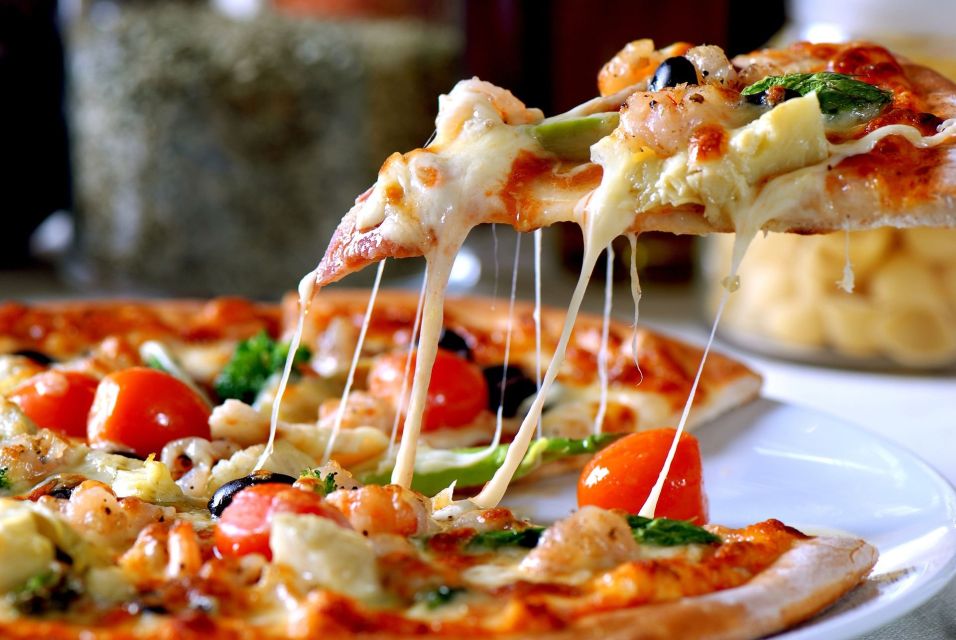
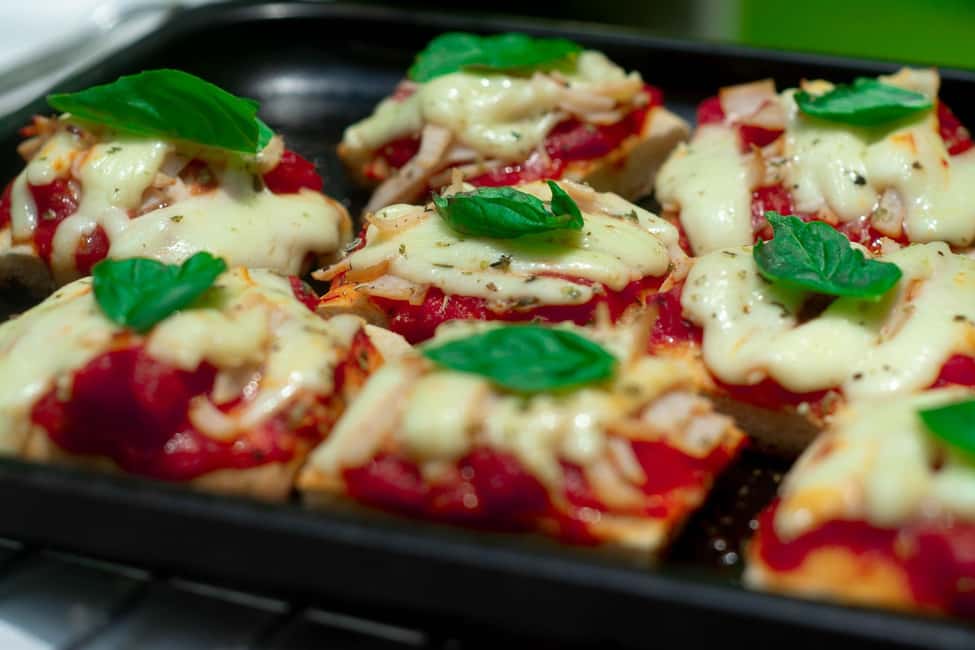
Next comes what you might call the comfort-food section of the Rome food tour: Roman pizza in three typical topping styles, plus a classic supplì. It’s a smart combination because it covers two Roman cravings in one run—pizza for something familiar, supplì for something unmistakably Roman in its street-snack identity.
This is also where the tour’s pacing feels intentionally designed. You’ve already trained your taste on cured meats and cheese. Now the guide uses contrast: savory, cheesy, and snackable. The tour doesn’t ask you to sit through a long meal, and that’s a plus when you only have a few hours in Rome.
One more reason I like this stop: it gives you a “repeatable” takeaway. When you later pass pizza or supplì counters on your own, you’re no longer guessing. You’ve had the classic versions already, so your later choices become easier.
The only thing to watch is that this is a short tour. If you’re the type who wants deep technical explanations about ingredients or long wine courses, you may feel the tempo moving. One guest noted that the tour focused more on finding addresses and the neighborhood experience than on extended wine-and-pairing talk, which is exactly the kind of difference you should plan for.
Piazza Navona and Via dei Coronari: Snack-Walk Rome Style
From Piazza Navona to Via dei Coronari, the tour leans into Rome as a walking city. You’ll spend about 30 minutes in Piazza Navona with street food and food tastings, then you’ll move to Via dei Coronari for roughly an hour of street food, local snacks, and regional food.
This part is where the tour becomes a city lesson without feeling like a classroom. You get to sample while you see how Rome’s streets shape the eating culture. Via dei Coronari is especially pleasant for this kind of tour because it’s one of those “stop and look around” corridors. You’re not rushing from landmark to landmark; you’re eating and strolling at the same time.
Why this section is valuable is simple: it turns “I want to eat local” into a plan. Instead of guessing what’s worth your time, the guide brings you through tried-and-true places and keeps the group moving so you don’t spend your limited Rome hours waiting in the wrong line.
A possible drawback: you’ll be close to other people and storefronts, so if you’re sensitive to crowd energy, keep your pace calm. This isn’t the tour to do if you want quiet and private eating. It’s a social, in-the-street kind of experience.
Castel Sant’Angelo and Artisanal Gelato: The Sweet Exit
To close, the tour layers sightseeing with a final food hit. You get a guided walk and a short sightseeing stop around Castel Sant’Angelo, about 30 minutes total. Before you head to the monument, you also try real artisanal ice cream (often referred to as gelato here), served in an emblematic place of Rome.
This ending works well for two reasons. First, gelato is a natural finisher after savory pizza and snacks. Second, leaving you in front of Castel Sant’Angelo gives you an instant next step. You’re not stuck at the meeting point or sent back into the hotel-zone. You finish in a place that’s easy to continue exploring.
If you’re a “dessert is the real review” traveler, this ending helps. It’s not just a last-minute sugar sprinkle. It’s part of the tour’s structure: snack, snack, snack, then a cold finish that resets your palate.
You can also read our reviews of more tours and experiences in Rome



Price and Value: What $94 Actually Covers
At $94 per person for about 2.5 to 3 hours, you’re paying for a few things at once: a local expert, multiple structured tastings, and access to well-regarded historic stops without the work of planning each one yourself.
Here’s what’s included, and why it’s value:
- A local expert who guides you through the market and food stops (not just a handoff)
- An Italian tagliere of cured meats and cheeses
- Wine plus the chance to taste cheeses early on
- Three traditional types of Roman pizza toppings and a classic supplì
- Artisanal gelato at the end
- Historic, well-renowned places (so you’re not rolling the dice)
Also, no hotel pickup is included. That can feel like a minus until you realize it keeps the tour lean and focused. You still get clear meeting points (which vary by starting option), and you spend the time on food rather than getting bused around.
You should expect enough food to feel like a real meal. That’s especially true if you’re not the type to add an extra full sit-down dinner right afterward. If you are planning a big late dinner, you’ll still likely be pleasantly full by the time you reach gelato.
Meeting Points, Timing, and the Bag Rule (This Matters in Rome)
This tour doesn’t include hotel pickup, so your meeting point matters. You have two starting location options: Ponte Sisto or Museo di Roma – Palazzo Braschi. The exact meeting point depends on which option you book.
Plan for walking. You’ll move between several central neighborhoods and venues over the full 2.5 to 3 hours. That’s why the tour asks for comfortable shoes. Even if you’re a quick walker, Rome cobblestones can make “short walks” feel like a workout.
There’s also a clear rule on what you bring: luggage or large bags are not allowed. So if you’re traveling light (or you can store your bags before the tour), you’ll have a smoother experience.
Language is another practical plus. Guides are available in Spanish, French, English, and Italian. If you want the details explained in your preferred language, this is a good sign you’ll get it.
Finally, a reality check: it’s not suitable for wheelchair users, and it’s not set up for people with gluten intolerance. If your needs fall into either category, consider searching for a different Rome food tour that specifically supports your requirements.
Who This Tour Suits Best (And Who Should Skip It)

This experience is ideal if you want a classic Rome food tour that connects market culture with iconic sights. It’s also a solid fit for first-time visitors because it covers both food staples and major landmarks in a short window.
I’d especially recommend it if:
- You like structured tastings at historic places rather than hunting on your own
- You want to understand the “why” behind what Romans eat
- You’re traveling in a small group and prefer a guided pace
- You’re a vegetarian (the tour notes it’s suitable for vegetarians)
I’d skip it if:
- You use a wheelchair
- You need gluten-free options (this one is not suitable for gluten intolerance)
- You’re looking for a long, heavy wine course with lots of pairing theory in every stop
Should You Book Flavors of Rome: A Historic Food Tour?
If your goal is simple—eat well, learn quickly, and finish with a landmark view—this tour makes sense. For $94, you’re not just paying for food. You’re paying for someone to connect the dots between market life, salumeria culture, Roman pizza traditions, and a final gelato stop by Castel Sant’Angelo.
Book it if you value guided tastings and want your Rome day to feel organized without feeling rigid. If you’re gluten-free or need wheelchair access, don’t force it. Choose a different food tour that fits your needs better.
The biggest reason to book is the mix. You get the market start, the cured-meat-and-cheese anchor, the Roman pizza and supplì comfort combo, then a street-snack walk, and finally gelato with a clean sightseeing ending.
FAQ
How long is the Rome Flavors of Rome food tour?
It lasts about 2.5 to 3 hours.
Where does the tour start?
Meeting points can vary by option. You can start at either Ponte Sisto or Museo di Roma – Palazzo Braschi.
What’s included in the tastings?
You’ll get an Italian tagliere (cured meats and cheeses), wine tasting, three traditional types of Roman pizza toppings, a classic supplì, and artisanal gelato.
Is the tour suitable for vegetarians?
Yes, it’s stated as suitable also for vegetarians.
Is it wheelchair accessible?
No. Wheelchair users are not suitable for this tour.
Can people with gluten intolerance join?
No. People with gluten intolerance are not suitable for this tour.
What should I bring and wear?
Wear comfortable shoes. No other specific items are listed, but comfortable footwear is important because the tour involves walking.
Is hotel pickup included?
No, hotel pickup and drop-off are not included.
Optional: quick timing, pace, and final choice
If you’ve got 3 hours and want your Rome food day to feel planned, book it. If you’re trying to travel with strict dietary needs or mobility limits, pick a different format.