REVIEW · ROME
Rome: Ostia Antica Private Walking Tour with Skip-the-Line
Book on GetYourGuide →Operated by Askos Tours · Bookable on GetYourGuide
Ostia Antica rewards your curiosity. This private walk through the Roman ruins near Rome mixes skip-the-line access with a guide who explains what you’re actually looking at, from Neptune’s Thermal Baths to everyday spots like the thermopolium and forica. I really like that the tour is focused on how the city worked, not just what survived.
Two things I’d point you to right away: the Neptune and Amphitrite mosaic details at the Baths, and the clear way the guide connects the site’s big timeline to real places on the ground. One thing to consider is the pace is a medium walking/activity level over uneven ancient surfaces, so if your legs aren’t thrilled by ruins, you’ll want to plan accordingly.
This is also a smart option if you want the ruins explained like a story you can walk through. You’ll cover a lot in about two hours, and because it’s private, you can ask questions as you go (Spanish, English, French, German, Italian). The meeting is simple: you start at the ticket office with the guide holding a sign with your name.
In This Review
- Key things I’d prioritize on this Ostia Antica tour
- Why Ostia Antica feels like a different Rome
- Starting at the ticket office: private, timed, and low-stress
- Neptune’s Thermal Baths: where mosaics teach you about leisure
- The old town walk: military outpost, port city, and city walls
- Teatro di Ostia: public life in stone
- Domus of Amor and Psyche excavations: what homes say about status
- House of Diana, forum, thermopolium, and forica: daily routines made visible
- The 2-hour format: enough time, not enough to get lost
- Price and value: what $314.37 buys you at Ostia Antica
- Guide energy makes a real difference (Paolo Gardelli and Alessandro)
- Should you book this Ostia Antica private tour?
- FAQ
- What’s the duration of the Ostia Antica private walking tour?
- Where do I meet the guide?
- Does the tour include skip-the-line tickets?
- What languages are available for the live guide?
- Is food included?
- Can I cancel for a refund?
Key things I’d prioritize on this Ostia Antica tour
- Skip-the-line entry so you spend time inside the ruins, not stuck at the entrance
- Neptune’s Thermal Baths mosaics featuring Neptune and Amphitrite
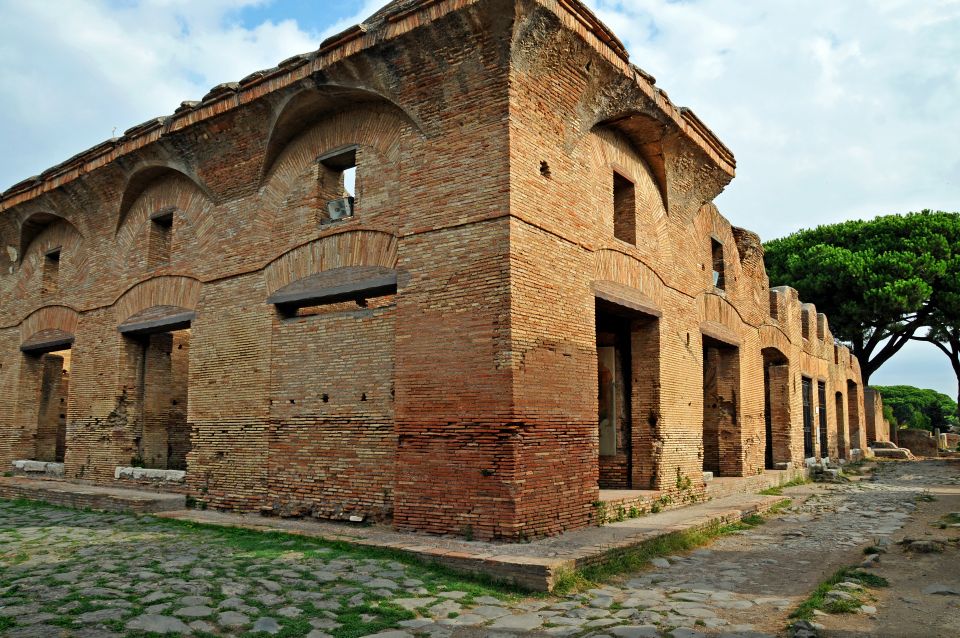
- Forum, theatre, and neighborhood layout to understand how the city functioned
- House of Diana plus daily-life stops like the thermopolium and forica
- Domus of Amor and Psyche excavations where domestic life becomes visible
- Private guide attention with a small-group feel and language options
Why Ostia Antica feels like a different Rome
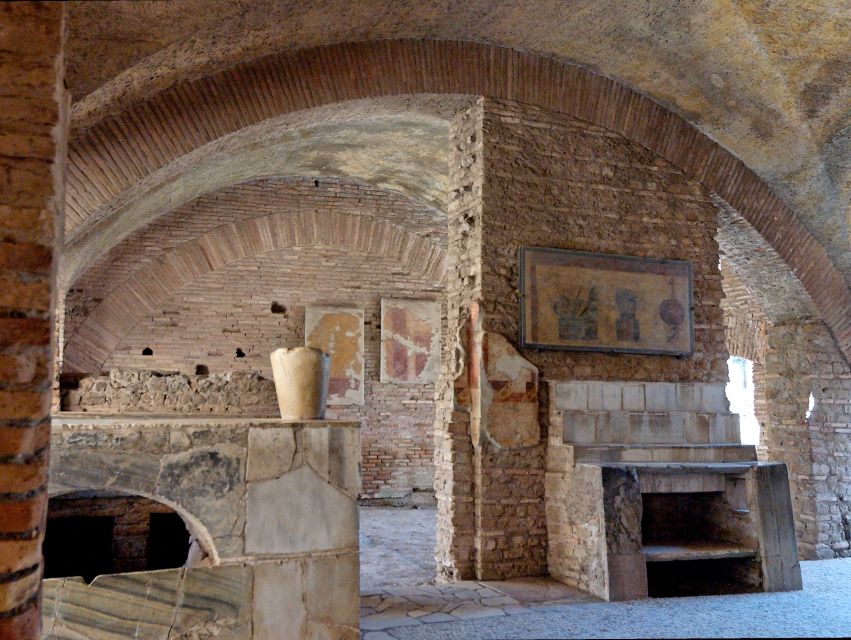
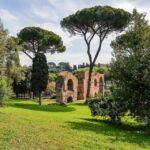
Ostia Antica sits just a few kilometers from Rome, but it doesn’t feel like a second Colosseum visit. It feels more like a working city you can read through stone. The site’s story reaches back to the early 4th century B.C., when it began as a military outpost controlling access to the Tiber and the lower river area.
Then the city’s role shifts. The port becomes more important, and Ostia develops into the kind of place Rome relied on for food supply—especially wheat. Standing in the ruins, it’s easy to see why a river port mattered: ships, warehouses, markets, and all the movement of goods that kept a giant empire fed and functioning.
Your guide’s job is to turn those historical roles into specific stops you can point to. That’s the real value here: you’re not just looking at ruins; you’re connecting them to daily life, public space, and the city’s defenses.
You can also read our reviews of more walking tours in Rome



Starting at the ticket office: private, timed, and low-stress
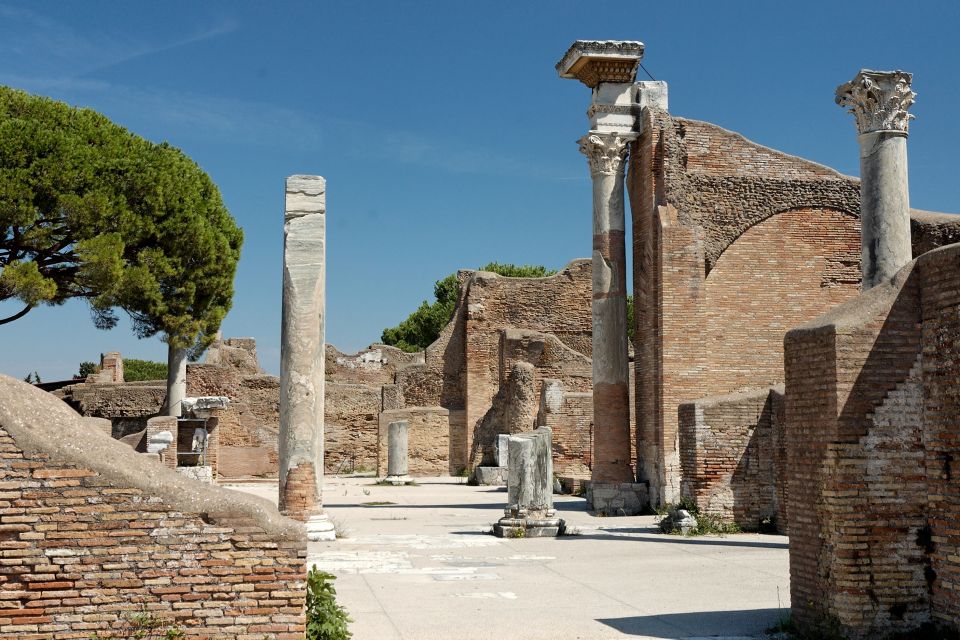
The tour meets at the Parco Archeologico di Ostia Antica ticket office. You’ll see your guide holding a sign with your name, which is a small detail but a big help when you’re arriving to a large archaeological park.
Because you get skip-the-line tickets, you avoid the most frustrating part of visiting major sites: waiting in entry queues while the day ticks by. The result is that the two-hour window stays focused on the ruins themselves.
This is a private group, so the experience doesn’t feel crowded or rushed into a standard script. If you like asking questions, pausing for photos, or taking a moment to understand a mosaic or layout, private tours tend to fit that style well.
One more practical note: the tour lasts about two hours, with a “medium” activity level. You’ll walk through outdoor ruins, so comfortable shoes matter. Also, there’s no hotel pickup or drop-off included.
Neptune’s Thermal Baths: where mosaics teach you about leisure
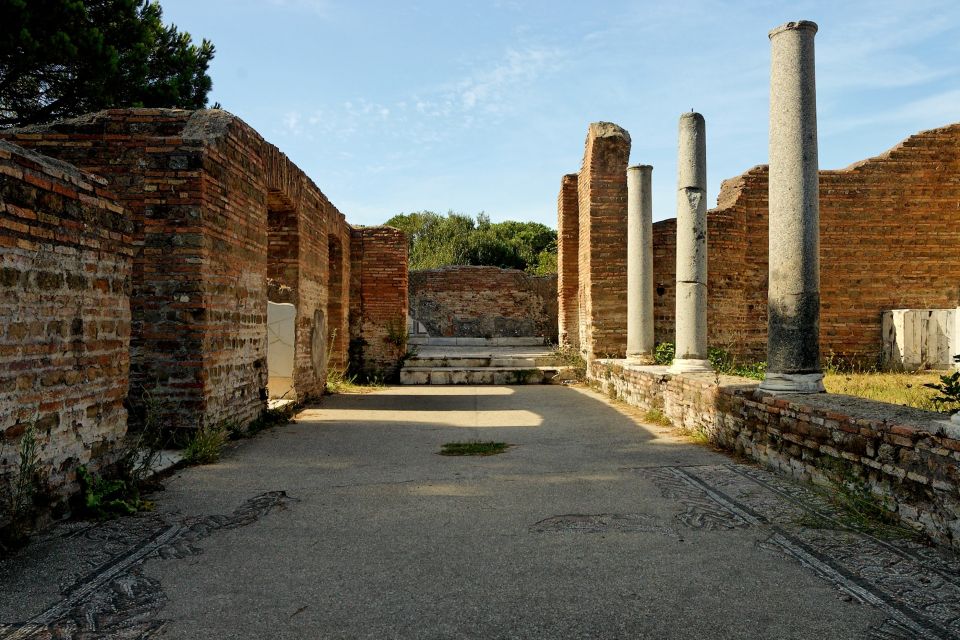
One of the most rewarding stops is Neptune’s Thermal Baths. Even if you don’t think of yourself as a mosaic person, you’ll recognize what makes this place special: the floor art tied to the god Neptune and Amphitrite.
This isn’t just decoration. In Roman cities, bath complexes were social engines—places where people gathered, talked, and spent time. When your guide points out the imagery and explains how it connects to Roman culture, the baths become more than a room with stone walls. They become a window into what leisure looked like in real life.
You’ll also get a sense of scale. Ostia’s thermal baths aren’t a tiny “look and move on” site. They’re part of the city’s public identity. And when you can visualize public space like this, the rest of the walk starts to make more sense: theatre, forum, houses, and commercial corners all feel like connected pieces, not separate curiosities.
If you enjoy art that has meaning—my favorite kind—you’ll probably spend extra time here.
The old town walk: military outpost, port city, and city walls
After you get your bearings in the archaeological area, your route centers on how Ostia evolved. The tour frames the early settlement as a military outpost meant to control access along the Tiber and its lower course. That strategic purpose matters because it explains why the city started where it did and why the Romans cared about controlling movement.
Later, the city becomes a river port with a commercial function feeding Rome, especially with wheat. You’ll learn how the economic role grew even if the earlier naval and defense function remained important.
Then comes one of the most important “big picture” ideas the guide brings to life: the city was surrounded by a new circle of walls, shaping an urban area of about 50 hectares. Those walls weren’t just barriers; they reflected organization. The walled urban space was divided into five neighborhoods, and this tour helps you understand how the ruins you see fit into that structure.
Walking through the old town like this makes Ostia Antica feel more logical. You start to notice how public space sits alongside everyday life. And you’ll catch yourself thinking in systems: transport, commerce, governance, and community.
Teatro di Ostia: public life in stone
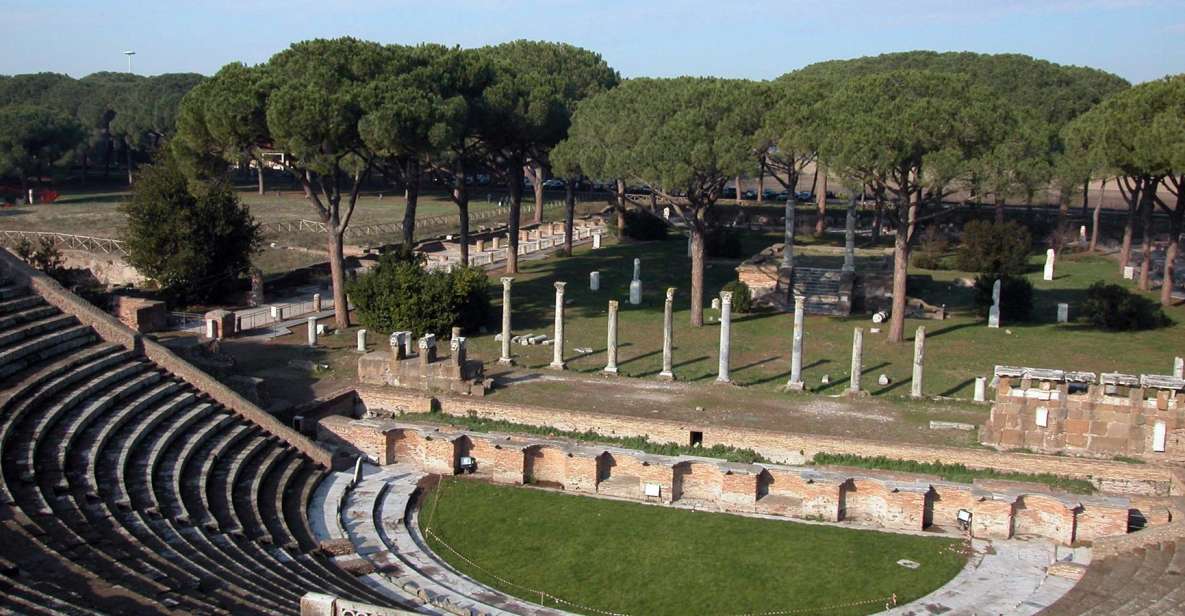
Next up is the Teatro di Ostia (about 30 minutes on the visit). The theatre isn’t just a place to see an ancient structure. It’s a clue about how people spent their time and how the city staged culture and public events.
When a guide connects theatre architecture to Roman civic life, you understand why it belonged in a port city. Ostia wasn’t only shipping goods; it also supported the social rhythms that come with a mature settlement—performances, gatherings, and public announcements.
One practical thing: theatres and outdoor seating spaces can be surprisingly breezy or hot depending on the season. So bring a light layer if you tend to feel cold standing around, and protect yourself from sun if you’re visiting mid-day.
If you like visual “how did people move and sit here?” moments, this stop usually delivers. You’ll leave with a clearer mental image of life beyond commerce.
You can also read our reviews of more private tours in Rome



Domus of Amor and Psyche excavations: what homes say about status
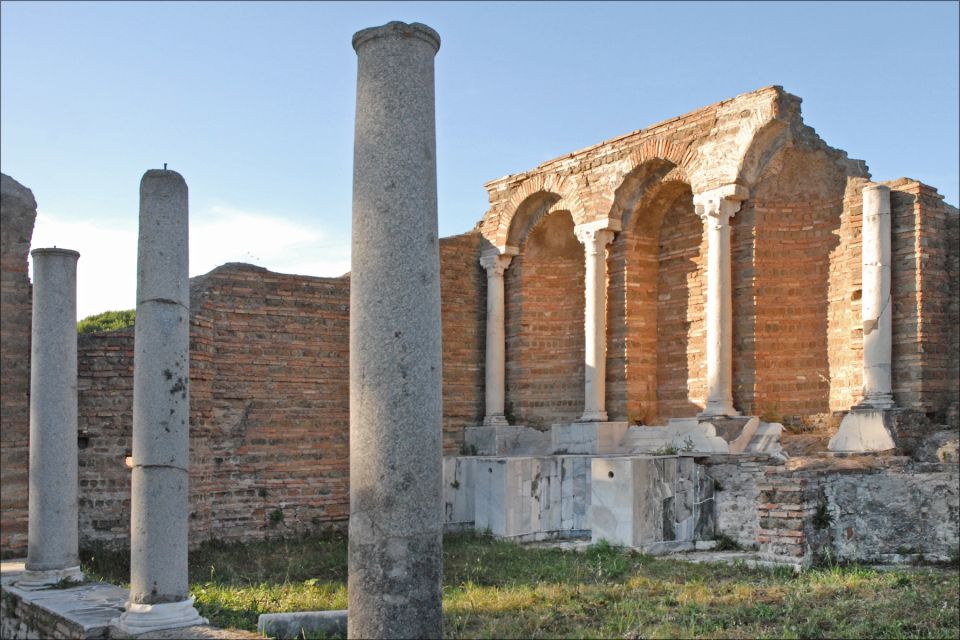
The tour also includes the Domus of Amor and Psyche excavations, with about 20 minutes here. This kind of site matters because houses are where you see personal taste. The Romans left messages in floor designs, layout choices, and how spaces were used.
Because the domestic world is quieter than the theatre or forum, it can be easy to glance and move on. Your guide’s approach keeps you from treating it like a quick pit stop. You learn how excavations reveal what used to be hidden: where people lived, how spaces were arranged, and what the city valued enough to build and decorate.
It helps that this tour connects the home to the larger city story. When you understand Ostia’s role in feeding Rome and supporting a community, a house with elaborate design reads differently. It becomes a sign of prosperity and cultural ambition, not just “a pretty ruin.”
This is also a great stop if you enjoy archaeology that tells you about everyday people, not only emperors and temples.
House of Diana, forum, thermopolium, and forica: daily routines made visible
The walk rounds out with several key sites that bring Ostia’s social and everyday side into focus.
You’ll see the forum, which is where civic life happened—business, public information, and the kinds of gatherings that organized a city. It’s the opposite of a private home: a place built to put people together.
You’ll also visit the House of Diana. Even without a long explanation, the name tells you something: this isn’t meant to be anonymous stone. Houses like this often show how wealth and identity were displayed.
And then come the stops that most visitors don’t expect to care about—but you will once a guide points it out:
- The thermopolium (a kind of Roman snack-bar / food-serving spot) helps you visualize what people grabbed in a hurry.
- The forica is another daily-life site, tied to sanitation and routine.
These are the kinds of ruins that make Ostia Antica feel real. A theatre can explain leisure, but a thermopolium and forica explain routine. Together, they turn the city from a set of monuments into a place where people ate, met, worked, and cleaned up—day after day.
This part of the tour is often where the guide’s energy makes a big difference. When your guide keeps the details clear, the ruins stop feeling like a blur.
The 2-hour format: enough time, not enough to get lost
Two hours is a sweet spot for Ostia Antica. It’s long enough to understand the city’s arc—military outpost to port city, plus how it grew within walled neighborhoods. It’s also short enough that you don’t spend your whole day just standing around.
Because this is a private walking tour with a medium activity level, you’ll cover ground at a comfortable pace. Still, remember: you’re in an outdoor archaeological park with uneven surfaces. If you’re prone to foot fatigue, wear supportive shoes and don’t plan anything strenuous right after.
This format also helps with focus. Ostia Antica is big, and if you visit without a plan, it’s easy to miss the connections. With a guide, you get a route that points you to the “why” behind each area.
Price and value: what $314.37 buys you at Ostia Antica
At $314.37 per person for a private, two-hour tour, you’re paying for three main things:
First, you’re buying time and stress reduction with skip-the-line tickets, which is especially valuable if your schedule in Rome is tight.
Second, you’re paying for interpretation. Ostia Antica is readable, but only if someone helps you connect mosaics, public buildings, and street-level daily life into a story. That’s the difference between wandering and learning.
Third, you’re paying for a private experience. The guide can match the pace to you, and you’re not competing with a large group for attention.
Is it the cheapest way to see Ostia Antica? No. But it’s a strong value if you want more than photos and want to understand the place while you’re standing in it. If you’re the type who likes getting context for mosaics and room layouts, this price starts to make sense fast.
Guide energy makes a real difference (Paolo Gardelli and Alessandro)
The tour experience is heavily shaped by the guide. In particular, Paolo Gardelli stands out for making the history feel alive. People describe his enthusiasm as infectious, and that’s exactly what you want in a site like Ostia Antica—where the details matter.
Another guide, Alessandro, is noted for keeping explanations interesting throughout. That matters because some ruins can turn into a repetitive walk if the guide only lists what you’re looking at. The best guides help you keep seeing patterns: public vs private space, leisure vs routine, and how the city’s function shows up in the layout.
So when you book, you’re not only hiring a guide—you’re hiring the way you’ll experience the site.
Should you book this Ostia Antica private tour?
Book it if you want a guided, story-driven visit and you like understanding the “why” behind the major stops. This is a great match for first-timers who feel intimidated by ruins without context, and for anyone who loves mosaics, public life, and daily routine details like the thermopolium and forica.
Skip it if you’re mainly after a quick photo circuit and you don’t care much about explanations. Also think twice if mobility is an issue; the tour notes say it may not suit wheelchair users, even though wheelchair accessibility is also listed—so confirm with the provider before you commit.
If you want Ostia Antica to feel like a real Roman city you can picture, this tour is one of the better ways to do it without wasting time.
FAQ
What’s the duration of the Ostia Antica private walking tour?
The tour lasts about 2 hours.
Where do I meet the guide?
Meet the guide at the ticket office of the Ostia Antica ruins. The guide will hold a sign with your name.
Does the tour include skip-the-line tickets?
Yes. Skip-the-line tickets are included.
What languages are available for the live guide?
The guide is available in Spanish, English, French, German, and Italian.
Is food included?
No. Food and drink are not included.
Can I cancel for a refund?
Yes. Free cancellation is offered up to 24 hours in advance for a full refund.