REVIEW · ROME
Rome: City Highlights Walking Tour
Book on GetYourGuide →Operated by City Walkers Tours · Bookable on GetYourGuide
Rome clicks into focus on this walk. I love starting at Trajan’s Market and ending at Trevi Fountain, because you get a clean route through central sights without thinking too hard about directions. You’ll be with a live English guide who explains what you’re seeing as you go, so the streets feel like they have a script.
My second favorite part is the stop through the Jewish Ghetto, where the tour adds context to a smaller corner of Rome that many first-time itineraries rush past. I also like the way guides such as Brian, Fabio, and Monica keep things friendly and question-friendly, with a pace that isn’t trying to sprint you from landmark to landmark.
One heads-up: this is an outside-only route. You’ll look at the Pantheon and other big monuments from the street, with no entry into buildings, and it’s not a good fit if you have mobility limits or you don’t want a chunk of walking in mixed weather.
In This Review
- Key Things You’ll Notice on This Rome Highlights Walk
- Why This Rome Route Works So Well in 2.5 Hours
- Trajan’s Market: Starting With Roman Brains and Bricks
- Piazza Venezia and the Vittorio Emanuele Monument: A Big Square With Big Direction
- The Jewish Ghetto and Campo de’ Fiori: History Meets Street-Level Rome
- Piazza Navona: Baroque Fountains, Controlled Chaos, and Photo-Friendly Angles
- The Pantheon and Hadrian’s Temple: Seeing the Classics Without Entering
- Trevi Fountain at the End: How to Finish Strong
- Price and Value: Is $41 Worth a Guided 2.5-Hour Walk?
- Who This Tour Fits Best (And Who Might Want Something Different)
- Should You Book This Rome City Highlights Walking Tour?
- FAQ
- How long is the Rome City Highlights Walking Tour?
- Where do I meet the guide?
- Which major stops are included?
- Are you allowed to enter the monuments during the tour?
- What’s included in the price?
- What should I bring?
- What language is the tour in?
- Will the tour run in bad weather?
- Is the tour suitable for people with mobility impairments?
- Can I cancel for a refund, and can I reserve now?
Key Things You’ll Notice on This Rome Highlights Walk
- Trajan’s Market at the start: you begin with Roman engineering, not with the usual post-card clichés
- Pantheon and Trevi Fountain from the street: big moments, but no ticket lines or inside time
- A guided pass through the Jewish Ghetto: context built into the walk, not tacked on at the end
- Piazza Venezia and Piazza Navona as orientation points: squares that help you “read” the city
- Small-group energy: the guide can actually answer questions, not just talk at you
Why This Rome Route Works So Well in 2.5 Hours
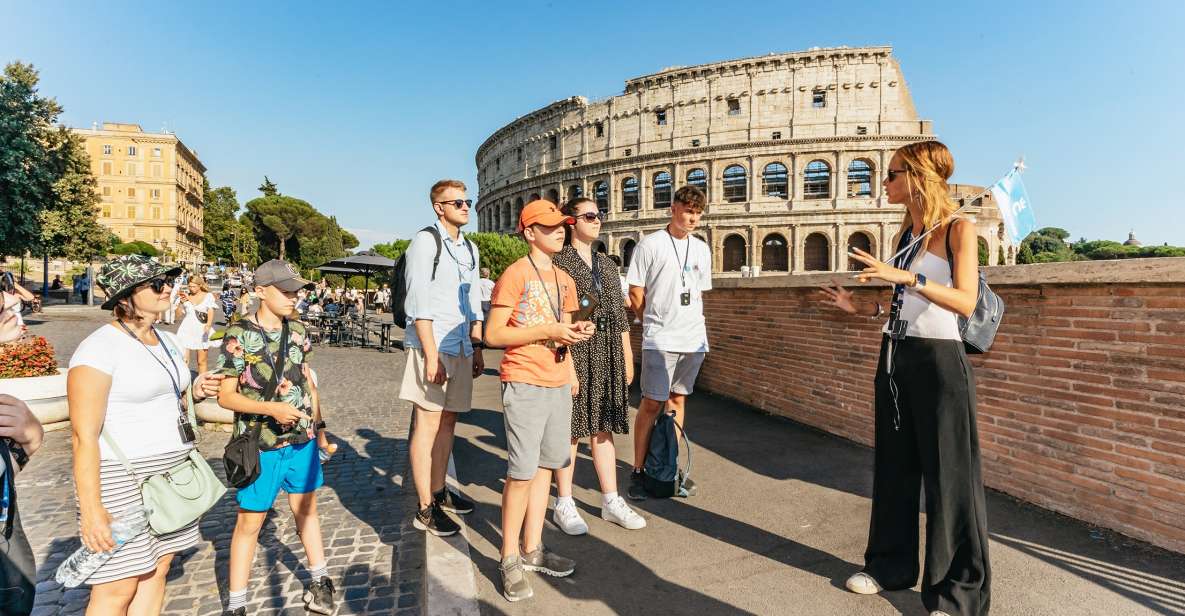
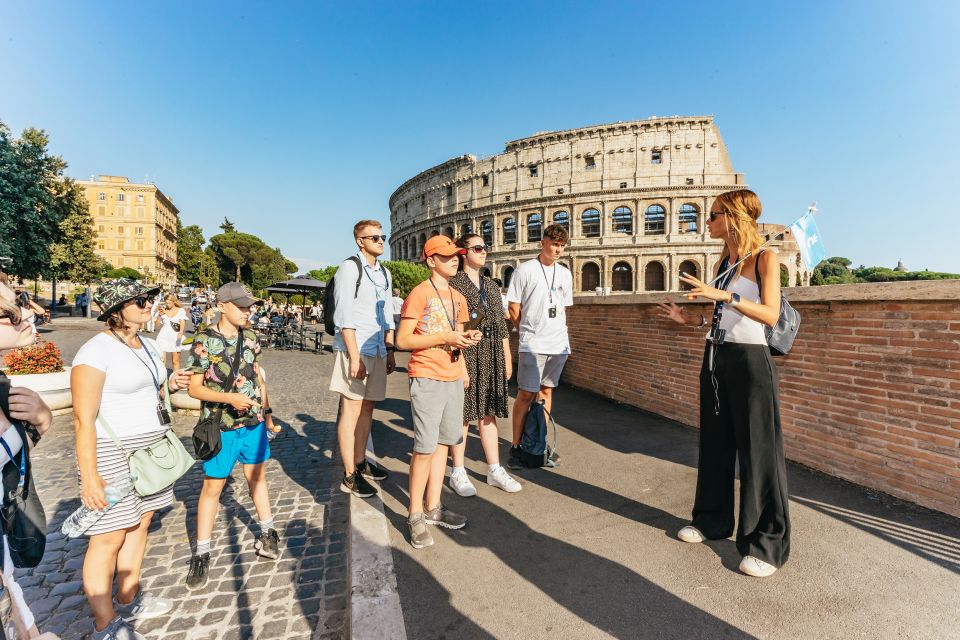
This is the kind of tour that helps you get your bearings fast. You hit the major hits—Trevi Fountain and the Pantheon—but the path between them also makes sense: squares for orientation, then neighborhoods for texture.
At 2.5 hours, it’s long enough to feel like you did something real, but short enough that it won’t swallow your whole day. You’ll also get headphones if needed, which helps if the group is chatting or the streets are busy. The guide stays in charge of pacing, so you’re not left playing follow-the-leader at each intersection.
The tour runs rain or shine, which is a plus in Rome where the weather can flip on you. The trade-off is that you should dress for wet streets and carry water; comfortable shoes aren’t optional. And because the stops are mostly outside, you won’t get the “walk into a museum and linger” vibe—you’ll get the “watch Rome in real time” vibe instead.
You can also read our reviews of more walking tours in Rome



Trajan’s Market: Starting With Roman Brains and Bricks

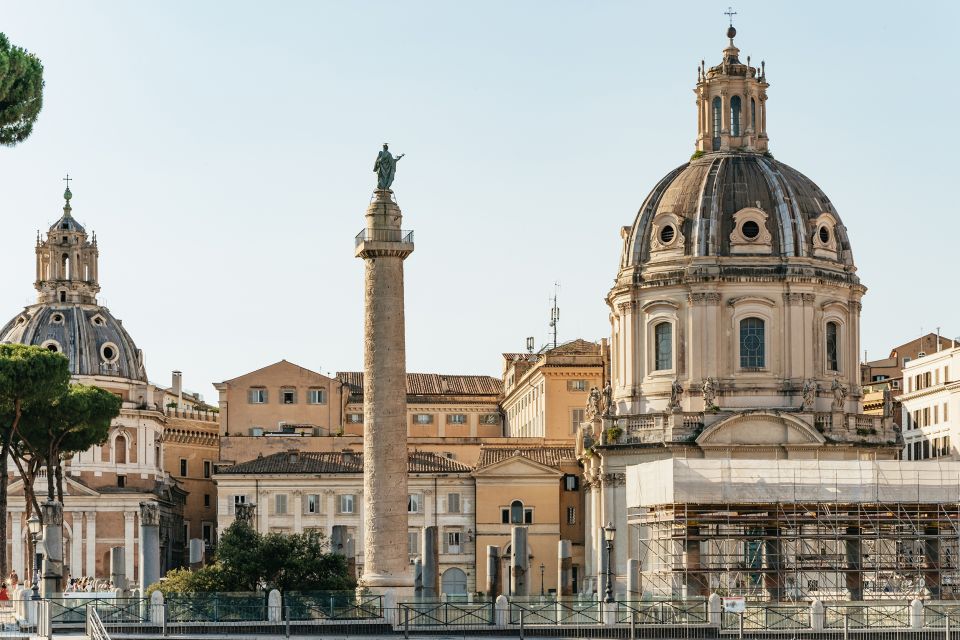
You begin at Colonna Traiana n 84, with the guide holding a City Walkers flag or sign. From there, the first major stop is Trajan’s Market, built in the 2nd century AD. Starting here changes how you see the rest of Rome.
Why I like this opening: it sets the theme early. You’re not just collecting famous names. You’re learning to recognize how Romans thought about space, traffic, commerce, and construction—then you carry that lens with you as you walk toward later centuries.
Even if you only skim the area around the market, the payoff is mental. You start noticing the city’s layers. Rome stops being one single “old place” and becomes a living patchwork of eras, each one shaping the next.
Piazza Venezia and the Vittorio Emanuele Monument: A Big Square With Big Direction
After Trajan’s Market, you head to Piazza Venezia, one of Rome’s most famous squares. It’s a natural crossroads where several historic buildings cluster together, including the Vittorio Emanuele monument.
This stop matters because it’s a quick orientation moment. Squares in Rome can feel like you’re walking into a movie set—but they also help you understand how streets connect and where key landmarks sit in relation to each other. When you reach later stops like Piazza Navona and the Pantheon area, the city layout starts clicking.
Also, Piazza Venezia is the sort of place where your guide can point out details you might miss if you were just taking photos. That’s the real value of a guided walk: you know where to look, not only what to photograph.
The Jewish Ghetto and Campo de’ Fiori: History Meets Street-Level Rome
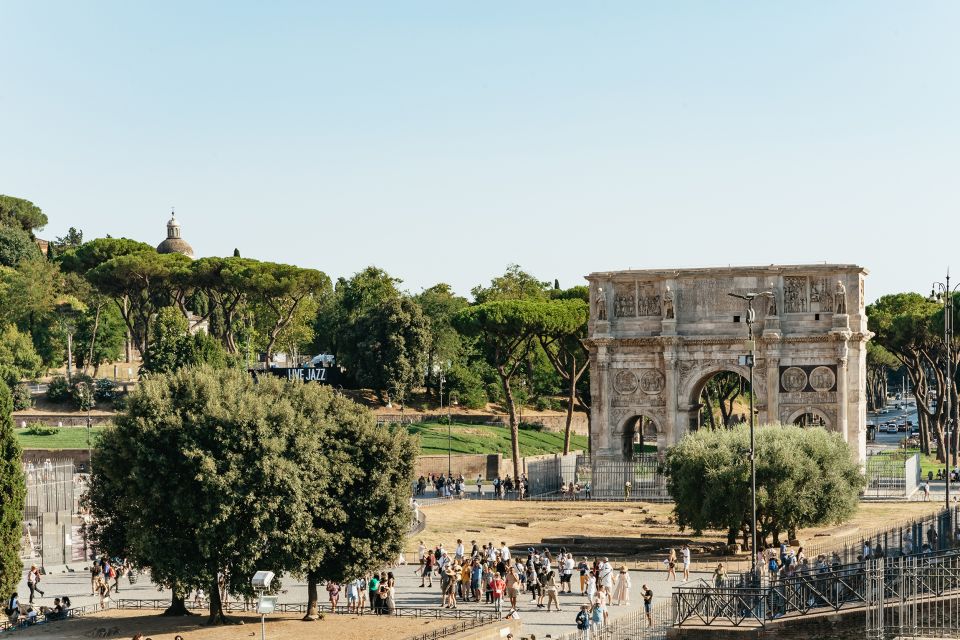
Next comes the Jewish Ghetto, a small area dating back to the 16th century. This section is especially useful on a first trip because it adds a different kind of story. It’s not just architecture and empire. It’s people, community, and how the city changed around them.
One practical benefit: the route slows down here. You’ll get time to understand what you’re seeing rather than simply marching past walls and storefronts.
Then you walk to Campo de’ Fiori, a central square known for its street market. This is where the tour shifts from “sit back and listen” to “watch daily Rome.” Even if you don’t buy anything, it’s a good moment to grab a small snack later, refill water, and reset before the big monumental stretch.
If you’re the type who likes to see how Rome works between the major sights, this pairing is a smart move: one stop gives context, the other shows the street rhythm.
Piazza Navona: Baroque Fountains, Controlled Chaos, and Photo-Friendly Angles
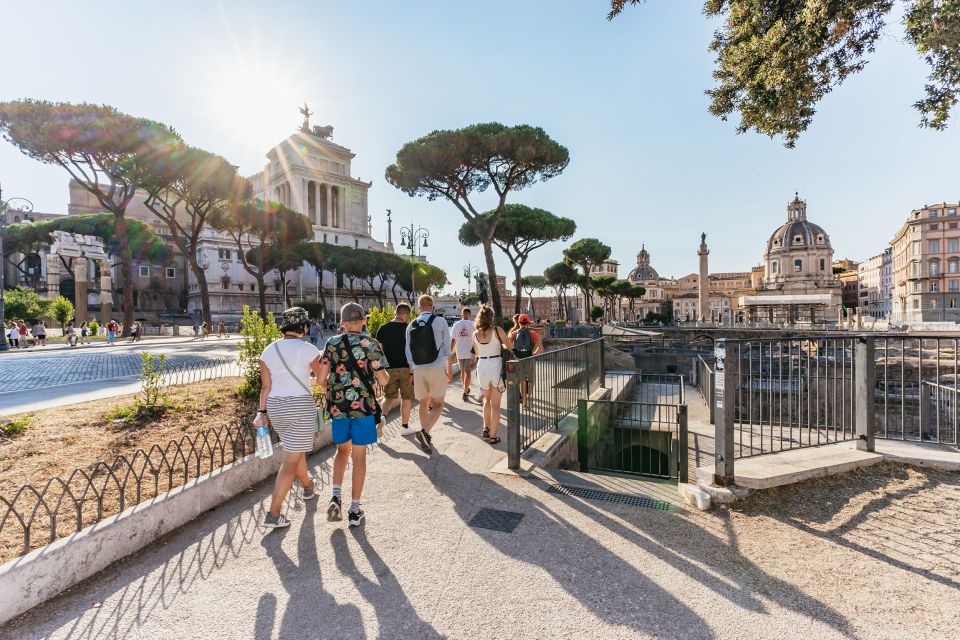
From Campo de’ Fiori, you head to Piazza Navona, famous for Baroque-style fountains and sculptures. In practice, this is one of those squares where you can stand in one spot and still feel like you’re surrounded by action.
Look for the fountain focus and how the sculptures are arranged to frame the open space. Your guide’s job here is to help you read the visual logic—what’s designed to catch your eye and what’s meant to balance the composition.
Also, this is a good place to ask questions, because it’s open and the group isn’t funneling through tight streets. You can get a feel for Rome’s Baroque style without needing to enter any building.
You can also read our reviews of more city tours in Rome






The Pantheon and Hadrian’s Temple: Seeing the Classics Without Entering
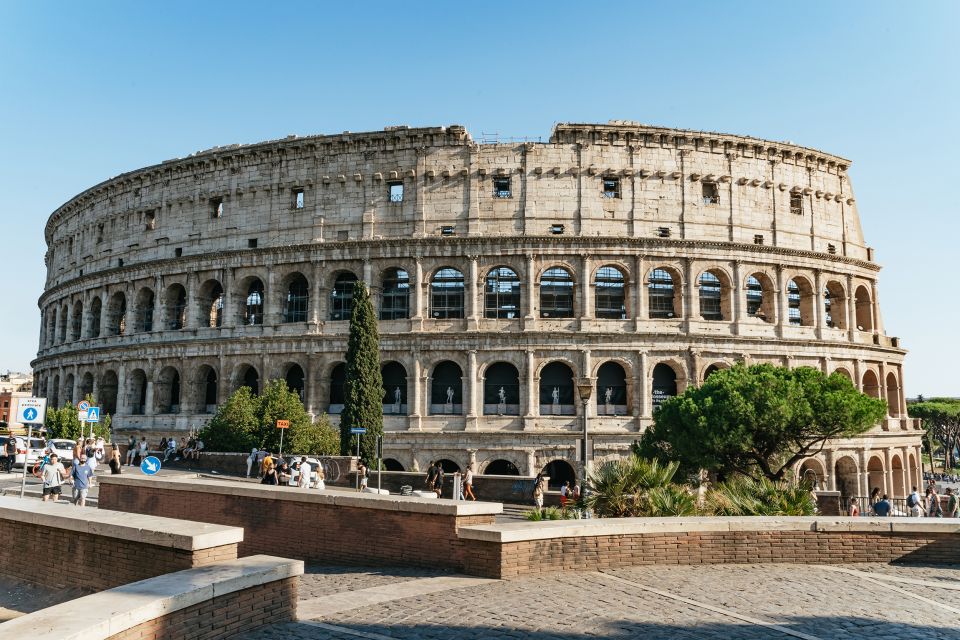
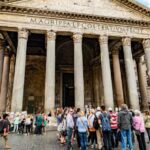
After the squares, you reach two of Rome’s biggest names: the Pantheon and Hadrian’s Temple. The key point is that the tour explains them from the outside only. There’s no entry into the monuments during this walk.
That might sound like a drawback until you think about what a guided outside route actually does well. You still get the big moments—the scale, the façade details, the way these buildings sit in the street grid—and you get the story behind them.
The Pantheon is a must-see even from outside, because it’s the kind of structure you instantly recognize as important. Hadrian’s Temple adds another layer: the walk connects the Roman world of major sacred architecture to how the city evolved around these monuments.
My advice: treat this part as a “look and understand” chapter. If you want inside access later, plan that separately. But for first-time orientation and historical context, the street-level view is enough to make the sites meaningful.
Trevi Fountain at the End: How to Finish Strong
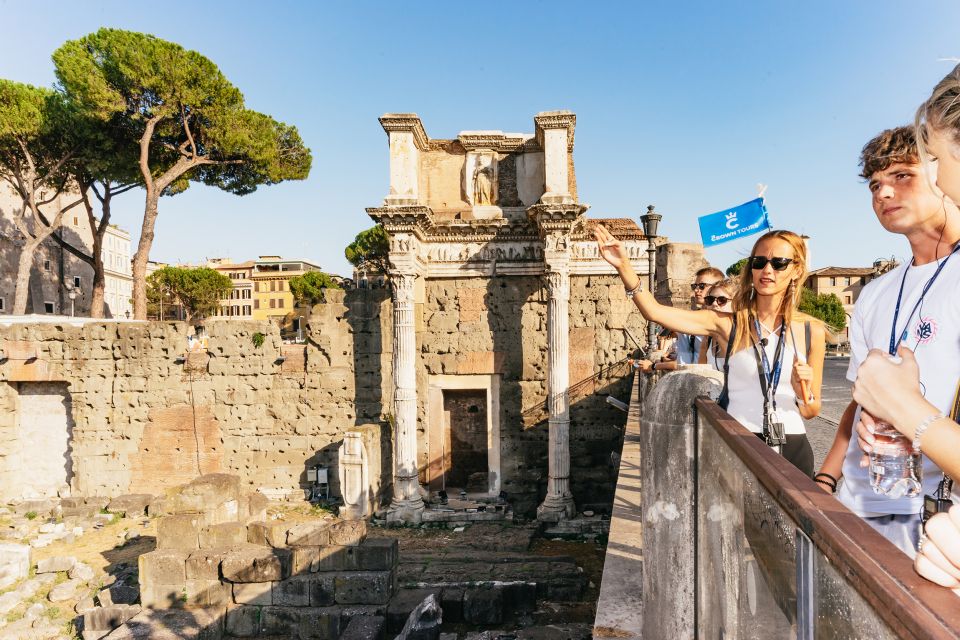
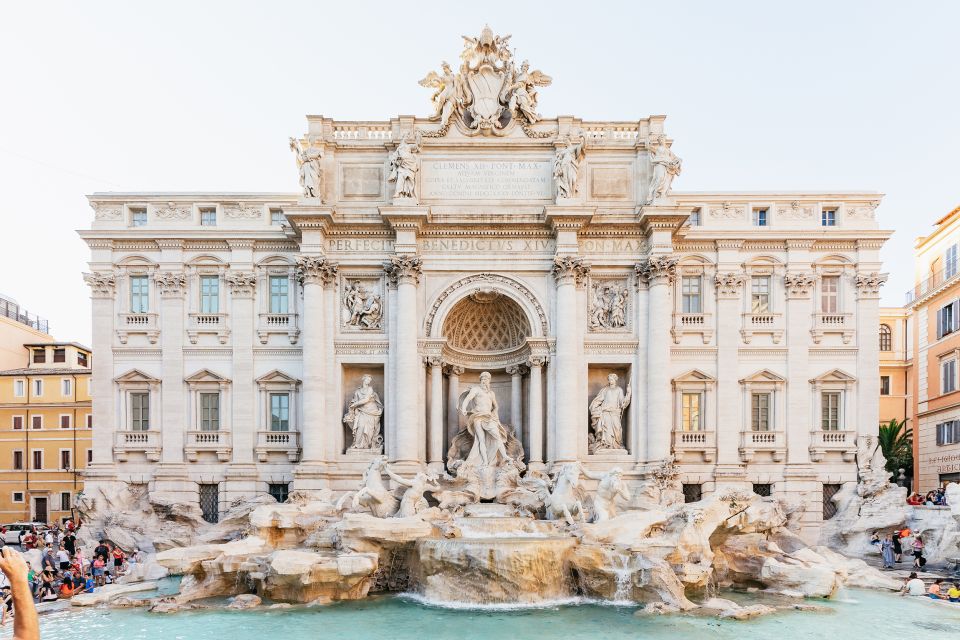
The tour wraps up at Trevi Fountain, described as an iconic Baroque masterpiece—and it really is. Ending here is a smart choice because Trevi is the most famous “final payoff” spot for many people, and it gives you a memorable landing after 2.5 hours of history on foot.
From a practical standpoint, you’ll likely want a plan for what comes next once the tour ends: keep walking to explore nearby streets, or stop for a drink and let the crowds settle a bit. Trevi is famous for a reason, but it can also be intense. If you time your own post-tour wandering with a clear head, it feels less like a bottleneck and more like a neighborhood.
Also, because the guide only covers monuments from the outside, Trevi is where you can fully enjoy the scene without needing extra tickets or schedules.
Price and Value: Is $41 Worth a Guided 2.5-Hour Walk?
For $41 per person, you’re paying for three main things: a live English guide, a structured route, and history explained on the spot. You’re not paying for hotel pickup, and you’re not paying for entry tickets because none are included.
Here’s how I’d judge the value: if you want a map of Rome’s highlights plus the context to make them click, this is good value. You’re covering major landmarks—Trajan’s Market, Piazza Venezia, the Jewish Ghetto, Campo de’ Fiori, Piazza Navona, the Pantheon area, Hadrian’s Temple area, and Trevi Fountain—in one go.
If you already have a strong self-guided plan and you don’t care about explanations, you could technically do these stops on your own. But most people come out happier when someone helps them notice what matters and connects the dots between eras.
You also get optional headphones if needed, which improves the experience on crowded streets. Add the fact that guides like Brian are praised for staying friendly, answering questions, and keeping a good pace, and the price starts to feel more reasonable.
Who This Tour Fits Best (And Who Might Want Something Different)
This walking tour is a great match if you:
- want a first-trip overview of Rome’s big landmarks in a logical route
- like history told in plain language while you’re actually standing there
- enjoy asking questions and getting direct answers
It’s also a solid option for families, too, since some groups included children and still found the pace manageable with guide interaction.
But it’s not ideal if:
- you want inside access to monuments during the tour
- you have mobility limitations, since it isn’t suitable for people with mobility impairments
- you’re hoping for minimal walking or frequent sit-down breaks
If your goal is tick-off sightseeing, you’ll be satisfied. If your goal is museum-level time inside buildings, plan separate ticketed visits.
Should You Book This Rome City Highlights Walking Tour?
I’d book it if you want Rome’s highlights with a guide’s storytelling and a clear route from Trajan’s Market to Trevi Fountain. The strongest reason to choose this tour is that it doesn’t just throw famous names at you—it helps you understand what you’re looking at, including stops that add variety like the Jewish Ghetto and the market area around Campo de’ Fiori.
I’d skip it if inside monument time is your priority. This tour keeps things outside, so you’ll still need other plans if you’re chasing entry into specific buildings.
One more practical tip: the meeting point can be easy to miss in a busy area, so use the Vittorio Emanuele monument as a visual anchor, then look for the City Walkers sign/flag at Colonna Traiana n 84 when you get close.
If that sounds like your style, this is a smart way to start a Rome trip.
FAQ
How long is the Rome City Highlights Walking Tour?
The tour lasts 2.5 hours.
Where do I meet the guide?
Meet your guide at Colonna Traiana n 84. The guide will be holding a sign or flag with the City Walkers logo.
Which major stops are included?
You’ll visit Trajan’s Market (start), Piazza Venezia, the Jewish Ghetto, Campo de’ Fiori, Piazza Navona, the Pantheon, Hadrian’s Temple, and the Trevi Fountain (end).
Are you allowed to enter the monuments during the tour?
No. The monuments are explained from the outside only, and there is no entry into buildings.
What’s included in the price?
The price includes a guide, and headphones if needed.
What should I bring?
Bring sunscreen, water, comfortable clothes, and weather-appropriate clothing.
What language is the tour in?
The tour is guided in English.
Will the tour run in bad weather?
Yes. The tour takes place rain or shine.
Is the tour suitable for people with mobility impairments?
No, it is not suitable for people with mobility impairments.
Can I cancel for a refund, and can I reserve now?
Yes. You can cancel up to 24 hours in advance for a full refund, and you can reserve now and pay later.